Laser Resurfacing in Midland Park, NJ
Smoother Skin Without Looking Like You Tried Too Hard
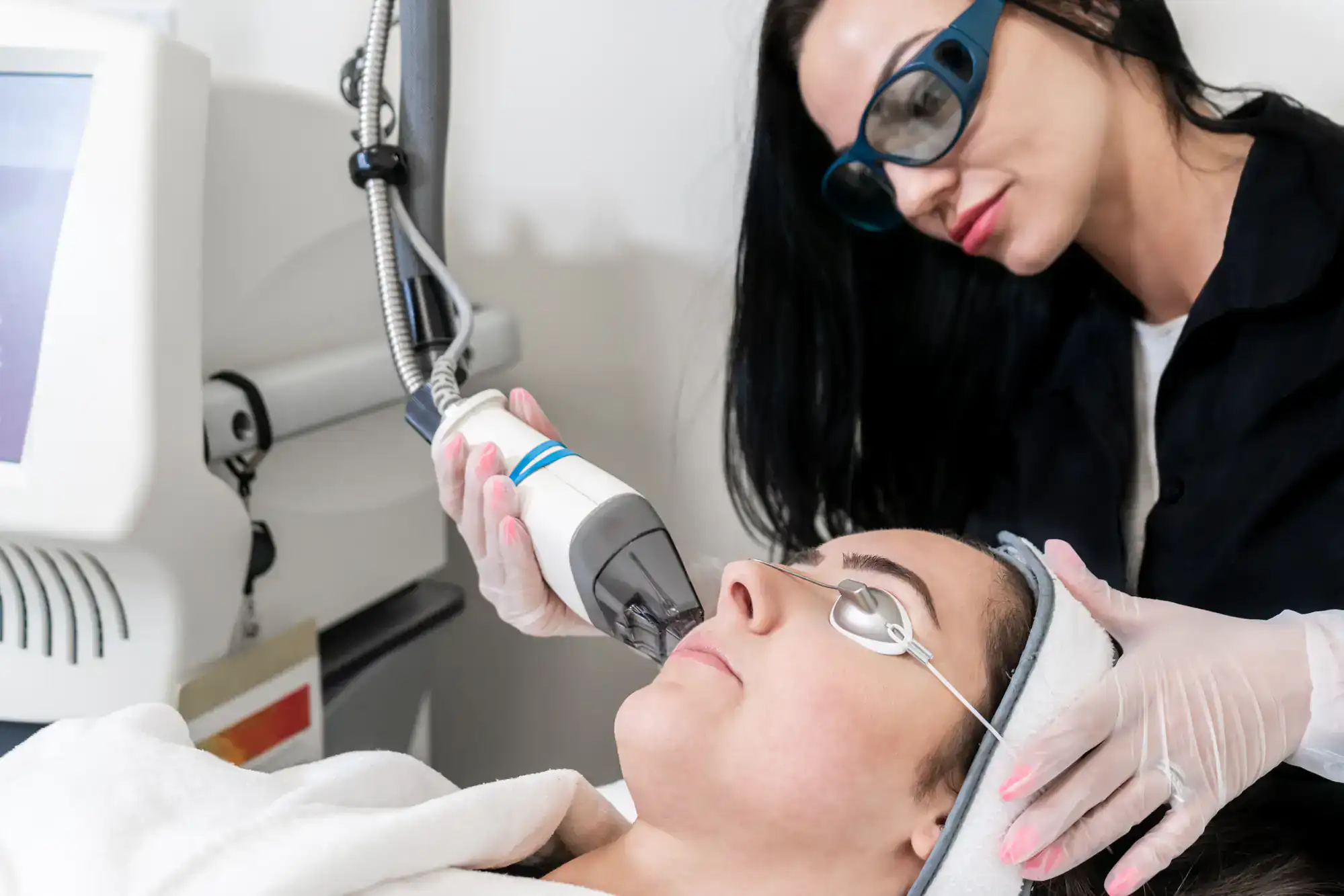
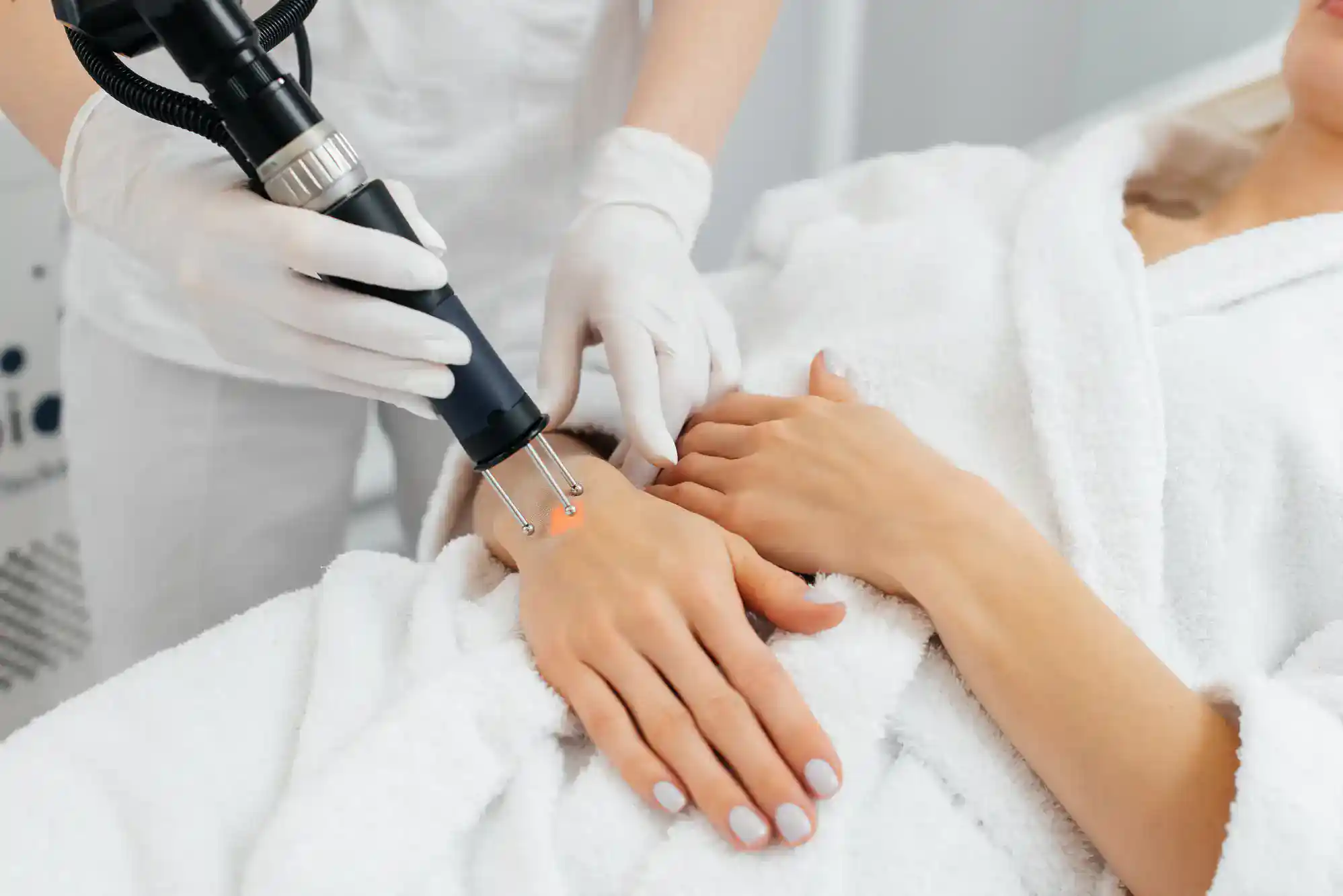
Laser Skin Resurfacing Midland Park, NJ
You stop avoiding mirrors in certain lighting. The texture evens out, sun spots fade, and those fine lines around your eyes and mouth soften in a way that looks natural—not frozen or overdone.
Laser skin resurfacing in Midland Park, NJ targets the damage you’ve accumulated over years: UV exposure from weekends outdoors, acne scars that never fully healed, rough patches that makeup can’t hide. The treatment works by removing damaged outer layers and stimulating fresh collagen underneath.
Most people see visible improvement within two weeks. Your skin looks refreshed, not like you had “work done.” You’re not explaining yourself to friends—they just notice you look rested. That’s the difference between good laser resurfacing and everything else.
Board-Certified Laser Treatment Midland Park, NJ
House of Ness is led by a Board-Certified Plastic Surgeon and staffed by licensed, certified injectors who understand facial anatomy at a level that matters when lasers are involved. We’re a platinum-level Allergan partner, which means our training, technology, and product authenticity meet the highest industry standards.
We’ve built our reputation in Midland Park, NJ by treating skin concerns the way they should be treated: with precision, transparency, and realistic expectations. Bergen County residents come to us because they want board-certified oversight, not a technician following a script.
Every consultation is complimentary. Every treatment plan is customized. You’re not getting a one-size-fits-all protocol—you’re getting a laser treatment for your face that matches your skin type, your concerns, and your schedule.
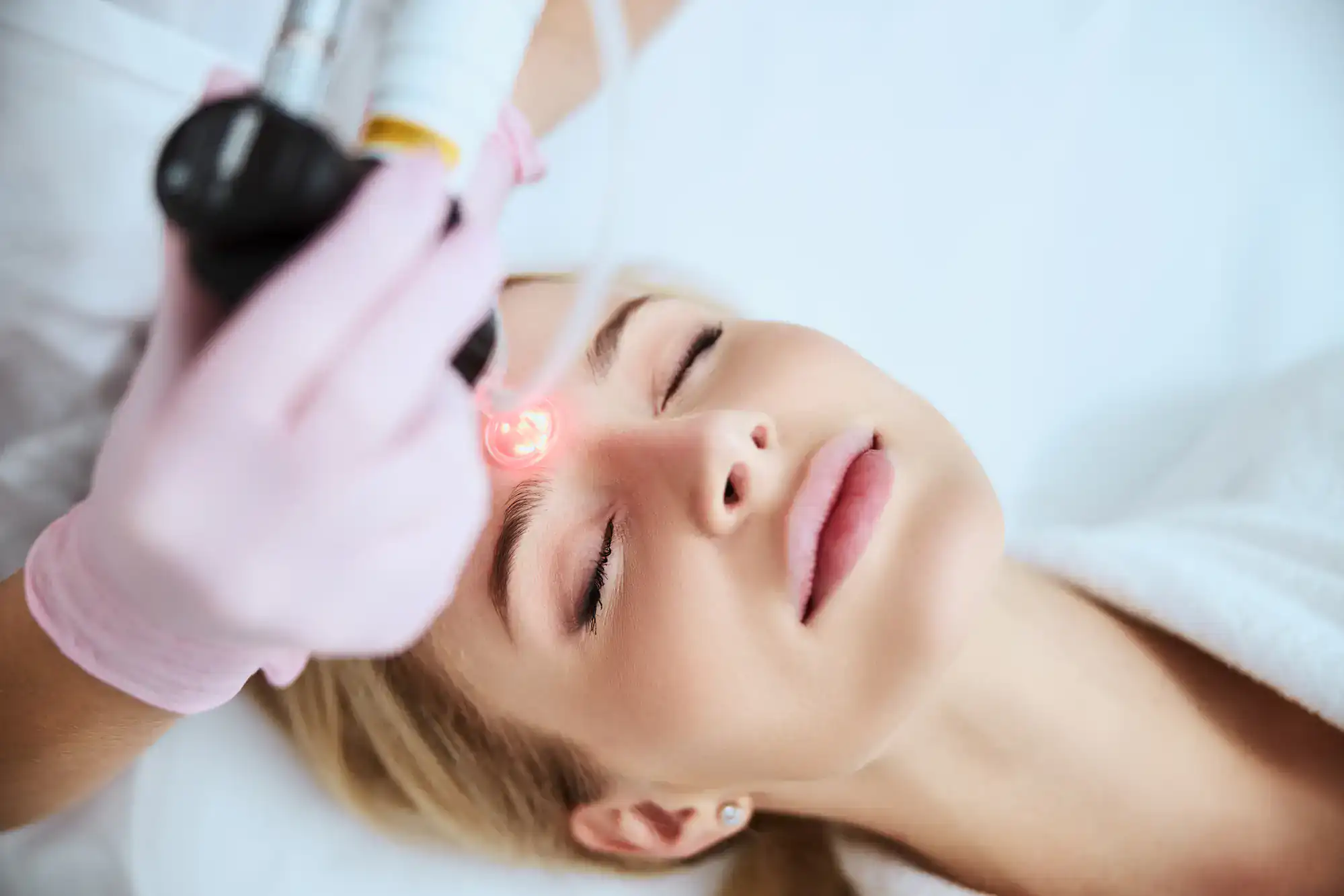
How Laser Resurfacing Works Midland Park, NJ
You start with a complimentary consultation where we evaluate your skin, discuss your medical history, and determine whether ablative or non ablative laser resurfacing makes more sense for you. Ablative treatments remove more damaged tissue and require slightly more downtime. Non-ablative options work beneath the surface with less visible peeling.
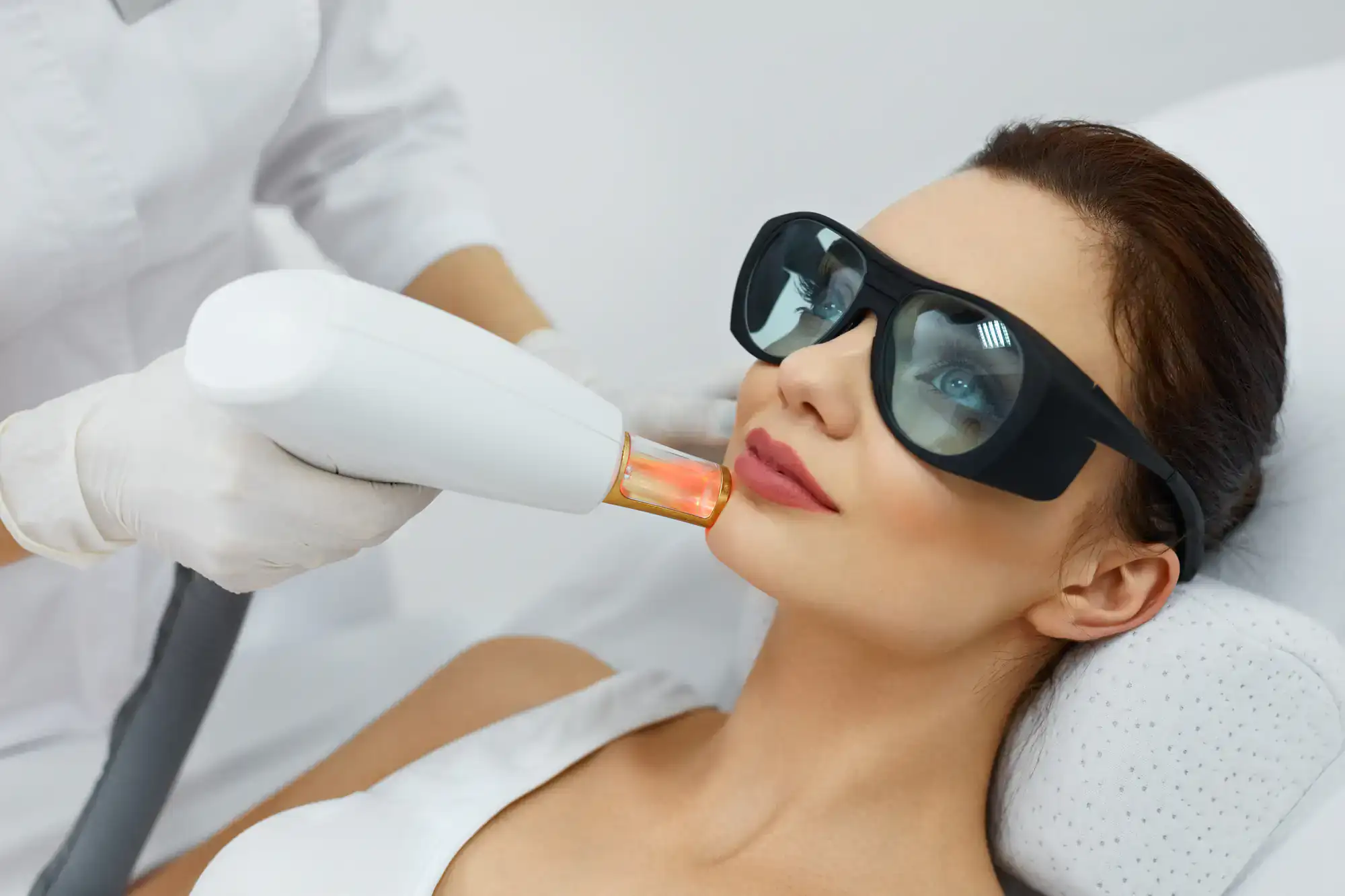
During the procedure, we apply a topical numbing agent so discomfort stays minimal. The laser passes over treatment areas in controlled pulses, removing damaged skin cells and triggering your body’s natural healing response. Most sessions take 30 to 60 minutes depending on the area being treated.
Afterward, your skin will feel tight and look pink—similar to a moderate sunburn. That fades within a few days for non-ablative treatments, or up to a week for deeper resurfacing. You’ll receive detailed aftercare instructions and medical-grade skincare to protect your results. We schedule a two-week follow-up to assess your progress and make any adjustments.
New collagen continues forming for weeks after treatment. That’s when you see the real improvement: smoother texture, reduced wrinkles, and a more even tone that holds up under natural light.
Ready to get started?
Laser Resurfacing for Wrinkles and Acne Scars
Laser resurfacing for wrinkles works by stimulating collagen production in areas where your skin has thinned or creased over time. Fine lines around the eyes, mouth, and forehead respond especially well. You’re not erasing every line—you’re softening them to a point where they’re no longer the first thing you notice.
Laser resurfacing for acne scars targets the uneven texture left behind by breakouts. Most clients with moderate scarring see significant improvement after two to three treatments spaced four to six weeks apart. Deep ice-pick scars may need additional sessions, but rolling and boxcar scars typically respond well.
Sun damage is one of the most common concerns we treat in Midland Park, NJ. UV exposure accelerates aging and creates uneven pigmentation that gets worse without intervention. Laser skin rejuvenation breaks up that damaged tissue and allows healthier skin to surface. The result is a more uniform tone that doesn’t require heavy makeup to even out.
This isn’t a temporary fix. When you protect your skin afterward with sunscreen and quality skincare, the results last. You’re investing in long-term improvement, not a quick cover-up.
Request a callback

How much downtime should I expect after laser resurfacing in Midland Park, NJ?
Downtime depends on whether you choose ablative or non ablative laser resurfacing. Non-ablative treatments typically involve redness and mild swelling for two to three days. You can return to work and normal activities almost immediately, though your skin may look slightly pink.
Ablative laser resurfacing removes more damaged tissue, so recovery takes longer—usually five to seven days. Your skin will peel as it heals, and you’ll need to avoid sun exposure and strenuous exercise during that time. Most people schedule these treatments before a long weekend or during a slower work period.
We provide detailed aftercare instructions and medical-grade products to speed healing and protect your results. The two-week follow-up lets us assess your progress and address any concerns before they become issues.
Does laser skin resurfacing hurt, or will I need anesthesia?
We apply a topical numbing cream 30 to 45 minutes before treatment, which minimizes discomfort significantly. Most people describe the sensation as a series of quick, warm snaps against the skin—not painless, but manageable without sedation.
For deeper ablative treatments, we can discuss additional numbing options if you have a low pain threshold. The procedure itself typically lasts 30 to 60 minutes depending on the treatment area, and discomfort subsides as soon as the laser stops.
Afterward, your skin will feel tight and sensitive, similar to a sunburn. We recommend over-the-counter pain relief if needed, though most clients find it unnecessary. The key is following aftercare instructions carefully—keeping your skin moisturized and protected reduces irritation and speeds healing.
How many laser resurfacing treatments will I need to see results?
That depends on what you’re treating and how deep the damage goes. Fine lines, mild sun damage, and surface-level texture issues often improve significantly after one session. You’ll see initial results within two weeks as new skin surfaces, with continued improvement over the next few months as collagen rebuilds.
Acne scars and deeper wrinkles usually require two to three treatments spaced four to six weeks apart. Each session builds on the last, gradually smoothing texture and reducing the appearance of scarring. We assess your progress at each follow-up and adjust the treatment plan based on how your skin responds.
Some clients choose annual maintenance treatments to stay ahead of new sun damage and aging. Others are satisfied after their initial series. During your complimentary consultation, we’ll give you a realistic timeline based on your specific concerns and skin type.
Can laser resurfacing treat sun damage from years of outdoor exposure?
Yes, and it’s one of the most common reasons people seek laser skin rejuvenation in Midland Park, NJ. UV exposure breaks down collagen, creates uneven pigmentation, and accelerates aging in ways that topical products can’t fully reverse.
Laser resurfacing removes the damaged outer layers where sun spots, rough texture, and discoloration accumulate. As your skin heals, fresh tissue surfaces with a more even tone and smoother texture. The treatment also stimulates collagen production deeper in the skin, which helps restore firmness and elasticity lost to sun damage.
Results are most dramatic when you commit to sun protection afterward. UV rays will continue damaging your skin if you’re not using broad-spectrum SPF daily. We’ll recommend medical-grade sunscreen and skincare products that protect your investment and keep new damage from forming.
What's the difference between ablative and non ablative laser resurfacing?
Ablative laser resurfacing removes the outer layers of skin entirely, which creates more dramatic results but requires longer recovery. It’s effective for deeper wrinkles, significant sun damage, and moderate to severe acne scarring. You’ll experience visible peeling and redness for about a week, but the improvement in texture and tone is substantial.
Non ablative laser resurfacing works beneath the surface without removing the top layer of skin. It heats the deeper tissue to stimulate collagen production while leaving the outer layer intact. Recovery is faster—usually two to three days of mild redness—but results are more gradual and may require multiple sessions for significant improvement.
During your consultation, we’ll evaluate your skin type, the severity of your concerns, and your schedule to determine which approach makes the most sense. Some clients benefit from a combination approach, using ablative treatments on areas with deeper damage and non-ablative on more delicate zones.
Is laser resurfacing safe for all skin types and tones?
Laser resurfacing can be performed safely on most skin types, but certain tones require more careful planning to avoid pigmentation issues. Darker skin tones have more melanin, which absorbs laser energy differently and increases the risk of hyperpigmentation or lightening if settings aren’t adjusted properly.
That’s why board-certified oversight matters. We evaluate your skin type using the Fitzpatrick scale and adjust laser intensity, wavelength, and treatment depth accordingly. Non ablative options are often safer for darker skin tones because they work beneath the surface without disrupting the outer layer where pigment cells are concentrated.
During your complimentary consultation, we’ll discuss your skin’s unique characteristics and recommend the safest, most effective approach for your tone. If laser resurfacing isn’t the best option, we’ll suggest alternative treatments that can achieve similar results without the risk.