Laser Resurfacing in Old Tappan, NJ
Smoother Skin Without the Guesswork or Downtime
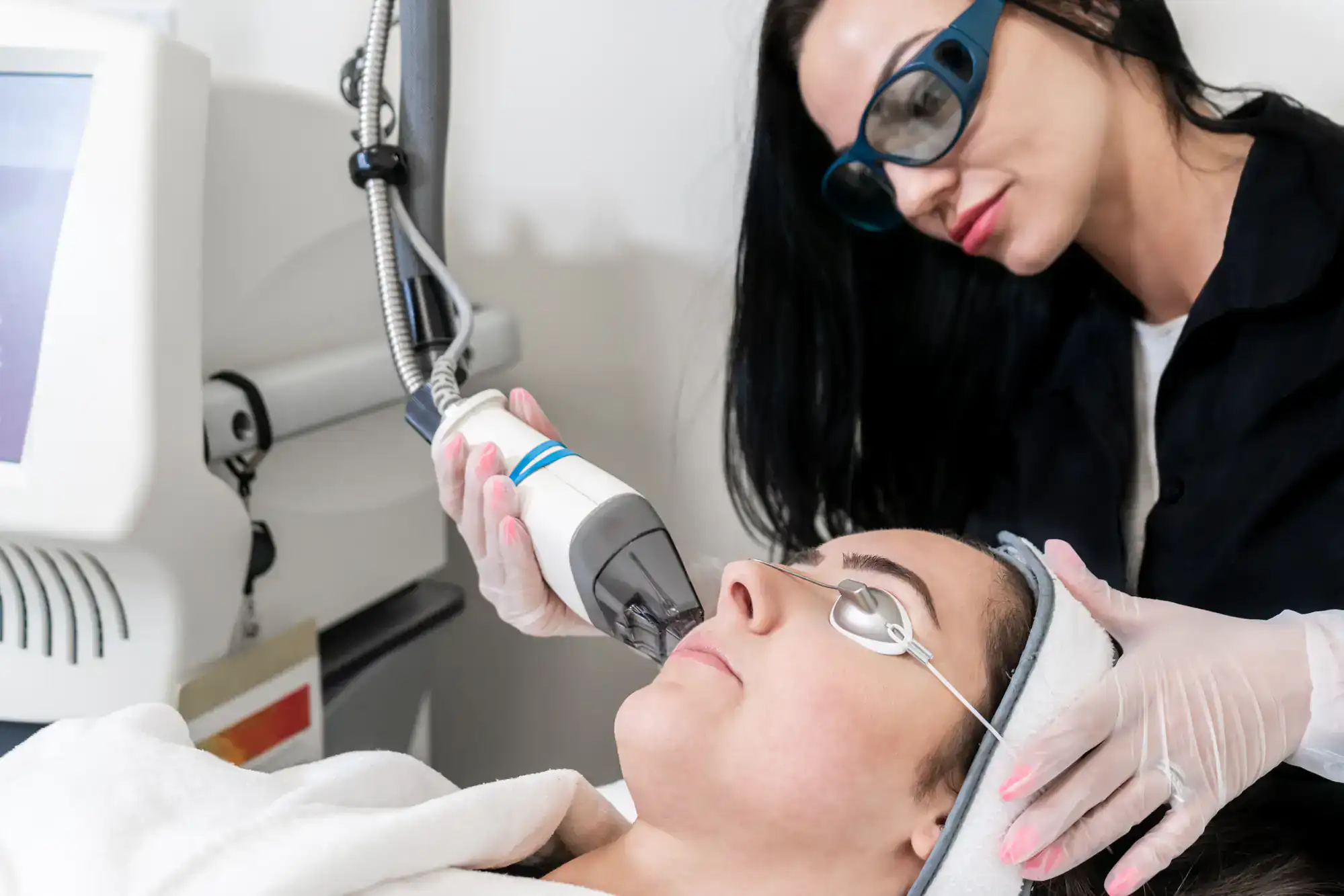
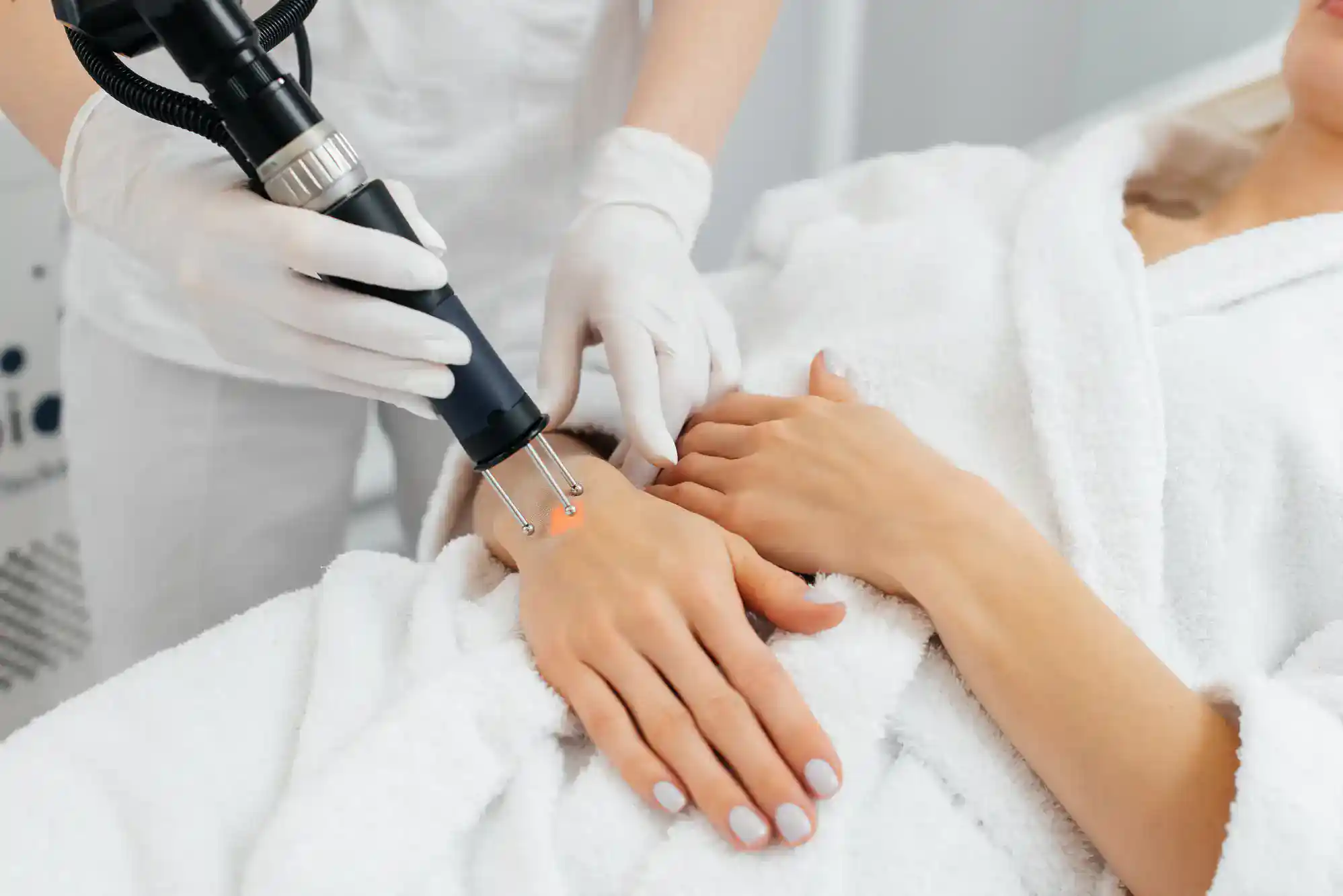
Laser Skin Resurfacing Old Tappan, NJ
You’re not looking for perfection. You want your skin to look like it’s had time to recover—from sun damage, from acne scars, from years of expression lines that don’t fade on their own anymore.
Laser resurfacing for wrinkles and texture works by creating controlled micro-injuries that trigger your body’s natural collagen production. That’s not marketing speak—it’s how fractional laser technology rebuilds skin from the inside out. The surface smooths. Fine lines soften. Scarring becomes less visible.
Most people see noticeable improvement within a few weeks, with continued results developing over two to three months as new collagen forms. You’re not frozen or filled—you just look more like the version of yourself that got enough sleep and stayed out of the sun.
This isn’t about erasing who you are. It’s about giving your skin the reset it can’t do on its own anymore.
Laser Treatment for Face Old Tappan
We operate under the oversight of a board-certified plastic surgeon, which means every laser resurfacing treatment in Old Tappan, NJ is held to a medical standard most med spas can’t match. You’re not walking into a franchise with rotating staff—you’re working with certified, licensed providers who’ve built their careers around injectables and skin rejuvenation.
We’re a platinum-level Allergan partner, a designation that requires verification, compliance, and consistent results. That status isn’t about prestige—it’s proof that we use authentic products and stay current with the latest techniques and technology.
Old Tappan residents don’t need to drive into Manhattan for this level of care. You can get laser skin rejuvenation close to home, with transparent pricing, real follow-up, and a team that knows the difference between enhancement and overdoing it.
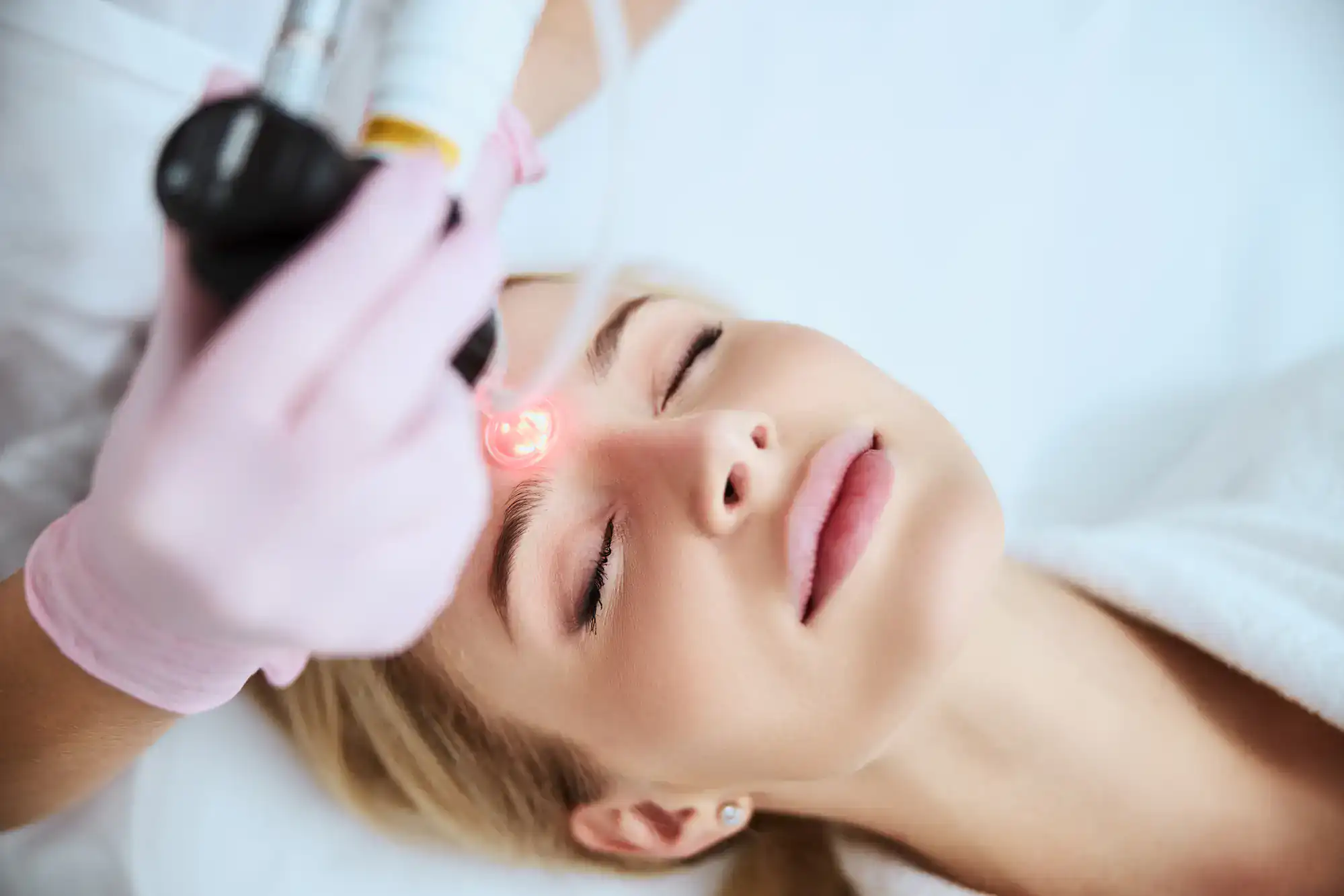
How Laser Resurfacing Works Old Tappan
You start with a complimentary consultation where we assess your skin type, concerns, and goals. Not every laser resurfacing treatment is the same—some are ablative, some are non ablative laser resurfacing, and the difference matters depending on your skin tone, sensitivity, and how much downtime you can handle.
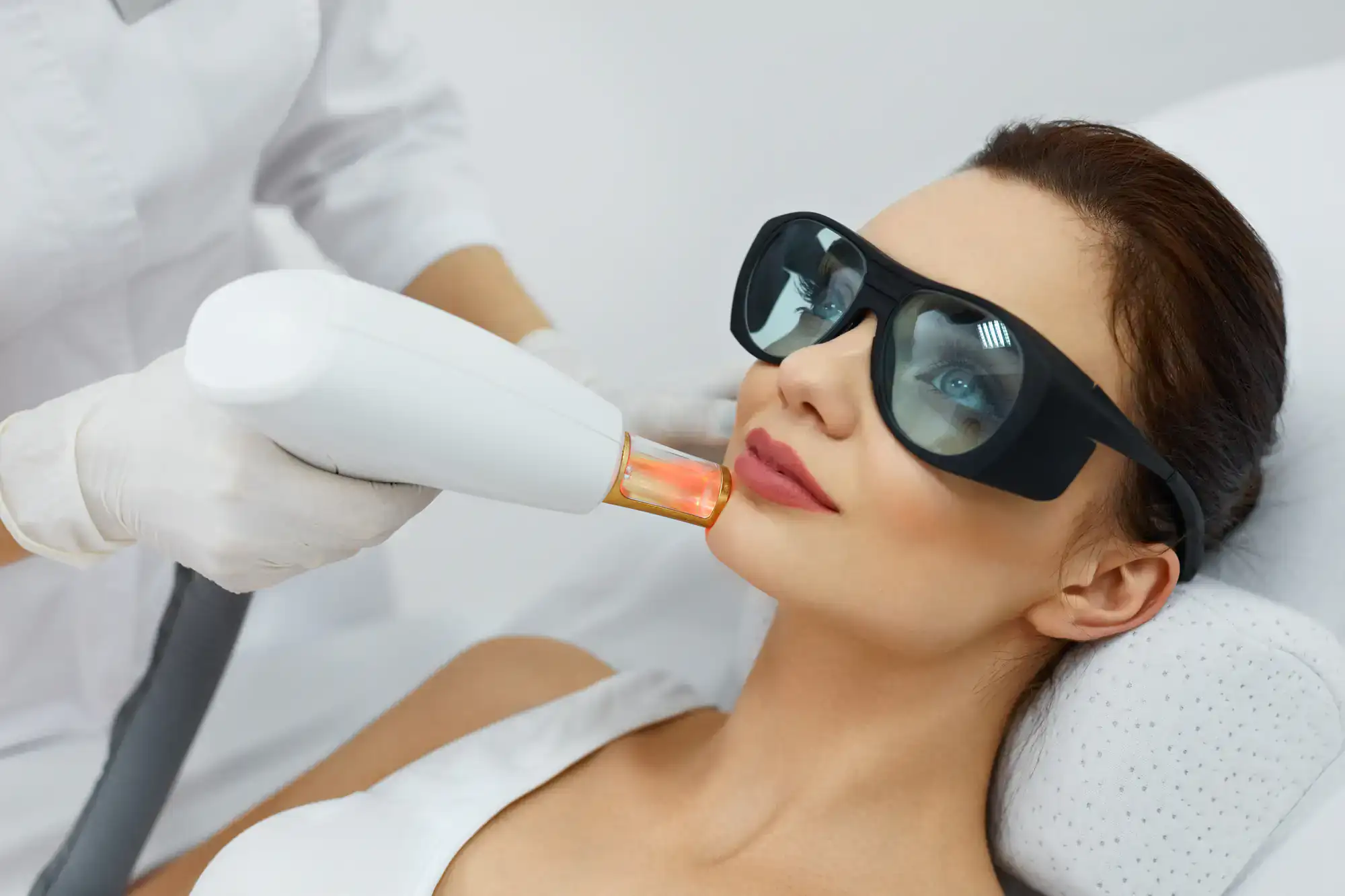
During the procedure, we use fractional laser technology to target specific areas without affecting surrounding tissue. Think of it like poking tiny, precise holes in the skin’s surface to stimulate healing and collagen growth. Most sessions take 30 to 60 minutes depending on the treatment area.
You’ll have some redness and swelling afterward—that’s normal and expected. Most people look sunburned for a few days, then start peeling as new skin comes to the surface. We give you clear aftercare instructions and medical-grade products to support healing, not just a handout you’ll forget about.
Two weeks later, you come back for a follow-up. We check your progress, answer any questions, and make adjustments if needed. You’re not left guessing whether things are going as planned.
Ready to get started?
Laser Resurfacing Near You Old Tappan
Every laser resurfacing treatment in Old Tappan, NJ includes your initial consultation, the procedure itself, post-treatment skincare guidance, and a two-week follow-up visit. If something needs adjusting, we handle it—no extra charge, no runaround.
We also integrate medical-grade skincare into your plan because laser resurfacing works better when your skin is prepped properly and protected afterward. You’ll get specific product recommendations based on your skin type, not a generic routine that works for no one.
Old Tappan’s median household income is over $140,000, and nearly 74% of adults here hold bachelor’s degrees or higher. You’re educated, you’re busy, and you’re not interested in being upsold or misled. That’s why our pricing is transparent from the start, and why we offer specialized discounts for military members, nurses, and first responders.
Bergen County residents are also dealing with the same environmental factors—sun exposure, seasonal dryness, pollution from proximity to New York City. Laser resurfacing for acne scars and sun damage addresses those specific concerns in a way that topical products simply can’t.
Request a callback

Does laser resurfacing hurt, and what does recovery actually feel like?
Most people describe the sensation during treatment as a warm, prickling feeling—not unbearable, but not exactly comfortable either. We apply a topical numbing cream beforehand to minimize discomfort, and the fractional approach means we’re not treating the entire surface at once, which makes it more tolerable.
Afterward, your skin will feel tight, hot, and sensitive, similar to a moderate sunburn. That usually peaks within the first 24 to 48 hours, then starts to calm down. You’ll notice redness and possibly some swelling, especially if we treated areas around the eyes or mouth.
The peeling phase starts around day three or four. Your skin will flake and shed as new tissue comes to the surface—don’t pick at it. Most people can return to work within five to seven days depending on treatment intensity, though some redness may linger for a couple of weeks. We give you a realistic timeline during your consultation based on the specific type of laser resurfacing you’re getting.
How many treatments will I need to see real results?
It depends on what you’re treating and how aggressive you want to be. Some people see significant improvement after one session, especially with deeper ablative treatments. Others prefer a series of lighter non ablative laser resurfacing sessions spaced a few weeks apart to minimize downtime.
For moderate wrinkles, sun damage, or texture issues, most people need one to three treatments. For deeper acne scars or more advanced skin damage, you might need more. We’re honest about that upfront—we’re not going to tell you one session will fix everything if it won’t.
Results also develop over time. You’ll see initial improvement within a few weeks, but collagen remodeling continues for two to three months after treatment. That’s when you’ll notice the most dramatic smoothing and tightening. We schedule your follow-up at the two-week mark to assess progress and determine if additional sessions make sense for your goals.
Is laser resurfacing safe for all skin tones and types?
Not all laser resurfacing treatments work the same way on all skin tones, and anyone who tells you otherwise isn’t being straight with you. Darker skin tones have a higher risk of pigmentation changes—either hyperpigmentation (darkening) or hypopigmentation (lightening)—because of how melanin responds to heat.
That’s why we assess your skin type during the consultation and choose the appropriate laser technology and settings. Non ablative fractional lasers tend to be safer for darker skin because they don’t remove the top layer of skin entirely, reducing the risk of pigment issues.
We also do a test spot if there’s any concern about how your skin will react. It’s a small area that lets us see how your skin responds before committing to a full treatment. If you’ve had issues with hyperpigmentation in the past—from acne, cuts, or other treatments—we need to know that upfront so we can adjust our approach or recommend an alternative.
What's the difference between ablative and non ablative laser resurfacing?
Ablative lasers remove the outer layer of skin entirely, which creates more dramatic results but also requires more downtime. You’re looking at a week or more of significant redness, oozing, and peeling. It’s effective for deep wrinkles, severe sun damage, and pronounced scarring, but it’s not something you do casually.
Non ablative laser resurfacing heats the underlying skin tissue without removing the surface layer. Recovery is faster—usually a few days of redness and minor peeling—but results are more gradual and you may need multiple sessions. It’s a better option if you can’t take a full week off or if your skin concerns are moderate rather than severe.
Fractional technology falls into both categories depending on the specific laser used. Fractional means the laser treats a fraction of the skin’s surface in a pattern, leaving untreated areas in between that speed up healing. It’s become the standard approach because it balances effectiveness with tolerability better than older full-field lasers.
How much does laser resurfacing cost in Old Tappan, NJ?
Pricing varies based on the type of laser used, the size of the treatment area, and how many sessions you need. A single session for a smaller area like around the eyes might run a few hundred dollars, while full-face treatments with more aggressive technology can cost several thousand.
We give you exact pricing during your complimentary consultation after we’ve assessed your skin and discussed your goals. There are no hidden fees, and we don’t upsell you on treatments you don’t need. If a less expensive option will get you the results you want, we’ll tell you.
We also offer specialized discounts for military members, nurses, and first responders, and we participate in the Allē rewards program if you’re already earning points through other Allergan treatments. Payment plans may be available depending on the total cost—we’d rather you get the treatment done right than skip it or go somewhere cheaper that cuts corners.
Can I combine laser resurfacing with Botox or fillers?
Yes, but timing matters. Laser resurfacing works on skin texture, tone, and surface-level concerns like fine lines and scars. Botox addresses dynamic wrinkles caused by muscle movement, and fillers restore volume loss. They’re complementary treatments, not competing ones.
Most providers recommend spacing them out by at least two weeks to avoid complications. If you’re getting laser resurfacing first, your skin needs time to heal before we introduce injectables. If you’ve recently had Botox or fillers, we need to make sure the laser won’t interfere with how those products settle or perform.
During your consultation, we’ll map out a treatment plan that makes sense for your goals and timeline. A lot of our clients in Old Tappan, NJ use laser skin rejuvenation as part of a broader approach that includes injectables and medical-grade skincare. It’s not about doing everything at once—it’s about doing the right things in the right order so you actually get the results you’re after.