Laser Resurfacing in Fort Lee, NJ
Smoother Skin Without the Guesswork or Downtime
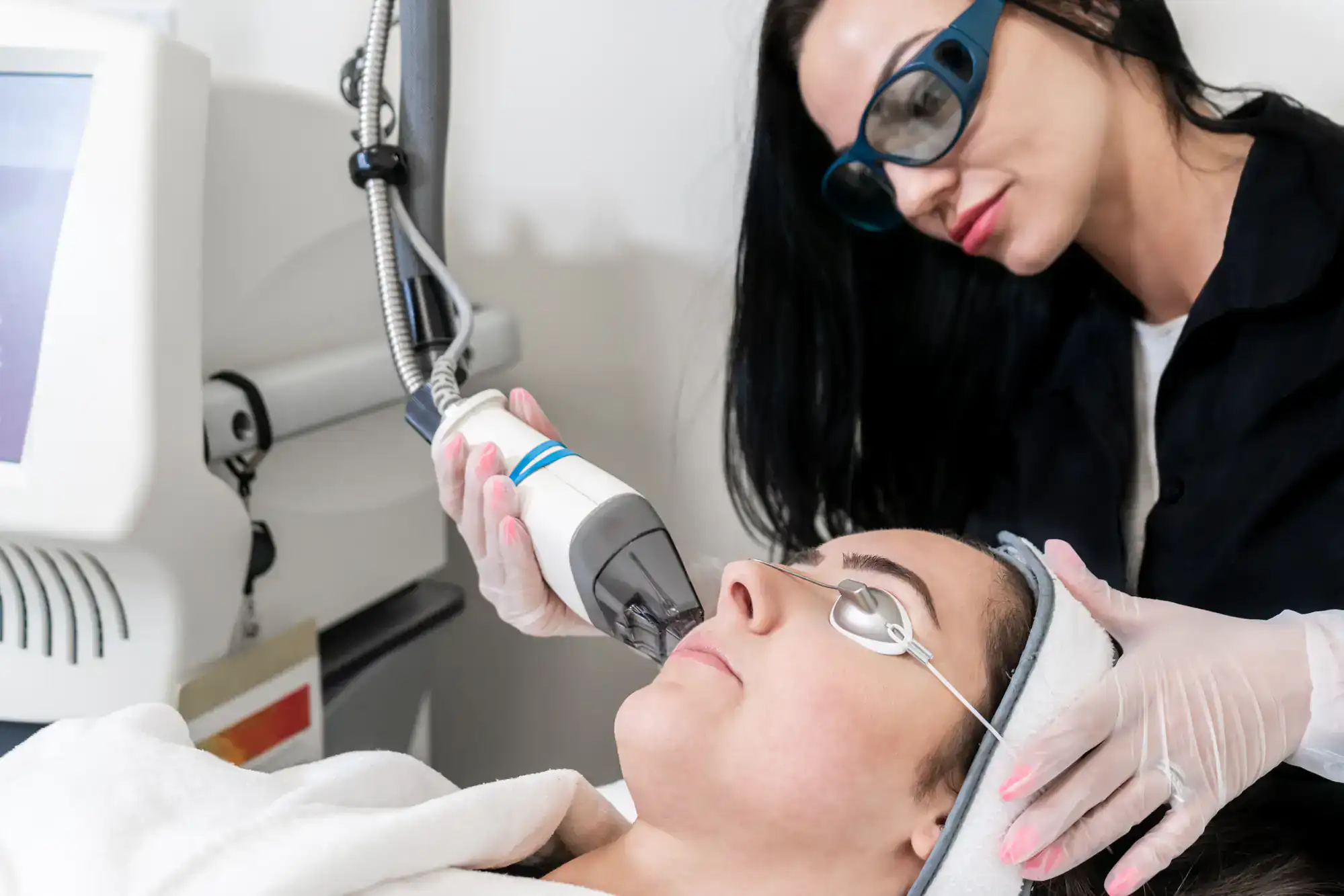
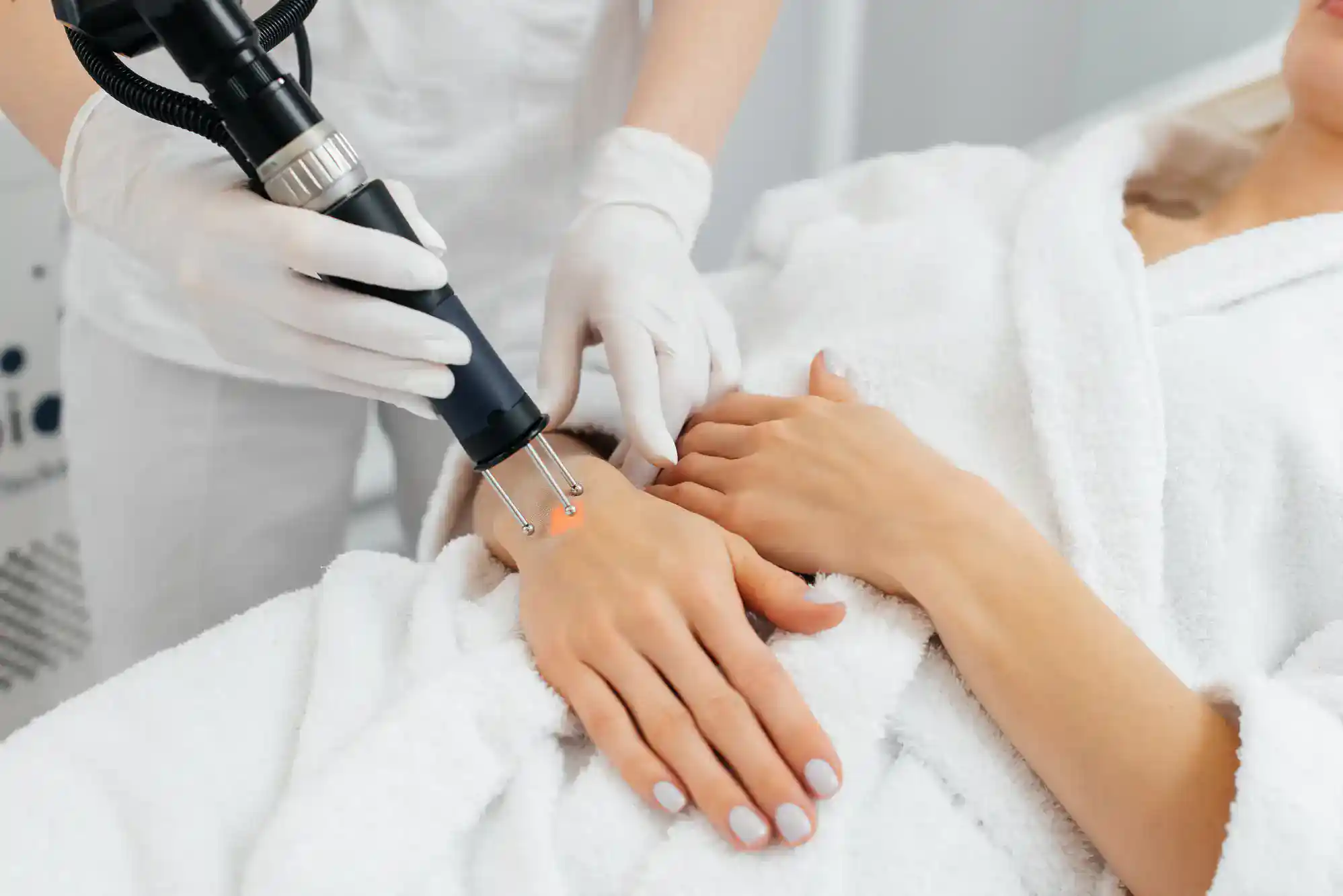
Laser Skin Resurfacing Fort Lee NJ
Your skincare routine can only do so much. When fine lines, acne scars, or uneven tone won’t budge with serums and creams, laser resurfacing for wrinkles and scarring in Fort Lee addresses what topical products can’t reach.
Laser treatment for face concerns works by stimulating collagen deep in your skin. That means smoother texture, reduced lines, and more even tone that develops over weeks and lasts for years. You’re not covering up the problem—you’re changing the skin itself.
Most people return to work the next day after non ablative laser resurfacing. Redness fades within a few days. The results show up gradually as your skin rebuilds, and they don’t disappear after a month like a facial would.
If you’ve been dealing with visible signs of aging or scarring that make you feel older than you are, this is the treatment that actually makes a difference. Not temporarily. Not on the surface. Where it counts.
Board-Certified Laser Resurfacing Near You
House of Ness is a med spa in Fort Lee, NJ, led by a Board-Certified Plastic Surgeon and staffed by licensed, certified injectors. That means you’re getting medical-grade laser skin rejuvenation from people who understand facial anatomy, skin science, and how to match the right treatment to your specific concerns.
Fort Lee sits right across from Manhattan, which means your skin deals with pollution, stress, and environmental damage on top of normal aging. We factor that in when we build your treatment plan during your complimentary consultation.
You’ll meet with your provider one-on-one in a lounge-like setting with no wait times and no pressure. We explain what laser resurfacing for acne scars or wrinkles will actually do for your skin, what the recovery looks like, and whether it’s the right fit. Then we follow up two weeks later to make sure you’re healing well and getting the results you came for.
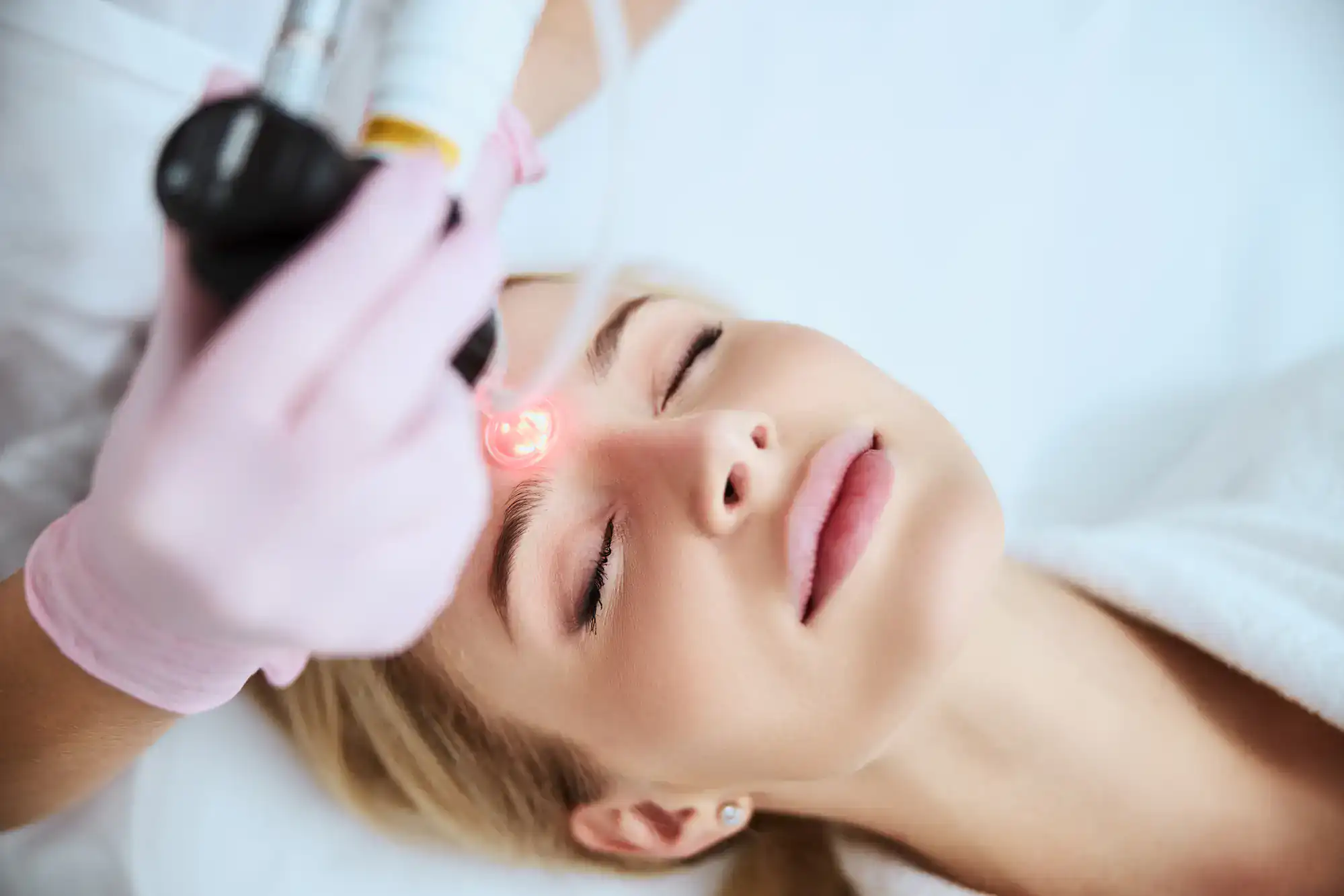
How Laser Treatment for Face Works
You start with a free consultation where we assess your skin type, concerns, and goals. We’ll talk through whether ablative or non ablative laser resurfacing makes sense for you. Ablative lasers remove the outer layer of skin for deeper resurfacing. Non-ablative lasers work below the surface to stimulate collagen without damaging the top layer—less downtime, gentler results.
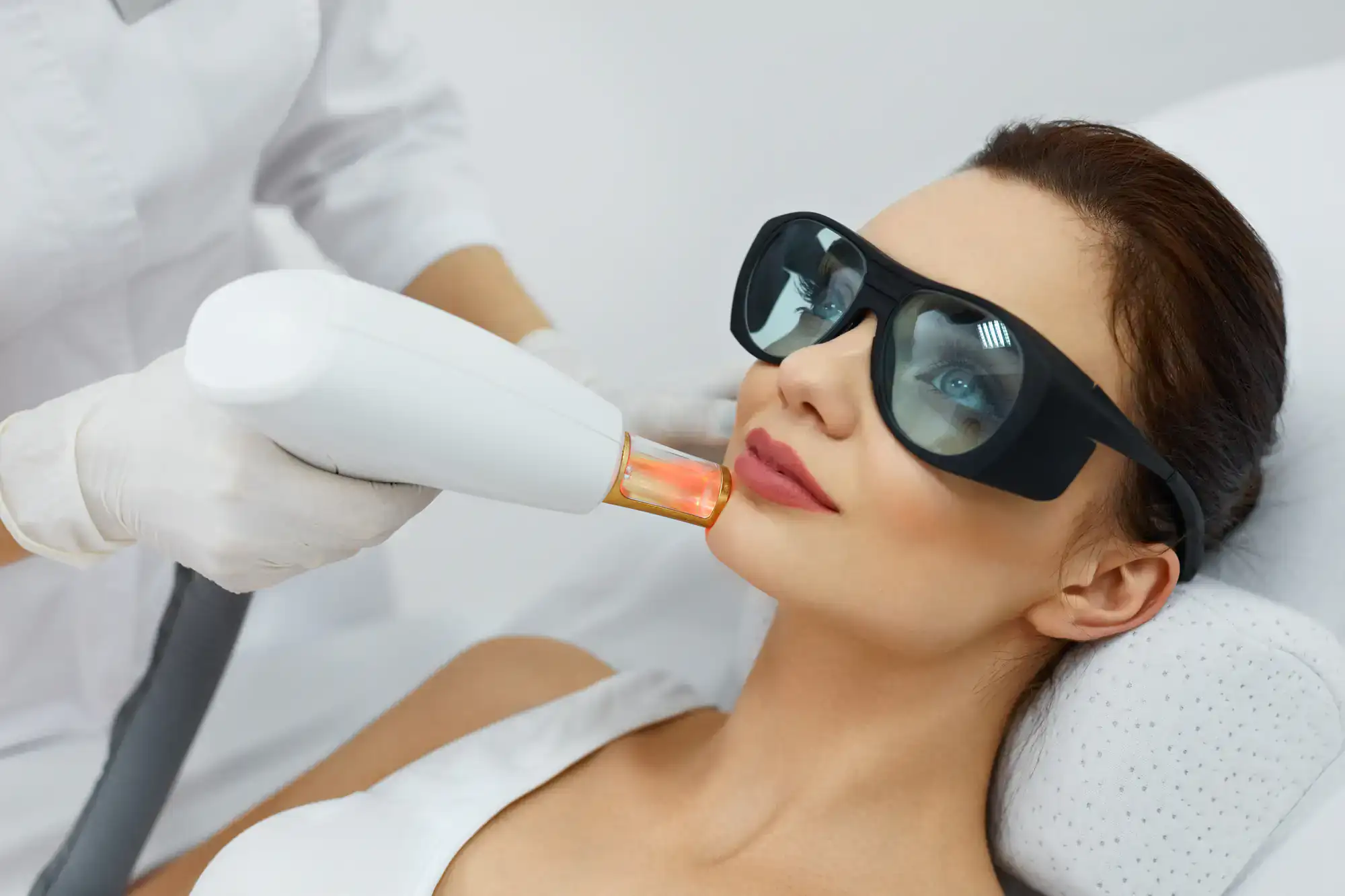
On treatment day, we cleanse your skin and apply a topical numbing cream. The laser is passed over the treatment area in controlled pulses. You’ll feel warmth and some tingling, but it’s not painful. The session usually takes 30 to 60 minutes depending on the size of the area.
Right after, your skin will be red and may feel like a sunburn. That’s normal. We send you home with aftercare instructions and medical-grade skincare to support healing. Most people see mild redness for one to three days with non-ablative treatments. Ablative treatments may involve a week of peeling and downtime.
Results start showing up around two weeks in and continue improving for months as collagen rebuilds. You’ll notice smoother texture, fewer visible lines, and more even skin tone. We schedule a two-week follow-up to check your progress and address any questions.
Ready to get started?
Laser Resurfacing for Acne Scars Fort Lee
Laser resurfacing in Fort Lee, NJ works for a range of skin concerns that don’t respond to over-the-counter products. Fine lines and wrinkles around the eyes, mouth, and forehead smooth out as collagen production ramps up. Acne scars—especially rolling or boxcar scars—become less visible as the skin resurfaces and evens out.
Sun damage and age spots fade with treatment because the laser targets pigment irregularities. If you’ve spent years near the water or commuting into the city, your skin shows it. Laser skin rejuvenation helps reverse that damage at a cellular level.
We also treat uneven texture, enlarged pores, and dullness that make your skin look tired or older than you feel. Because Fort Lee clients often deal with pollution-related skin stress, we combine laser treatments with medical-grade skincare regimens to protect and maintain your results long-term.
You’re not locked into one type of laser. We use multiple systems depending on your skin type, concern, and how much downtime you can handle. Some clients combine laser resurfacing with Botox or fillers for a full rejuvenation approach. We’ll map that out during your consultation based on what you actually need—not what we want to sell you.
Request a callback

How long does it take to see results from laser resurfacing?
You’ll notice initial changes within two weeks, but full results develop over three to six months as your skin produces new collagen. That’s not a delay—it’s how the treatment works. The laser triggers your body’s natural healing response, and collagen doesn’t rebuild overnight.
Right after treatment, your skin will look red and feel sensitive. That fades within days for non-ablative treatments. Once the redness clears, you’ll start seeing smoother texture and more even tone. The improvements keep building as collagen fills in lines, scars, and areas of damage.
Most people see their best results around the three-month mark. If you’re treating deeper wrinkles or significant scarring, we may recommend a series of treatments spaced a few weeks apart. Each session builds on the last, and the results are cumulative. This isn’t a quick fix, but it’s a lasting one—most clients enjoy results for several years before considering a maintenance session.
What's the difference between ablative and non-ablative laser resurfacing?
Ablative lasers remove the outer layer of skin to treat deeper wrinkles, scars, and sun damage. They’re more aggressive, which means better results for severe concerns—but also more downtime. Expect about a week of redness, peeling, and sensitivity. You’ll need to stay out of the sun and follow a strict aftercare routine.
Non ablative laser resurfacing works below the surface without removing skin. It heats the deeper layers to stimulate collagen production, which improves texture, tone, and fine lines over time. Recovery is much easier—usually one to three days of mild redness. You can get back to work and normal activities faster.
Which one is right for you depends on your skin type, the severity of your concerns, and how much downtime you can handle. During your consultation in Fort Lee, we’ll assess your skin and walk through both options. If you have active acne, very dark skin, or certain medical conditions, non-ablative may be the safer choice. If you want maximum correction and can take a week off, ablative delivers stronger results. We don’t push you toward the more expensive option—we recommend what actually fits your life and goals.
Does laser resurfacing hurt, and what does recovery look like?
Most people describe the sensation as warm tingling or light snapping against the skin. We apply a topical numbing cream before treatment, so discomfort is minimal. You’re not going to be in pain during the session—it’s more uncomfortable than painful, and it’s over in under an hour.
After treatment, your skin will feel like a sunburn. Redness and sensitivity are normal and expected. Non-ablative treatments usually involve one to three days of mild redness. You can cover it with makeup after the first day if needed. Ablative treatments cause more intense redness and peeling for about a week. Your skin will flake as it heals—don’t pick at it.
We give you specific aftercare instructions and medical-grade products to support healing. You’ll need to avoid sun exposure, skip harsh skincare products, and keep your skin moisturized. Most clients return to work the day after non-ablative laser resurfacing in Fort Lee. For ablative treatments, plan for a week at home. We check in with you at the two-week mark to make sure everything is healing as expected and answer any concerns that come up.
How much does laser resurfacing cost in Fort Lee, NJ?
Pricing depends on the type of laser, the size of the treatment area, and how many sessions you need. Non-ablative treatments generally cost less than ablative because they’re less intensive. A single session for a smaller area like around the eyes will cost less than full-face resurfacing.
We give you transparent pricing during your free consultation—no surprises, no hidden fees. You’ll know exactly what you’re paying for and why. If you’re combining laser skin resurfacing with other treatments like Botox or fillers, we can bundle those into a comprehensive plan that makes sense for your budget.
House of Ness offers discounts for new clients, military members, nurses, and first responders. We also participate in the Allē rewards program, which lets you earn points on treatments and apply them toward future services. If cost is a concern, we’ll work with you to prioritize what will give you the most visible improvement first. You’re not locked into a package you don’t need. We build a plan around what you actually want to address and what you’re comfortable investing.
Can laser resurfacing treat acne scars and hyperpigmentation?
Yes. Laser resurfacing for acne scars in Fort Lee is one of the most effective treatments for rolling, boxcar, and shallow ice pick scars. The laser removes damaged skin and stimulates collagen production, which fills in depressed areas and smooths out texture. You won’t see scars disappear overnight, but they become significantly less visible over a few months.
Hyperpigmentation—dark spots from sun damage, melasma, or post-inflammatory marks—also responds well to laser treatment. The laser targets excess pigment in the skin and breaks it up so your body can clear it naturally. You’ll notice dark spots fading and your overall tone evening out as your skin heals.
If you have active acne, we’ll need to get that under control before treating scars. Lasering over active breakouts can make things worse. We may recommend a combination approach: medical-grade skincare to calm inflammation first, then laser resurfacing once your skin is clear. For deeper scars or stubborn pigmentation, a series of treatments spaced a few weeks apart usually delivers the best results. We’ll map that out during your consultation based on your specific skin concerns and history.
Is there anyone who shouldn't get laser resurfacing?
Laser resurfacing isn’t right for everyone. If you have active acne, skin infections, or open wounds in the treatment area, we’ll need to wait until those clear up. Lasering over compromised skin can lead to scarring or infection.
People with very dark skin tones need to be cautious with certain types of lasers, especially ablative ones. There’s a higher risk of hyperpigmentation or uneven tone after treatment. Non-ablative options are usually safer, but we assess your skin carefully during the consultation to make sure we’re using the right technology for your skin type.
If you’re pregnant, breastfeeding, or taking certain medications like Accutane, laser resurfacing isn’t recommended. Accutane thins the skin and slows healing, which increases the risk of complications. You’ll need to be off it for at least six months before treatment. We also avoid treating clients with autoimmune conditions or keloid scarring tendencies, since healing can be unpredictable. During your consultation at House of Ness in Fort Lee, we’ll review your medical history and skin type to determine whether laser treatment is safe and effective for you. If it’s not the right fit, we’ll recommend alternatives that will work better.