Laser Resurfacing in River Edge, NJ
Smoother Skin Without the Guesswork or Downtime
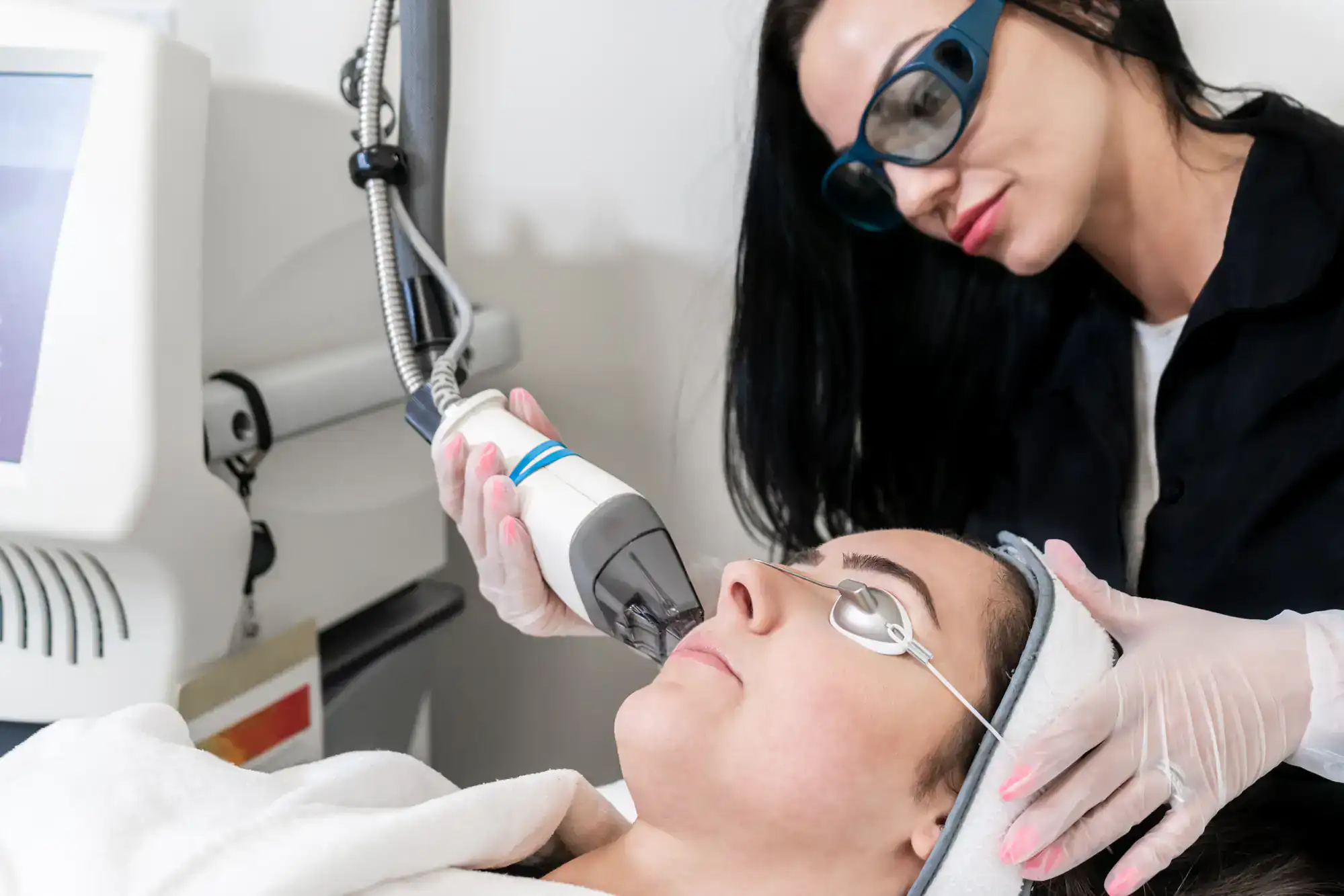
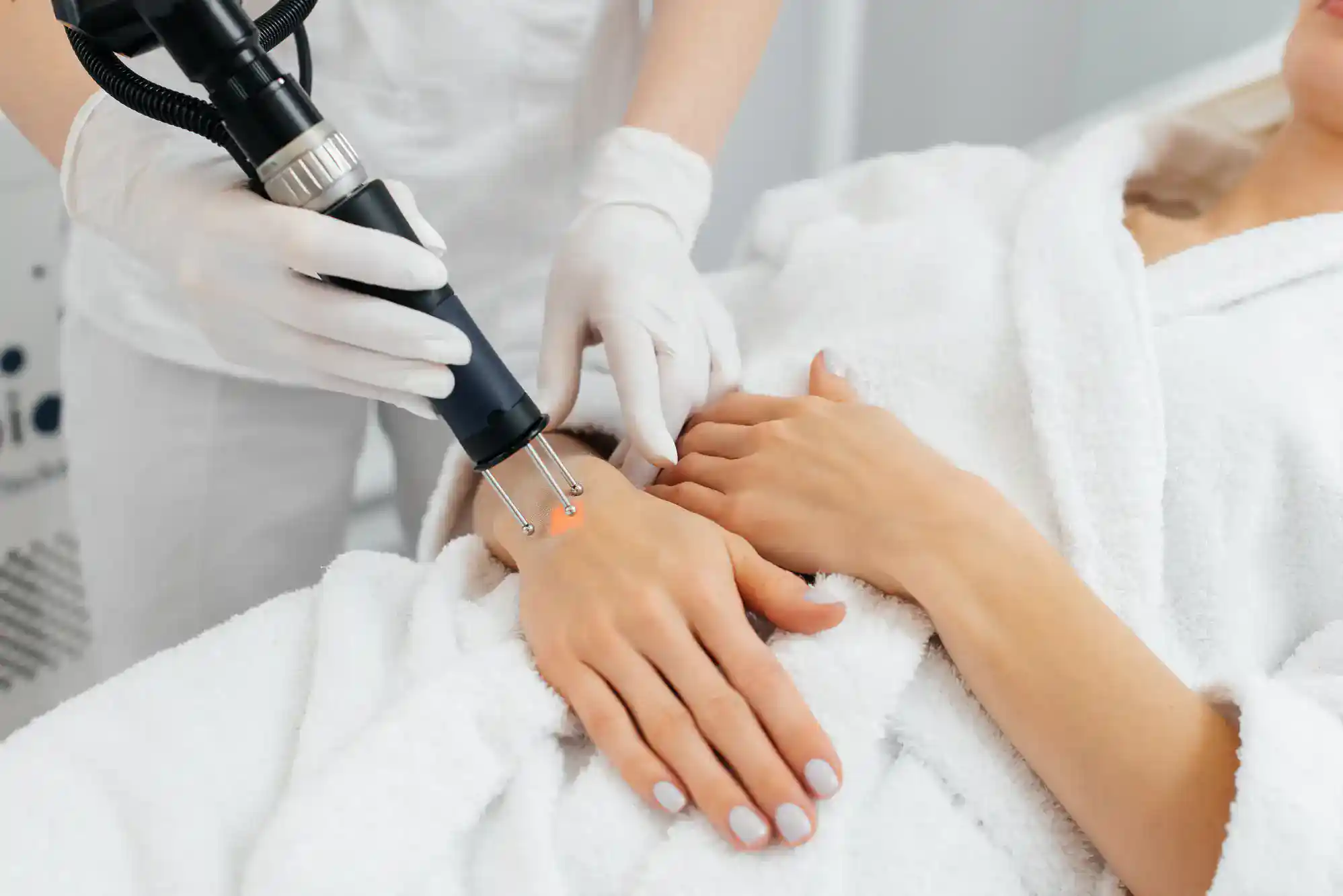
Laser Skin Resurfacing River Edge
You’re not looking for perfection. You want your skin to look refreshed, even-toned, and like you’ve been taking better care of yourself—without anyone asking if you “had something done.”
Laser skin resurfacing in River Edge, NJ addresses the things that bother you most: fine lines around your eyes and mouth, acne scars that won’t fade on their own, sun damage that’s accumulated over the years, and uneven texture that makeup can’t fix. The treatment works by stimulating your skin’s natural collagen-building process, which means improvements continue developing for weeks after your appointment.
Most people see noticeable changes after one or two sessions. Your skin tone becomes more uniform. Texture smooths out. Those deeper lines soften. And because we use fractional laser technology, you’re not facing the extended recovery that older methods required.
You’ll return to your normal routine within a few days, not weeks. The results last for years, not months. And you won’t need frequent appointments to maintain what you’ve achieved.
Board-Certified Laser Treatment River Edge
We’re led by a board-certified plastic surgeon, which means your laser treatment for face concerns isn’t being performed by someone who took a weekend certification course. Our injectors are licensed, certified, and trained in advanced techniques that prioritize safety alongside results.
We’re a platinum-level Allergan partner, which isn’t just a badge—it reflects our commitment to using FDA-approved technology and authentic products. You’ll meet with us for a complimentary consultation where we review your medical history, assess your skin concerns, and build a treatment plan that makes sense for your goals and your schedule.
River Edge residents appreciate that we’re accessible without the Manhattan price markup, yet we maintain the same clinical standards you’d expect from a top-tier practice. We’ve built our reputation on transparency, minimal wait times, and follow-up care that includes a two-week check-in to ensure you’re healing as expected.
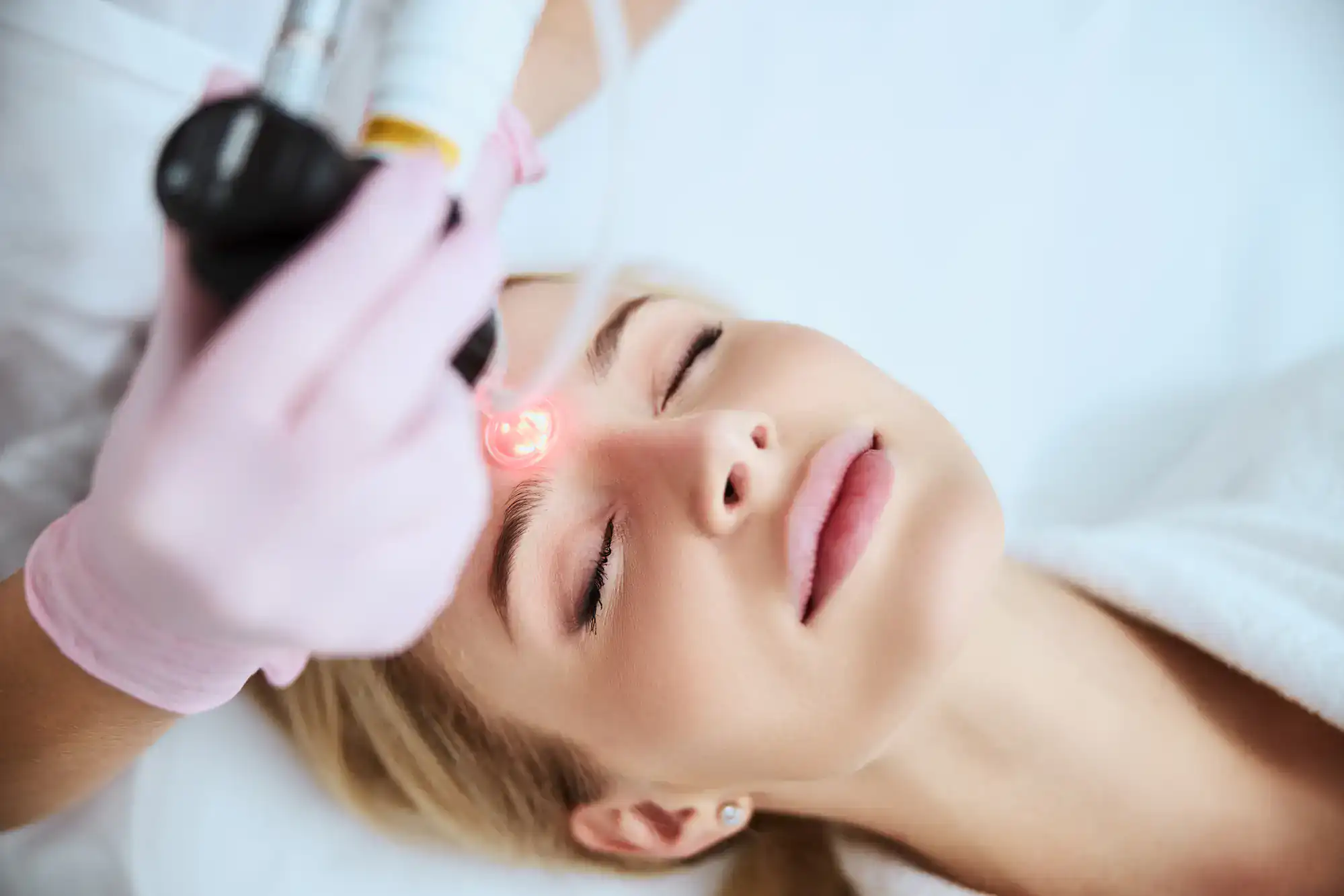
Laser Resurfacing Process River Edge
Your appointment starts with a consultation where we discuss what’s bothering you and what you’re hoping to achieve. We’ll examine your skin type, review any previous treatments, and determine whether laser skin rejuvenation is the right approach or if another option makes more sense for your situation.
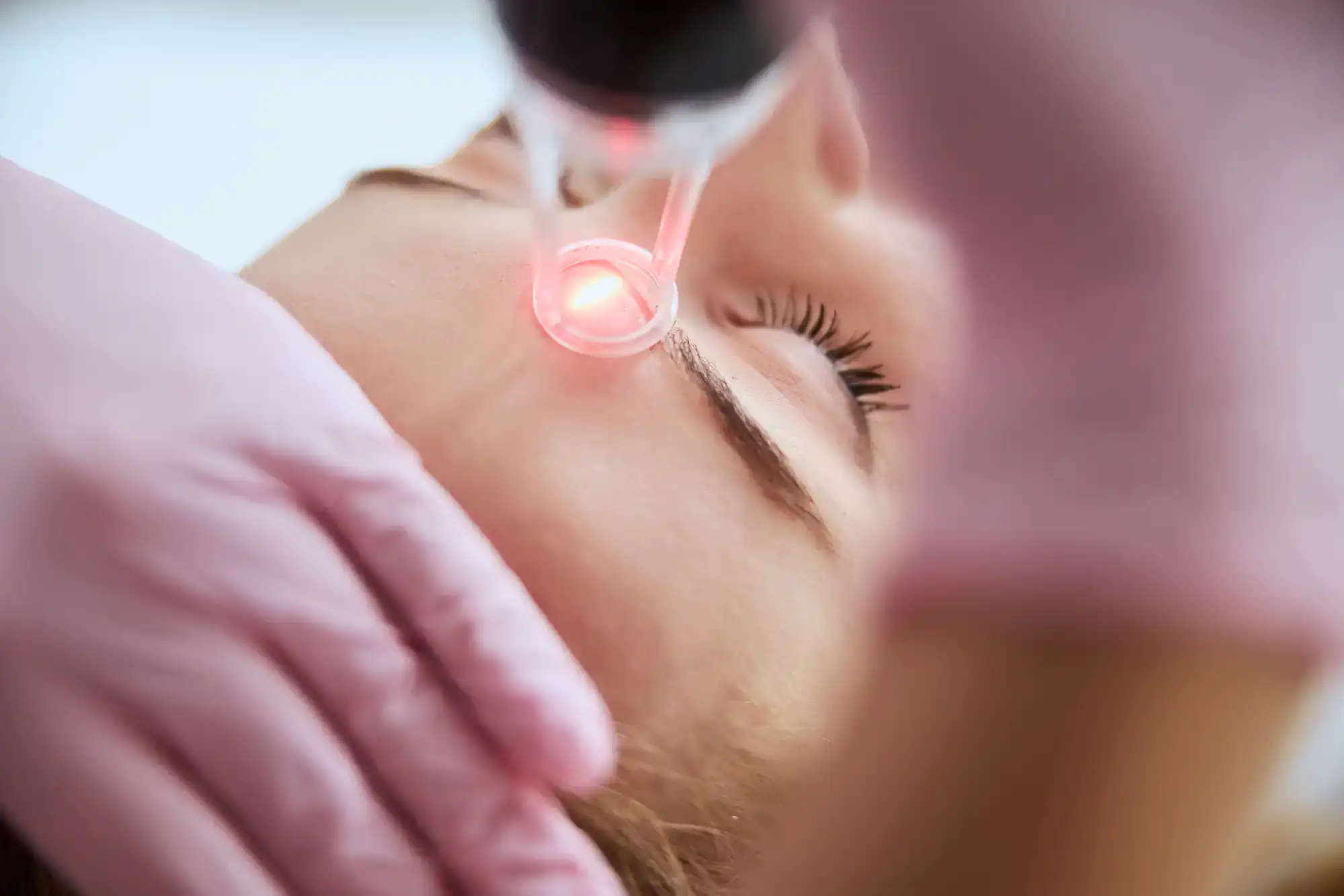
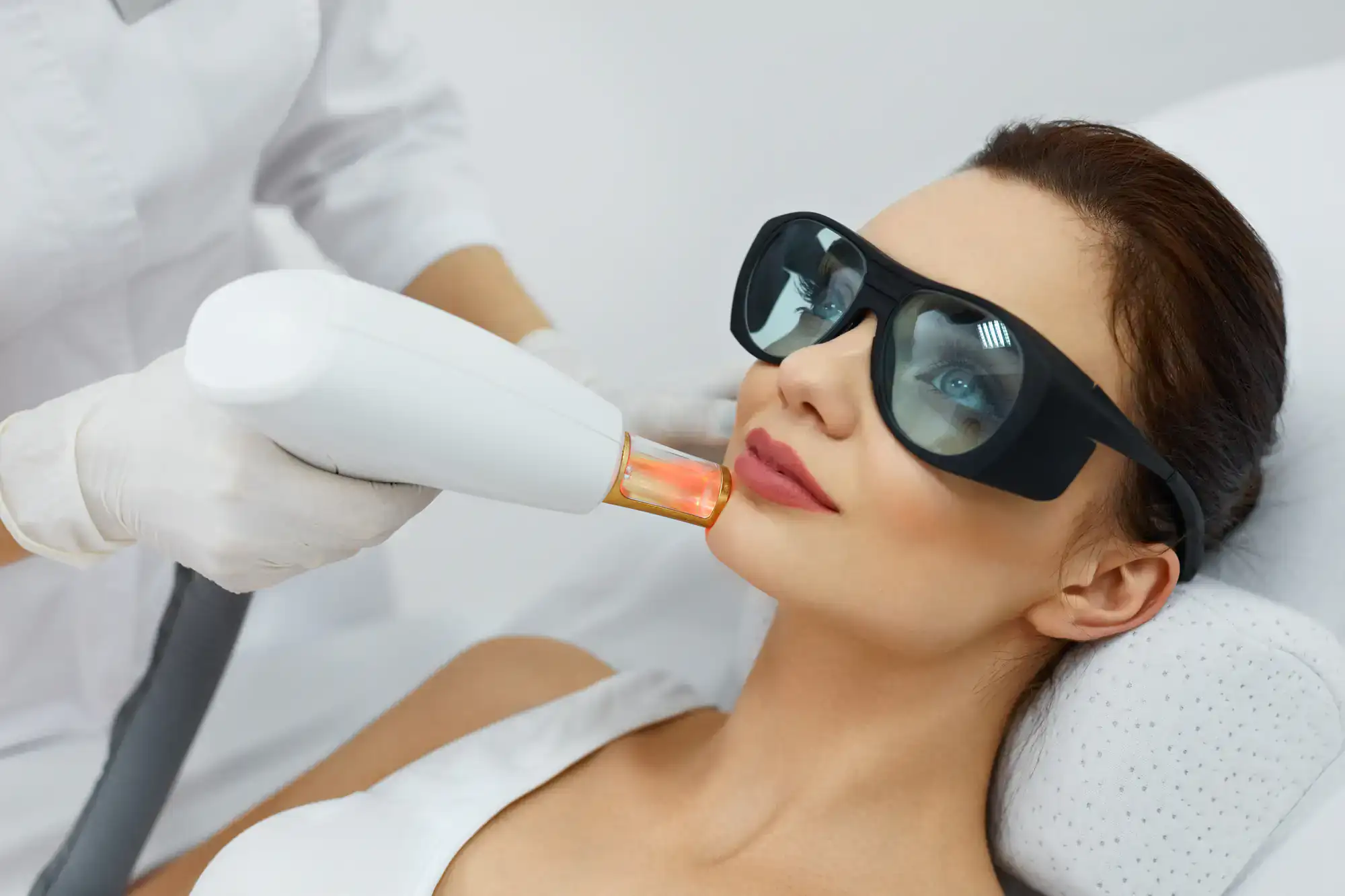
On treatment day, we apply a topical anesthetic to keep you comfortable. The laser itself delivers controlled energy to your skin in a fractional pattern, which means it treats targeted areas while leaving surrounding tissue intact. This approach speeds up healing and reduces your downtime compared to older ablative methods. The session typically lasts 30 to 60 minutes depending on the areas we’re treating.
Immediately after, your skin will feel warm and look pink—similar to a moderate sunburn. That’s normal and temporary. Most people experience redness for two to five days, with some flaking as your skin renews itself. You’ll follow a simple aftercare routine using gentle cleansers and moisturizers we recommend.
Within a week, you’ll start seeing improvements in texture and tone. But the real changes happen over the next three to six months as your collagen production ramps up. We’ll see you again at the two-week mark to assess your progress and address any questions.
Ready to get started?
Laser Resurfacing for Wrinkles River Edge
Laser resurfacing for wrinkles in River Edge, NJ works on the concerns that topical products can’t fully resolve. Fine lines around your eyes, mouth, and forehead respond well because the treatment stimulates deeper layers of skin where collagen lives.
If you’re dealing with acne scars, laser resurfacing for acne scars breaks down scar tissue and encourages your skin to rebuild smoother, more even texture. Sun damage—including age spots, uneven pigmentation, and rough patches—fades as the laser targets damaged cells and promotes healthy skin turnover.
Non ablative laser resurfacing is an option if you want gentler treatment with even less downtime. It heats the deeper layers of your skin without removing the surface, which means faster recovery but often requires more sessions to achieve comparable results. We’ll discuss which approach makes sense based on your skin type, your schedule, and how aggressive you want to be with treatment.
River Edge has a median age of 42, and many of our clients are balancing professional careers with family responsibilities. You don’t have time for lengthy recoveries, and you don’t want results that look overdone. That’s exactly what this treatment delivers—noticeable improvement that fits into a busy life without requiring you to hide at home for weeks.
Request a callback

How much does laser resurfacing near me in River Edge typically cost?
Pricing depends on the size of the area you’re treating and how many sessions you’ll need to reach your goals. Smaller zones like around the eyes or mouth cost less than full-face treatment. Most people invest between $1,000 and $3,000 per session.
If you need multiple treatments—which is common for deeper acne scars or more advanced sun damage—we’ll map that out during your consultation so you know what to expect upfront. We don’t believe in surprise costs or upselling you on things you don’t need.
We also offer specialized discounts for military, nurses, and first responders, plus a loyalty program that rewards ongoing care. And because we participate in the Allē rewards program, you can earn points on your treatments that apply toward future appointments. Transparent pricing matters, especially when you’re making a financial commitment to your appearance.
Will laser skin resurfacing hurt, and how bad is the downtime?
We use topical anesthetics and cooling systems to keep you comfortable during the procedure. Most people describe the sensation as warm tingling or light snapping against the skin—not painful, but not completely unnoticeable either. It’s tolerable, and the treatment itself only lasts 30 to 60 minutes.
Downtime varies based on the intensity of your treatment. With fractional lasers, you’re typically looking at two to five days of redness and some flaking as your skin heals. You can go back to work and regular activities within that window, though you’ll want to avoid heavy exercise, direct sun exposure, and anything that causes excessive sweating for about a week.
Non ablative options offer even gentler recovery—sometimes just a day or two of mild redness—but you may need more sessions to see the same level of improvement. We’ll help you weigh those trade-offs based on your timeline and how much downtime you can realistically manage. The key is setting accurate expectations so you’re not caught off guard by the healing process.
How long before I actually see results from laser treatment for face concerns?
You’ll notice some immediate improvement in texture and tone within the first week as your skin heals and the surface layer renews. But the real transformation happens over the next three to six months as your body ramps up collagen production in response to the treatment.
That timeline surprises people who expect instant results. Laser resurfacing isn’t like Botox, where you see changes within days. It’s a regenerative process that takes time because your skin is literally rebuilding itself from the inside out.
Most clients see their best results around the three-month mark, with continued subtle improvements for up to six months. Once you reach that point, the effects last for years—not indefinitely, because your skin continues aging, but you won’t need frequent maintenance to hold onto what you’ve achieved. One or two sessions typically deliver long-lasting change, which is why this treatment offers better value than options requiring monthly upkeep.
Is laser resurfacing safe for all skin types and tones?
Modern fractional lasers are safe for a wide range of skin types, but certain tones require extra caution to avoid post-inflammatory hyperpigmentation or hypopigmentation—basically, dark spots or light spots that can develop after treatment. That’s why working with a board-certified provider matters.
During your consultation, we assess your skin type using the Fitzpatrick scale, which categorizes skin based on how it responds to UV exposure and treatments. If you have darker skin, we may adjust the laser settings, recommend non ablative laser resurfacing, or suggest alternative treatments that carry less risk of pigmentation changes.
We also review your medical history to identify anything that could complicate healing—like active acne, certain medications, or a history of keloid scarring. The goal is to give you results without creating new problems. If laser resurfacing isn’t the right fit for your skin, we’ll tell you that upfront and recommend what will work better. Your safety and satisfaction matter more than booking another appointment.
Can I combine laser skin rejuvenation with other treatments like Botox or fillers?
Yes, and many people do. Laser resurfacing addresses texture, tone, and fine lines by stimulating collagen and resurfacing the skin. Botox relaxes the muscles that cause dynamic wrinkles, and fillers restore volume in areas that have hollowed over time. They work on different concerns, which is why combining them often delivers more complete rejuvenation.
Timing matters, though. We typically recommend spacing treatments appropriately so your skin isn’t overwhelmed. For example, you might do Botox or fillers a few weeks before or after your laser session, depending on what areas we’re treating and how your skin responds.
Because we specialize in injectables and advanced aesthetic treatments, we can coordinate a comprehensive plan that addresses everything you’re concerned about—without requiring you to visit multiple providers or piece together your own treatment schedule. We’ll map out the most effective sequence during your consultation, so you’re not guessing about what to do when.
What should I avoid before and after my laser resurfacing appointment?
Before your treatment, avoid direct sun exposure and tanning for at least two weeks. If you’ve been using retinoids or other exfoliating products, we’ll ask you to stop those about a week prior because they can make your skin more sensitive. You should also avoid blood-thinning medications like aspirin or ibuprofen unless medically necessary, as they can increase bruising.
After your session, your skin will be more vulnerable while it heals. Stay out of direct sunlight and wear a broad-spectrum SPF 30 or higher whenever you’re outside—even on cloudy days. Avoid hot showers, saunas, steam rooms, and intense workouts for about a week because heat and sweat can irritate healing skin.
Stick to gentle, fragrance-free cleansers and moisturizers. Don’t pick at any flaking or peeling—that’s your skin renewing itself, and interfering with the process can lead to scarring or uneven healing. We’ll give you a detailed aftercare plan and check in with you at the two-week mark to make sure everything is progressing as expected. Following these guidelines makes a significant difference in both your comfort and your final results.