Chemical Peel in Annadale, NY
Clearer Skin Without the Guesswork or Downtime
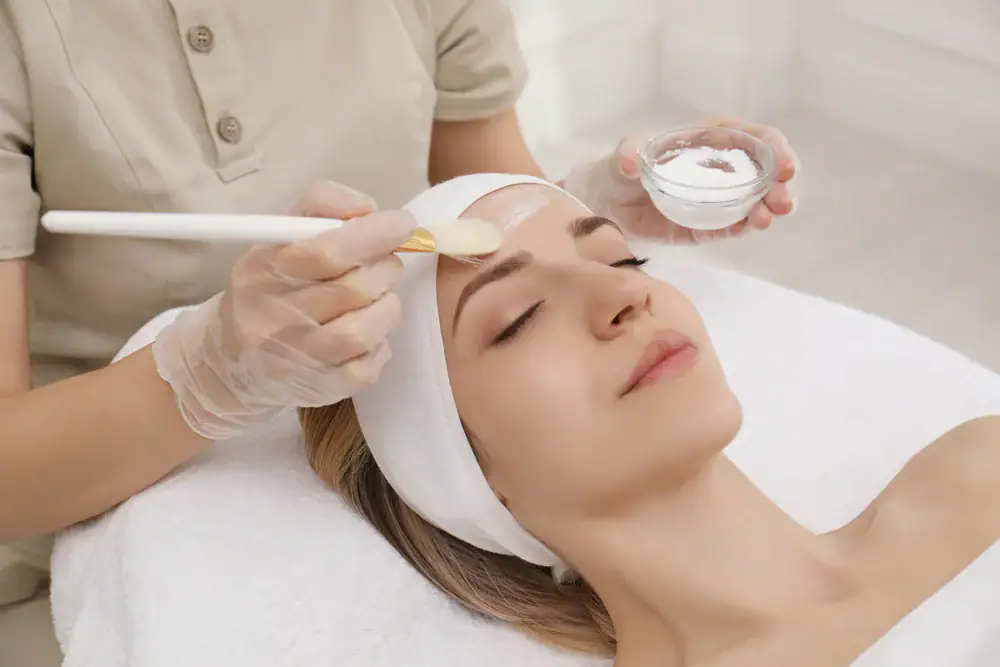
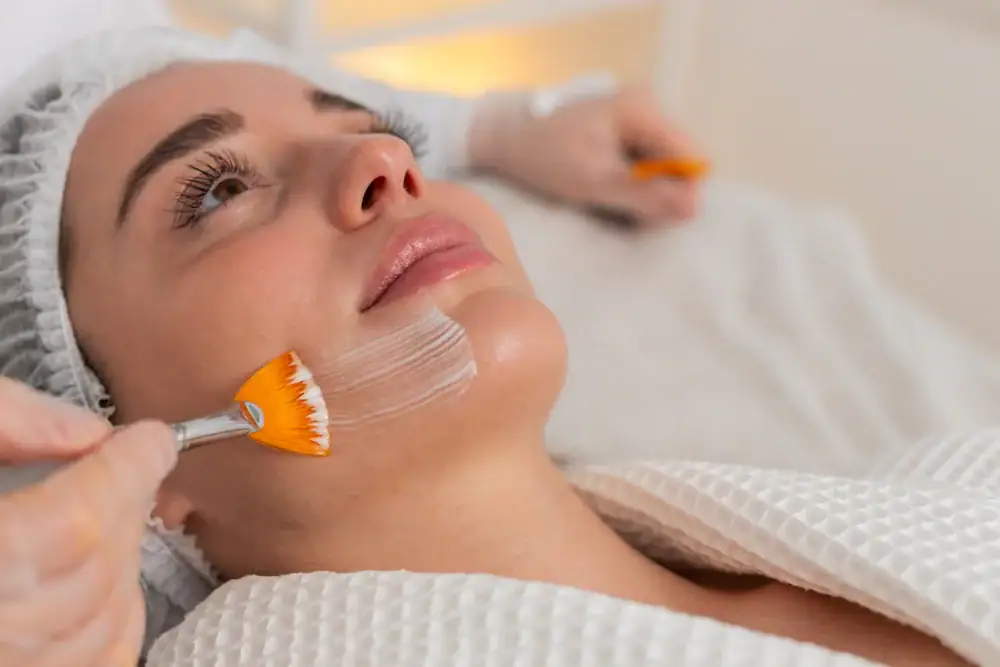
Best Chemical Peel in Annadale, NY
Your skin sheds the damaged outer layer. What grows back is smoother, more even, and noticeably brighter.
If you’re dealing with acne scars, sun damage, melasma, or fine lines, a chemical face peel breaks down that buildup and triggers fresh collagen production. The result isn’t just cosmetic—it’s structural.
You’ll see improvements in texture within days. Hyperpigmentation fades over the following weeks. And because your skin is resurfaced, the serums and treatments you use afterward actually absorb better.
This isn’t a temporary glow. It’s a reset that makes everything else you do for your skin work harder.
Face Peeling Treatment Annadale, NY
House of Ness is led by a Board-Certified Plastic Surgeon and staffed by certified, licensed injectors who’ve spent years working alongside top NYC plastic surgeons. Every chemical skin peel in Annadale, NY starts with a complimentary consultation where your skin is assessed and your treatment is customized.
You’re not walking into a high-volume clinic. You’re getting one-on-one attention in a space that feels more like a lounge than a medical office. No long waits. No upselling. Just transparent pricing and a team that knows how to match your skin type with the right peel depth.
Annadale residents come here because they want expertise without the Manhattan commute. And because they know a platinum-level Allergan partner doesn’t cut corners on product quality or safety protocols.
Chemical Skin Peel Process Annadale, NY
You start with a consultation. Your skin is evaluated, your goals are discussed, and the right peel type is chosen based on your concerns and how much downtime you can handle.
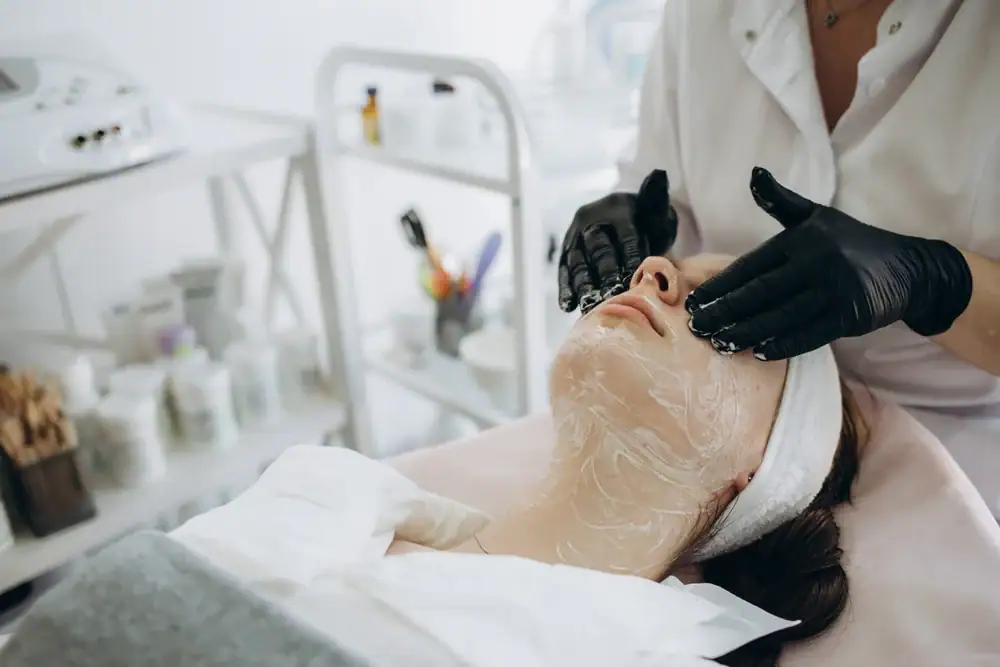
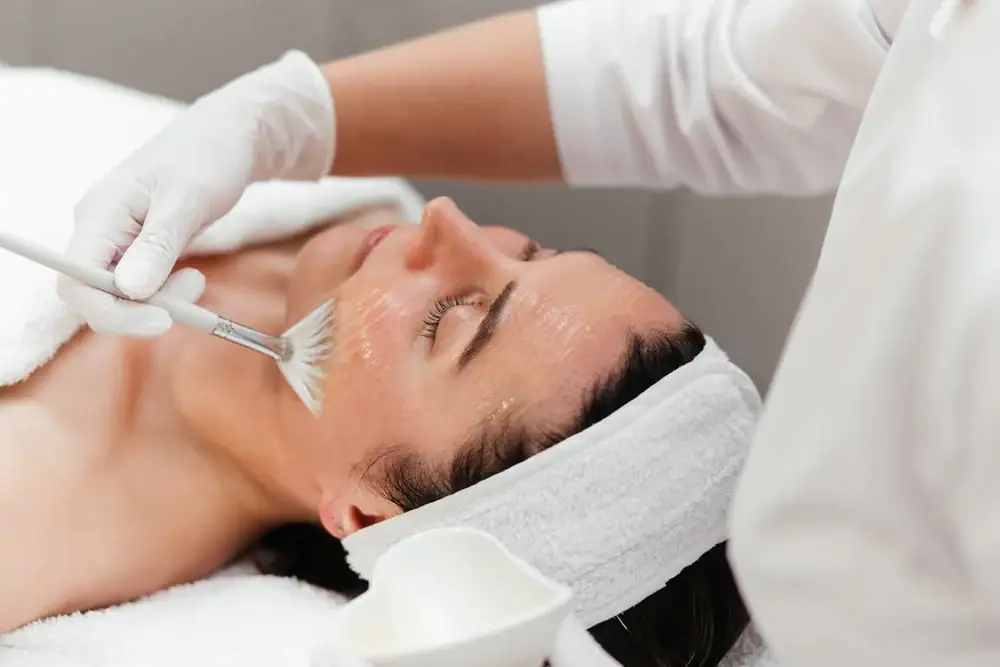
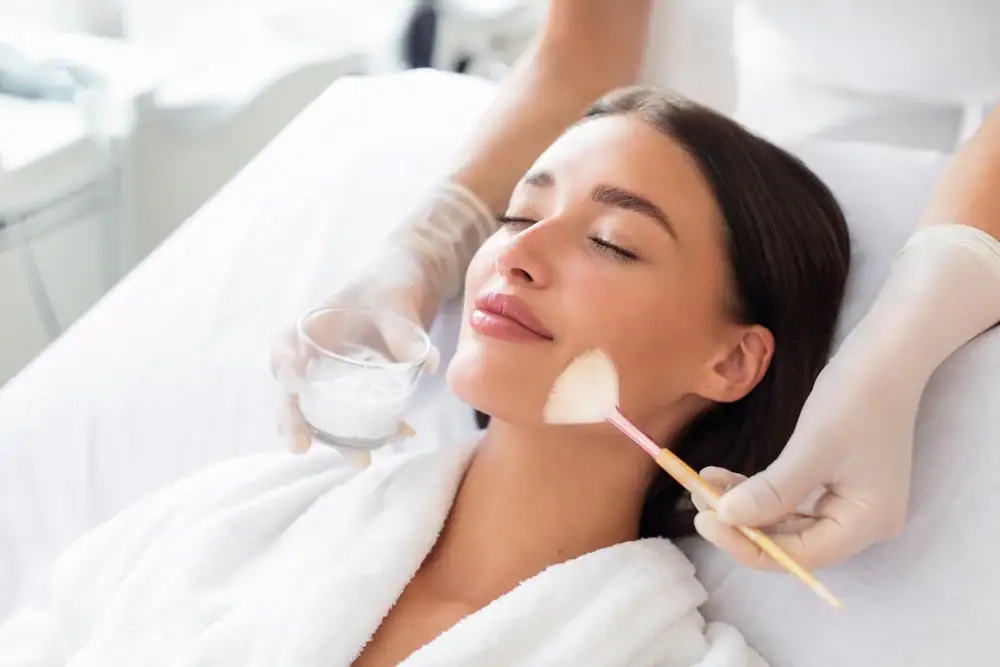
On treatment day, your skin is prepped and cleansed. The chemical solution is applied evenly across the treatment area. You’ll feel a mild tingling or warmth—that’s the peel working. The entire application takes under 30 minutes.
Over the next few days, your skin will start to peel or flake. That’s dead skin shedding. Don’t pick at it. Let it happen naturally.
Two weeks later, you come back for a follow-up. We assess your results and provide a touch-up if needed. You also get guidance on how to care for your new skin and what products will keep it looking its best.
The process is straightforward. The results aren’t.
Ready to get started?
Glycolic Chemical Peel Annadale, NY
Every glycolic chemical peel in Annadale, NY includes a complimentary consultation, the treatment itself, and a two-week follow-up with touch-up if needed. You’re also walked through a customized aftercare plan that includes medical-grade skincare recommendations to protect and extend your results.
Annadale’s coastal climate means your skin is exposed to salt air, humidity, and UV year-round. That accelerates sun damage and uneven pigmentation—two of the most common reasons people seek out face peeling treatment in Annadale, NY. A chemical peel addresses both, but only if it’s paired with the right post-treatment regimen.
You’ll also get access to the Allē rewards program as a platinum-level Allergan partner client. That means points on treatments, exclusive offers, and discounts that stack with our existing programs for new clients, military, nurses, and first responders.
This isn’t just a peel. It’s a full skin reset with professional oversight at every step.
Request a callback

How do I know which chemical peel is right for my skin type?
It depends on what you’re treating and how much downtime you can handle. Light peels like glycolic or lactic acid are great for surface-level concerns—dullness, mild acne, fine lines. They require minimal recovery and can be done regularly.
Medium peels using trichloroacetic acid (TCA) go deeper. They’re better for moderate sun damage, acne scars, and uneven pigmentation. Expect a few days of visible peeling and redness.
Deep peels aren’t commonly done anymore, and they’re not recommended for darker skin tones due to the risk of hypopigmentation. Most people get the results they want with light to medium peels, especially when treatments are spaced out over time.
During your consultation, we’ll assess your skin type, your concerns, and your schedule. That’s how the right peel gets chosen—not by guessing, but by matching your skin’s needs with the right solution.
What should I expect during recovery after a chemical face peel?
For the first few hours, your skin will feel tight and warm, like a sunburn. That fades by the end of the day. Redness is normal and can last anywhere from a few hours to a few days depending on peel depth.
Peeling usually starts around day three. Your skin will flake or shed in patches. Don’t pick at it, don’t scrub it, and don’t use active ingredients like retinol or acids until you’re cleared to do so. Let the process happen on its own.
You’ll need to avoid direct sun exposure and wear SPF 30 or higher every day—even indoors. Your new skin is more vulnerable to UV damage, and skipping sunscreen can lead to hyperpigmentation or uneven tone.
Most people are back to normal activities within a week. If you had a deeper peel, expect closer to 10 days. Your two-week follow-up is when we assess your results and make sure your skin is healing the way it should.
Can a chemical peel help with acne scars and hyperpigmentation?
Yes, but the type of peel matters. Salicylic acid peels are particularly effective for acne because they penetrate pores, reduce oil production, and calm inflammation. They also help fade post-inflammatory hyperpigmentation left behind by breakouts.
For deeper acne scars, a medium-depth peel like TCA or a Jessner peel can improve texture by resurfacing the skin and stimulating collagen production. You won’t see scars disappear completely, but you will see smoother, less noticeable scarring over a series of treatments.
Hyperpigmentation from sun damage or melasma responds well to peels that target melanin production. Glycolic and lactic acid peels help lighten dark spots by accelerating cell turnover and evening out skin tone.
If you have darker skin, we’ll choose a peel carefully to avoid triggering post-inflammatory hyperpigmentation. That’s why board-certified oversight matters—it’s not just about applying a solution, it’s about knowing how your skin will react and adjusting accordingly.
How long do results from a chemical peel actually last?
Light peels give you a glow that lasts a few weeks. If you’re using them to maintain clear skin or brightness, you’ll want to repeat them every 4-6 weeks.
Medium peels deliver longer-lasting results—anywhere from 3-6 months depending on your skin type and how well you protect your skin afterward. Sun exposure, smoking, and skipping skincare will all shorten that window.
Deep peels can last years, but they’re rarely done anymore due to the risks and recovery time. Most people get better long-term results by doing a series of medium peels spaced out over several months.
The key to making results last is what you do after the peel. Medical-grade skincare, consistent SPF, and avoiding habits that damage your skin will extend your results significantly. That’s why every treatment at House of Ness includes an aftercare plan—not just the peel itself.
Is a non surgical chemical peel safe for sensitive or darker skin tones?
It can be, but it requires the right peel, the right strength, and the right provider. Darker skin tones have higher melanin levels, which means there’s a greater risk of post-inflammatory hyperpigmentation if the peel is too aggressive or applied incorrectly.
Light peels with lower concentrations of glycolic or lactic acid are generally safe for sensitive and darker skin. Salicylic acid peels are also well-tolerated because they’re lipid-soluble and less likely to cause irritation.
Medium and deep peels carry more risk. TCA peels can be used on darker skin, but only at lower concentrations and with careful monitoring. Deep phenol peels are not recommended for darker skin tones due to the high risk of permanent lightening.
If you have sensitive skin, we’ll do a patch test or start with a lower concentration to see how your skin reacts. At House of Ness, every chemical peel is customized based on your skin type, tone, and tolerance. That’s how you get results without the risk.
What's the difference between an at-home peel and a professional treatment?
Strength and supervision. At-home peels are formulated at much lower concentrations—usually under 10% for glycolic acid and under 2% for salicylic acid. They’re designed to be safe for unsupervised use, but that also means they’re less effective.
Professional peels use higher concentrations and are applied by licensed providers who know how to assess your skin, apply the solution evenly, and monitor your reaction in real time. That’s how you get deeper, more consistent results without damaging your skin.
At-home peels can help maintain your skin between professional treatments, but they won’t give you the same level of resurfacing or correction. If you’re dealing with acne scars, hyperpigmentation, or significant sun damage, you need a professional-grade chemical peel.
The other difference is safety. A licensed provider knows how to neutralize a peel if your skin reacts poorly, how to avoid over-treating certain areas, and how to customize the treatment based on your skin’s unique needs. That’s not something you can replicate at home, no matter how many YouTube tutorials you watch.