Chemical Peel in Grasmere, NY
Smooth, Even Skin Without the Guesswork
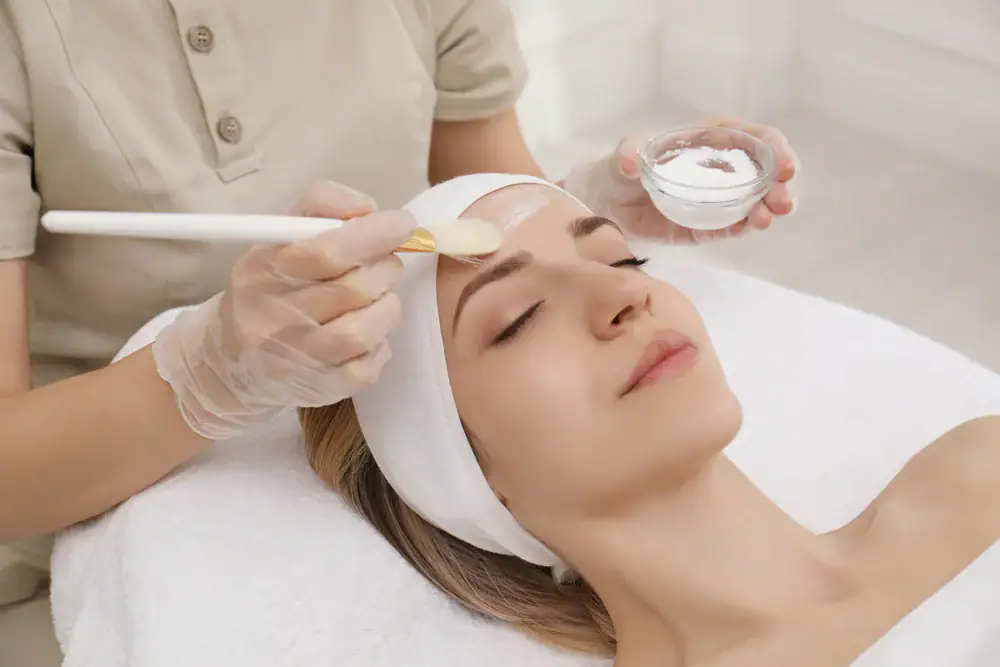
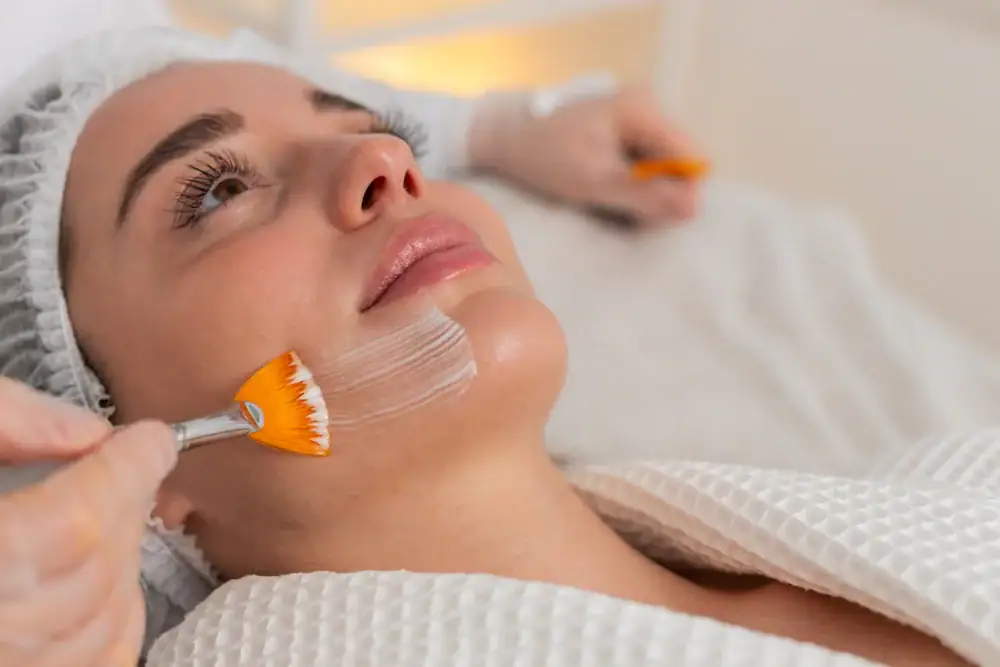
Best Chemical Peel Grasmere, NY
You’re not looking for dramatic transformation. You want the version of yourself that looks rested, clear, and put-together without anyone asking if you “had work done.”
A professional chemical peel addresses what’s actually bothering you—fine lines that make you look tired, uneven tone from sun damage, texture issues that makeup can’t hide, or acne scars that won’t fade on their own. The right chemical face peel removes damaged outer layers so fresh, healthy skin can surface. That means smoother texture, more even color, and a natural glow that doesn’t require a filter.
The difference between a chemical peel done right and one that’s not comes down to three things: the formula strength matched to your skin, the experience of who’s applying it, and the follow-up care that protects your results. When all three align, you get visible improvement without the downtime, complications, or “I can tell you had something done” look that makes people hesitate in the first place.
Chemical Peel Experts Grasmere, NY
We operate under the oversight of a board-certified plastic surgeon, which means every chemical skin peel is planned, executed, and followed up by licensed professionals who understand facial anatomy at a medical level. That’s not standard across med spas, and it matters when you’re dealing with treatments that affect skin health long-term.
Grasmere residents come here because the quality matches what you’d find in Manhattan, but the pricing reflects Staten Island. You’re not paying for zip code prestige. You’re paying for FDA-approved products, platinum-level Allergan partnership standards, and a two-week follow-up with complimentary touch-ups if needed—which most places don’t include.
Our approach is straightforward: complimentary consultation to assess your skin, honest conversation about what a glycolic chemical peel or TCA peel can realistically do for you, and a treatment plan that fits your goals without overselling what you don’t need.
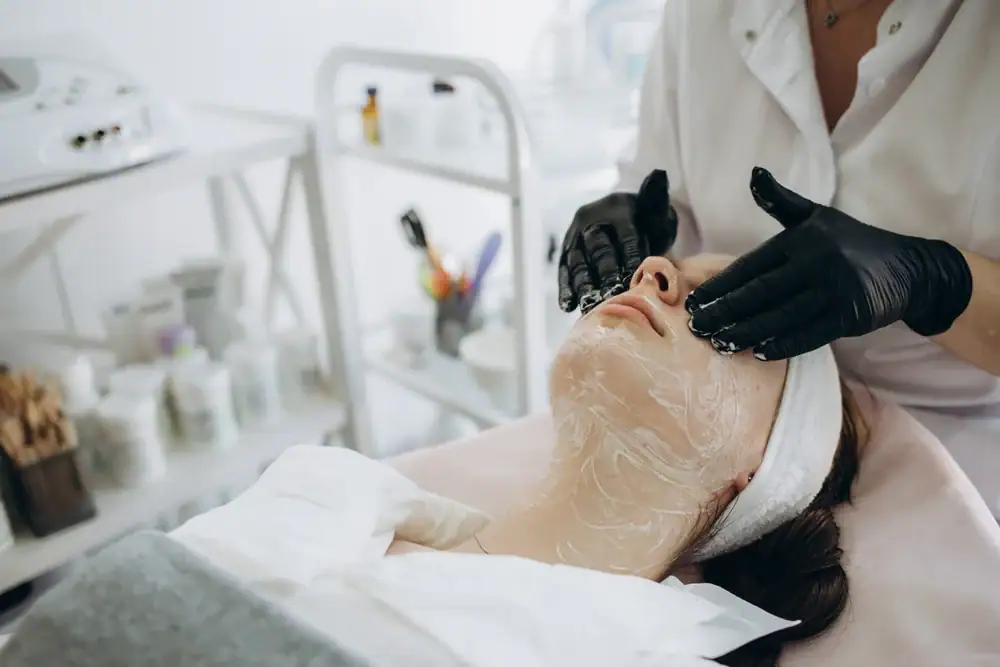
Chemical Peel Process Grasmere, NY
Your consultation comes first, and it’s complimentary. This is where your provider examines your skin type, discusses what’s bothering you, and determines which chemical peel strength makes sense—light, medium, or deep. Not everyone needs the strongest option, and pushing you toward one when a gentler formula works better isn’t how we work.
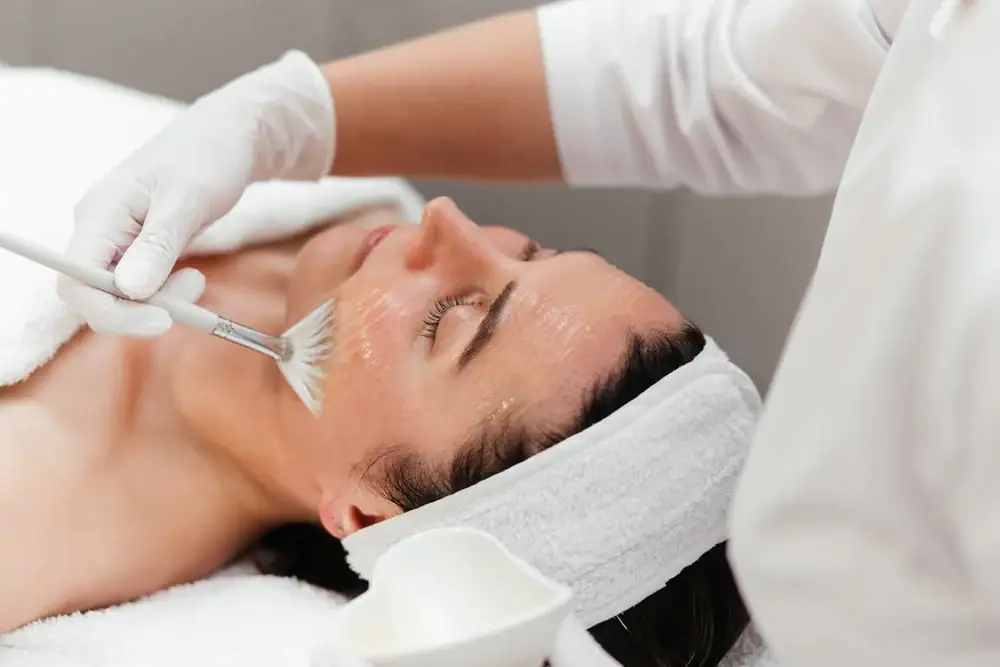
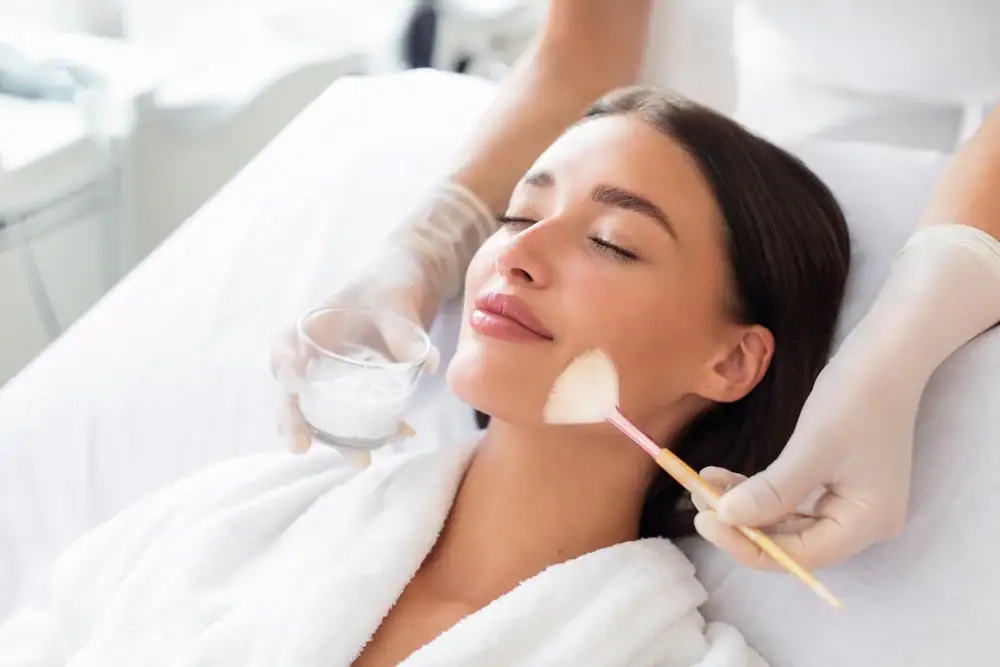
On treatment day, your skin gets prepped and cleansed. The chemical solution is applied evenly across the treatment area and left on for a specific time based on the formula and your skin’s response. You might feel tingling or mild warmth—that’s normal. Once the peel is neutralized or removed, a soothing treatment and post-care products go on to protect your skin as it heals.
The next few days involve some peeling or flaking, depending on the depth of treatment. Light peels might just leave your skin a bit pink. Medium peels usually involve visible peeling for three to five days. Your two-week follow-up appointment is built into your treatment, so your provider can check healing, address any concerns, and make adjustments if needed. That follow-up isn’t an upsell—it’s included because proper aftercare determines whether your results last or fade too quickly.
Ready to get started?
Non Surgical Chemical Peel Grasmere
Every chemical peel at House of Ness includes a complimentary consultation, the treatment itself using medical-grade formulas, post-treatment skincare to support healing, and a two-week follow-up with touch-up if necessary. That last part matters more than most people realize—skin doesn’t always respond identically to predictions, and having a built-in checkpoint means small adjustments can be made before results fully set.
Grasmere clients also benefit from proximity to a med spa that’s a platinum-level Allergan partner. That designation isn’t just a badge—it means we meet strict standards for safety protocols, staff training, and product sourcing. You’re getting authentic, FDA-approved products, not diluted or off-brand formulas that cut costs but increase risk.
Our pricing reflects Staten Island averages, which run significantly lower than Manhattan without sacrificing quality. You’re also eligible for the Allē rewards program, which lets you earn points on treatments that reduce costs on future visits. If you’re military, a nurse, or a first responder, specialized discounts apply. The goal is to make professional-grade skin treatments accessible without the markup that comes from operating in higher-cost areas.
Request a callback

How do I know which chemical peel is right for my skin?
It depends on what you’re treating and your skin type. Light peels using glycolic or salicylic acid work well for mild texture issues, dullness, or early signs of aging—they’re the lowest risk and require minimal downtime. Medium peels, often using TCA, go deeper to address more pronounced wrinkles, uneven pigmentation, or acne scars. Deep peels are reserved for significant sun damage or deep wrinkles, but they come with longer recovery and higher risk if not done correctly.
Your consultation determines which option makes sense. Your provider will look at your skin tone (darker skin tones have higher risk of uneven pigmentation with deeper peels), your concerns, and how much downtime you can realistically handle. If you’re new to chemical peels, starting with a lighter treatment and building up is usually the smarter move. You can always go deeper later, but you can’t undo a peel that went too aggressive for your skin.
The key is working with someone who’s trained to match peel strength to skin type, not someone following a one-size-fits-all protocol.
What's recovery like after a face peeling treatment?
Light peels might leave you slightly pink for a day or two, similar to a mild sunburn. You can usually wear makeup the next day and go about normal activities. Peeling is minimal—more like light flaking that’s easy to manage with moisturizer.
Medium peels involve more visible peeling, usually starting around day two or three and lasting up to a week. Your skin will look red initially, then start to peel in sheets or patches. It’s not painful, but it’s noticeable, so plan around social or work events accordingly. You’ll need to avoid sun exposure, skip harsh skincare products, and keep your skin moisturized and protected.
Deep peels require the most downtime—up to two weeks of significant peeling, redness, and sensitivity. These are less common and reserved for cases where lighter options won’t achieve the result you need. Your provider will give you specific aftercare instructions based on which peel you receive, but the general rule is: the deeper the peel, the longer the recovery and the more careful you need to be about sun protection afterward. Your two-week follow-up is when your provider assesses healing and makes sure everything is progressing as expected.
Are chemical peels safe for all skin tones?
Not all peels are safe for all skin tones, and this is where experience matters. Lighter skin tones generally tolerate all peel depths well. Darker skin tones have a higher risk of post-inflammatory hyperpigmentation, which means the treated area could end up darker or lighter than surrounding skin if the peel is too aggressive or aftercare isn’t followed correctly.
That doesn’t mean chemical peels are off the table if you have darker skin—it means the formula, strength, and application need to be adjusted. Lighter peels with specific acids like mandelic or lactic acid tend to be safer options. Your provider should also do a patch test if there’s any concern about how your skin will react.
This is why board-certified oversight and proper training matter. Someone who understands skin biology and has experience treating diverse skin tones will know how to minimize risk and adjust treatment protocols. If a provider isn’t asking about your skin history, previous reactions, or sun exposure habits before recommending a peel strength, that’s a red flag. The consultation should feel thorough, not rushed.
How much does a chemical peel cost in Grasmere, NY?
Pricing varies based on peel depth and the area being treated, but Staten Island rates are significantly lower than Manhattan. Light peels generally start in the lower price range, medium peels cost more due to the stronger formulas and longer treatment time, and deep peels are the highest investment because of the expertise and recovery support required.
At House of Ness, our pricing is transparent—you’ll know the cost during your complimentary consultation, and there are no hidden fees or surprise charges. The two-week follow-up and any necessary touch-ups are included in your treatment cost, which isn’t standard across all med spas. You’re also eligible for the Allē rewards program, which lets you earn points that reduce future treatment costs.
If you’re military, a nurse, or a first responder, ask about specialized discounts. The goal is to make medical-grade treatments accessible without the markup that comes from operating in higher-rent areas. You’re paying for the expertise, the products, and the follow-up care—not the zip code.
Can I combine a chemical peel with other treatments?
Yes, but timing and sequencing matter. Chemical peels are often combined with treatments like Botox, dermal fillers, or medical-grade skincare to enhance overall results. The key is spacing them correctly so you’re not overloading your skin or interfering with healing.
Botox can usually be done on the same day as a light peel, but your provider might recommend waiting if you’re getting a medium or deep peel. Fillers are typically scheduled either a couple weeks before or after a peel to avoid affecting placement or increasing swelling. Laser treatments and peels shouldn’t happen too close together since both affect skin layers and recovery.
Your consultation should include a conversation about your broader skincare goals. If you’re dealing with multiple concerns—say, fine lines, volume loss, and uneven texture—your provider can map out a treatment plan that layers procedures in the right order for maximum benefit and minimal risk. We take a holistic approach that combines injectables with skincare, so you’re not just getting one treatment in isolation—you’re getting a plan that actually makes sense for your skin long-term.
What should I avoid after getting a chemical peel?
Sun exposure is the biggest thing to avoid. Your skin is more vulnerable to UV damage after a peel, and going out without SPF 30 or higher can lead to hyperpigmentation or uneven healing. Even if it’s cloudy, wear sunscreen. A wide-brimmed hat helps too if you’re outside for extended periods.
Skip any harsh skincare products—retinoids, exfoliants, acids, or anything with fragrance—until your provider clears you. Your skin is healing, and adding irritants will slow that process or cause inflammation. Stick to gentle cleansers and the moisturizers your provider recommends. Don’t pick at peeling skin, even if it’s tempting. Let it shed naturally. Pulling it off early can cause scarring or uneven texture.
Avoid heavy workouts, saunas, or anything that makes you sweat heavily for the first few days, especially after a medium or deep peel. Sweat can irritate healing skin. Your two-week follow-up is when your provider will assess how well you’ve healed and give you the green light to resume normal skincare and activities. If something feels off before then—excessive redness, swelling, or discomfort—reach out. That’s what the follow-up care is for.