Chemical Peel in Great Kills, NY
Clearer Skin Without the Guesswork or Downtime
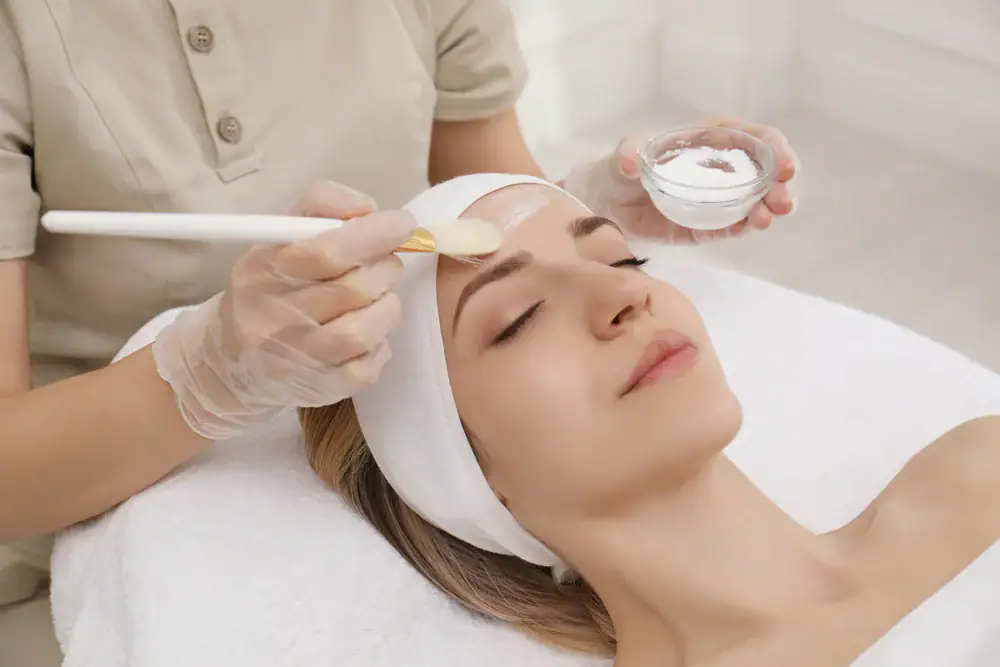
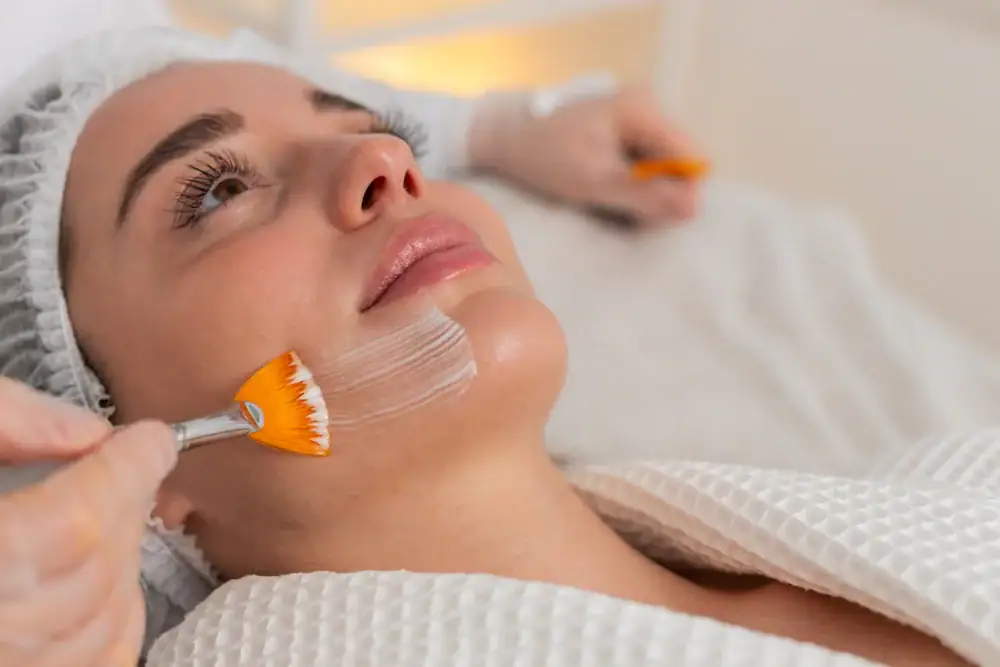
Best Chemical Peel Great Kills
Your skin concerns didn’t show up overnight, and you’ve probably tried multiple products that promised results but didn’t deliver. A chemical face peel works differently because it removes damaged outer layers to reveal healthier skin underneath.
You’ll notice smoother texture first. Fine lines soften, pigmentation fades, and acne scarring becomes less prominent. The glow people talk about? That’s real—it comes from increased cell turnover and collagen production that continues for weeks after your face peeling treatment.
Most people see visible improvement after one session, but the best results come from a series of three to six treatments spaced appropriately. Your skin keeps improving between sessions as it rebuilds and renews itself. No filters needed.
Chemical Skin Peel Great Kills
We’re led by a Board Certified Plastic Surgeon, which matters more than you might think. Chemical peels aren’t one-size-fits-all, and improper application can cause real damage—especially on Staten Island’s diverse skin types and tones.
Our team includes certified, licensed injectors who’ve performed thousands of treatments. We’re a platinum-level Allergan partner, which means we meet strict standards for volume, safety, and results. You’re not walking into a spa that dabbles in aesthetics. You’re working with medical professionals who understand skin at a clinical level.
Great Kills residents choose us because we’re local, transparent about pricing, and we don’t rush you through appointments. Every treatment starts with a complimentary consultation and includes a two-week follow-up with touch-up if needed.
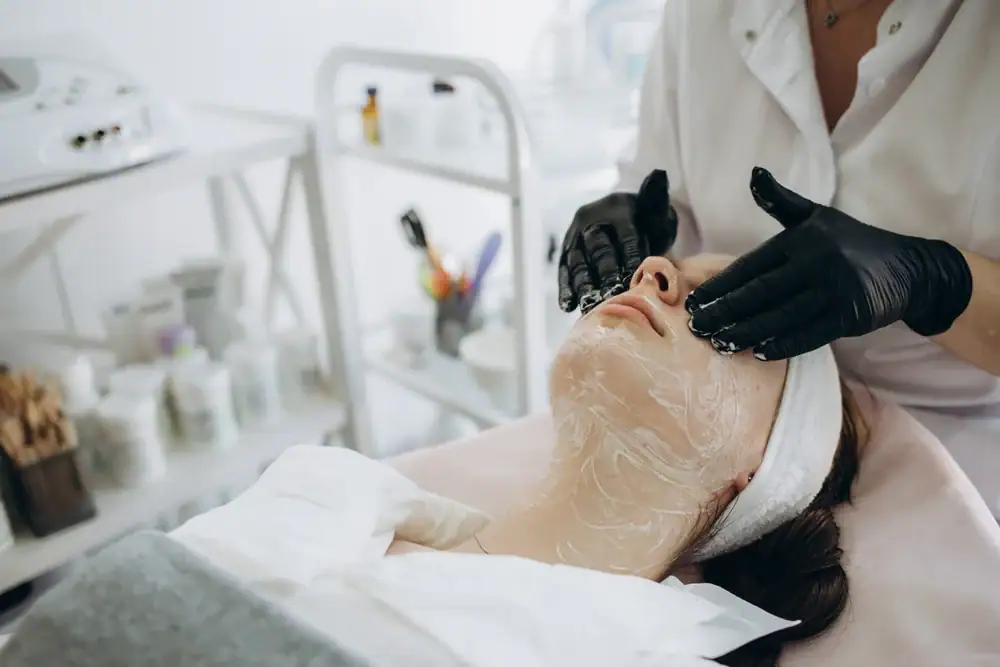
Face Peeling Treatment Process Great Kills
Your consultation comes first, always. We assess your skin type, discuss your specific concerns, and determine which chemical peel strength makes sense for you. Not everyone needs the same formulation, and pushing too aggressive too fast causes problems.
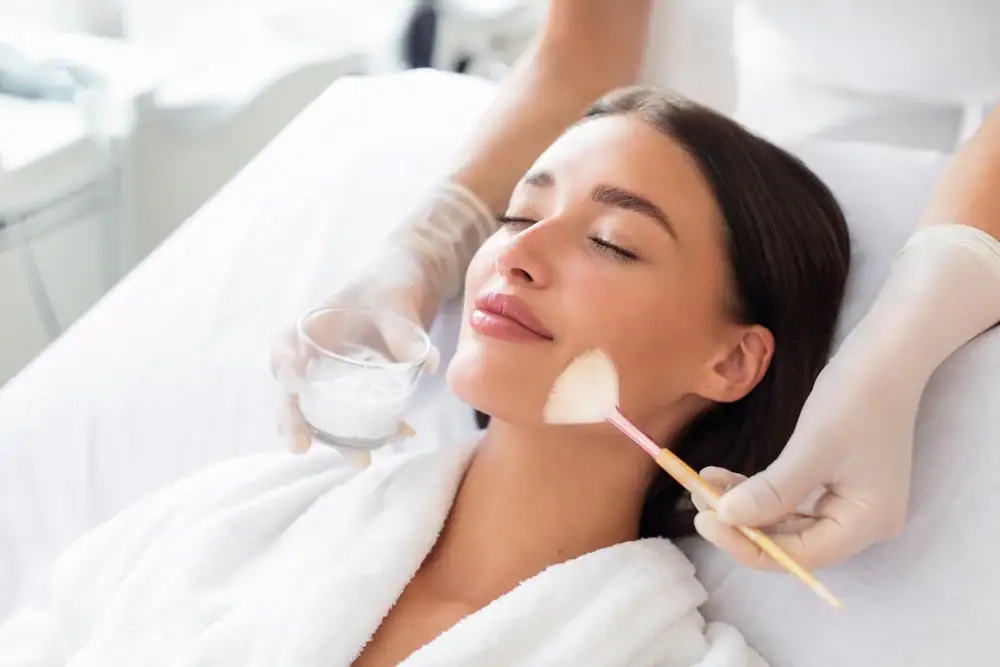
On treatment day, we cleanse your skin thoroughly and apply the peel solution. You might feel tingling or mild warmth—that’s normal and means it’s working. The solution stays on for a specific time based on your skin’s response, then we neutralize and remove it. The entire appointment typically takes 30 to 45 minutes.
Your skin will look slightly pink immediately after, similar to mild sunburn. Peeling usually starts around day three and lasts a few days. We give you specific aftercare instructions and medical-grade products to support healing. Two weeks later, you come back so we can assess results and make any adjustments for your next session.
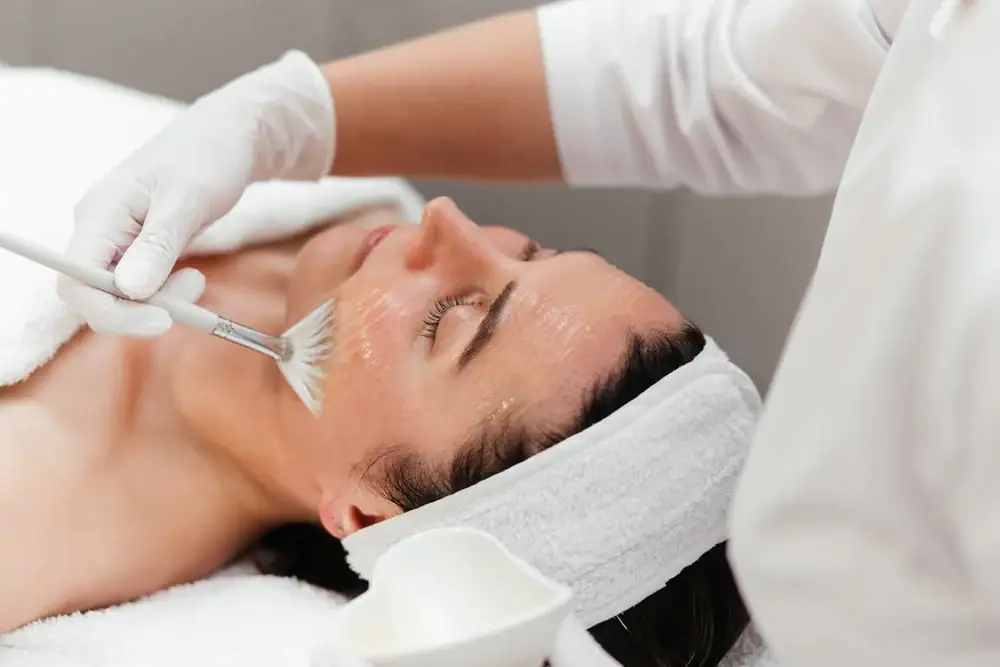
Ready to get started?
Glycolic Chemical Peel Great Kills
You get a complimentary consultation before any treatment happens. No pressure, no sales pitch—just an honest assessment of whether a chemical peel will address your concerns or if something else makes more sense.
The treatment itself uses medical-grade formulations, not the diluted versions you’ll find at day spas. We primarily use VI Peels, which work on all skin types and address multiple concerns simultaneously—wrinkles, acne scarring, pigmentation, and overall tone. Staten Island’s humidity and seasonal changes can wreak havoc on skin, and these peels are formulated to deliver consistent results regardless of climate factors.
Your two-week follow-up is included, not optional. We check your healing, evaluate results, and provide a touch-up if certain areas need additional attention. You’ll also get access to our Allē rewards program, which gives you points toward future treatments. We offer specialized discounts for military, nurses, first responders, and new clients—because those who serve the Great Kills community deserve recognition.
Request a callback

How long does a chemical peel take to heal completely?
Healing time depends entirely on peel depth, but most people are back to normal activities within a week. Light peels cause minimal flaking that you can cover with makeup after a day or two. Medium-depth peels like the VI Peel cause more noticeable peeling that lasts three to five days.
Here’s what actually happens: days one and two, your skin looks slightly red but intact. Day three, you’ll start seeing peeling around your mouth and nose. Days four through six, peeling spreads and is most visible. By day seven, most peeling is complete and you’re seeing fresh skin underneath.
You can work throughout this process—most Great Kills clients do. The peeling isn’t painful, just cosmetically noticeable. We give you specific products to keep skin hydrated without interfering with the process. Picking or forcing the peeling will cause problems, so hands off. Your skin knows what it’s doing.
Will a chemical face peel help with my acne scars?
Yes, but let’s be specific about which type of scarring responds best. Chemical peels excel at treating post-inflammatory hyperpigmentation (the dark marks left after acne heals) and shallow, rolling scars. You’ll see significant improvement in skin tone and texture.
Deep, pitted scars (ice pick or boxcar scars) need more aggressive treatment. A chemical peel will improve them somewhat by stimulating collagen production, but you’ll likely need additional treatments like microneedling or laser resurfacing for dramatic results. We’re honest about this during your consultation because setting realistic expectations matters more than making a sale.
Most acne scarring improves noticeably after three to four peels spaced four to six weeks apart. The VI Peel we use contains ingredients specifically targeting acne-prone skin and scarring. Staten Island’s water quality and humidity can aggravate acne, so we also discuss skincare adjustments to prevent new breakouts while treating existing scars.
Is a chemical skin peel safe for darker skin tones?
Absolutely, when performed correctly by someone who understands melanin-rich skin. This is where medical expertise becomes critical. Darker skin tones have higher risk of post-inflammatory hyperpigmentation if the peel is too aggressive or aftercare isn’t followed precisely.
We use VI Peels specifically because they’re formulated for all skin types, including Fitzpatrick types IV, V, and VI. The formulation includes ingredients that suppress excess melanin production while promoting even healing. Great Kills has a diverse population, and we’ve successfully treated every skin tone without complications.
Your consultation includes a detailed discussion about your skin’s history with treatments, sun exposure, and any previous hyperpigmentation issues. We may start with a lighter application and build up in subsequent sessions. We also provide medical-grade sunscreen and specific instructions about sun avoidance—non-negotiable for darker skin tones during healing. Cutting corners on aftercare is where problems happen, not during the treatment itself.
How much does a chemical peel cost in Great Kills?
VI Peels at House of Ness typically range from $300 to $500 per treatment, depending on the specific formulation and treatment area. That’s competitive for medical-grade peels performed by certified professionals under a Board Certified Plastic Surgeon’s supervision.
Here’s why price matters: cheaper peels at day spas use diluted formulations that deliver minimal results. You’ll spend less per session but need more treatments with less dramatic improvement. Medical-grade peels cost more upfront but deliver visible results faster with fewer total sessions needed.
We’re transparent about pricing during your complimentary consultation. We’ll also discuss package pricing if you’re planning multiple sessions, which most people do for optimal results. Our Allē rewards program gives you points back on every dollar spent, and we offer discounts for new clients, military, nurses, and first responders. No hidden fees, no surprise charges—you’ll know exactly what you’re paying before any treatment happens.
Can I get a chemical peel if I have sensitive skin?
Sensitive skin isn’t an automatic disqualifier, but it requires careful assessment and potentially modified treatment. During your consultation, we’ll discuss what triggers your sensitivity—certain ingredients, environmental factors, or underlying conditions like rosacea or eczema.
Some inflammatory skin conditions can worsen with chemical peels because the controlled injury triggers an exaggerated response. If you have active rosacea, we may recommend treating that first before considering a peel. If your sensitivity is mild and related to specific ingredients, we can often work around it with formulation adjustments.
We sometimes do a test spot on a small area to see how your skin responds before treating your entire face. This adds time to the process but prevents a bad reaction across your whole face. Staten Island’s seasonal changes—humid summers and harsh winters—can increase skin sensitivity, so timing your treatment matters too. We’d rather delay your peel until conditions are optimal than push forward and risk complications.
What's the difference between a chemical peel and a facial?
A facial is primarily surface-level cleansing, exfoliation, and hydration. It feels great and gives temporary improvement, but it doesn’t create lasting change in skin structure. A chemical peel is a controlled injury that removes damaged skin layers and triggers your body’s healing response to build new, healthier skin.
Facials work on the stratum corneum (the outermost dead skin layer). Chemical peels penetrate into the epidermis and sometimes the upper dermis, depending on strength. That deeper penetration is what allows peels to address pigmentation, scarring, and wrinkles that facials can’t touch.
You can get a facial monthly for maintenance and relaxation. Chemical peels are spaced four to six weeks apart because your skin needs time to complete the healing and rebuilding process. They’re not interchangeable treatments—they serve different purposes. Many Great Kills clients do both: peels for targeted correction and facials for ongoing maintenance between peel sessions. We’ll help you figure out what combination makes sense for your skin goals and budget during your consultation.