Chemical Peel in Sunnyside, NY
Healthier Skin Without the Guesswork or Downtime
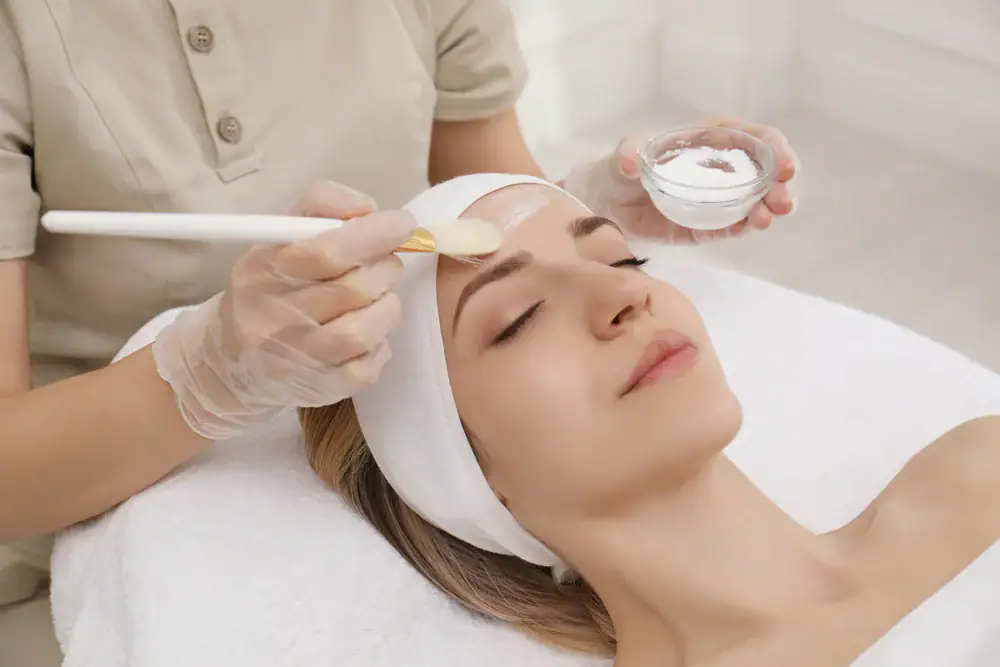
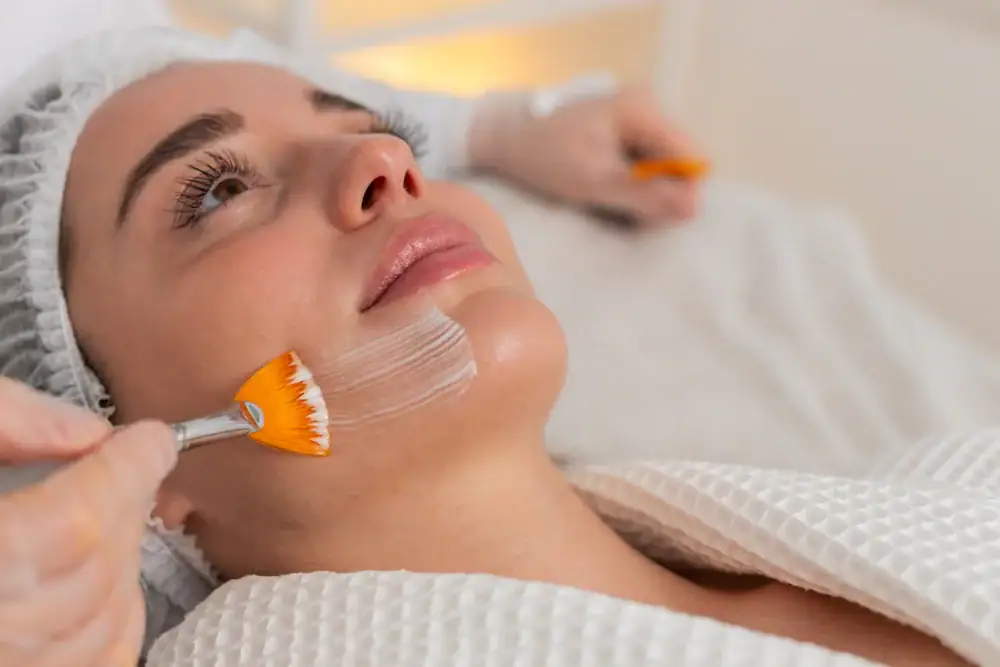
Chemical Face Peel Sunnyside, NY
Your skin sheds dead cells constantly, but sometimes it needs help. Sun damage, acne scars, uneven tone, fine lines—they all stick around longer than they should because that outer layer isn’t turning over the way it used to.
A chemical face peel in Sunnyside, NY removes that buildup. It triggers your skin’s repair process, which means more collagen, better texture, and a clearer complexion over time. You’re not covering up the problem. You’re addressing what’s underneath.
The treatment itself is straightforward. We apply a solution that exfoliates the damaged outer layers. Depending on the depth—light, medium, or deep—you’ll see results ranging from a subtle glow to significant improvement in scarring and pigmentation. Light peels work well for acne and minor discoloration with little to no downtime. Medium peels go deeper for sun damage and shallow wrinkles. Deep peels target more severe concerns and deliver results that can last years with proper care.
What matters most is that the treatment matches your skin type and goals. That’s where medical oversight makes the difference.
Board-Certified Chemical Peel Sunnyside, NY
House of Ness operates under the oversight of a board-certified plastic surgeon. Every treatment plan gets reviewed by someone with surgical-level training in facial anatomy. That’s not standard across med spas, and it’s not something you should take for granted.
Our team includes licensed, certified injectors with extensive experience in skin treatments. As a platinum-level Allergan partner, we meet strict standards for safety protocols, staff training, and product sourcing. You’re getting FDA-approved treatments from a facility that’s been vetted at the highest industry level.
Sunnyside has one of the most diverse populations in Queens, with residents representing dozens of nationalities and a wide range of skin types. That diversity requires providers who understand how different skin tones respond to chemical peels—especially when it comes to avoiding complications like post-inflammatory hyperpigmentation. You need someone who’s seen it before and knows how to adjust the treatment accordingly.
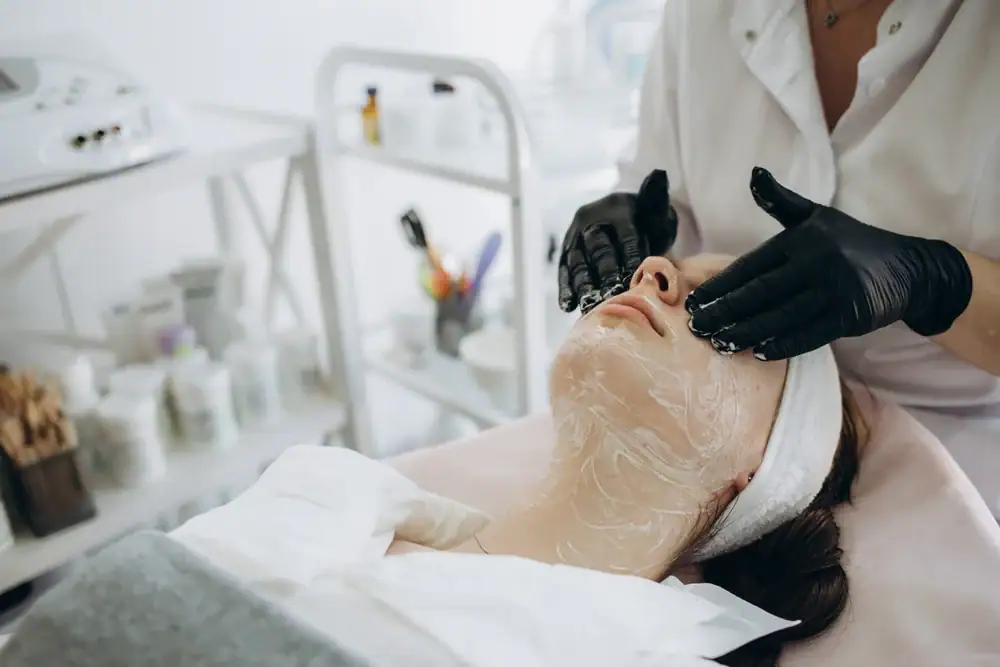
Face Peeling Treatment Sunnyside, NY
You start with a complimentary consultation. We examine your skin, ask about your concerns, and review your medical history. If you’ve had reactions to skincare products or previous treatments, this is when you mention it. We’ll recommend a peel depth based on your skin type and what you’re trying to fix.
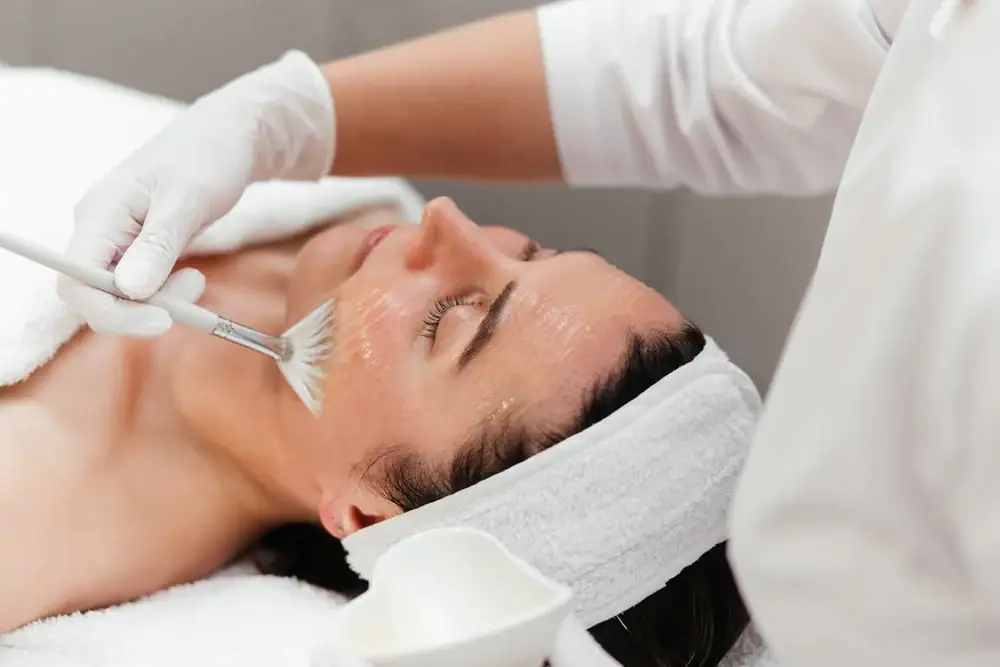
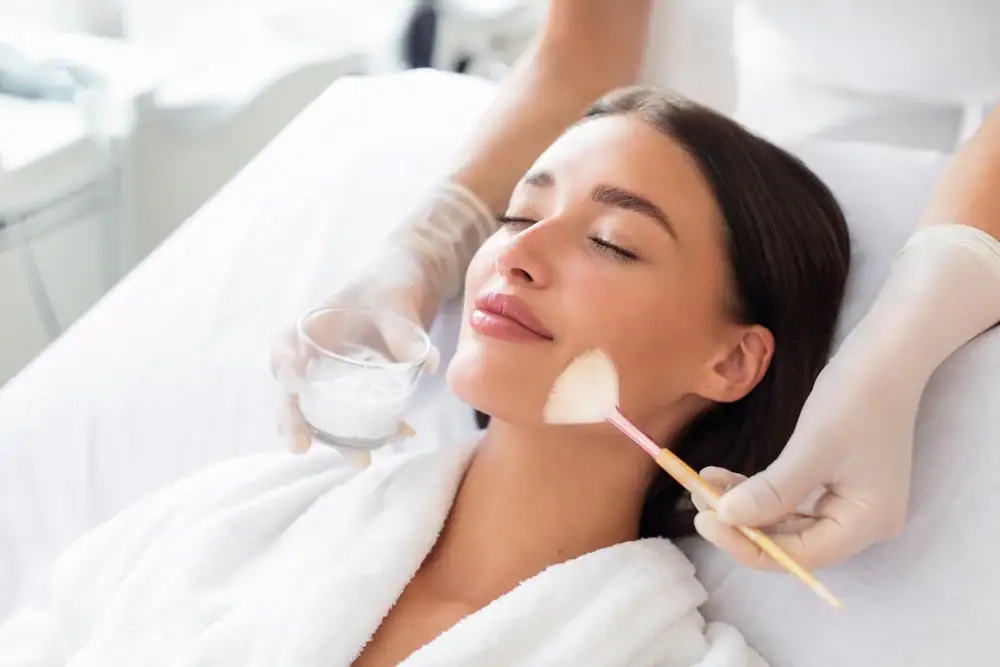
Before the peel, your skin gets cleansed to remove oils and prep the surface. The chemical solution goes on next—glycolic acid, salicylic acid, TCA, or a combination depending on the treatment plan. You’ll feel a tingling or slight burning sensation. That’s normal. The solution stays on for a set amount of time, then gets neutralized or washed off.
After the treatment, your skin will be red and sensitive. Light peels might leave you looking like you have a mild sunburn for a day or two. Medium peels can cause peeling and flaking for up to a week. Deep peels require more recovery time and come with specific aftercare instructions, including sun avoidance and gentle cleansing.
You’ll come back for a two-week follow-up. We check your progress and address any concerns. If a touch-up is needed, it’s included. That follow-up appointment isn’t common in the industry, but it’s part of our standard here because results matter more than rushing you out the door.
Ready to get started?
Chemical Skin Peel Sunnyside, NY
Every chemical skin peel in Sunnyside, NY at House of Ness includes a complimentary consultation, the treatment itself, and a two-week follow-up with touch-ups if necessary. You also get access to the Allē rewards program through our platinum-level Allergan partnership, which means you can earn points toward future treatments.
The consultation covers more than just the peel. We’ll talk through your current skincare routine and recommend medical-grade products that support your results. Chemical peels make your skin more receptive to topical treatments, so what you use afterward matters. Stripping away dead skin means serums and moisturizers penetrate deeper and work more effectively.
Sunnyside residents have access to some of the best dermatology and aesthetic care in the region, but not every provider offers the same level of oversight. The difference here is board-certified medical leadership combined with transparent pricing. You know what you’re paying upfront—no surprise fees, no upselling mid-appointment. If you’re a new client, military personnel, nurse, or first responder, you’ll also qualify for specialized discounts.
We operate in a lounge-like environment with minimal wait times. You’re not sitting in a crowded waiting room for 30 minutes past your appointment time. The focus is on personalized attention, which means we have time to answer questions and adjust the treatment if needed.
Request a callback

How do I know if a chemical peel is safe for my skin type?
Safety comes down to two things: the provider’s training and how well they assess your skin before treatment. Darker skin tones have a higher risk of post-inflammatory hyperpigmentation, which is why you need someone who understands how different skin types react to chemical peels.
At House of Ness, every treatment plan is reviewed by a board-certified plastic surgeon. We’ll examine your skin, ask about your history with skincare products, and determine the appropriate peel depth. If you’ve had reactions to acids or retinoids in the past, that affects the approach. If you have active acne or certain skin conditions, you might need to address those first.
The consultation is where you get honest answers. If a chemical peel isn’t the right move for your skin right now, we’ll tell you. If a lighter peel makes more sense than a medium or deep one, we’ll explain why. The goal is results without complications, not pushing a treatment that doesn’t fit.
What's the difference between a light, medium, and deep chemical peel?
The difference is how deep the solution penetrates and what skin concerns it addresses. Light peels use milder acids like glycolic or salicylic acid to exfoliate the outermost layer. They’re effective for acne, minor discoloration, and dull skin. Recovery is quick—usually a day or two of redness with minimal peeling. You can repeat light peels every few weeks if needed.
Medium peels go deeper using stronger acids like TCA. They target sun damage, shallow wrinkles, and acne scars. You’ll experience more peeling and flaking, and recovery takes about a week. Medium peels deliver more noticeable results than light peels, but they also require more downtime and careful aftercare.
Deep peels penetrate multiple layers of skin and are reserved for severe sun damage, deep wrinkles, and significant scarring. Recovery is longer—up to two weeks—and the results can last for years. Deep peels aren’t something you repeat frequently. They’re a more intensive treatment that requires medical oversight and strict sun protection afterward.
We’ll recommend the depth based on your skin’s condition and your goals. If you’re dealing with mild concerns and want minimal downtime, a light peel makes sense. If you’re addressing more significant damage and can plan for recovery time, a medium or deep peel might be the better option.
How long does it take to see results from a chemical peel?
It depends on the peel depth. Light peels give you a subtle glow within a few days. You’ll notice smoother texture and a more even tone, but the results are gradual. Most people do a series of light peels spaced a few weeks apart to build on the improvement over time.
Medium peels show more dramatic results after the peeling phase ends—usually within a week to ten days. Once the flaking stops, you’ll see clearer skin, reduced pigmentation, and improved texture. The collagen stimulation continues for weeks after the treatment, so your skin keeps improving even after the initial healing.
Deep peels take the longest to heal, but the results are the most significant. You’ll see major improvement in wrinkles, scars, and sun damage once the skin fully regenerates. That process can take a couple of weeks, but the outcome lasts much longer than lighter peels.
The two-week follow-up at House of Ness is timed to catch your skin at a point where we can assess the results and make adjustments if needed. If something didn’t respond the way it should have, we’ll address it then—not months later when you’re frustrated and looking elsewhere.
Will a chemical peel make my skin look worse before it looks better?
Yes, temporarily. That’s part of the process. Your skin is shedding damaged layers, which means you’ll go through a phase where it looks red, flaky, or uneven. How intense that phase is depends on the peel depth.
Light peels might leave you with some redness and minor flaking that you can cover with makeup after a day or two. Medium peels cause more noticeable peeling—think sunburn aftermath. You’ll want to plan for a few days when you’re not showing up to important meetings or events. Deep peels involve significant peeling and redness, and you’ll need to stay out of the sun and follow a strict skincare routine during recovery.
Some people also experience temporary breakouts after a peel. That happens because the treatment brings underlying congestion to the surface. It’s not a bad reaction—it’s your skin clearing out what was already there. If you’re prone to acne, we’ll discuss that possibility during the consultation so you’re not caught off guard.
The key is knowing what to expect and planning accordingly. If you have a wedding or vacation coming up, schedule your peel with enough time for full recovery. We’ll give you a realistic timeline based on the treatment plan so you’re not dealing with peeling skin at the worst possible moment.
Can I use my regular skincare products after a chemical peel?
Not right away. Your skin is more sensitive after a peel, and certain ingredients can cause irritation or interfere with healing. You’ll need to avoid retinoids, exfoliants, and active ingredients like vitamin C or AHAs for at least a week—longer if you had a medium or deep peel.
We’ll give you specific aftercare instructions, including which products are safe to use during recovery. Gentle cleansers, fragrance-free moisturizers, and broad-spectrum sunscreen are non-negotiable. Your skin is more vulnerable to UV damage after a peel, so sun protection isn’t optional.
Once your skin heals, you can gradually reintroduce your regular products. In fact, this is when your skincare routine becomes more effective. Chemical peels remove the barrier of dead skin cells, which means serums and treatments penetrate deeper. That’s why we recommend pairing peels with medical-grade skincare—you’re maximizing the results instead of letting them fade.
If you’re not sure what products to use post-peel, ask during your consultation. We can recommend medical-grade options that support healing and protect your investment. The goal is long-term improvement, not just a temporary fix that fades because you went back to using the wrong products.
Why should I get a chemical peel at a med spa instead of doing an at-home peel?
At-home peels use lower concentrations of acids because they’re designed for unsupervised use. They can improve your skin’s texture and brightness, but they don’t deliver the same results as a professional-grade chemical peel. If you’re dealing with significant sun damage, acne scars, or deep wrinkles, an at-home product won’t get you there.
Professional peels use stronger formulations that penetrate deeper layers of skin. That’s where the real change happens—collagen stimulation, pigmentation correction, and scar improvement. But stronger formulations also come with higher risk if they’re not applied correctly. That’s why you need someone who knows how to assess your skin type, choose the right peel depth, and monitor your reaction during treatment.
At House of Ness, you’re getting medical-grade chemical peels under the oversight of a board-certified plastic surgeon. We have the training to handle complications if they arise and the experience to adjust the treatment based on how your skin responds. You also get a two-week follow-up to make sure everything healed properly and the results meet expectations.
At-home peels are fine for maintenance between professional treatments, but they’re not a replacement for the real thing. If you want results that actually address your concerns, you need a provider who knows what they’re doing and has the credentials to back it up.