Chemical Peel in River Edge, NJ
Clearer Skin Without the Guesswork or Risk
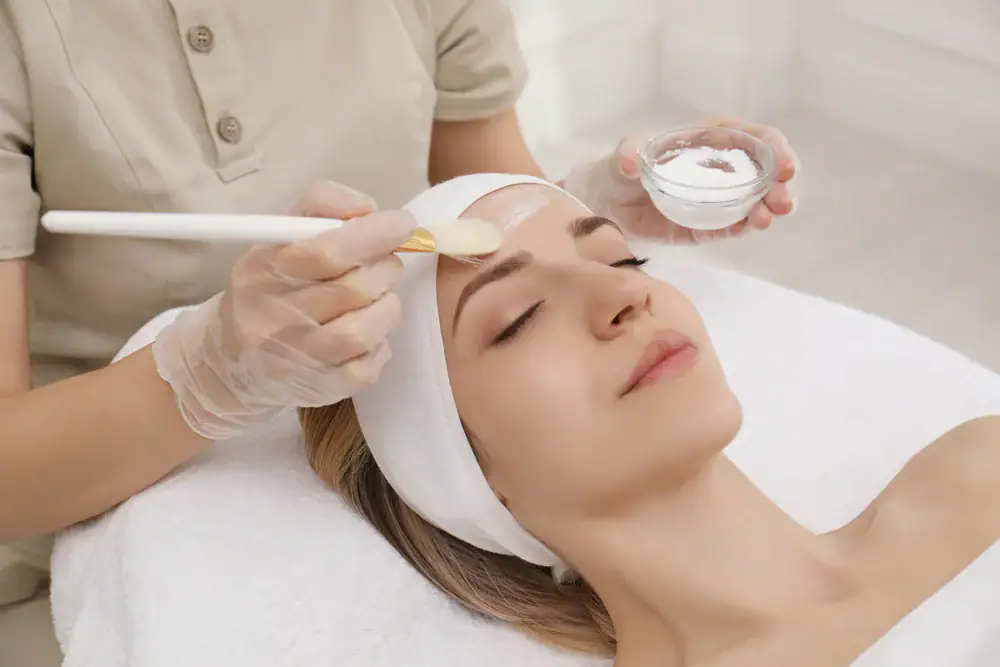
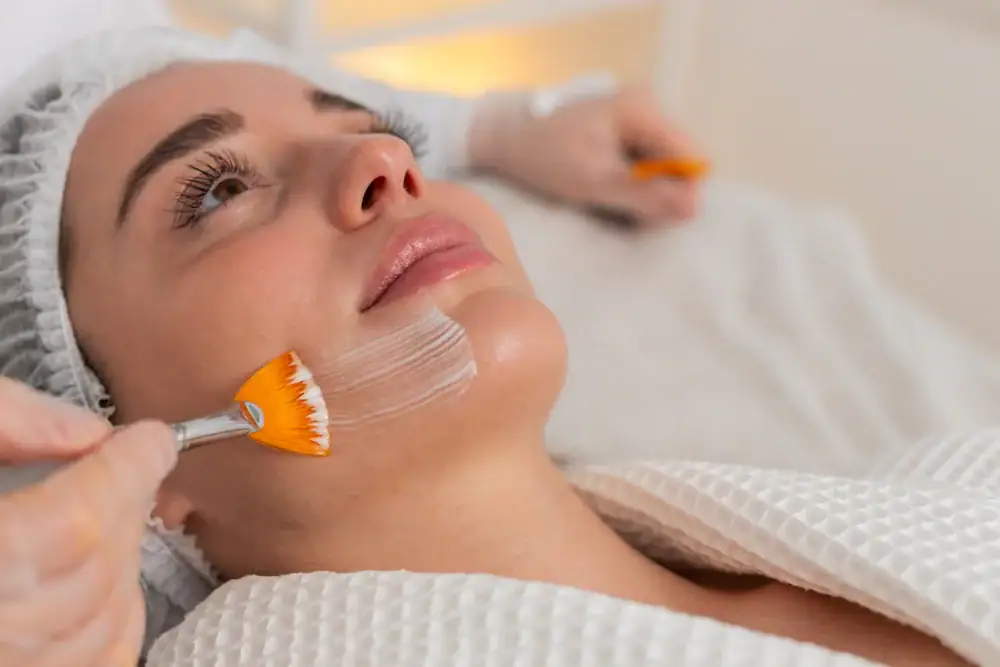
Best Chemical Peel River Edge
You’re not looking for a miracle. You want smoother texture, fewer dark spots, and skin that looks like you’ve been taking better care of it—without anyone asking if you “had work done.”
A chemical face peel in River Edge, NJ removes the damaged outer layer of your skin so healthier cells can surface. That means hyperpigmentation fades. Fine lines soften. Acne scars become less noticeable. Your skin tone evens out.
Most people see visible improvement within a week, and results continue developing for several weeks as collagen production ramps up. You’re not frozen in place or walking around with an obvious peel—you just look refreshed.
The difference between a face peeling treatment that works and one that wastes your time comes down to three things: the person performing it, the products they’re using, and whether they’re actually checking in after to make sure you got the result you paid for.
Chemical Peel River Edge, NJ
House of Ness is led by a board-certified plastic surgeon and staffed by licensed, certified injectors who’ve performed thousands of chemical skin peels across Bergen County. We’re a platinum-level Allergan partner, which means we meet strict standards for training, safety, and patient care—and we only use authentic, FDA-approved products.
River Edge clients come to us because they want results without the risk. They’re busy professionals, parents in their 40s and 50s, and people who’ve tried drugstore peels or facials that didn’t move the needle. They know the difference between a med spa with medical supervision and one that just sounds medical.
Every treatment starts with a complimentary consultation where we review your skin type, medical history, and realistic expectations. You’re matched with the right provider based on your goals. And two weeks later, we see you again—with a touch-up included if needed—because we don’t consider the job done until you’re happy with what you see.
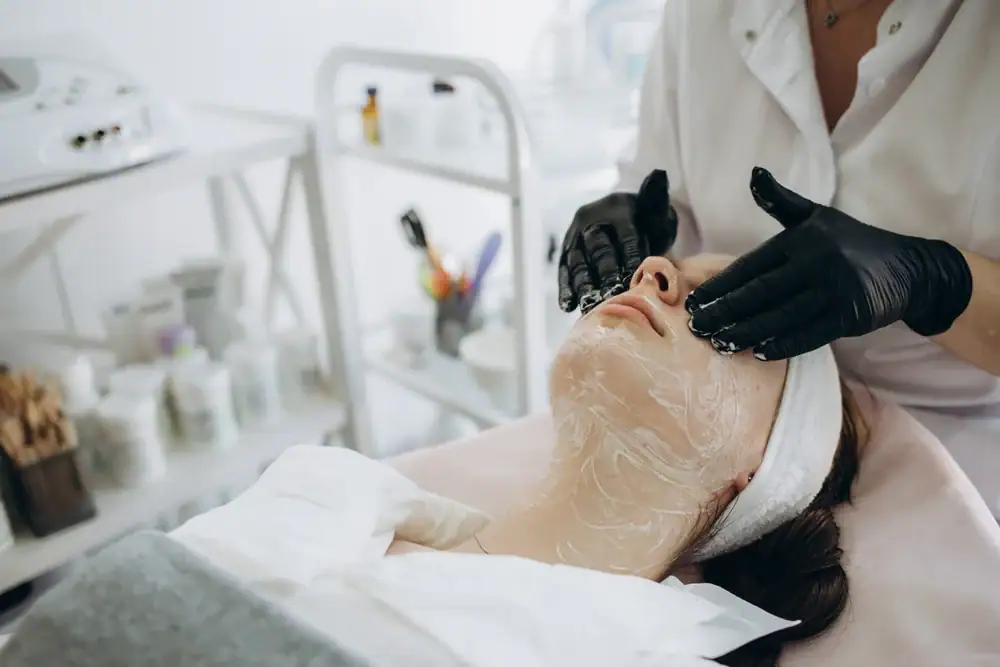
Face Peeling Treatment Process
Your consultation is where we figure out which type of chemical peel makes sense for your skin. A glycolic chemical peel works well for surface-level concerns like dullness and mild discoloration. Deeper peels target more stubborn pigmentation, sun damage, or acne scarring. We don’t upsell—we recommend what fits.
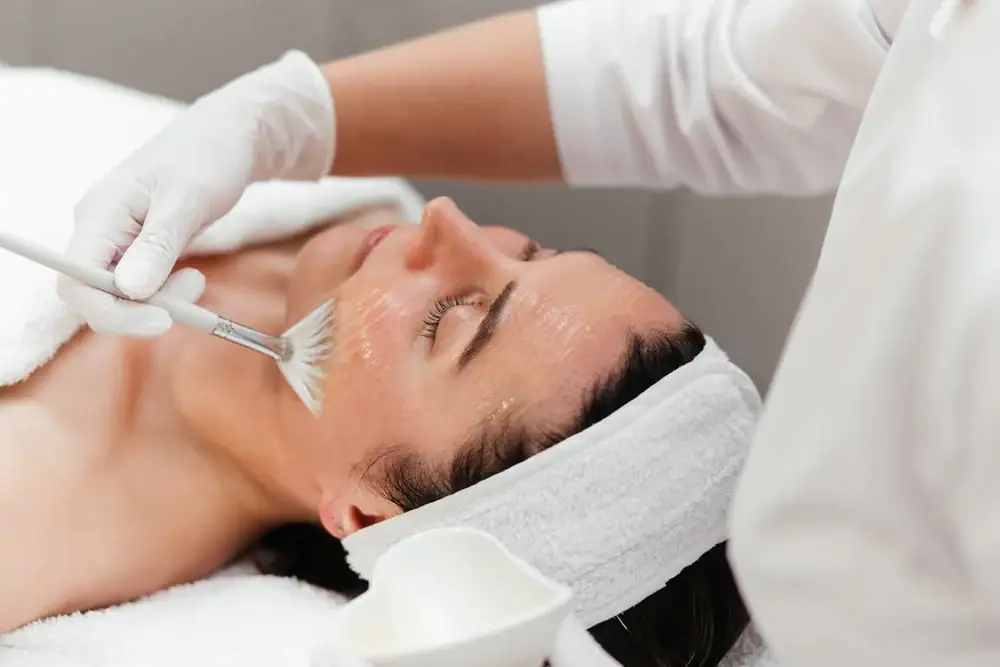
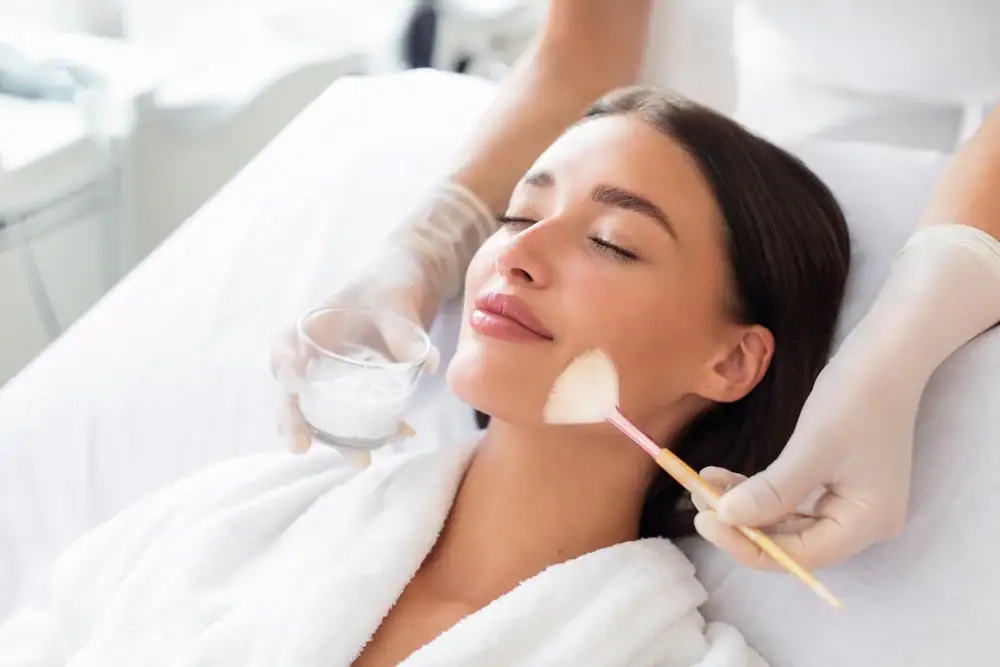
On treatment day, your skin is cleansed and prepped. The peel solution is applied evenly across the treatment area. You’ll feel a slight tingling or warmth—not pain. Most people describe it as tolerable, maybe a bit uncomfortable for a minute or two, then it subsides. The whole appointment takes 30 to 45 minutes.
Afterward, your skin might look pink or feel tight, like a mild sunburn. Peeling usually starts around day three and lasts a few days. You’ll be given specific aftercare instructions—gentle cleansing, moisturizer, and sunscreen are non-negotiable during this time.
Two weeks later, you come back. We assess your results, answer any questions, and provide a complimentary touch-up if there’s an area that needs it. That follow-up is included in your treatment cost, not an add-on you have to pay for later.
Ready to get started?
Non Surgical Chemical Peel Options
Every chemical peel at House of Ness includes a complimentary consultation, the treatment itself, post-care instructions, and a two-week follow-up with touch-up if needed. You’re not nickel-and-dimed for follow-up visits or “maintenance” that should’ve been part of the original plan.
We also provide medical-grade skincare recommendations to protect and extend your results. River Edge clients tend to be proactive about their skin, and a good at-home routine makes a measurable difference in how long your peel lasts and how your skin responds to future treatments.
Pricing is transparent and discussed upfront. We offer discounts for new clients, military members, nurses, and first responders. If you’re already using injectables or other treatments here, you can earn rewards through the Allē program, which applies to future visits.
Bergen County has no shortage of med spas, but most don’t operate under the supervision of a board-certified plastic surgeon. That’s not a small detail. It’s the difference between someone who can handle complications if they arise and someone who refers you out when things go wrong. You’re paying for expertise, not just the peel itself.
Request a callback

How long does it take to recover from a chemical peel?
Recovery depends on the depth of the peel. Light peels—like most glycolic treatments—cause minimal downtime. You might have some redness for a day or two, then light flaking for another few days. Most people go back to work the next day.
Medium-depth peels involve more visible peeling, usually starting around day three and lasting up to a week. Your skin will look dry and flaky during that time, but it’s not painful. You’ll want to plan around social events or important meetings if you’d rather not be mid-peel in public.
Deep peels aren’t commonly performed anymore due to the downtime and risk, and they’re not something we typically recommend unless you have significant sun damage or scarring that justifies it. For most River Edge clients, a light to medium peel gives them the results they want without taking a week off work.
Will a chemical peel help with acne scars or hyperpigmentation?
Yes, but the degree of improvement depends on the type and severity of scarring or pigmentation you’re dealing with. Chemical peels work by removing damaged skin layers, which helps fade post-inflammatory hyperpigmentation (the dark spots left behind after acne heals) and smooth out shallow, rolling acne scars.
If you have deeper, pitted scars—sometimes called ice pick or boxcar scars—a peel alone might not be enough. In those cases, we’d likely recommend combining treatments, like microneedling or laser resurfacing, to get a more noticeable result. We’re honest about what a peel can and can’t do during your consultation.
For hyperpigmentation caused by sun damage or melasma, peels can be very effective, especially when paired with a good skincare routine that includes sunscreen and a retinoid. The key is consistency and realistic expectations. One peel helps. A series of peels, spaced a few weeks apart, usually delivers the most dramatic improvement.
Is a chemical peel safe for all skin types?
Not all peels are safe for all skin types, which is why the consultation matters. People with darker skin tones (Fitzpatrick types IV-VI) have a higher risk of post-inflammatory hyperpigmentation if the peel is too aggressive or not properly managed. That doesn’t mean you can’t get a peel—it means you need someone who knows how to adjust the formula and aftercare.
We assess your skin type, tone, and any history of keloid scarring or pigmentation issues before recommending a treatment. For clients with darker complexions, we often start with a lighter peel and build up gradually, rather than going aggressive right out of the gate.
If you’re pregnant, breastfeeding, or currently using certain medications like isotretinoin (Accutane), chemical peels aren’t recommended. Same goes if you have active cold sores, open wounds, or a recent sunburn. We go through all of this during your consultation to make sure you’re a good candidate and that the timing is right.
How much does a chemical peel cost in River Edge, NJ?
Pricing varies depending on the type of peel and the area being treated, but you’re typically looking at a range of $150 to $600 per session. Light peels are on the lower end. Medium-depth peels, which require more skill and involve more downtime, cost more.
At House of Ness, your cost includes the consultation, the treatment, aftercare instructions, and the two-week follow-up with a complimentary touch-up if needed. A lot of places charge separately for follow-ups or try to upsell you on products you don’t need. We don’t operate that way.
We also offer discounts for new clients, military members, nurses, and first responders. If you’re already a client and participating in the Allē rewards program, you can apply points toward your treatment. We’re upfront about pricing during your consultation—no surprises, no hidden fees.
How often should I get a chemical peel?
It depends on your skin goals and the type of peel you’re getting. Light peels can be done every four to six weeks if you’re targeting ongoing concerns like dullness, mild discoloration, or fine lines. A lot of River Edge clients do a series of three to four peels spaced a month apart, then switch to maintenance mode a few times a year.
Medium-depth peels require more recovery time, so they’re usually spaced three to six months apart. You don’t want to overdo it—your skin needs time to heal and regenerate between treatments. Doing too many peels too close together can damage your skin barrier and cause more problems than you started with.
During your follow-up appointment, we’ll talk about whether additional peels make sense for you or if you’d benefit more from a different treatment. Some people get great results from one or two peels a year combined with a solid at-home skincare routine. Others prefer more frequent treatments. It’s not one-size-fits-all.
What's the difference between a chemical peel and a facial?
A facial is a relaxing, surface-level treatment focused on cleansing, exfoliating, and hydrating your skin. It feels good, and it can give you a temporary glow, but it’s not designed to address deeper skin concerns like hyperpigmentation, acne scars, or sun damage.
A chemical peel is a medical-grade treatment that uses controlled acids to remove damaged layers of skin and stimulate collagen production. It’s not about relaxation—it’s about results. You’re intentionally causing a controlled injury to your skin so that it heals smoother, clearer, and more even-toned.
Facials are performed by estheticians. Chemical peels, especially medium to deep peels, should be performed by licensed medical professionals under the supervision of a board-certified physician. The stakes are higher, the results are more dramatic, and the risk of complications—if done incorrectly—is real. That’s why where you go and who performs your peel matters just as much as the peel itself.