Chemical Peel in Saddle Brook, NJ
Clearer Skin Without the Guesswork or Downtime
Best Chemical Peel Saddle Brook
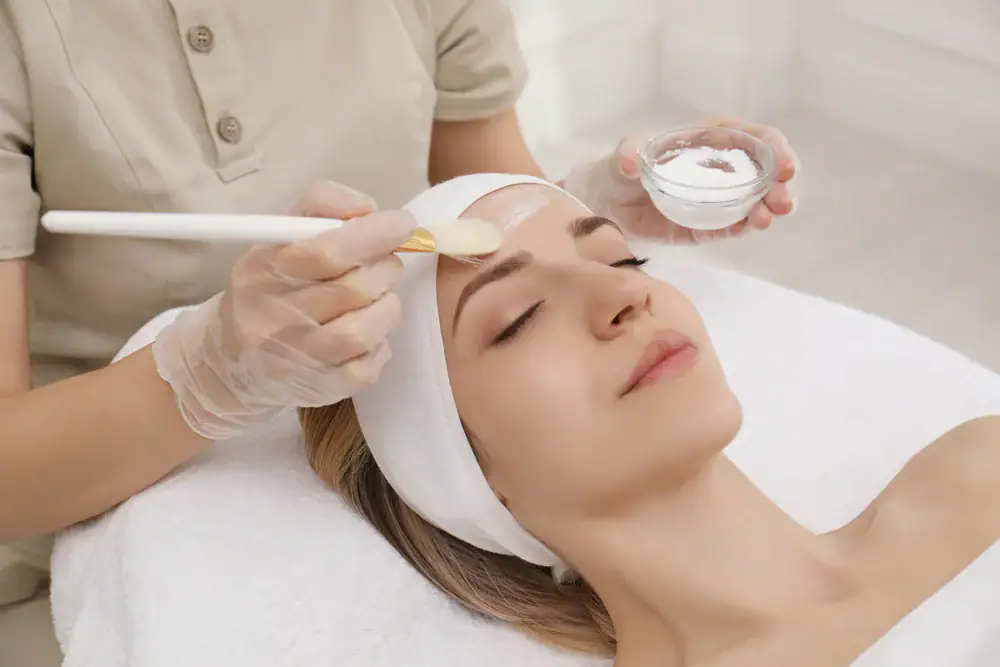
Your skin texture smooths out. Those stubborn dark spots from sun damage or old acne scars start fading within days, not months. Fine lines around your eyes and mouth soften without looking frozen or overdone.
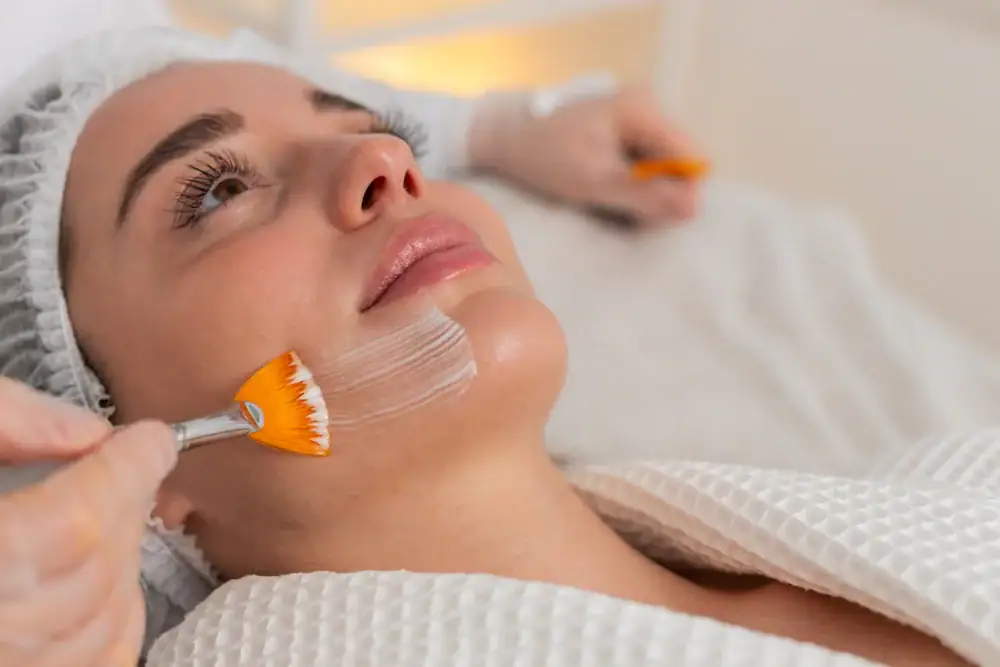
A chemical skin peel works by removing damaged outer layers so healthier skin can surface. You’re not covering up the problem—you’re addressing what’s underneath. That’s why results look natural and last longer than topical products alone.
Most people see visible improvement within a week. Depending on the peel strength and your skin concerns, you might need a series of treatments spaced a few weeks apart. But even after one session, you’ll notice your skin looks fresher and feels smoother when you wash your face in the morning.
Face Peeling Treatment Saddle Brook
We’re led by a board-certified plastic surgeon and staffed by certified, licensed injectors who understand facial anatomy at a clinical level. That matters when you’re putting acid on your face—you want someone who knows exactly what they’re doing.
We’re a platinum-level Allergan partner, which means we meet the strictest standards for product authenticity and treatment protocols. Every chemical peel is medical-grade, FDA-approved, and tailored to your specific skin type and concerns during a complimentary consultation.
Saddle Brook residents don’t have to drive into Manhattan or deal with impersonal clinics. You get the same level of expertise in a lounge-like environment where you’re not rushed through an appointment. Your two-week follow-up is included, and if a touch-up is needed, that’s covered too.
Chemical Face Peel Process
You start with a complimentary consultation where we assess your skin concerns—whether that’s acne scarring, hyperpigmentation, fine lines, or rough texture. We’ll recommend the right peel strength and formulation based on your skin type and how much downtime you can handle.
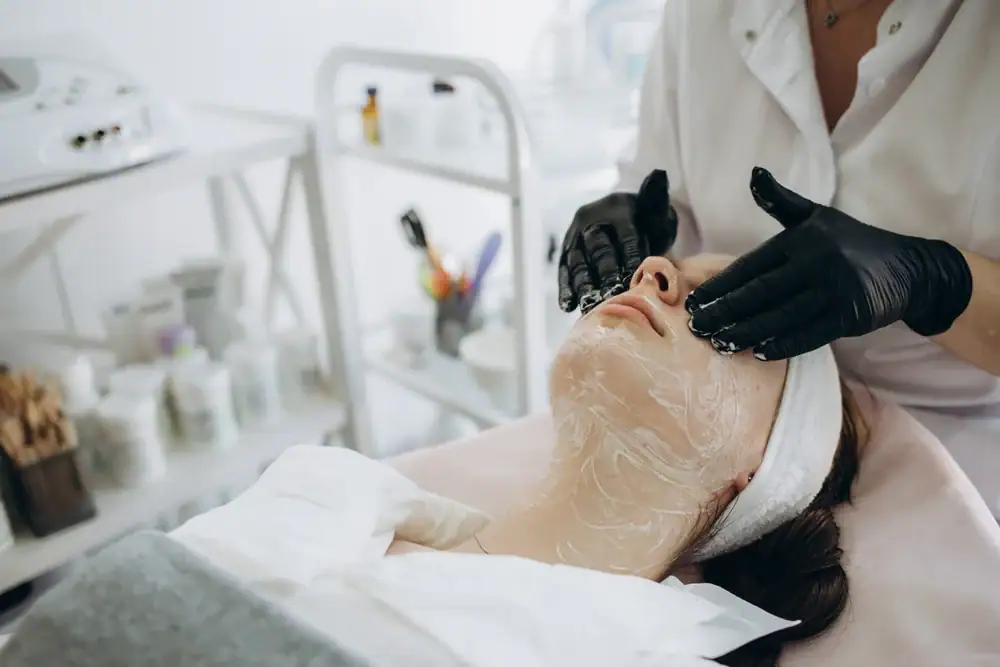
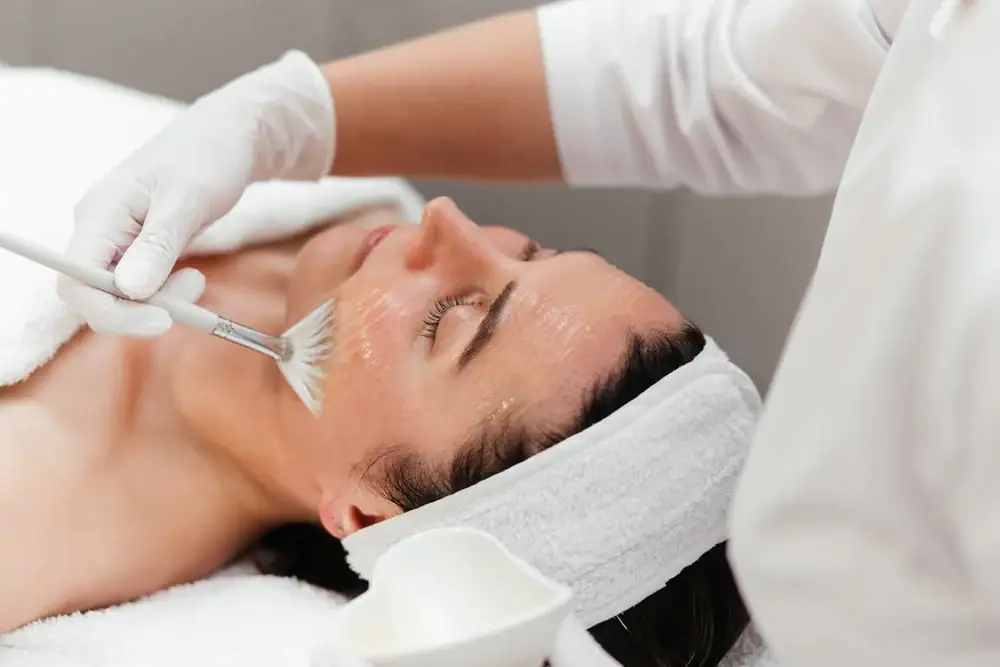
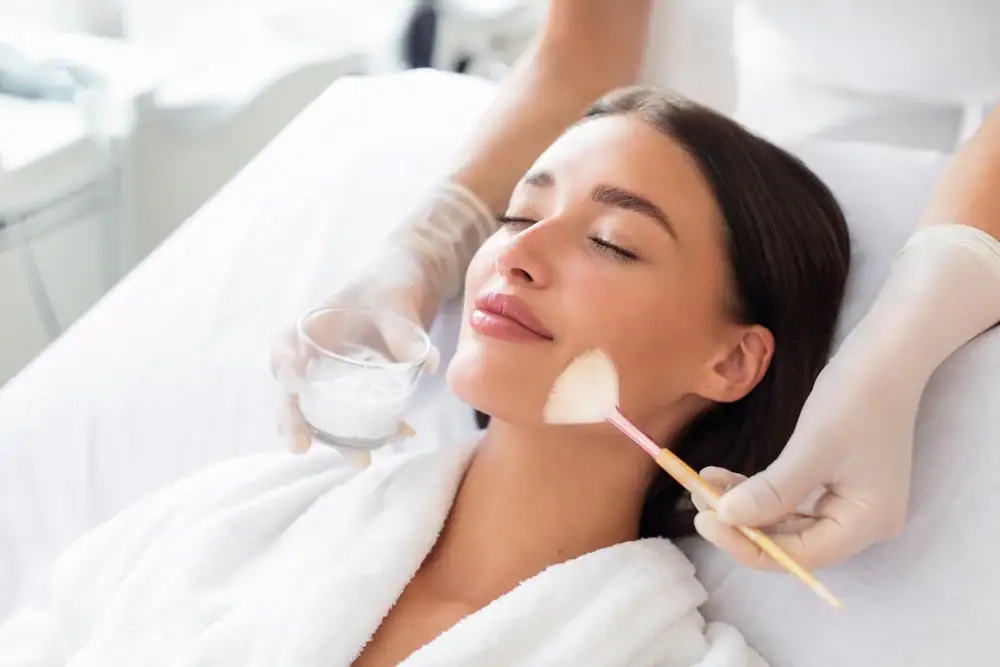
On treatment day, your skin is cleansed and prepped. The chemical solution is applied evenly across the treatment area and left on for a specific amount of time depending on the peel type. You might feel a mild tingling or warmth, but it’s not painful. The solution is then neutralized and removed.
Your skin will look pink or red immediately after, similar to a sunburn. Over the next few days, you’ll start peeling—sometimes in visible flakes, sometimes in a more subtle way depending on the peel depth. This is normal and means it’s working. You’ll get clear aftercare instructions on how to moisturize and protect your skin during this phase.
Within a week, the peeling stops and you’re left with smoother, more even-toned skin. Your two-week follow-up lets us assess results and make any adjustments if needed.
Ready to get started?
Glycolic Chemical Peel Saddle Brook
Every chemical peel at House of Ness includes a complimentary initial consultation, the treatment itself, and a two-week follow-up with touch-up if needed. You’re not paying extra for follow-up care—it’s built in because we want to see how your skin responds and make sure you’re happy with the results.
We offer different peel types depending on what you’re treating. Glycolic chemical peels work well for surface-level concerns like dullness and mild discoloration. Deeper peels address moderate wrinkles, acne scars, and more significant sun damage. During your consultation, we’ll explain which option makes sense for your skin and your schedule.
Saddle Brook’s professional demographic—84% work in administrative or professional roles—means most clients need treatments that fit around busy schedules. That’s why we focus on non surgical chemical peel options with minimal downtime. You can usually return to work the next day, though you’ll want to avoid heavy exercise and sun exposure for about a week.
We also integrate medical-grade skincare into your plan so you can maintain results at home. This isn’t about upselling products—it’s about protecting the investment you just made in your skin.
Request a callback

How long does it take to see results from a chemical peel?
You’ll notice your skin looks brighter and feels smoother within a few days after the peeling phase ends. That’s usually around day five to seven, depending on the peel strength.
For deeper concerns like acne scars or significant sun damage, full results develop over several weeks as your skin continues producing new collagen. You might need a series of treatments spaced three to four weeks apart to get the outcome you’re looking for.
Most people see enough improvement after one peel to feel like it was worth it. But if you’re addressing years of sun damage or stubborn hyperpigmentation, plan on at least three sessions for optimal results.
Does a chemical peel hurt or cause a lot of downtime?
During the treatment, you’ll feel tingling or mild warmth—not pain. It’s tolerable for most people. If it gets uncomfortable, we can adjust the application or neutralize the solution early.
Afterward, your skin will feel tight and look red, similar to a sunburn. The peeling phase starts around day three and lasts a few days. You can cover it with makeup if needed, though it’s better to let your skin breathe.
Downtime depends on peel depth. Superficial peels might just cause light flaking that’s barely noticeable. Medium-depth peels involve more visible peeling, but you’re not housebound—you just need to moisturize frequently and avoid picking at your skin.
Can a chemical peel help with acne scars and dark spots?
Yes, but it depends on the type of scarring and how deep the pigmentation goes. Chemical peels work well for post-inflammatory hyperpigmentation—those dark marks left behind after a breakout heals. They also smooth out shallow, rolling acne scars by encouraging new skin cell turnover.
Deep, pitted scars might need a combination approach with other treatments like microneedling or laser resurfacing. We’ll assess your scarring during the consultation and tell you honestly what a peel can and can’t do.
For dark spots from sun damage or melasma, chemical peels are highly effective. You’ll likely need a series of treatments to see significant fading, especially if the pigmentation has been there for years.
What's the difference between a glycolic peel and other types?
Glycolic acid is a type of alpha hydroxy acid (AHA) derived from sugar cane. It has the smallest molecular size, which means it penetrates the skin quickly and works well for surface-level concerns like dullness, rough texture, and mild discoloration.
Other peels use different acids—salicylic acid for acne-prone skin, lactic acid for sensitive skin, or TCA (trichloroacetic acid) for deeper wrinkles and scarring. Each one targets different concerns and penetrates to different depths.
Glycolic peels are popular because they’re effective with minimal downtime. You get noticeable results without the extended recovery period of deeper peels. If you’ve never had a chemical peel before, a glycolic peel is often a good starting point.
How do I know if I'm a good candidate for a chemical peel?
If you’re dealing with uneven skin tone, fine lines, acne scars, sun damage, or rough texture, you’re probably a good candidate. Chemical peels work on most skin types, though deeper peels require more caution on darker skin tones due to the risk of hyperpigmentation.
You’re not a candidate if you’re currently on Accutane or have been on it within the last six months. Active skin infections, open wounds, or certain medical conditions might also disqualify you temporarily.
During your complimentary consultation, we’ll look at your skin, ask about your medical history, and determine whether a chemical peel is the right move. If it’s not, we’ll tell you what would work better. You’re not locked into anything just because you came in for a consultation.
What should I avoid after getting a chemical peel?
Sun exposure is the biggest thing to avoid. Your new skin is extremely sensitive to UV damage, and going outside without SPF 30 or higher can cause hyperpigmentation or reverse your results. Wear sunscreen every day, even if it’s cloudy.
Skip heavy exercise, saunas, and hot showers for at least a week. Sweating and heat can irritate your skin and prolong redness. Also avoid retinoids, exfoliating scrubs, and any harsh skincare products until your skin fully heals.
Don’t pick at peeling skin, even if it’s tempting. Let it shed naturally. Pulling it off can cause scarring or uneven texture. Stick to gentle cleansers and a good moisturizer, and follow the aftercare instructions we give you at your appointment.