Chemical Peel in Westwood, NJ
Clearer, Smoother Skin Without the Guesswork
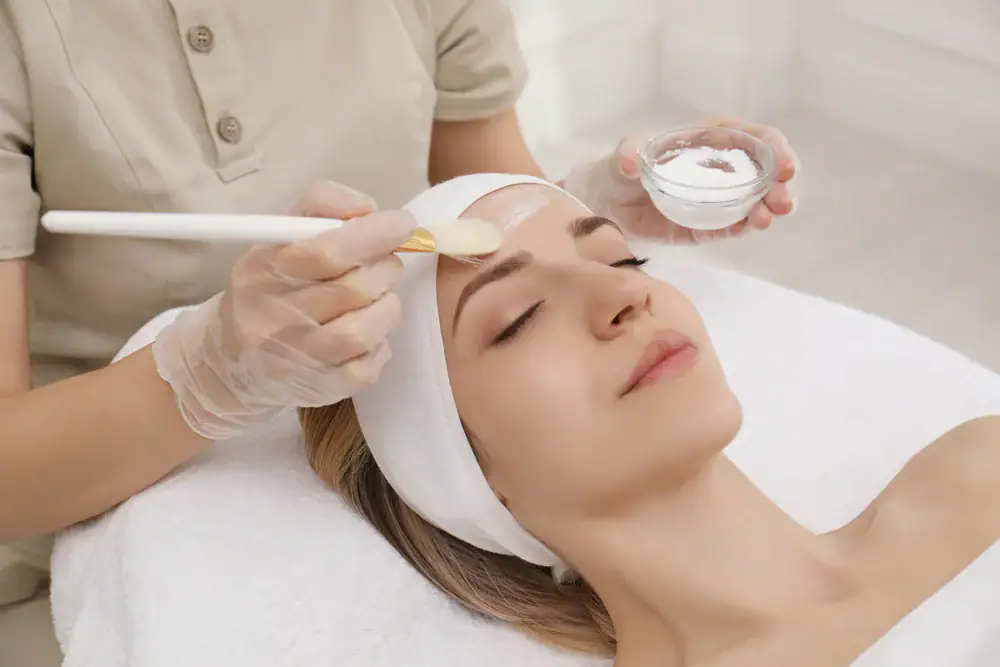
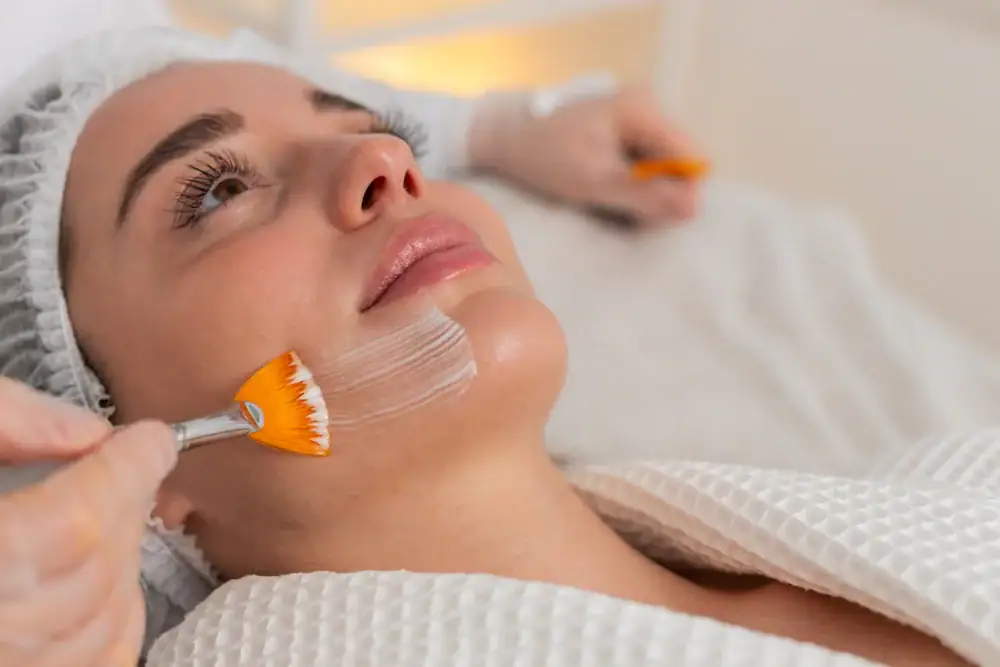
Chemical Face Peel Westwood, NJ
Your skin texture improves. The dullness lifts. Fine lines soften, and those stubborn dark spots start fading within days.
A chemical face peel in Westwood, NJ isn’t about dramatic transformation. It’s about looking like yourself—just fresher, more even, more confident when you catch your reflection.
You’re not covering up anymore. The hyperpigmentation from last summer’s sun damage becomes less obvious. Acne scars that makeup never quite hid start blending into smoother skin. Your face feels different when you wash it—softer, tighter, younger.
This is what happens when a board-certified plastic surgeon oversees your face peeling treatment in Westwood, NJ. The peel strength matches your skin type. The application technique matters. And someone’s actually checking on you two weeks later to make sure everything healed the way it should.
Most places do the treatment and move on. You’re left wondering if what you’re seeing is normal. We include a complimentary follow-up. If something needs adjusting, we handle it. No extra charge. No runaround.
Best Chemical Peel Westwood, NJ
We operate under the oversight of a board-certified plastic surgeon. That’s not standard for med spas, and it matters more than most people realize when you’re getting the best chemical peel Westwood, NJ offers.
Your injector isn’t working alone. There’s a medical director reviewing protocols, checking product authenticity, and making sure safety standards don’t slip. You’re in a platinum-level Allergan facility, which means the products are real, the training is current, and the standards are high.
Westwood families value quality. The median household income here is over $169,000, and people aren’t looking for bargain treatments—they’re looking for results they can trust. That’s why we focus on natural outcomes, transparent pricing, and follow-through that most competitors skip.
You also get matched with the right provider for your specific skin concerns. Not everyone does chemical skin peels in Westwood, NJ the same way, and not every provider has the same strengths. That matching process means you’re not just getting whoever’s available—you’re getting the person best suited to your goals.
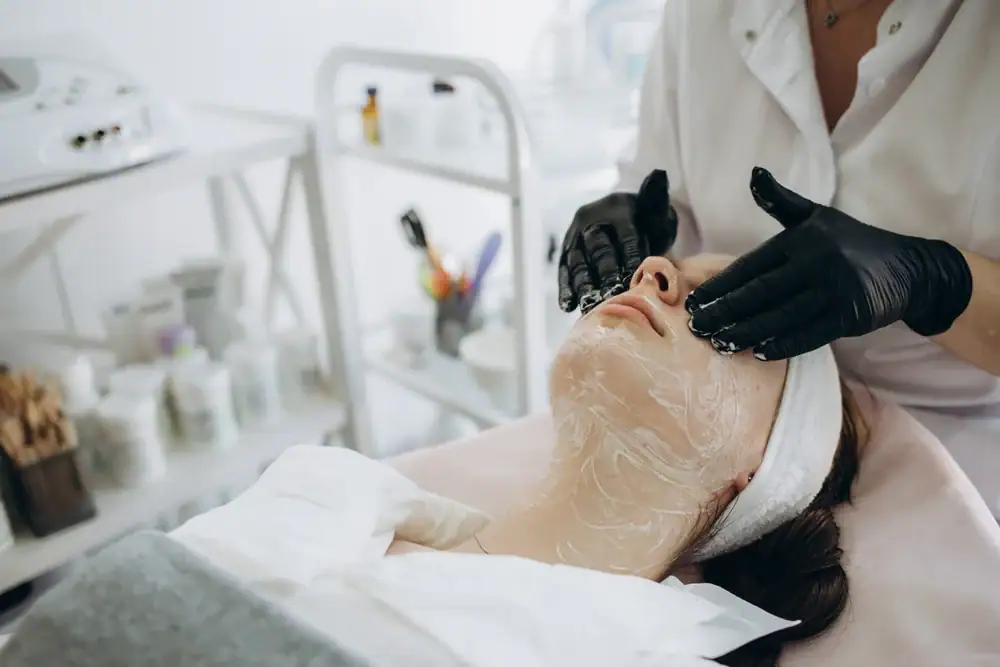
Chemical Skin Peel Westwood, NJ Process
You start with a complimentary consultation. No pressure. No upselling. Just an honest conversation about what’s realistic for your skin type, your concerns, and your schedule.
Your provider examines your skin and recommends a peel strength—superficial, medium, or deep—based on what you’re dealing with. Melasma needs a different approach than acne scars. Sun damage doesn’t respond the same way as fine lines. The glycolic chemical peel in Westwood, NJ that works for one person might be too aggressive or too mild for another.
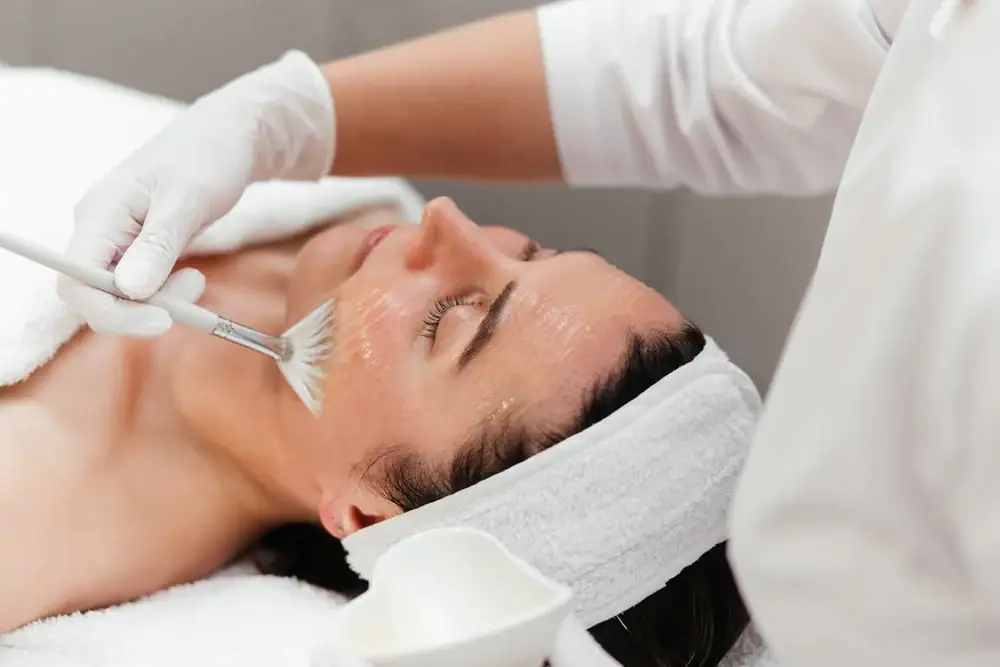
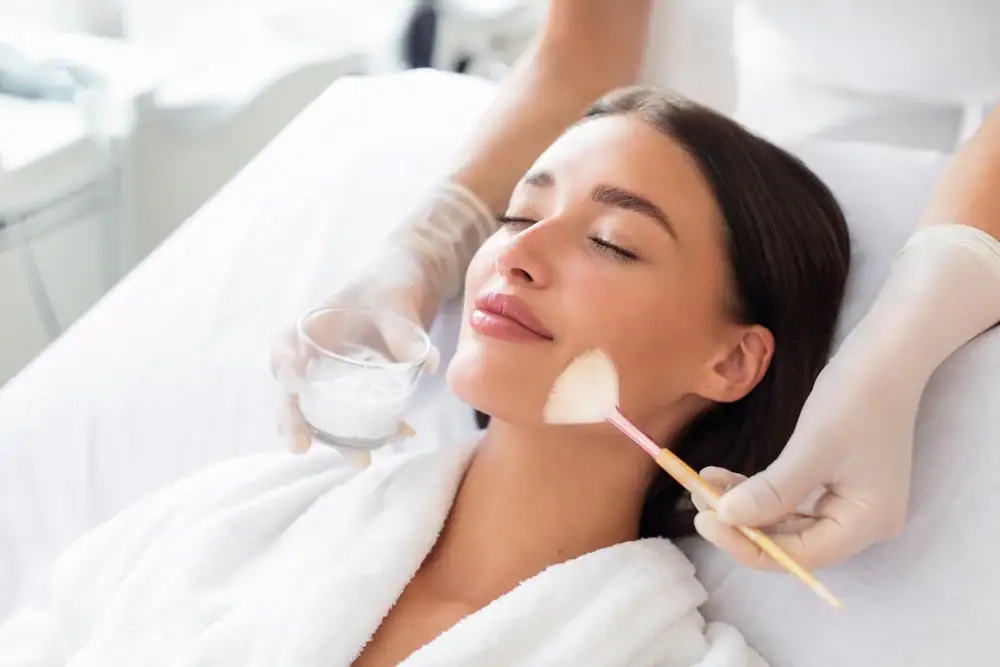
During the treatment, your skin gets prepped and cleaned. The chemical solution goes on in controlled layers. You’ll feel some tingling or warmth—that’s normal. It’s not comfortable, but it’s not unbearable either. Most people describe it as intense but manageable.
Afterward, you get clear instructions for healing. Your skin will peel over the next few days. That’s the point. Dead skin sheds, and fresh skin comes through. You’ll look a little red and flaky for a bit—plan accordingly.
Two weeks later, you come back. Your provider checks your results and does a complimentary touch-up if needed. That follow-up is included. It’s not an upsell. It’s part of making sure the non surgical chemical peel in Westwood, NJ you paid for actually delivered what you expected.
Ready to get started?
Face Peeling Treatment Westwood, NJ Options
You get a complimentary consultation before anything touches your face. That’s where your provider assesses your skin, talks through your goals, and explains which face peeling treatment in Westwood, NJ makes sense for you.
The treatment itself is customized. Superficial peels target surface-level concerns like dullness and minor texture issues. Medium peels go deeper for pigmentation, fine lines, and moderate sun damage. Deep peels address more significant aging signs and scarring. Your provider picks the right formulation and strength based on your skin’s needs—not based on what’s easiest to apply.
You also get post-treatment skincare guidance. The products you use afterward matter. Medical-grade skincare helps protect and optimize your results. We integrate that into your plan so you’re not guessing what to buy at the drugstore.
The two-week follow-up is automatic. You don’t have to ask for it. You don’t pay extra. Your provider evaluates your healing and makes any necessary adjustments. If a touch-up is needed, it’s complimentary.
Westwood residents are busy. The median age here is 41, and most people are juggling careers, families, and packed schedules. That’s why we keep wait times minimal and make the process straightforward. You’re not sitting in a waiting room for 45 minutes. You’re in and out with one-on-one attention the entire time.
Request a callback

How much does a chemical peel cost in Westwood, NJ?
Pricing depends on the type of peel and the area being treated. Superficial peels typically cost less than medium or deep peels because they use milder solutions and require less recovery time.
At House of Ness, you get transparent pricing with no surprise fees. The cost includes your consultation, the treatment itself, and your two-week follow-up with a complimentary touch-up if needed. Most med spas charge separately for follow-ups or don’t offer them at all.
If you’re a new client, military personnel, nurse, or first responder, you qualify for special pricing. We also participate in the Allē rewards program, so you can earn points on your treatment and use them toward future services. That’s a benefit of being treated at a platinum-level Allergan partner—not every med spa qualifies for that program.
Will a chemical peel hurt, and how bad is the downtime?
You’ll feel tingling, warmth, and some stinging during the treatment. It’s not painless, but it’s tolerable. Most people describe it as uncomfortable but manageable—not excruciating.
The discomfort peaks during application and fades once the solution is neutralized. Superficial peels cause the least sensation. Medium and deep peels feel more intense because they penetrate further into your skin. Your provider monitors your comfort level throughout and adjusts as needed.
Downtime varies by peel strength. Superficial peels might leave you slightly red for a day or two with light flaking. Medium peels cause more noticeable peeling for about a week—your skin will look dry and shed visibly. Deep peels require the most recovery, sometimes up to two weeks of significant peeling and redness. Your provider walks you through what to expect based on the peel you’re getting so you can plan around work, events, and social commitments.
Is a chemical peel safe for my skin type and tone?
Chemical peels can be safe for most skin types and tones when done correctly. The key is matching the right peel strength and formulation to your specific skin.
People with darker skin tones face higher risks of post-inflammatory hyperpigmentation if the peel is too aggressive or applied improperly. That’s why having a board-certified plastic surgeon overseeing your treatment matters. Your provider at House of Ness assesses your skin tone, thickness, sensitivity, and concerns before recommending a peel. We’re not using a one-size-fits-all approach.
Glycolic and salicylic acid peels are generally safer for darker skin when used at appropriate concentrations. TCA peels require more caution. Your provider explains the risks specific to your skin and adjusts the treatment plan accordingly. The two-week follow-up also catches any complications early—hyperpigmentation, infection, or unusual healing—so they can be addressed before they become bigger problems.
What skin concerns does a chemical peel actually fix?
Chemical peels improve fine lines, sun damage, uneven pigmentation, acne scars, rough texture, and dullness. They work by removing damaged outer layers of skin so fresher, healthier skin can surface.
Superficial peels handle minor texture issues, light discoloration, and surface-level dullness. They’re good for maintenance and subtle improvements. Medium peels target deeper pigmentation problems, moderate sun damage, and more noticeable fine lines. Deep peels address significant aging signs, deeper wrinkles, and more severe scarring—but they also come with longer recovery times.
You won’t see results immediately. Your skin needs time to peel and heal. Improvement becomes visible as new skin emerges, usually within a week or two depending on peel depth. Some concerns, like melasma or stubborn hyperpigmentation, may require multiple treatments spaced several weeks apart. Your provider at House of Ness sets realistic expectations during your consultation so you know exactly what one treatment can accomplish versus what might need a series.
How is getting a chemical peel at a med spa different from doing one at home?
Professional chemical peels use higher-strength solutions that penetrate deeper than anything you can buy over the counter. That’s why they deliver more dramatic results—but also why they require trained application.
At-home peels are weaker by design to reduce injury risk. They might improve minor texture or dullness, but they won’t address deeper pigmentation, scarring, or significant sun damage. The DIY versions also come with real risks if misused—chemical burns, infections, and worsening hyperpigmentation are all documented complications from people who applied products incorrectly or used too much.
At House of Ness, your provider controls the solution strength, application technique, and timing. They monitor your skin’s reaction in real time and neutralize the peel at the right moment. You also get professional aftercare instructions and a follow-up to make sure you’re healing properly. If something goes wrong, you have a board-certified plastic surgeon’s office backing your care—not a customer service line for a skincare brand.
How soon will I see results, and how long do they last?
You’ll start seeing improvement once your skin finishes peeling, usually within 7 to 14 days depending on peel depth. Your skin will look smoother, brighter, and more even as the new layer emerges.
Results from superficial peels last a few months. They’re great for maintaining skin quality, but they’re not permanent. Medium peels deliver longer-lasting improvement—often six months to a year—because they penetrate deeper and stimulate more collagen production. Deep peels can last several years, but they also require the most recovery time and aren’t suitable for everyone.
How long your results last also depends on how you care for your skin afterward. Sun exposure, smoking, and skipping sunscreen will all shorten the lifespan of your results. We provide medical-grade skincare recommendations to help protect and extend what you’ve invested in. Your provider also discusses maintenance treatments during your follow-up so you can plan ahead if you want to keep your skin looking its best long-term.