Sculptra Injection in Saddle Brook, NJ
Natural Collagen That Builds Over Time, Lasts for Years
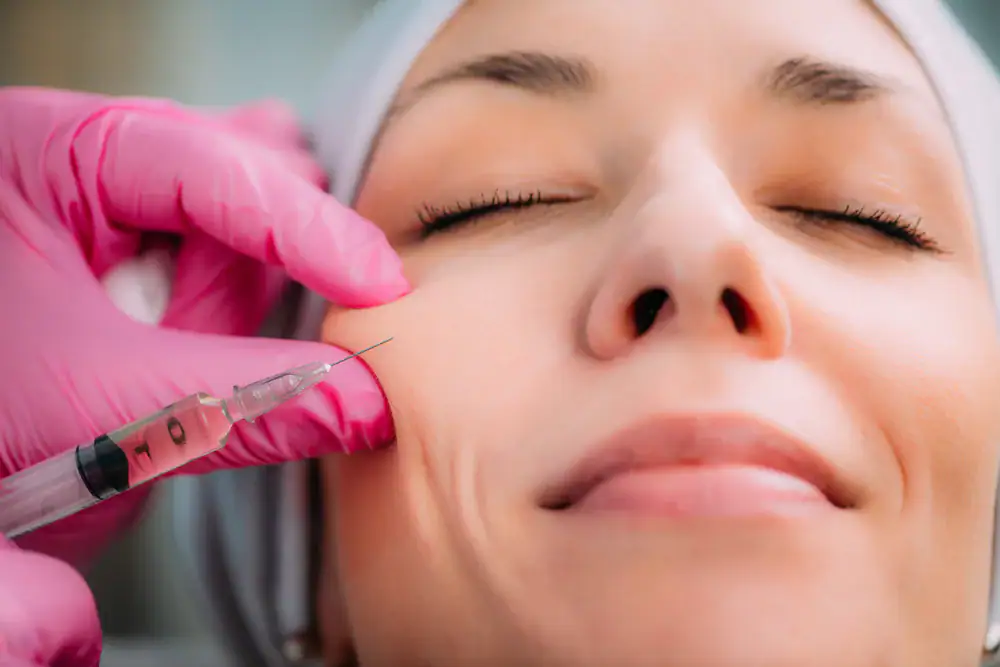

Sculptra Collagen Stimulation in Saddle Brook, NJ
You’re losing about 1% of your collagen every year after age 20. That’s not dramatic until you realize it’s been happening for decades. The hollowing around your cheeks, the deepening lines near your mouth, the way your jawline doesn’t look as defined—that’s collagen loss showing up in real time.
Sculptra filler in Saddle Brook, NJ doesn’t just fill space like traditional fillers. It triggers your skin to rebuild its own collagen using poly-L-lactic acid, a biocompatible material that’s been used safely in medical products for decades. Your results develop over weeks and months, not overnight. That means no sudden change that makes people wonder what you did.
Clinical studies show Sculptra increases type I collagen by 66.5% after three months. Patients see improvement for up to two years, sometimes longer. Compare that to hyaluronic acid fillers that last six to twelve months, or Botox that fades in three to four. You’re looking at fewer appointments, less time in the chair, and better value over time.
Board-Certified Sculptra Provider in Saddle Brook, NJ
House of Ness is led by a Board Certified Plastic Surgeon and staffed by licensed, certified injectors who understand facial anatomy at a clinical level. That’s not standard in the med spa world, and it matters when someone’s working on your face.
We’re a platinum-level Allergan partner, which means every product is FDA-approved and sourced directly from the manufacturer. No shortcuts, no counterfeit risk. You also get a complimentary consultation before treatment and a two-week follow-up with touch-ups included if needed.
Saddle Brook residents don’t have to drive into Manhattan or deal with impersonal clinics. You’re getting the same level of expertise in a setting that’s comfortable, transparent, and focused on your specific goals—not a one-size-fits-all approach.
How Sculptra Treatment Works in Saddle Brook, NJ
Your appointment starts with a consultation where we map out your facial structure and talk through what you’re hoping to improve. Sculptra collagen building isn’t about filling every line—it’s about restoring foundational volume in areas like the cheeks, temples, and jawline. We’ll show you where collagen loss is most visible and explain how many vials you’ll likely need. A general rule is one vial per decade of life, but that varies.
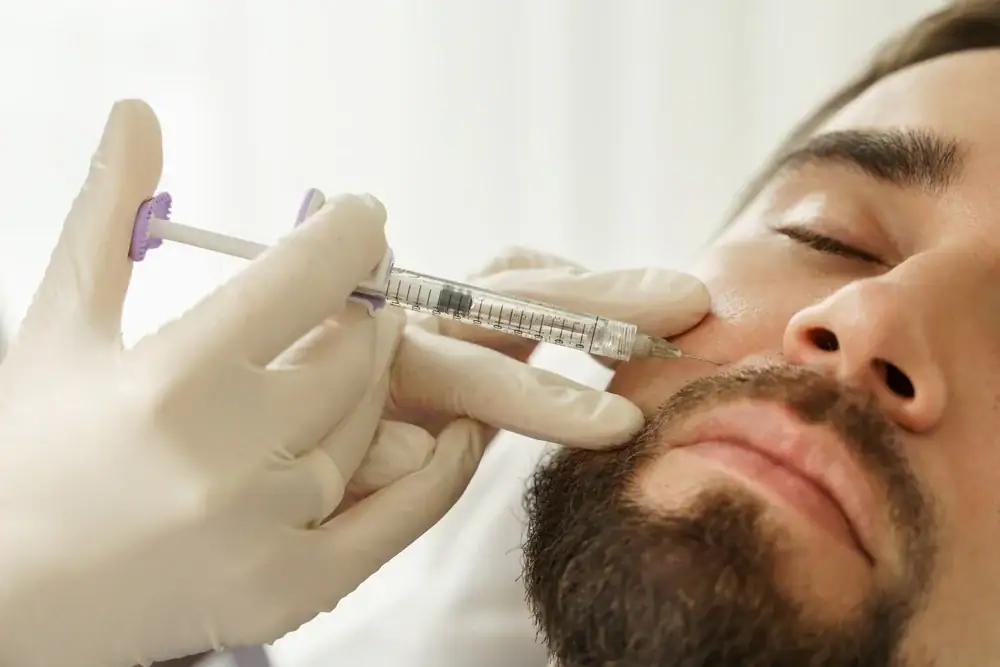
The injection itself takes about 30 minutes. Most people describe it as mild discomfort, not pain. We use a fine needle and work in small amounts across targeted areas. There’s no significant downtime. You might have minor swelling or tenderness for a day or two, but nothing that keeps you out of work or social plans.
Results don’t show up immediately. Sculptra skin tightening happens as your body responds to the poly-L-lactic acid and starts producing new collagen. You’ll start noticing subtle changes around four to six weeks. Full results develop over three to six months and can last up to two years or more. That gradual timeline is actually the advantage—it looks like you’re aging in reverse, not like you had work done last Tuesday.
Ready to get started?
What's Included with Sculptra in Saddle Brook, NJ
Every Sculptra collagen boost treatment at House of Ness includes a complimentary consultation before you commit to anything. We talk through your goals, assess your skin, and give you honest feedback about what Sculptra can and can’t do. If it’s not the right fit, we’ll tell you.
You also get a two-week follow-up appointment with touch-ups included at no extra cost. That’s not standard everywhere, but it should be. Sculptra is an art and a science, and minor adjustments help ensure you’re getting the outcome you came in for.
We also provide a medical-grade skincare consultation to help you protect and extend your results. Sculptra builds collagen, but your daily routine affects how long that collagen stays healthy. We’re not trying to upsell you—we’re trying to make sure your investment actually lasts.
Bergen County has a strong aesthetic market, and people here know the difference between a quick cosmetic fix and a treatment that’s designed to last. Saddle Brook residents tend to value quality and longevity over cheap, short-term solutions. That’s exactly what Sculptra delivers, and it’s why we’ve built our practice around it.
Request a callback

How long does Sculptra injection in Saddle Brook, NJ actually last?
Sculptra results last up to two years, and in many cases longer. That’s significantly more than traditional fillers like Juvederm or Restylane, which typically last six to twelve months. Botox lasts about three to four months.
The reason Sculptra lasts longer is because it’s not just sitting under your skin as a filler. It’s stimulating your body to produce its own collagen, which integrates into your tissue. Once that collagen is built, it doesn’t disappear overnight.
You’ll likely need a series of treatments spaced a few weeks apart to get full results. After that, maintenance is minimal. Some people come back after two years for a touch-up, others go longer. It depends on your age, skin quality, and how your body metabolizes the product.
Is Sculptra filler better than hyaluronic acid fillers for facial rejuvenation?
It depends on what you’re trying to fix. Hyaluronic acid fillers like Juvederm or Restylane are great for adding immediate volume to specific areas like lips or under-eye hollows. You see results right away, and they’re reversible if needed.
Sculptra is better for overall facial volume loss and skin quality. It works more gradually and addresses the underlying issue—collagen depletion—rather than just masking it. If you want a natural transformation that builds over time and lasts longer, Sculptra is the better choice.
Some people use both. We might recommend hyaluronic acid for targeted areas and Sculptra for broader facial rejuvenation. It’s not one or the other. It’s about what makes sense for your face and your goals.
What should I expect during a Sculptra treatment appointment in Saddle Brook?
Your appointment will take about 30 to 45 minutes. We start by cleaning the treatment area and may apply a topical numbing cream if you’re concerned about discomfort, though most people don’t need it. Sculptra is mixed with lidocaine, so the injection itself has a built-in numbing effect.
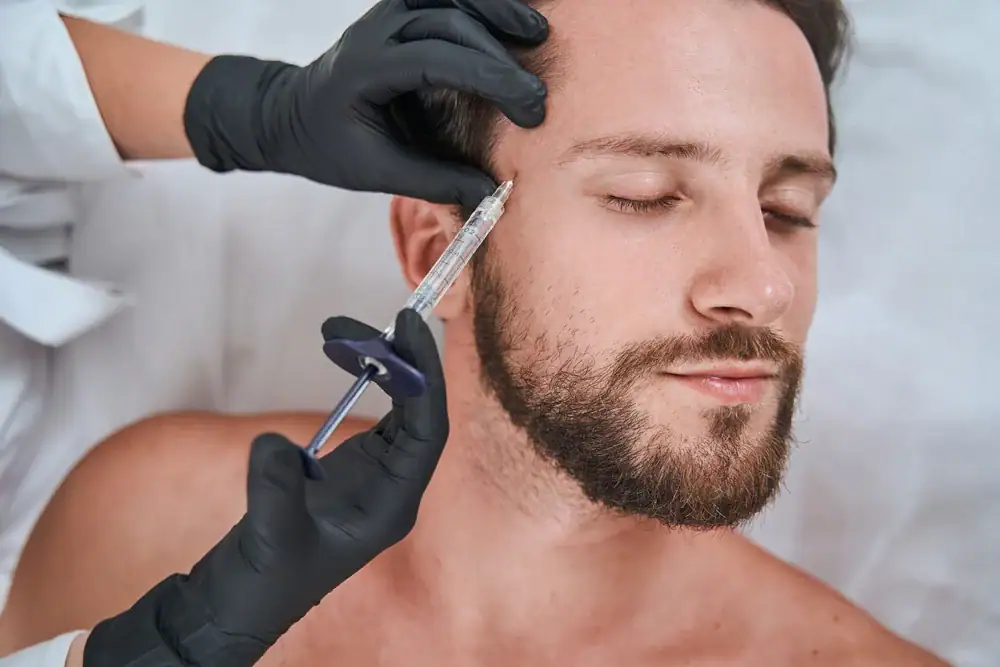
We use a fine needle to inject small amounts of Sculptra into targeted areas—usually the cheeks, temples, or jawline. You’ll feel pressure and a slight pinch, but it’s not painful. We work slowly and check in with you throughout the process.
After the injection, we’ll massage the treated areas to distribute the product evenly. You’ll need to massage at home for the next few days as well—five minutes, five times a day, for five days. It sounds like a lot, but it’s important for even results. There’s minimal downtime. You might have some swelling or tenderness, but nothing that stops you from going about your day.
How many Sculptra vials will I need for good results?
Most people need two to three vials total, spread across two to three sessions. A common guideline is one vial per decade of life, but that’s not a hard rule. Someone in their 40s with moderate volume loss might need two vials. Someone in their 60s with more significant collagen depletion might need four.
It depends on how much correction you’re looking for and where you’re losing volume. During your consultation, we’ll assess your face and give you a realistic estimate. We don’t push extra vials to increase the bill—we base it on what will actually give you the result you want.
Sessions are typically spaced three to four weeks apart. Sculptra needs time to stimulate collagen production, so spacing out treatments allows your body to respond before adding more. Trying to do it all at once doesn’t speed up results and can increase the risk of lumps or uneven texture.
Does Sculptra collagen stimulation work for all skin types and ages?
Sculptra is FDA-approved for adults over 18 and works across all skin types. It’s especially effective for people in their 40s, 50s, and 60s who are dealing with moderate to significant volume loss. Younger patients sometimes use it preventatively, but it’s not usually necessary if you’re still producing collagen at a healthy rate.
Sculptra works well on all skin tones because it doesn’t rely on heat or light-based technology that can cause pigmentation issues in darker skin. It’s a purely injectable treatment that stimulates collagen production beneath the surface, so there’s no risk of discoloration or scarring.
That said, Sculptra isn’t ideal for everyone. If you have an active skin infection, certain autoimmune conditions, or a history of keloid scarring, we’ll discuss alternatives. We also don’t recommend it for people looking for immediate results—if you need volume for an event next week, a traditional filler is a better option.
Can I combine Sculptra with Botox or other injectables?
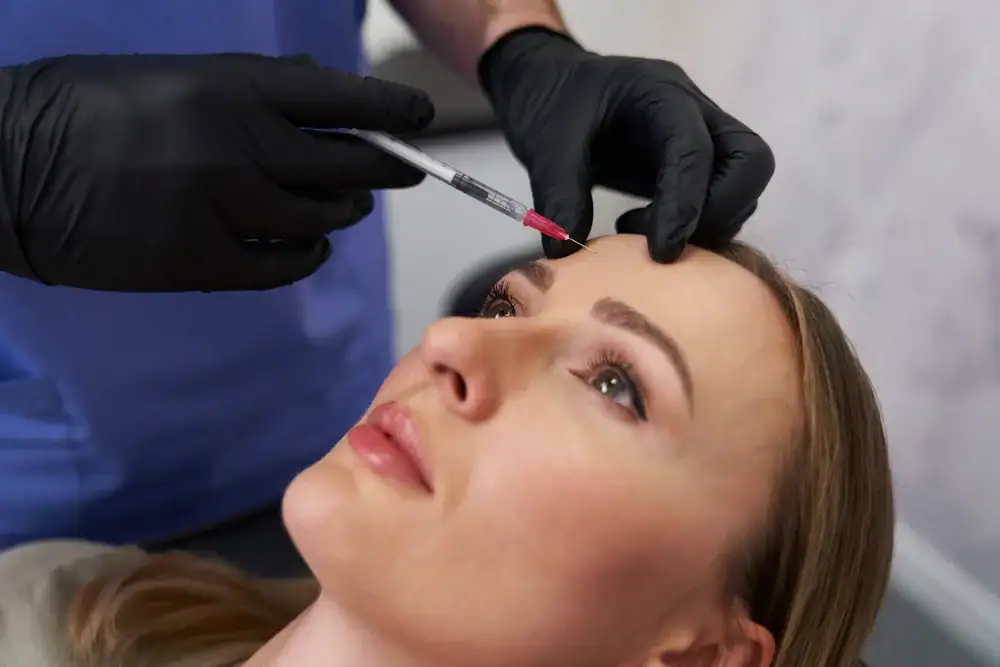
Yes, and many people do. Sculptra addresses volume loss and skin quality by building collagen. Botox addresses muscle movement that causes wrinkles like crow’s feet and forehead lines. They work in different ways and complement each other well.
You can have both done in the same appointment or space them out. There’s no medical reason to wait between treatments. Some people prefer to start with Sculptra and see how their face responds before adding Botox. Others already have a Botox routine and add Sculptra to address deeper volume concerns.
We also combine Sculptra with medical-grade skincare to protect and extend your results. Building collagen is one thing—keeping your skin healthy so that collagen lasts is another. We’ll walk you through what makes sense for your specific situation during your consultation.