Chemical Peel Benefits: A Med Spa Solution for Clearer, Younger Skin in Bergen County
Chemical peels remove damaged skin layers to reveal smoother, brighter skin underneath—addressing everything from acne to fine lines with minimal downtime.
Share:
Summary:
What Is a Chemical Peel and How Does It Work
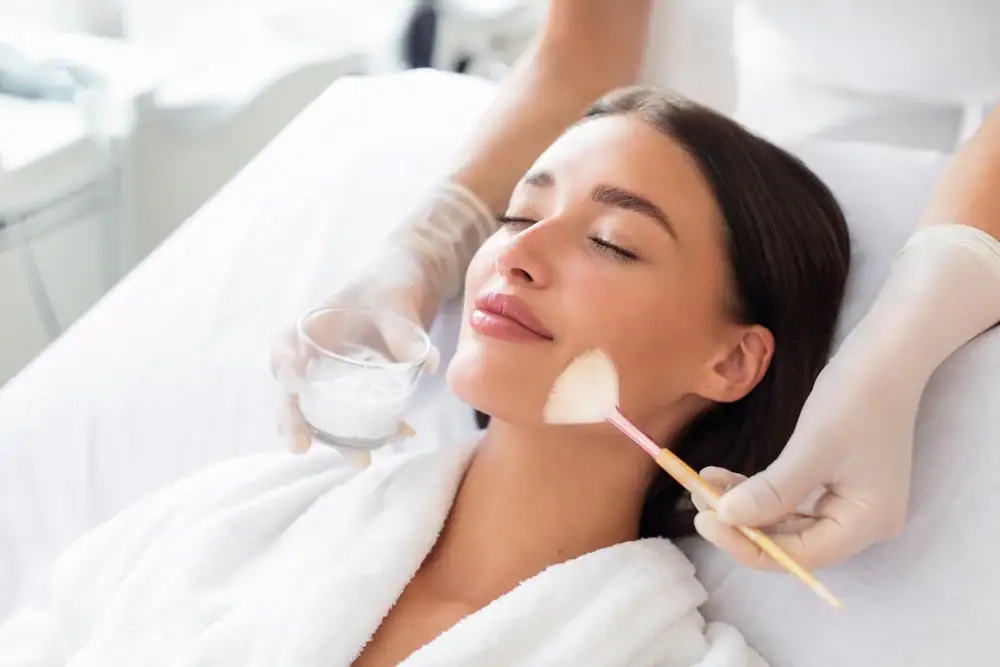
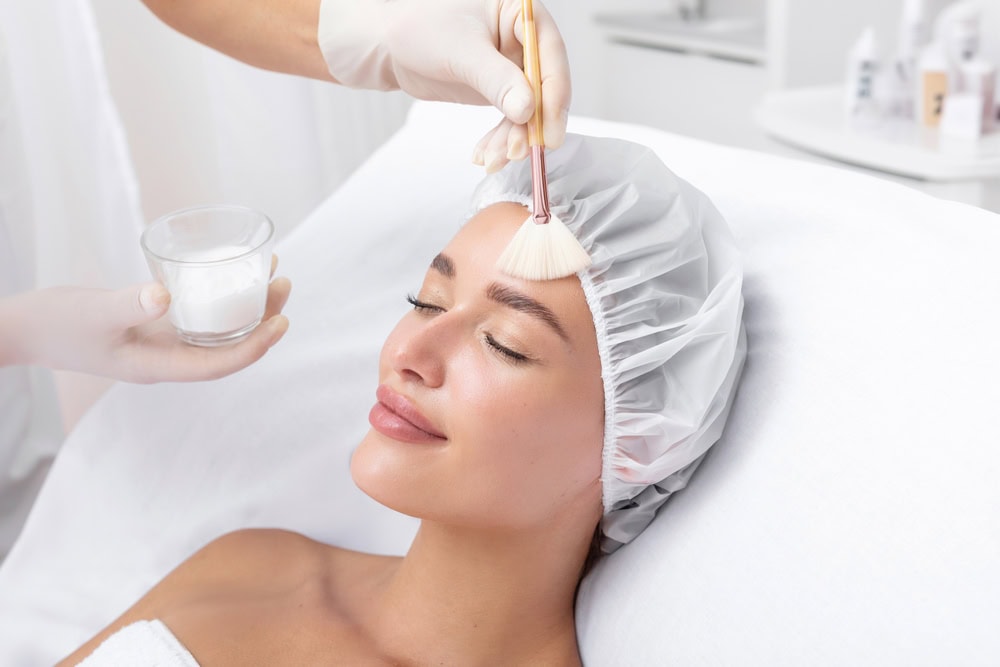
A chemical peel uses a carefully formulated chemical solution applied to your skin to remove damaged outer layers. Think of it as controlled exfoliation that goes deeper than anything you can do at home.
The solution causes the top layer of skin to peel away over the course of several days. What’s left underneath is fresher skin that hasn’t been exposed to years of sun, pollution, and daily wear. At the same time, the process triggers your body’s natural healing response, which ramps up collagen production—the protein that keeps skin firm and smooth.
There are three main types: light peels that target just the outermost layer, medium peels that go deeper into the dermis, and deep peels that penetrate even further for more dramatic results. Your provider will recommend the right depth based on your skin concerns, type, and how much downtime you can handle.
How Chemical Peels Address Common Skin Concerns
Chemical peels aren’t a one-size-fits-all treatment. They’re customized based on what you’re trying to fix.
For acne and acne scars, peels work by unclogging pores and removing the damaged skin cells that create texture issues and discoloration. Salicylic acid peels are particularly effective here because they penetrate oil-filled pores. The exfoliation also helps prevent future breakouts by keeping pores clear.
If you’re dealing with hyperpigmentation—dark spots, melasma, uneven tone—peels remove the layers where excess melanin has built up. This is especially common after sun exposure or hormonal changes. Medium-depth peels tend to show the most improvement for pigmentation issues because they reach the layer where discoloration lives.
Fine lines and wrinkles respond well to chemical peels because of the collagen boost. As your skin heals, it produces fresh collagen, which plumps and smooths the skin from within. Light to medium peels can soften fine lines around the eyes and mouth, though deeper wrinkles may need a stronger peel or a combination approach.
Sun damage shows up as rough texture, dark spots, and premature aging. Chemical peels reverse this by removing the damaged outer layers and revealing healthier skin that hasn’t been beaten down by UV exposure. Some deeper peels can even address precancerous growths caused by years of sun damage.
Dull, tired-looking skin gets an immediate refresh. When dead cells pile up on the surface, your complexion looks flat and uneven. Peels strip that buildup away, and the new skin that emerges is brighter, smoother, and more receptive to the skincare products you use at home.
The key is matching the peel type and strength to your specific concern. That’s why a consultation matters—your provider can assess your skin and recommend the right approach instead of guessing.
What to Expect During Recovery After a Chemical Peel
Recovery depends entirely on which type of peel you get. Light peels have minimal downtime. You might notice some redness and flaking for a few days, similar to a mild sunburn. Most people go right back to work and normal activities.
Medium peels require more patience. Expect visible peeling that lasts about a week. Your skin will look red and tight at first, then it’ll start to flake and shed. Days three and four are usually when the peeling is most noticeable. You’ll want to plan around this if you have events or meetings.
Deep peels involve significant downtime—two to three weeks of recovery at home. Swelling, redness, and peeling are more intense. But the results are also more dramatic and longer-lasting.
No matter which peel you get, the aftercare is critical. You’ll need to keep your skin moisturized and avoid picking at peeling skin, which can cause scarring. Sun protection is non-negotiable. Your new skin is more vulnerable to UV damage, so a broad-spectrum sunscreen is essential every single day.
Most providers recommend avoiding active skincare ingredients like retinoids and acids for at least two weeks after your peel. Your skin needs time to heal without additional irritation. Gentle cleansers and heavy moisturizers are your best friends during recovery.
You should also skip the gym for a few days. Sweating can irritate healing skin and even cause complications if sweat gets trapped under peeling layers. Give your skin the space it needs to do its job.
The discomfort is usually manageable. Light peels might sting a bit during application, but it fades quickly. Medium and deep peels can cause more intense sensations, but we can use cooling techniques or numbing agents to keep you comfortable.
Results start showing once the peeling process is complete. For light peels, you’ll see a subtle glow and smoother texture right away. Medium peels deliver more noticeable improvement in tone and clarity after about a week. Deep peels can take several weeks to fully reveal results, but the transformation is significant.
Want live answers?
Connect with a House of Ness expert for fast, friendly support.
Who Should Consider a Chemical Peel
Chemical peels work well for most skin types, but they’re not for everyone. The ideal candidate has specific skin concerns that peels are proven to address—acne, scarring, pigmentation, fine lines, rough texture, or sun damage.
You should be in generally good health and have realistic expectations. Peels improve your skin, but they don’t stop the aging process or erase deep wrinkles. They also won’t tighten sagging skin or fill in lost volume. Those concerns need different treatments.
Your skin tone matters when choosing a peel. Lighter skin tones have more flexibility with peel types and depths. Darker skin tones can absolutely benefit from chemical peels, but the risk of post-inflammatory hyperpigmentation is higher, especially with deeper peels. That’s why working with an experienced provider who understands how to treat all skin types is crucial.

When Chemical Peels Might Not Be the Right Choice
Certain conditions make chemical peels risky or ineffective. If you have active skin infections, open wounds, or inflammatory conditions like eczema or psoriasis in the treatment area, you’ll need to wait until those are under control.
Pregnant or breastfeeding women should avoid chemical peels. There’s limited research on how the chemicals affect pregnancy, so we recommend waiting.
If you’ve used isotretinoin (Accutane) in the past six to twelve months, your skin may not be ready for a peel. Isotretinoin affects how your skin heals, and getting a peel too soon can increase the risk of scarring.
People with a history of keloid scarring need to be cautious. Chemical peels create a controlled wound, and if your body tends to overproduce scar tissue, a peel could trigger keloid formation.
If you have very dark skin and are considering a medium or deep peel, the risk of permanent pigmentation changes is higher. Superficial peels are generally safer, but even then, you need a provider who has experience treating darker skin tones and knows how to minimize risk.
Unrealistic expectations are another reason to pause. If you’re hoping a peel will completely erase deep wrinkles, eliminate all scarring, or give you perfect skin, you’re setting yourself up for disappointment. Peels improve skin—they don’t perform miracles.
Finally, if you can’t commit to sun protection after your peel, don’t get one. Your new skin is vulnerable, and UV exposure can undo your results or cause hyperpigmentation. If you’re not willing to wear sunscreen daily and avoid direct sun, a chemical peel isn’t worth the investment.
Why Chemical Peels Are Among the Most Requested Med Spa Treatments
Chemical peels have staying power in the aesthetic world because they deliver visible results without surgery. They ranked among the top five minimally invasive procedures in the United States, with millions performed each year.
Part of the appeal is versatility. Peels can be customized to treat a wide range of concerns, from mild texture issues to significant sun damage. You’re not locked into one outcome—we can adjust the type and strength based on what your skin needs.
The recovery is also manageable for most people. Light peels fit into a busy schedule with little to no downtime. Even medium peels only require about a week of planning. Compare that to surgical procedures, and the trade-off is clear.
Cost is another factor. Chemical peels are more affordable than many other aesthetic treatments, especially when you consider the results. You don’t need anesthesia, an operating room, or weeks of recovery. It’s a straightforward, in-office procedure.
Results are also repeatable. Unlike some treatments that are one-and-done, you can get light peels monthly and medium peels a few times a year to maintain your skin. That flexibility appeals to people who want ongoing improvement rather than a single dramatic change.
Social media and increased awareness have played a role too. People see real before-and-after results and hear from others who’ve had positive experiences. That transparency builds trust and makes the treatment feel more accessible.
In Bergen County specifically, the demand for skin rejuvenation treatments at medical spas is strong. Clients want results that look natural and fit into their lives. Chemical peels check both boxes. They improve skin without changing your face, and they don’t require taking time off work or hiding at home for weeks.
The science behind chemical peels is also well-established. This isn’t a trendy treatment with questionable results. Dermatologists and plastic surgeons have been using peels for decades, and the research backs up their effectiveness for specific skin concerns.
Ultimately, chemical peels are popular because they work. When done correctly by a qualified provider, they deliver noticeable improvement in texture, tone, and overall skin quality. That’s what keeps people coming back.
Is a Chemical Peel Right for Your Skin Goals
Chemical peels offer a proven way to address skin concerns that surface-level treatments can’t touch. Whether you’re dealing with acne scars, uneven tone, fine lines, or sun damage, the right peel can make a real difference.
The key is choosing the right type for your skin and working with a provider who understands how to customize the treatment. Recovery varies depending on depth, but most people find the downtime manageable when they know what to expect.
If you’re in Bergen County and considering a chemical peel, we combine board-certified medical expertise with a personalized, relationship-focused approach. Every consultation is complimentary, and you’ll work with certified providers who take the time to match the right treatment to your goals. Your skin deserves more than guesswork—it deserves a plan that actually works.
Article details:
- Published by:
- House of Ness
- Published to:
- Last modified:
- June 22, 2026
Share:
Continue learning: