Laser Facial vs. Laser Resurfacing: Which Treatment Is Right for Staten Island Skin?
Laser facials and laser resurfacing target different skin concerns with varying intensity and recovery. Understanding which treatment matches your goals helps you choose the right path forward.
Share:
Summary:
What Is a Laser Facial and How Does It Work?
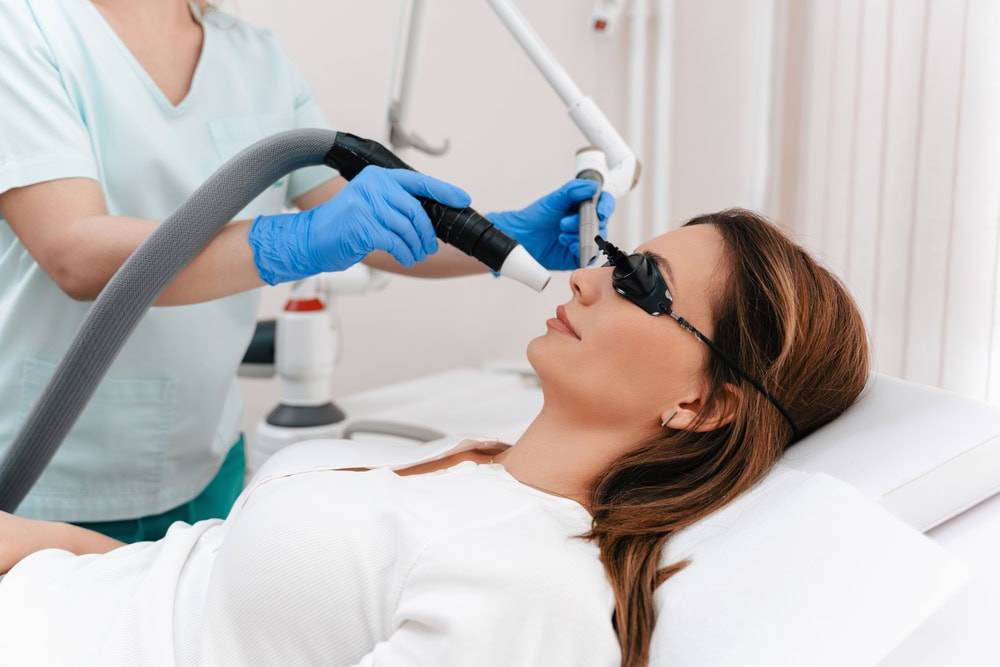
A laser facial uses non-ablative laser technology to improve your skin without removing the surface layer. Think of it as heating the deeper layers of your skin to trigger collagen production and cellular turnover. The surface stays intact, which means faster recovery and less visible healing.
These med spa treatments target the dermis—the layer beneath your skin’s surface—using controlled heat energy. Your body responds by producing fresh collagen and pushing healthier cells to the surface. Over the following weeks, you see gradual improvements in tone, texture, and overall radiance through this skin rejuvenation process.
Because laser facials don’t wound the skin, they’re often called “lunchtime treatments.” You might have some redness for a day or two, but most people return to normal activities immediately. The tradeoff? Results build over multiple sessions rather than appearing all at once.
What Skin Concerns Do Laser Facials Treat Best?
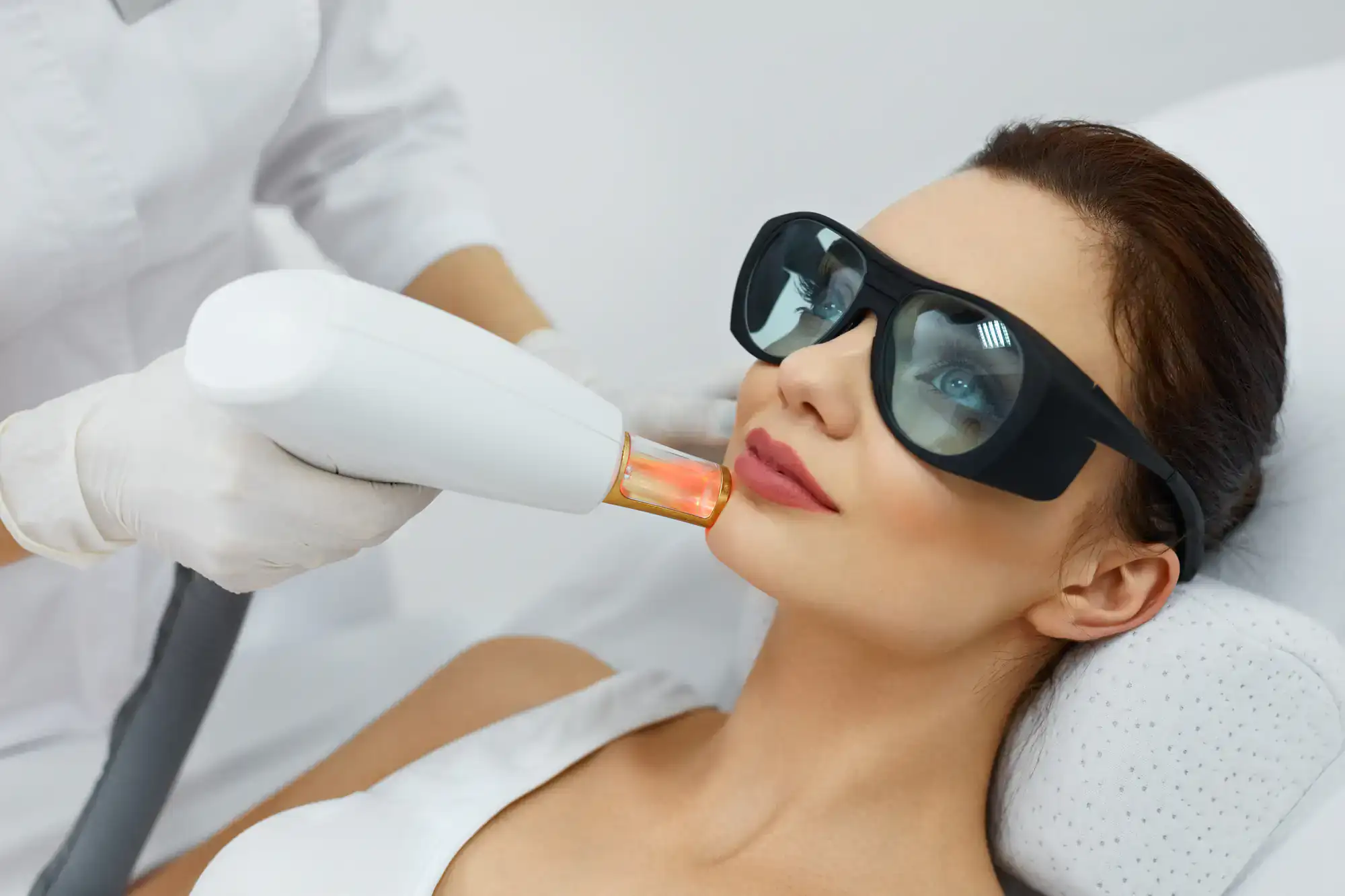
Laser facials excel at addressing early to moderate signs of aging and surface-level imperfections. If you’re dealing with dullness, uneven tone, or fine lines and wrinkles that haven’t yet become deep creases, this treatment often delivers exactly what you need without aggressive intervention.
Melasma and hyperpigmentation respond well to certain laser facials, particularly those using MOXI or BBL Hero technology available at med spas in Staten Island, NY. The treatment breaks up excess pigment in the skin while promoting even tone. Sun damage—those scattered brown spots and rough patches—also improves as the laser targets areas of discoloration and stimulates fresh cell growth.
Early acne scars, especially shallow texture irregularities, can soften with a series of laser facial treatments. The collagen production helps fill in minor depressions and smooth the skin’s surface. Enlarged pores often appear smaller as the skin tightens and refines.
For people in their late twenties through forties who want to maintain their skin or address emerging concerns, laser facials offer a preventative approach. You’re essentially training your skin to keep producing collagen before more significant damage sets in. It’s maintenance and correction rolled into one.
The treatment also works for those who’ve had more aggressive procedures in the past and want to maintain results without repeating intense treatments. Think of it as the regular tune-up that keeps your skin performing well between major interventions.
One key advantage: laser facials work on most skin tones when performed with the right technology and settings by board-certified providers. Darker skin, which can be at higher risk for hyperpigmentation with aggressive treatments, often tolerates non-ablative lasers well. That said, you still need an experienced provider who understands how to adjust settings for your specific skin type.
How Much Downtime Should You Expect After a Laser Facial?
Downtime for laser facials is minimal compared to more aggressive med spa treatments. Most people experience redness and mild swelling for two to four days. Your skin might feel warm, similar to a mild sunburn, but it’s not typically painful. You can cover the redness with makeup after the first day if needed.
Some people notice tiny dark spots appearing on the second or third day as pigmentation rises to the surface. This is normal and temporary—those spots flake off within a week. Your skin might feel slightly dry or tight as it heals, so keeping it moisturized matters.
You won’t need to take time off work for a laser facial. You might schedule it on a Thursday or Friday if you want the weekend to let any redness settle, but it’s not required. Social downtime is minimal. You’re not hiding indoors waiting for your face to heal.
Sun protection becomes non-negotiable after treatment. Your skin is more vulnerable to UV damage while it’s healing and regenerating. Using a broad-spectrum sunscreen daily and avoiding direct sun exposure for at least two weeks protects your results and prevents complications like hyperpigmentation.
Most providers recommend a series of three to six treatments spaced several weeks apart. This gives your skin time to respond and build collagen between sessions. Results continue improving for months after your last treatment as that collagen remodeling process unfolds.
The cumulative effect means you’re not seeing dramatic change overnight. Instead, you notice gradual refinement—skin that looks brighter, smoother, and more even over time. Friends might say you look rested or ask if you changed your skincare routine, but they won’t necessarily know you had a procedure.
For Staten Island residents balancing work, family, and social commitments, this recovery timeline often fits better than treatments requiring a week or more of visible healing. You can maintain your regular schedule while still investing in your skin.
Want live answers?
Connect with a House of Ness expert for fast, friendly support.
What Is Laser Resurfacing and When Do You Need It?
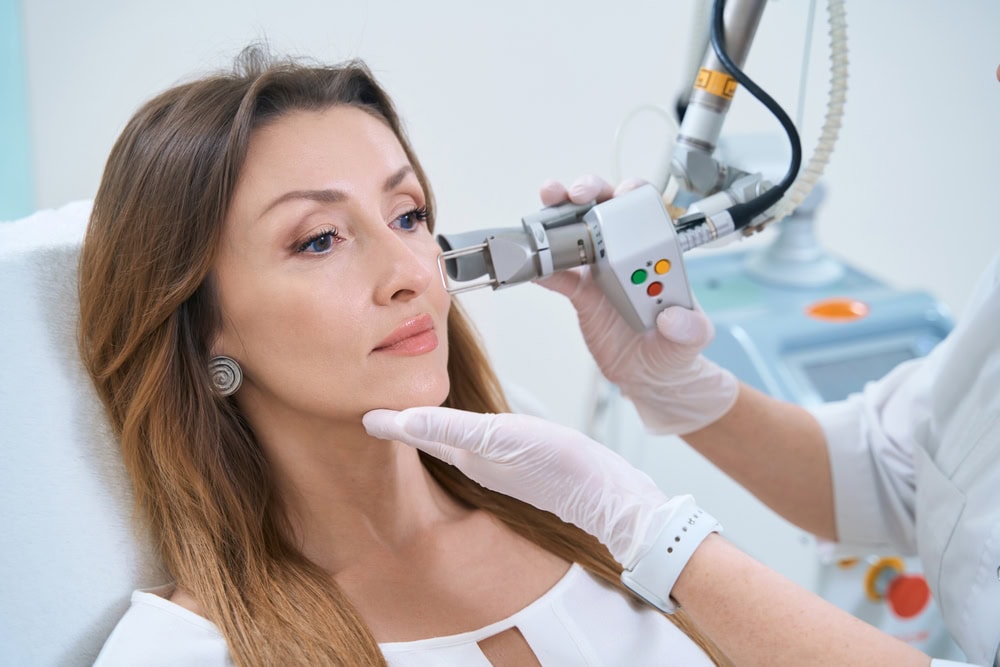
Laser resurfacing uses ablative technology to remove the outer layers of damaged skin. Unlike laser facials that work beneath the surface, resurfacing actually vaporizes tissue. This creates a controlled wound that forces your skin to heal and regenerate with fresh, healthier cells.
CO2 lasers and erbium lasers are the most common types used for resurfacing at Staten Island laser spas. They target water in your skin cells, heating and removing damaged tissue layer by layer. The depth of treatment can be adjusted based on your concerns—shallow for moderate issues, deeper for severe damage.
This approach delivers more dramatic skin rejuvenation than non-ablative treatments because you’re literally replacing old skin with new. But that intensity comes with longer recovery and more visible healing. Laser resurfacing is the option you choose when gentler treatments won’t cut it.
What Skin Concerns Require Laser Resurfacing?
Deep wrinkles that have been etched into your skin over years of sun exposure and natural aging respond best to laser resurfacing. These aren’t the fine lines that appear when you smile—they’re the static lines visible even when your face is relaxed. Resurfacing stimulates significant collagen production deep in the dermis while removing the damaged outer layers, which softens and smooths those deeper creases.
Severe sun damage, including thick, leathery texture and widespread pigmentation, often requires the intensity of ablative treatment. If you’ve spent decades in the sun without protection—common for Staten Island residents who enjoy local beaches and outdoor activities—surface treatments might improve things slightly, but resurfacing actually removes that damaged tissue and reveals healthier skin underneath.
Acne scars, especially deep, pitted scars, need the collagen remodeling that resurfacing provides. The laser creates controlled injury that triggers your body’s healing response, producing new collagen that fills in depressed scars over time. Boxcar and icepick scars, which create noticeable texture issues, often see significant improvement after resurfacing.
Surgical scars and trauma scars can also benefit from laser skin resurfacing when they’re raised, discolored, or have irregular texture. The treatment helps flatten and blend the scar tissue with surrounding skin. It won’t make scars disappear completely, but it can make them far less noticeable.
Some people choose resurfacing when they want comprehensive facial rejuvenation in fewer treatments. While laser facials require multiple sessions for gradual improvement, resurfacing can deliver dramatic change in one or two treatments. If you’re willing to commit to the recovery, you get more correction in less time.
Skin texture improvement and loss of firmness also benefit from resurfacing because of the intense collagen stimulation. As your skin heals, it contracts and tightens, creating a subtle lifting effect. This won’t replace a surgical facelift, but it does address mild to moderate sagging.
The key is matching the treatment intensity to the severity of your concern. Mild issues don’t need aggressive intervention. Severe damage won’t respond adequately to gentle treatments. An experienced, board-certified provider evaluates your skin and recommends the appropriate depth and type of resurfacing for your specific situation.
What Does Recovery from Laser Resurfacing Actually Look Like?
Recovery from laser resurfacing is more involved than a laser facial because you’re healing an actual wound. Immediately after treatment, your skin will be red, swollen, and sensitive. It might feel like a significant sunburn. We’ll apply ointment and possibly bandages depending on the depth of treatment.
For the first few days, you’ll need to clean the treated area multiple times daily and apply petroleum jelly or prescribed ointment to keep it moist and prevent scabbing. Your skin will start to peel and flake around day five to seven as the damaged tissue sheds. This isn’t subtle—you’ll look like you’re visibly healing.
Redness typically lasts one to two weeks for moderate resurfacing, though it can persist for several weeks with deeper treatments. During this downtime, you’re staying home or limiting social activities. You’re not going to work or running errands while your face is peeling and bright red.
Swelling is common, especially around the eyes. Sleeping with your head elevated and using cold compresses helps manage it. Some people experience itching or tightness as the skin heals, which is normal but uncomfortable.
Sun exposure is absolutely off-limits during recovery and should be minimal for months afterward. Your new skin is extremely vulnerable to UV damage, and exposing it too soon can cause hyperpigmentation or scarring. Broad-spectrum sunscreen, hats, and avoiding peak sun hours become part of your routine.
The payoff for this recovery is significant improvement that lasts for years. Your skin continues to improve for three to six months as collagen remodeling continues beneath the surface. The results from resurfacing are more dramatic and longer-lasting than gentler treatments, which is why people accept the more difficult recovery.
For Staten Island, NY residents considering resurfacing, planning around work and social commitments matters. You might schedule treatment before a vacation or during a slower work period when taking time off is easier. Some people work remotely during the visible healing phase if their job allows it.
Not everyone is a good candidate for aggressive resurfacing. Active acne, certain skin conditions, recent sun exposure, or inability to avoid sun during healing can disqualify you. We’ll assess your skin and medical history during a complimentary consultation to determine if resurfacing is safe and appropriate for you.
Which Laser Treatment Matches Your Skin Goals in Staten Island?
The right choice between a laser facial and laser resurfacing comes down to what you’re treating and what you’re willing to manage. Laser facials offer gradual skin rejuvenation with minimal disruption to your life. Laser resurfacing delivers dramatic correction with significant recovery time.
If you’re dealing with early aging signs, uneven tone, or want to maintain healthy skin, laser facials likely give you what you need without unnecessary intensity. If you’re facing deep wrinkles, severe sun damage, or significant acne scars, resurfacing provides the correction that gentler treatments can’t achieve.
The best outcomes come from working with board-certified providers who understand how to match med spa treatments to your specific skin type, concerns, and lifestyle. At House of Ness, we start with understanding your goals during a complimentary consultation and recommend the treatment that actually makes sense for your situation—not just what’s trendy or available.
Article details:
- Published by:
- House of Ness
- Published to:
- Last modified:
- June 22, 2026
Share:
Continue learning: