Chemical Peel in Bergen County, NJ
Clearer Skin Without the Guesswork or Downtime
Best Chemical Peel Bergen County NJ
You’re not looking for a facial. You want visible improvement in how your skin looks and feels—without taking a week off work or dealing with complications.
A chemical face peel Bergen County NJ at House of Ness targets the specific concerns keeping you from feeling confident: stubborn sun damage that won’t fade with over-the-counter products, acne scars that makeup can’t hide, melasma that darkens every summer, or rough texture that makes your skin look older than you feel. The difference between what you’ve tried at a spa and what happens here comes down to strength and oversight. Medical-grade peels use higher concentrations of active ingredients that penetrate deeper layers of skin, and they’re administered under the supervision of a Board-Certified Plastic Surgeon with licensed injectors who know exactly how your skin will respond.
Within a week, you’ll notice smoother texture and more even tone. Over the following month, that improvement continues as your skin regenerates. You’re back to your routine in days, not weeks, because these treatments are designed for people who have jobs, families, and lives that don’t pause for a procedure.
Chemical Skin Peel Bergen County NJ
House of Ness operates under the leadership of a Board-Certified Plastic Surgeon, which means every chemical peel treatment in Bergen County, NJ is backed by surgical-level knowledge of skin anatomy and healing. That’s not standard in this industry. Many med spas operate without physician oversight, which leaves you vulnerable if something goes wrong or if your skin doesn’t respond as expected.
Bergen County has one of the highest median household incomes in New Jersey, and the people living here expect quality that matches what they’re paying for. You’re not interested in cutting corners or gambling with your skin. You want certified professionals who’ve spent over two decades in medical aesthetics, who participate as a platinum-level Allergan partner, and who offer complimentary consultations and two-week follow-ups because we’re confident in what we deliver.
Face Peeling Treatment Bergen County NJ
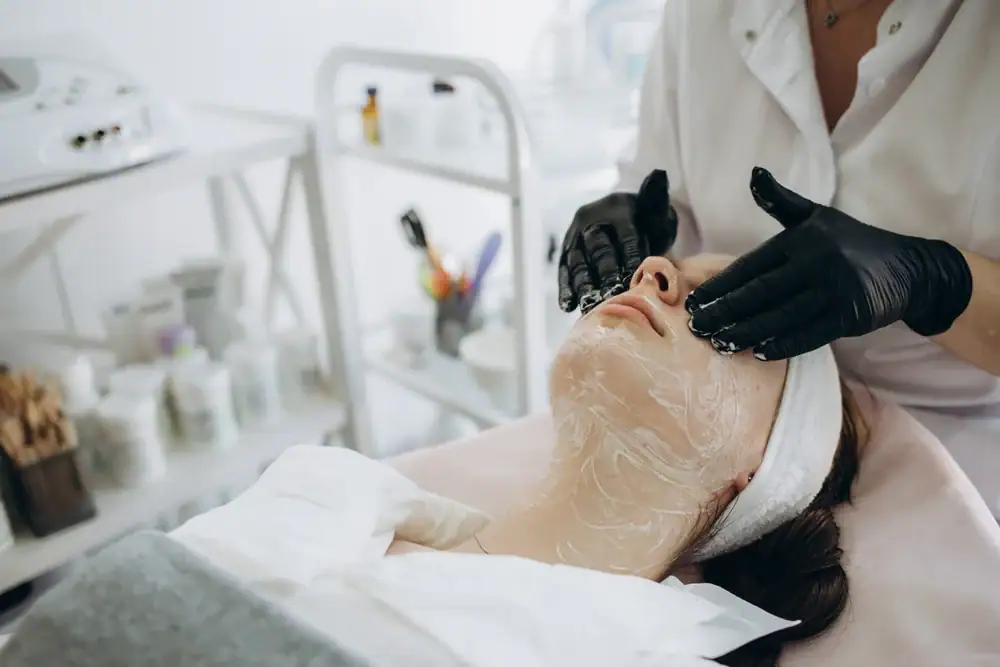
Your face peeling treatment Bergen County NJ starts with a complimentary consultation where you’ll talk through your skin concerns, medical history, and what you’re hoping to achieve. This isn’t a sales pitch. It’s a conversation to determine if a chemical peel is the right approach for your skin type and goals, and if so, which formulation makes sense.
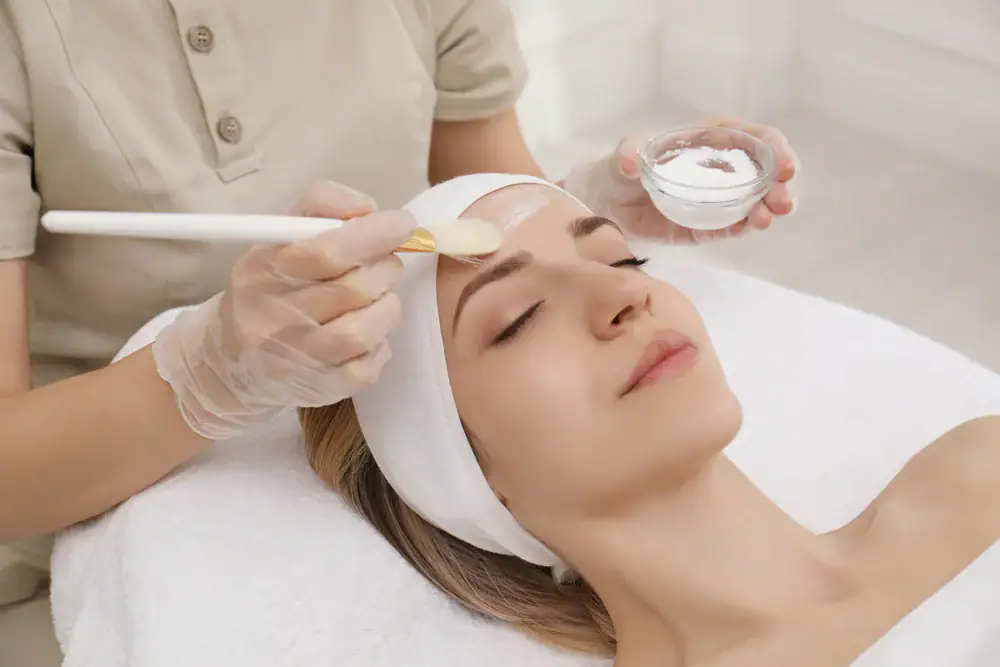
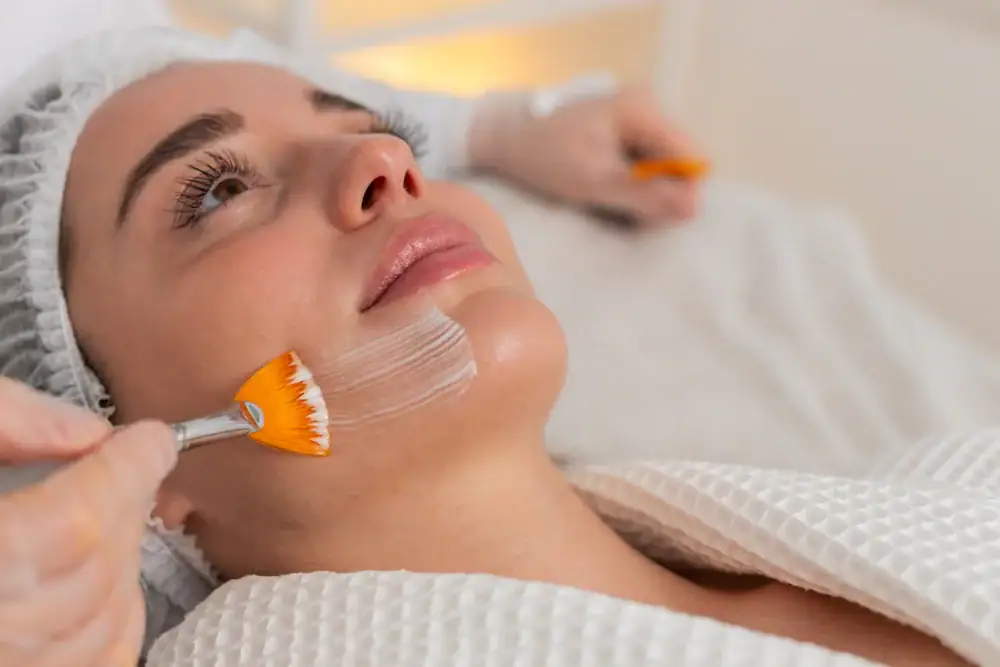
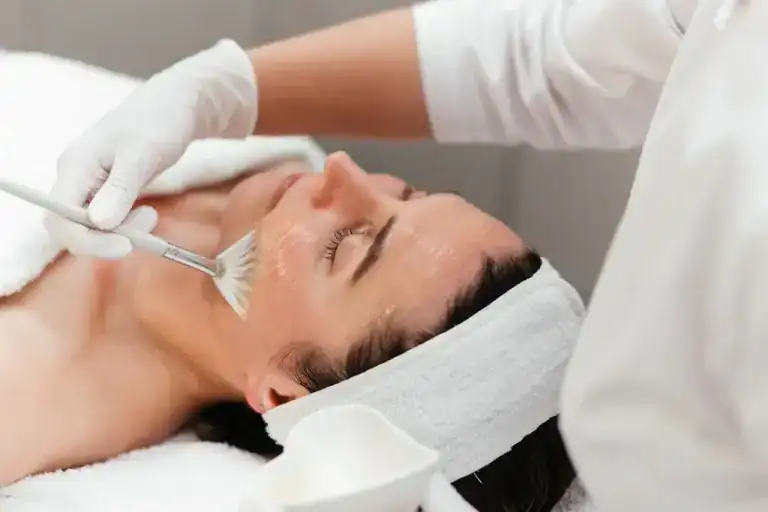
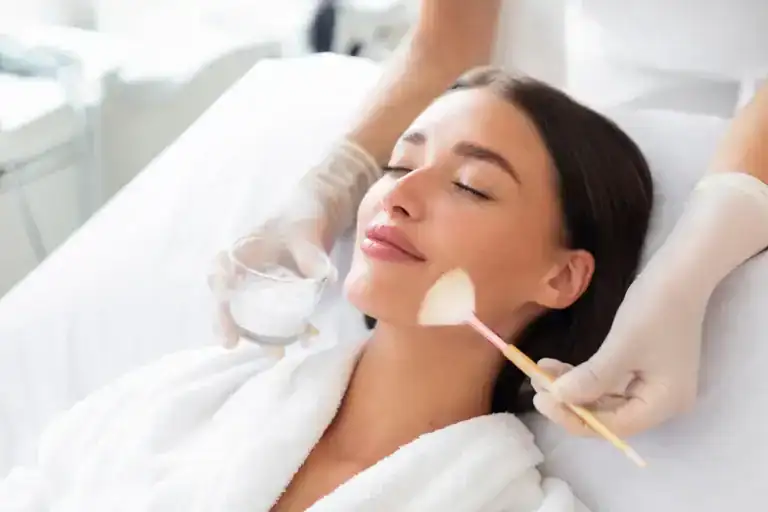
On treatment day, your skin is cleansed and prepped. The peel solution is applied evenly across the treatment area. You’ll feel a warming or tingling sensation—not pain—as the acids work to break down damaged skin cells. The application takes about 30 minutes. Afterward, you’ll receive specific aftercare instructions, including which products to use and how to protect your skin from sun exposure during the healing process.
Peeling typically begins around day three and lasts for several days. Your skin will flake and shed, which is exactly what’s supposed to happen. Underneath, you’ll see fresher, smoother skin emerging. At your two-week follow-up, we’ll assess your results and perform a touch-up if needed. That follow-up is included—not an upsell.
Ready to get started?
Glycolic Chemical Peel Bergen County NJ
We use VI Peels, a medical-grade system that combines multiple acids—including glycolic, salicylic, retinoic, and trichloroacetic acid—to address a range of skin issues in one treatment. A glycolic chemical peel Bergen County NJ alone can improve texture, but the VI Peel formulation goes further by targeting pigmentation, acne bacteria, and collagen production simultaneously.
You’ll receive a complimentary consultation before any treatment, a personalized application based on your skin’s needs, detailed aftercare instructions, and a two-week follow-up appointment with touch-up if necessary. You’ll also get guidance on medical-grade skincare products that protect and extend your results, because a peel is most effective when it’s part of a broader skin health strategy.
Bergen County residents tend to be proactive about their appearance and health, which is why this area has seen growing demand for non-surgical chemical peel options. You’re not alone in wanting effective treatment without going under the knife. More than 3.5 million chemical peels were performed in 2023, and that number continues to rise as people realize these treatments deliver real results without the risks and recovery time of surgery.
Request a callback

How is a medical-grade chemical peel different from what I'd get at a spa?
Spa peels use much lower concentrations of active ingredients, often around 20-30% strength, because they’re not administered by medical professionals. They’re designed to be gentle enough that anyone can perform them without significant training. The result is minimal exfoliation and surface-level improvement that fades quickly.
Medical-grade peels at House of Ness use concentrations between 50-70% and are applied by licensed injectors under the supervision of a Board-Certified Plastic Surgeon. These formulations penetrate deeper into the skin to address issues like melasma, acne scarring, and sun damage that spa-grade peels can’t touch. The difference in results is significant—you’re looking at visible improvement that lasts months, not days.
The tradeoff is that medical peels require more careful application and monitoring, which is why they’re only available in physician-supervised settings. You’ll experience more peeling and need to follow stricter aftercare protocols, but that’s because the treatment is actually working at a level that creates change.
Will a chemical peel work on my skin tone, or will it cause discoloration?
This is one of the most common concerns, especially for people with darker skin tones who’ve been told that peels aren’t safe for them. The truth is more nuanced. Certain types of chemical peels can cause hyperpigmentation or hypopigmentation if they’re not matched correctly to your skin type or if aftercare isn’t followed properly.
That’s why your consultation matters. We evaluate your skin tone, sensitivity, and history before recommending a peel formulation. VI Peels are specifically designed to be safe for all skin types, including darker tones, because they use a blend of acids that work synergistically rather than relying on one aggressive ingredient. The key is proper application and strict sun protection during healing.
If you’ve had issues with pigmentation changes in the past, bring that up during your consultation. We’ll adjust the treatment plan accordingly or recommend an alternative approach. The goal is improvement, not new problems, and that requires honest communication about your skin’s history and behavior.
How much downtime should I expect after a chemical peel?
You won’t need to take time off work, but you will need to plan around visible peeling. Most people start seeing flaking around day three, and it continues for about five to seven days. During that time, your skin will look dry and shed in patches. It’s not painful, but it’s noticeable.
You can still go to work, run errands, and maintain your normal schedule. You just need to avoid picking at the peeling skin, stay out of direct sun, and keep your skin moisturized. Some people schedule their peel before a long weekend so the heaviest peeling happens when they’re home, but it’s not required.
By day seven, most of the peeling is complete, and you’ll see smoother, more even skin underneath. The redness fades quickly after that. Your skin will continue improving over the next month as cell turnover increases and collagen production ramps up. If you have an important event coming up, schedule your peel at least three weeks in advance to ensure you’re fully healed and looking your best.
How many chemical peel treatments will I need to see results?
Many people see noticeable improvement after just one treatment, especially if they’re addressing surface-level concerns like dullness or fine lines. But if you’re dealing with deeper issues—acne scarring, significant sun damage, or stubborn melasma—you’ll likely need a series of three to four peels spaced about four to six weeks apart.
We’ll give you a realistic timeline during your consultation based on your specific skin concerns and goals. Some conditions respond quickly, while others require consistent treatment to break down damaged tissue and stimulate enough new collagen to make a visible difference.
After your initial series, most people maintain their results with one or two peels per year, combined with a solid at-home skincare routine using medical-grade products. Think of it like maintaining your car—you can’t just change the oil once and expect it to run perfectly forever. Your skin is constantly exposed to sun, pollution, and aging, so ongoing care keeps it looking its best.
Is a chemical peel painful, and what will I feel during treatment?
You’ll feel a warming or tingling sensation when the peel solution is applied, but it’s not painful. Some people describe it as a mild sunburn feeling that intensifies slightly as the acids activate. The sensation peaks during application and then subsides once the peel is neutralized or removed.
If you have sensitive skin or a low tolerance for discomfort, let us know before treatment starts. We can adjust the application technique or provide cooling measures to keep you comfortable. The entire process takes about 30 minutes, and the active discomfort only lasts for a portion of that time.
After treatment, your skin may feel tight and sensitive for a day or two, similar to how it feels after spending too much time in the sun. Keeping it moisturized and avoiding harsh products helps minimize that sensation. By day three, when peeling starts, there’s no pain—just the physical process of skin shedding, which is more annoying than uncomfortable.
Can I wear makeup after getting a chemical peel?
Not immediately. Your skin needs time to start the healing process without interference from makeup, which can trap bacteria or irritate freshly treated skin. We recommend waiting at least 24 hours before applying any makeup, and even then, you should use mineral-based products that won’t clog pores or cause irritation.
Once peeling begins around day three, makeup application becomes tricky because the flaking skin doesn’t provide a smooth surface. Trying to cover it with foundation often makes it look worse, as the makeup clings to dry patches and highlights the peeling rather than concealing it. It’s better to keep your skin clean and moisturized during this phase and skip makeup until the peeling is complete.
After about a week, when the majority of peeling has finished, you can return to your normal makeup routine. Your skin will actually look better without heavy coverage at that point because the treatment has evened out your tone and texture. Many people find they need less makeup after a chemical peel because their skin simply looks healthier on its own.