Chemical Peel in Alpine, NJ
Clearer Skin Without the Guesswork or Downtime
Best Chemical Peel Alpine, NJ
You’re dealing with sun damage that won’t fade, acne scars that linger, or fine lines that make you look more tired than you feel. A chemical face peel removes the damaged outer layers of skin so healthier, smoother skin can surface.
The difference between a professional chemical peel and what you’ll find at a spa comes down to formulation strength and medical oversight. Medical-grade peels penetrate deeper and target specific concerns like hyperpigmentation, uneven texture, and stubborn discoloration that over-the-counter products can’t touch.
You’ll see improvement in skin tone and texture within days, and results continue to develop over the following weeks as collagen production increases. The best chemical peel for your skin depends on what you’re treating and how much downtime you can manage. That’s why the consultation matters—it’s where we determine the right depth and type of peel for your goals.
Chemical Skin Peel Alpine, NJ
House of Ness is led by a Board Certified Plastic Surgeon and staffed by certified, licensed providers who specialize in advanced skin treatments. We’re a platinum-level Allergan partner, which means you’re getting authentic, medical-grade products and access to the latest innovations in aesthetic care.
Alpine is a high-performing community where people value quality and expertise. You don’t have time for multiple corrective appointments or results that fall short. That’s why every chemical peel starts with a complimentary consultation and includes a two-week follow-up with a touch-up if needed.
We’re not a high-volume clinic. You’ll meet with your provider one-on-one in a private, lounge-like setting with minimal wait times. Pricing is transparent upfront, and we offer specialized discounts for military, nurses, first responders, and new clients.
Face Peeling Treatment Alpine, NJ
Your appointment starts with a skin analysis. We assess your skin type, concerns, and goals to determine whether a light, medium, or deep peel is the right fit. If you’re treating acne scars, we might recommend a glycolic chemical peel. For sun damage or deeper wrinkles, a TCA peel could be more effective.
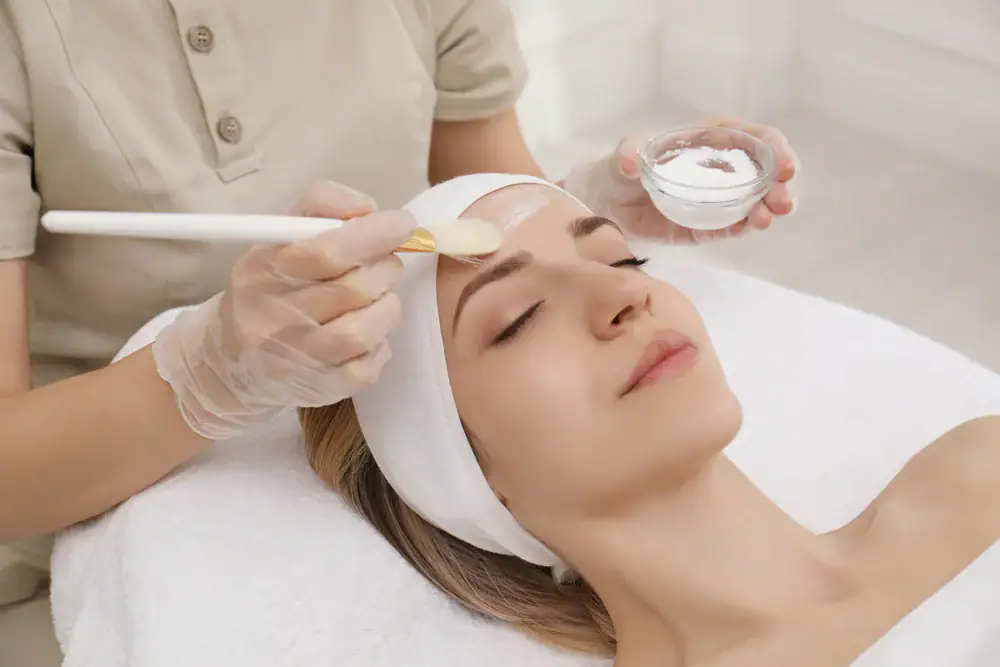
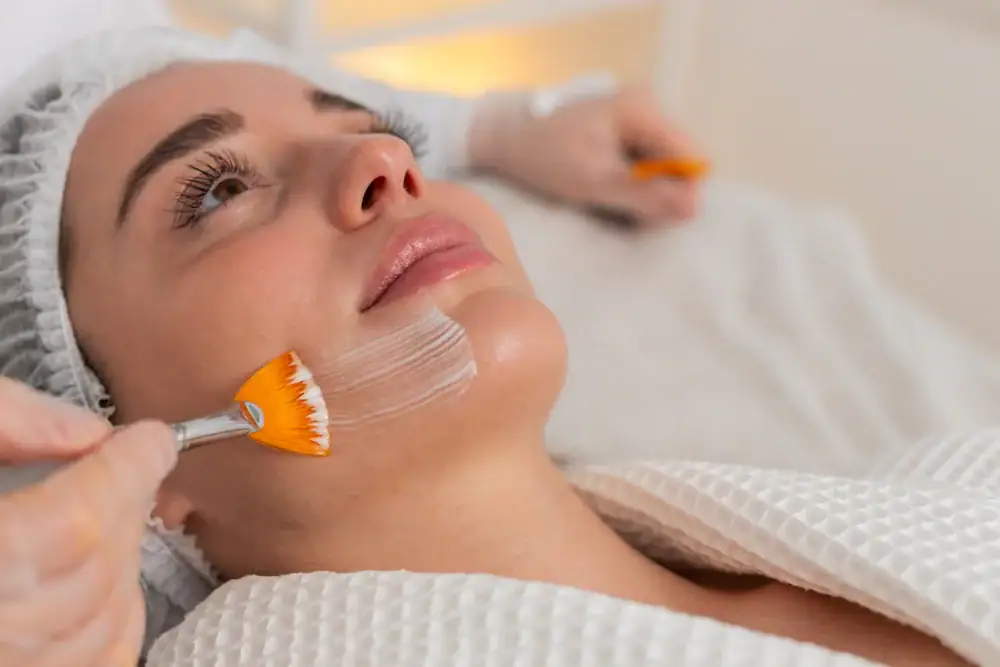
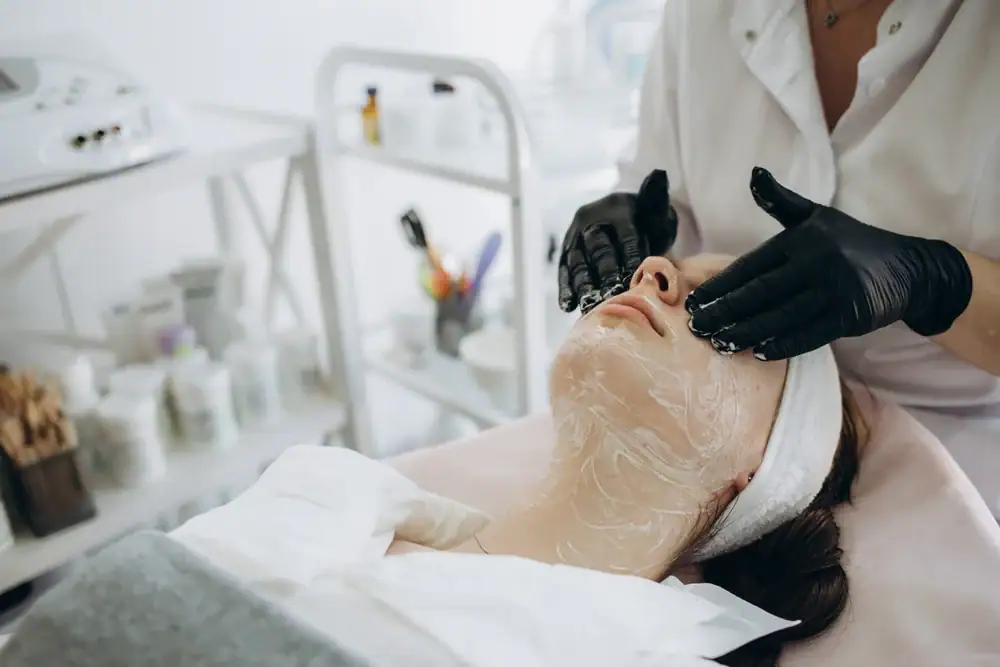
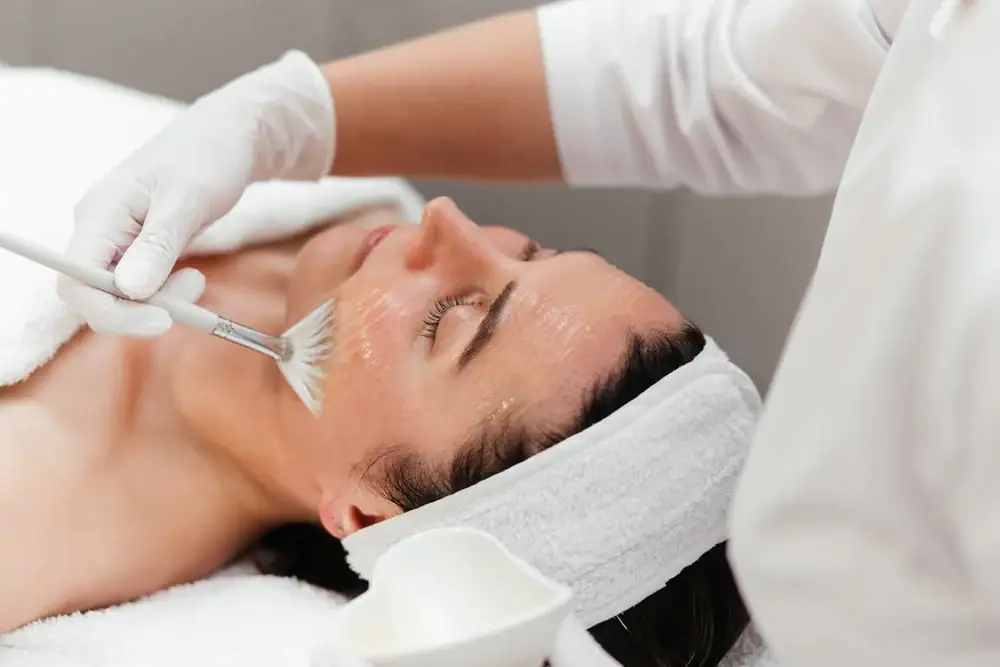
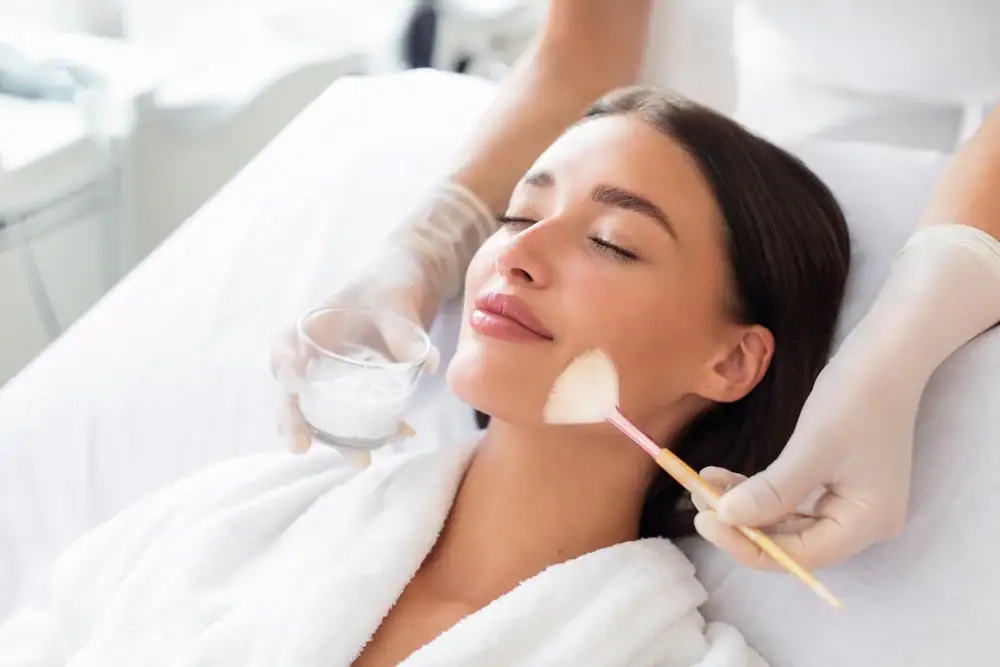
Before we apply anything, your skin is thoroughly cleansed. The peel solution is then applied in controlled layers. You’ll feel a tingling or mild stinging sensation—that’s normal and means the peel is working. The entire application takes 15 to 30 minutes depending on the type of peel.
Afterward, we walk you through exactly what to expect during recovery. Light peels involve minimal flaking and redness for a few days. Medium peels require about a week of downtime with more noticeable peeling. You’ll leave with post-care instructions and products to support healing. Two weeks later, you’ll come back for a follow-up to assess results and make any adjustments.
Ready to get started?
Glycolic Chemical Peel Alpine, NJ
Every face peeling treatment at House of Ness includes a complimentary consultation where we evaluate your skin and build a personalized plan. You’re not walking into a preset menu—you’re getting a treatment designed around your skin’s unique needs.
The peel itself is performed using medical-grade formulations that aren’t available at typical day spas. We use glycolic acid, salicylic acid, TCA, and other proven ingredients depending on what your skin responds to best. You’ll also receive detailed aftercare instructions and medical-grade skincare recommendations to protect and extend your results.
Alpine residents tend to be proactive about skincare, and many are dealing with the effects of sun exposure from years of outdoor activity or travel. A non surgical chemical peel is one of the most effective ways to reverse that damage without anesthesia, incisions, or extended recovery. If you’re juggling a busy work schedule or frequent social commitments, we’ll match you with a peel that fits your timeline. And because we’re located close to Alpine, you’re not spending your day commuting into Manhattan for a 30-minute treatment.
How much does a chemical peel cost in Alpine, NJ?
Pricing depends on the type of peel and the area being treated. Light peels typically range from $150 to $300, while medium-depth peels can run between $1,000 and $2,500 depending on the strength and coverage.
At House of Ness, we provide transparent pricing during your consultation so there are no surprises. We also participate in the Allē rewards program, which allows you to earn points on treatments and apply them toward future services. New clients, military members, nurses, and first responders receive specialized discounts. The cost reflects medical-grade products, board-certified oversight, and a two-week follow-up with complimentary touch-up if needed—not just the treatment itself.
Will a chemical peel hurt, and how long is the downtime?
You’ll feel a tingling or stinging sensation during the application, but it’s temporary and manageable. Most people describe it as uncomfortable rather than painful. The sensation fades once the peel is neutralized or removed.
Downtime varies by peel depth. Light peels cause mild redness and flaking for two to three days—you can usually return to work the next day. Medium peels involve more noticeable peeling and redness for five to seven days. Deep peels require up to two weeks of recovery, but we rarely recommend them unless you’re addressing severe sun damage or deep wrinkles. During your consultation, we’ll match the peel intensity to your schedule so you’re not caught off guard by unexpected downtime.
Can a chemical peel help with acne scars and hyperpigmentation?
Yes, but the results depend on the type and depth of scarring. Chemical peels work well for shallow acne scars and post-inflammatory hyperpigmentation by removing damaged skin layers and stimulating collagen production.
For deeper, pitted scars, a peel alone may not be enough—you might need to combine it with microneedling or laser resurfacing for more dramatic improvement. Hyperpigmentation from sun damage or melasma responds well to peels, especially those containing glycolic acid or TCA. However, darker skin tones require extra caution to avoid worsening pigmentation issues. That’s why the consultation is critical. We assess your skin type, the severity of scarring, and your goals before recommending a treatment plan. Many clients see significant improvement after a series of peels spaced four to six weeks apart.
How is a medical-grade chemical peel different from a spa peel?
Medical-grade peels use higher concentrations of active ingredients and penetrate deeper into the skin. Spa peels are typically superficial and focus on exfoliation and glow—they’re not designed to address significant skin concerns like scarring, deep wrinkles, or sun damage.
At House of Ness, every peel is performed under the oversight of a Board Certified Plastic Surgeon and administered by certified, licensed providers. We have access to pharmaceutical-grade formulations that aren’t available to estheticians or day spas. That means stronger results, but also more responsibility in terms of safety and aftercare. You’re also getting a comprehensive skin analysis before treatment and a follow-up appointment to ensure your skin is healing properly. Spa peels don’t typically include that level of medical oversight or accountability.
How soon will I see results from a chemical peel?
You’ll notice an immediate glow once the initial redness fades, usually within a few days. But the real results develop over the following two to four weeks as your skin continues to regenerate and collagen production increases.
Light peels deliver subtle improvements in texture and tone after one treatment, but you’ll see more dramatic results with a series of peels. Medium peels provide more noticeable improvement in fine lines, sun damage, and pigmentation after a single session, with continued enhancement over the next month. The timeline also depends on how well you follow aftercare instructions—using sunscreen, avoiding harsh products, and keeping your skin moisturized all impact how quickly and how well your skin heals. Most clients return for maintenance peels every three to six months to sustain results.
Are chemical peels safe for all skin types and tones?
Chemical peels can be safe for all skin types, but darker skin tones require more caution. Certain peels and strengths can trigger post-inflammatory hyperpigmentation in melanin-rich skin if not administered properly.
That’s why the consultation and provider expertise matter. At House of Ness, we evaluate your skin type using the Fitzpatrick scale and choose peel formulations and strengths that minimize risk. For darker skin tones, we often recommend gentler acids like mandelic or lactic acid, which are less likely to cause pigmentation issues. We also conduct a patch test if there’s any concern about how your skin will react. The key is working with a provider who understands the nuances of treating diverse skin types—not someone applying the same protocol to every client.