Chemical Peel in Bogota, NJ
Fresher Skin Without the Guesswork or Downtime
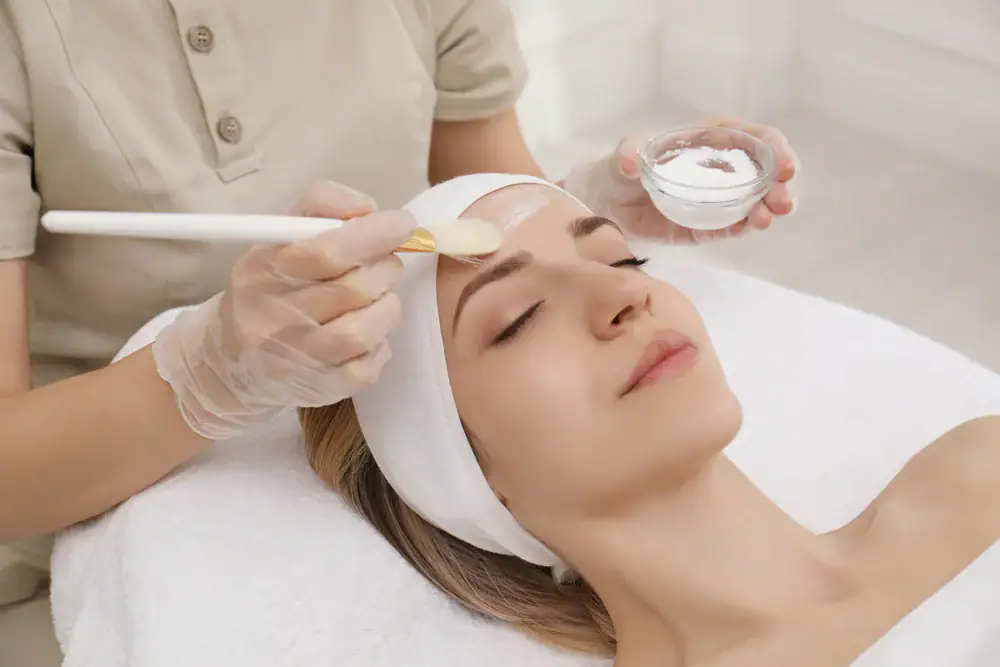
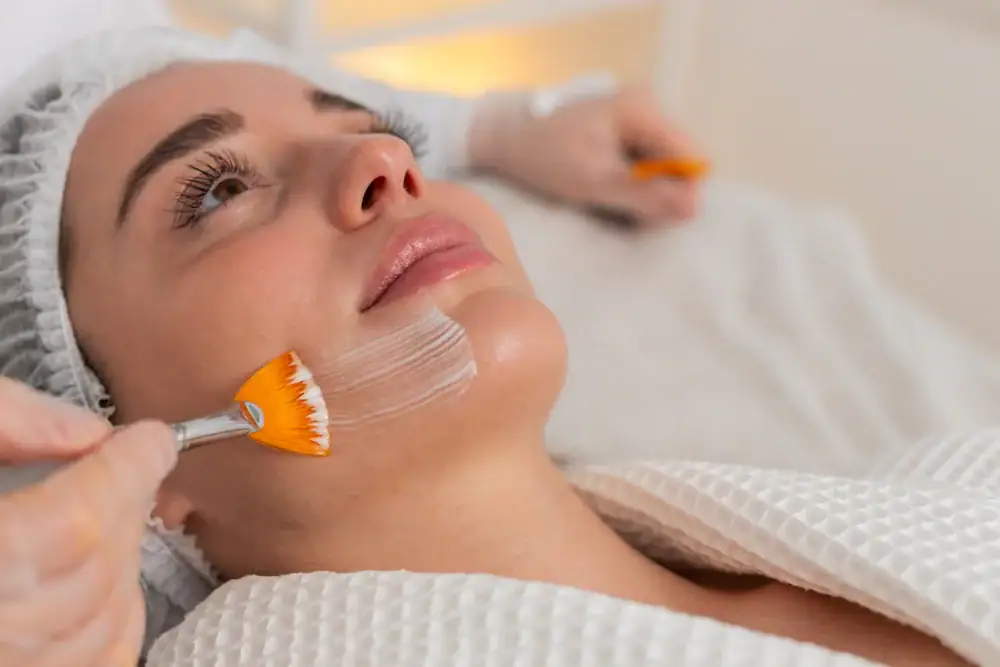
Best Chemical Peel Results in Bogota
Your skin regenerates every 18 to 20 days when you’re younger. That process slows as you age, leaving behind dullness, uneven tone, and texture that skincare alone can’t fix. A professional chemical peel speeds that process back up.
You’re not just exfoliating surface cells. You’re triggering real regeneration—clearing out sun damage, fading post-acne marks, smoothing rough patches, and giving your skin the reset it’s been missing. The result is smoother texture, more even tone, and a fresher appearance that doesn’t look “done.”
This isn’t about chasing perfection. It’s about looking like yourself on a good day, consistently. And in Bogota, NJ, where professionals value quality and discretion, that matters.
Medical-Grade Chemical Peels in Bogota, NJ
We operate under the leadership of a Board Certified Plastic Surgeon, which means every chemical skin peel is backed by medical oversight—not just an aesthetician with a weekend certification. That distinction matters when you’re dealing with active ingredients that penetrate beyond the surface.
We’re a platinum-level Allergan partner, which isn’t just a badge. It means we meet the highest standards for training, safety protocols, and product authenticity. You’re getting medical-grade treatments in a setting that feels more like a lounge than a clinic—minimal wait times, transparent pricing, and actual follow-up care two weeks later.
Bogota and the surrounding Bergen County area expect quality, not shortcuts. That’s exactly what we deliver.
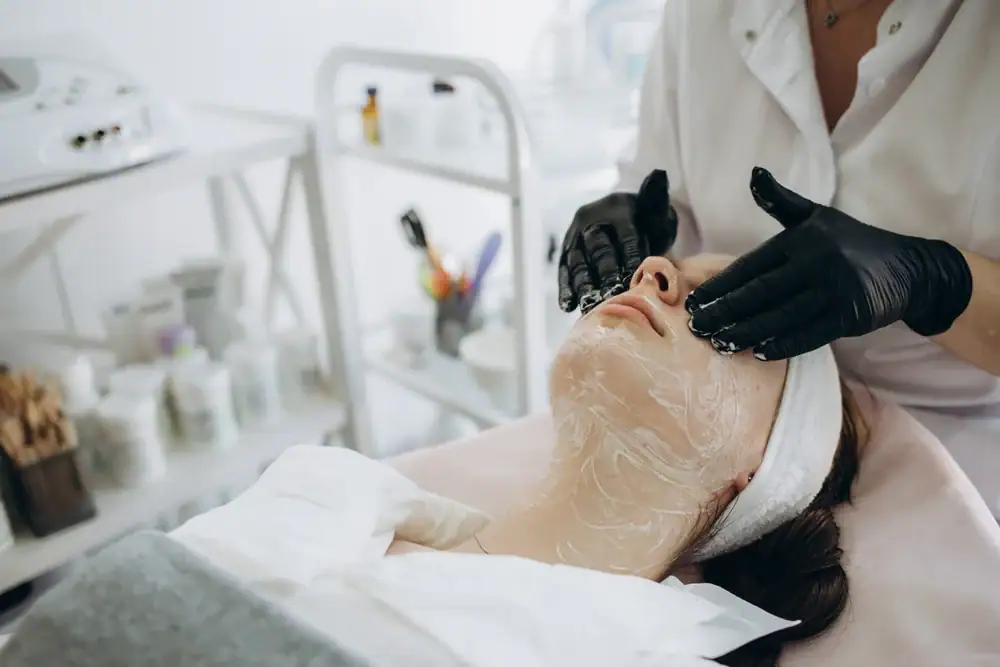
Face Peeling Treatment Process in Bogota
You start with a complimentary consultation. We assess your skin type, discuss what’s bothering you—whether it’s acne scars, sun damage, melasma, or just dull texture—and recommend the right peel depth and formulation. No pressure, no upselling.
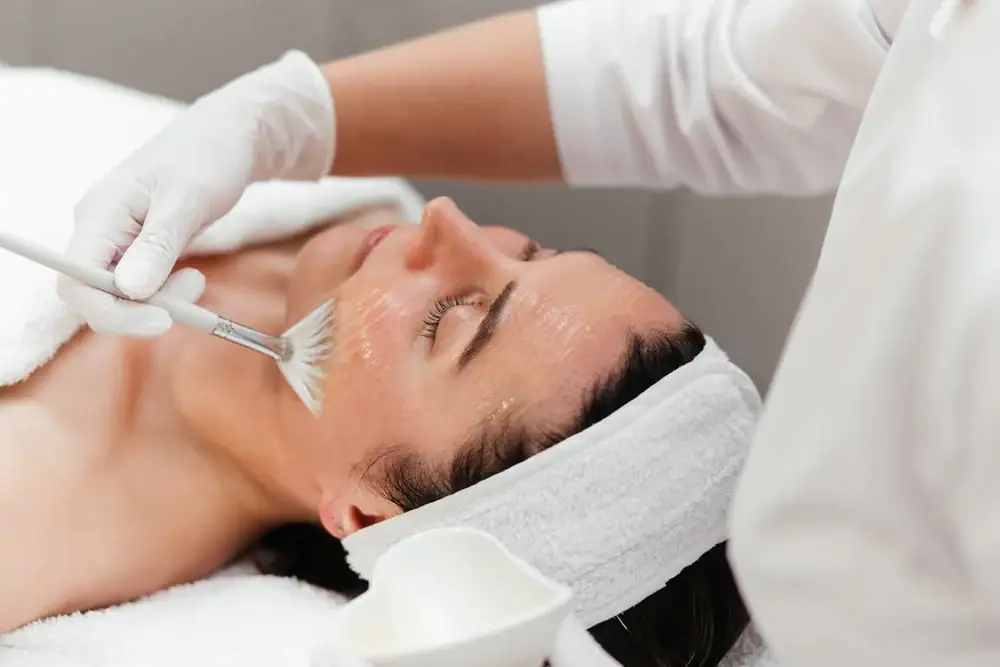
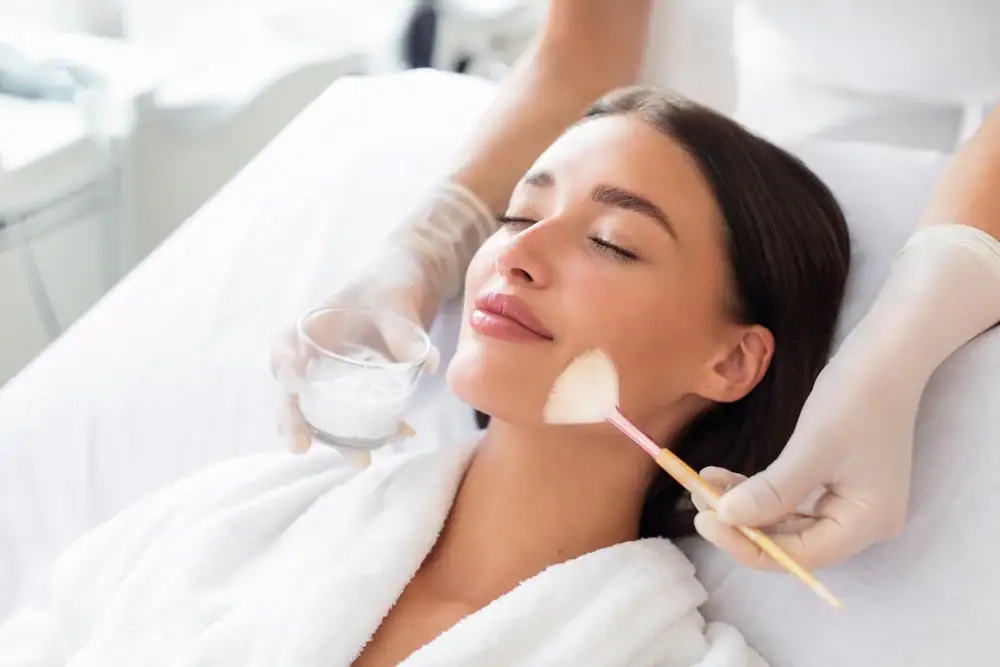
On treatment day, your skin is prepped and cleansed. The chemical solution is applied evenly and left on for a controlled amount of time based on your skin’s needs. You might feel tingling or warmth—that’s normal. The peel is then neutralized or removed, and we apply soothing post-treatment products.
Over the next few days to a week, depending on peel depth, your skin will start to flake or peel. This is the regeneration process at work. You’ll follow a specific aftercare routine we provide—gentle cleansing, moisturizing, and strict sun protection. Two weeks later, you come back for a follow-up. If a touch-up is needed, it’s included. That’s how we ensure you actually get the results you came for.
Ready to get started?
Non Surgical Chemical Peel Options in Bogota
Every chemical peel at House of Ness includes a complimentary consultation, the treatment itself, post-care instructions, medical-grade aftercare products, and a two-week follow-up with touch-up if needed. You’re not paying for the peel and then getting nickel-and-dimed for everything else.
We offer light glycolic chemical peels for surface-level concerns like dullness and fine lines, and deeper TCA peels for sun damage, hyperpigmentation, and acne scarring. The depth and formulation are customized to your skin type and goals—not a one-size-fits-all approach.
Bergen County residents deal with seasonal skin changes, sun exposure from summer shore trips, and the effects of stress and hormonal fluctuations. A professional chemical peel addresses all of that in a way that at-home products simply can’t. You’re getting controlled, medical-grade exfoliation that reaches deeper layers where real change happens. And because we integrate skincare recommendations into your treatment plan, you’re not just getting a one-time fix—you’re setting your skin up for long-term improvement.
How do I know which chemical peel is right for my skin concerns?
It depends on what you’re trying to fix and how much downtime you can handle. Light peels like glycolic work well for dullness, minor texture issues, and fine lines—they’re the “lunchtime peel” option with minimal peeling and quick recovery. Medium-depth peels using TCA are better for sun damage, deeper pigmentation, acne scars, and more significant texture problems, but they come with a longer recovery period.
During your consultation, we assess your skin type, your specific concerns, and your schedule. If you’ve got an event coming up, we’re not going to recommend a peel that leaves you flaking for a week. If you’re dealing with stubborn melasma or post-inflammatory hyperpigmentation, a light peel probably won’t cut it.
The goal is to match the treatment to your actual needs, not to upsell you on the most expensive option. That’s why the consultation is complimentary—so you can make an informed decision without pressure.
What does recovery from a chemical face peel actually look like?
Light peels might leave you with some redness and minor flaking for two to three days. You can usually wear makeup the next day and go about your normal routine with a good moisturizer and sunscreen. It’s not dramatic.
Medium-depth peels are a different story. Expect redness, tightness, and visible peeling that lasts five to seven days. Your skin will look worse before it looks better—that’s the dead skin shedding to reveal fresh layers underneath. You’ll need to stay out of the sun, skip intense workouts for a few days, and follow a strict skincare routine we provide.
The key is not picking or forcing the peeling process. Let it happen naturally. Trying to speed it up or peel off flaking skin early can cause scarring or uneven results. We give you detailed aftercare instructions and check in at your two-week follow-up to make sure everything healed properly. If something feels off, you call us—don’t wait.
Can a chemical peel help with acne scars and active breakouts?
Yes, but it depends on the type of scarring and whether you have active acne right now. Chemical peels work well for post-inflammatory hyperpigmentation—the dark marks left behind after a breakout heals. They also help with shallow, rolling acne scars by promoting collagen production and smoothing texture.
If you’re dealing with deep, pitted scars, a peel alone won’t be enough. You’d likely need a combination approach—peels plus microneedling or laser treatments. We’ll be upfront about that during your consultation.
For active acne, certain peels can help reduce inflammation, clear clogged pores, and prevent future breakouts. Salicylic acid peels are particularly effective for oily, acne-prone skin. But if you’re in the middle of a severe breakout or using certain acne medications like isotretinoin, we may need to wait or adjust the treatment plan. The goal is to improve your skin, not irritate it further.
How much does a professional chemical peel cost in Bogota, NJ?
Light peels typically range from $150 to $300 per treatment. Medium-depth peels can run anywhere from $300 to $600 or more, depending on the formulation and the area being treated. At House of Ness, pricing is transparent—you’ll know the cost upfront during your consultation, and that includes your follow-up and any necessary touch-up.
We also participate in the Allē rewards program, which lets you earn points on treatments that you can apply to future services. If you’re a new client, military member, nurse, or first responder, we offer specialized discounts. And our loyalty program rewards ongoing care, so if you’re planning multiple treatments, the cost per session goes down.
The bigger question isn’t just cost—it’s value. A cheap peel done by someone without proper training can leave you with burns, scarring, or zero results. You’re paying for medical-grade products, board-certified oversight, and a team that knows how to handle complications if they arise. That’s not something you get at a discount spa.
How often should I get a chemical peel to maintain results?
Light peels can be done every four to six weeks if you’re maintaining results or addressing ongoing concerns like dullness or mild texture issues. Some people do them seasonally—before summer or after sun exposure—to keep their skin looking fresh.
Medium-depth peels are more intense, so you’re looking at every three to six months, depending on your skin’s response and your goals. You don’t want to overdo it. Your skin needs time to fully heal and regenerate between treatments.
We’ll create a treatment plan during your consultation based on what you’re trying to achieve. If you’re dealing with hyperpigmentation, you might need a series of peels spaced a few weeks apart, followed by maintenance treatments. If you’re just looking for a periodic refresh, one or two peels a year might be enough. It’s not a one-size-fits-all schedule—it’s based on your skin’s needs and how it responds to treatment.
Is a chemical peel safe for all skin types and tones?
Not all peels are safe for all skin types, and that’s where medical oversight matters. Darker skin tones are at higher risk for post-inflammatory hyperpigmentation if the wrong peel or concentration is used. That doesn’t mean you can’t get a peel—it means you need someone who understands how to adjust the treatment for your skin.
We assess your Fitzpatrick skin type during your consultation and choose formulations and depths that minimize risk. For darker skin tones, we often start with lower concentrations and shorter contact times, then adjust based on how your skin responds. We also prep your skin beforehand with specific products to reduce the chance of pigmentation issues.
If you have active infections, open wounds, or certain skin conditions like eczema or rosacea, a peel might not be appropriate right now. Same goes if you’re pregnant, nursing, or on certain medications. We’ll go through your full medical history and current skincare routine to make sure a chemical peel is the right move for you. If it’s not, we’ll tell you—and suggest alternatives that will actually work.