Chemical Peel in East Rutherford, NJ
Clearer Skin Without the Guesswork or Risk
Best Chemical Peel East Rutherford
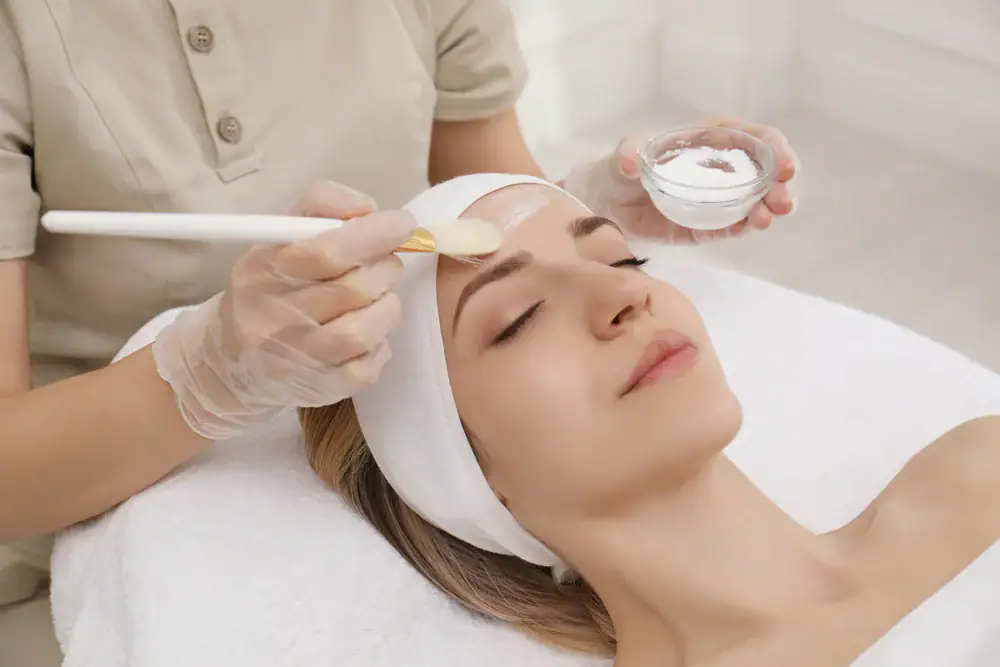
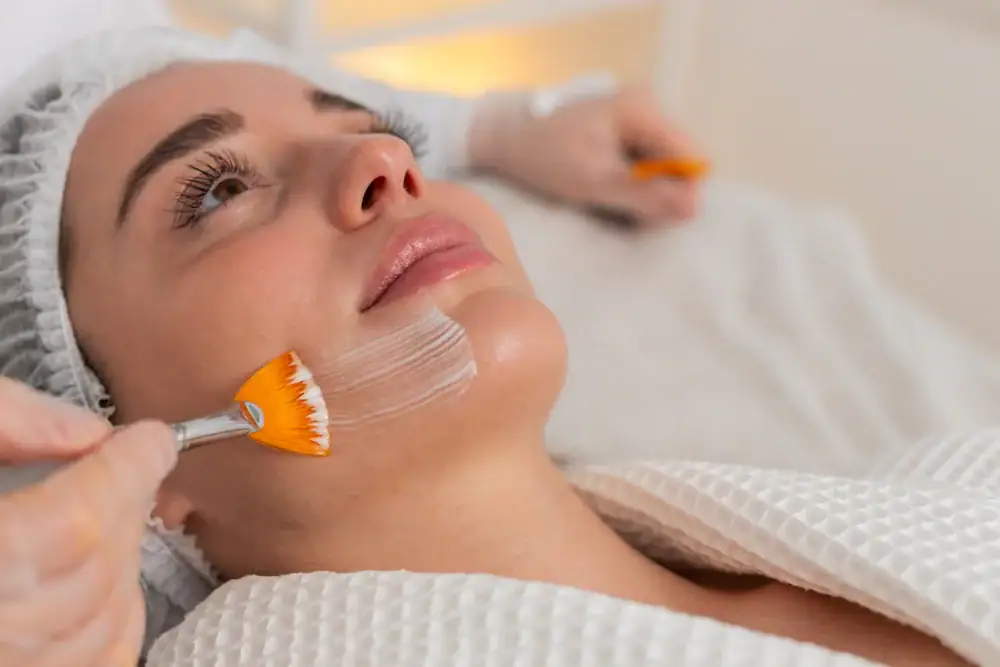
A chemical face peel in East Rutherford does more than exfoliate. It removes the damaged outer layer so fresher, healthier skin can surface. That means fewer dark spots from sun exposure, smoother texture where acne scars used to sit, and a more even tone overall.
You’re not chasing perfection. You’re after visible improvement without looking like you’ve had work done. The kind of skin that makes people ask what you’ve been using—not what you’ve had done.
This isn’t a one-size-fits-all treatment. Light peels work for quick refreshers with zero downtime. Medium-depth peels target stubborn pigmentation and fine lines. Deep peels address more serious texture issues and sun damage. The depth you need depends on what you’re dealing with and how much recovery time you can handle. That’s decided during your consultation, not before you walk in.
Chemical Peel Specialist East Rutherford
We operate under the oversight of a board-certified plastic surgeon. That means every face peeling treatment in East Rutherford is backed by medical training, not just aesthetician certification. You’re getting clinical-grade products and protocols, not watered-down versions.
We’ve built our reputation on thousands of treatments across Bergen County. Our team includes certified, licensed injectors who understand skin at a deeper level—how it heals, how it responds to different acids, and how to customize treatment intensity based on your skin type and concerns.
Our East Rutherford clients come to us because they want results without the risk of walking into an unqualified provider’s office. You get a complimentary consultation up front, a two-week follow-up after treatment, and touch-ups if needed. No surprises. No hidden fees.
Chemical Skin Peel Process East Rutherford
Your consultation comes first. We assess your skin, talk through what’s bothering you, and review your medical history. If you’ve had reactions to acids before or you’re on certain medications, that changes the approach. We’re not rushing you into a treatment that’s wrong for your skin.
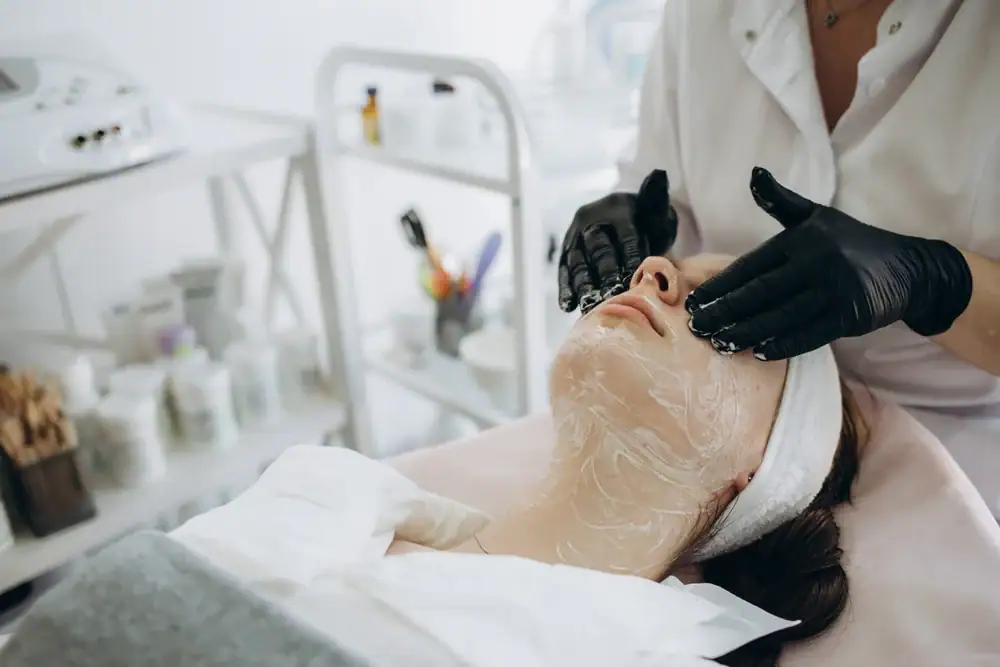
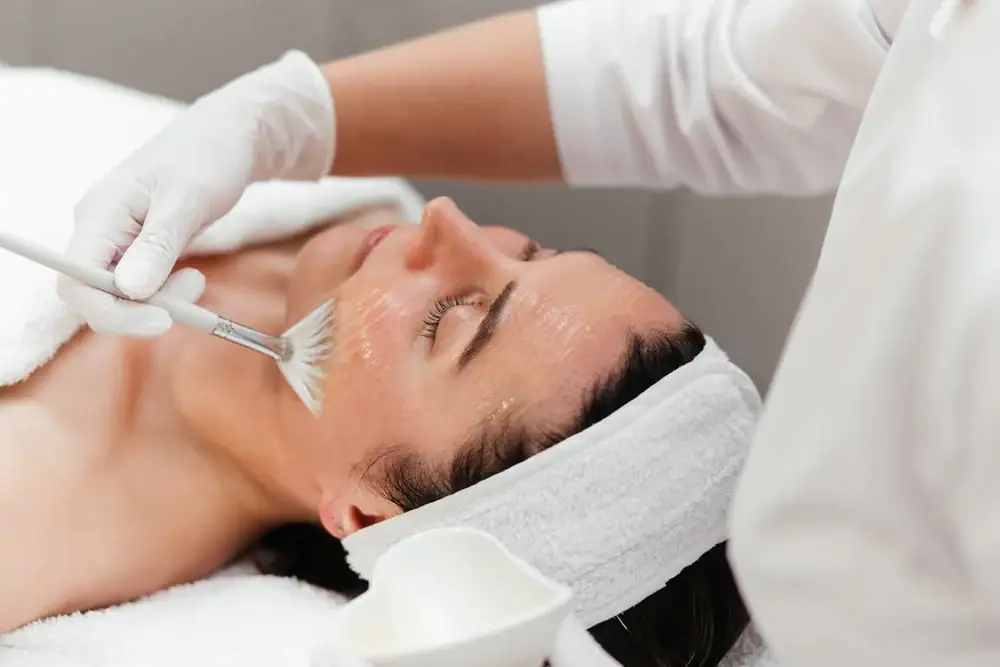
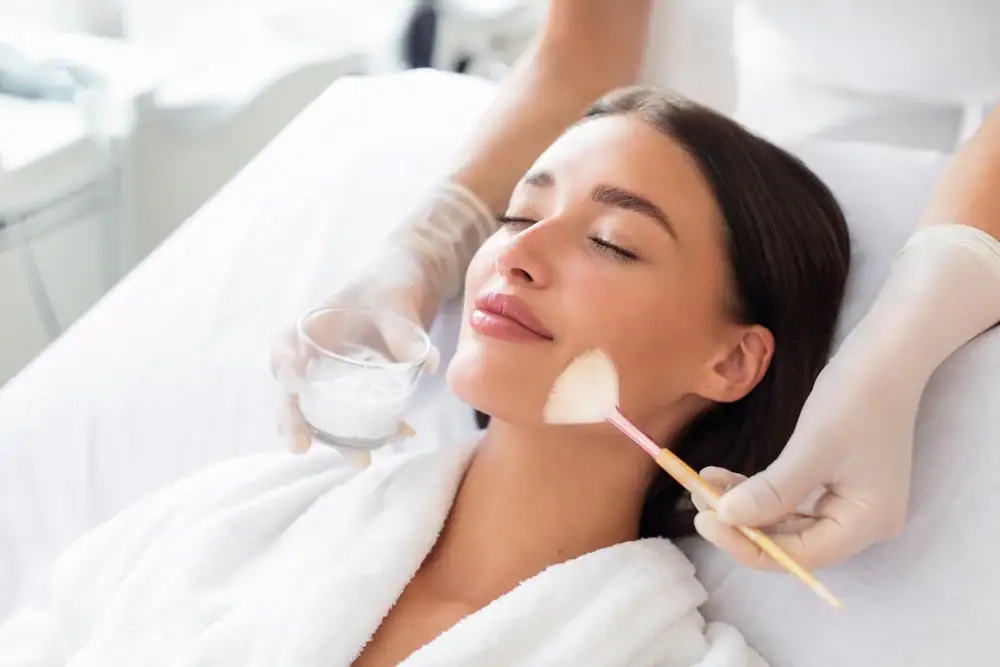
Once we agree on a plan, the actual chemical skin peel in East Rutherford takes 30 to 60 minutes depending on depth. We cleanse your skin, apply the peel solution, and monitor how your skin responds in real time. You’ll feel some tingling or warmth—that’s normal. We neutralize and remove the solution once it’s done its job.
Aftercare matters more than most people think. Your skin will be sensitive and possibly red for a few days. Peeling usually starts around day three and can last up to a week depending on the peel depth. You’ll need to avoid sun exposure, skip harsh products, and keep your skin moisturized. We give you specific instructions and medical-grade products to support healing. Two weeks later, you come back so we can check your results and make any adjustments if needed.
Ready to get started?
Non Surgical Chemical Peel East Rutherford
Every non surgical chemical peel in East Rutherford includes a complimentary consultation, the treatment itself, post-care instructions, medical-grade aftercare products, and a two-week follow-up with complimentary touch-up if needed. You’re not paying for the peel and then getting nickel-and-dimed for everything else.
We use medical-grade solutions—glycolic acid, salicylic acid, TCA, or a combination depending on what your skin needs. A glycolic chemical peel in East Rutherford works well for surface-level concerns like dullness and mild discoloration. Salicylic peels target acne and oily skin. TCA peels go deeper for sun damage, melasma, and more pronounced texture issues.
Our Bergen County clients tend to deal with a mix of sun damage from shore trips and environmental stress from city commutes. We see a lot of hyperpigmentation, uneven tone, and early signs of aging. The good news is that chemical peels address all of that without needles, lasers, or surgery. You’re stimulating collagen production in the deeper layers of your skin, which means results continue to improve for weeks after the peel itself.
Pricing depends on peel depth and whether you’re combining treatments. We discuss cost during your consultation so there’s no confusion later. We also participate in the Allē rewards program if you’re already earning points through other treatments.
How do I know which chemical peel is right for my skin type?
It depends on what you’re treating and how your skin typically reacts. If you have sensitive skin or you’re new to peels, a light glycolic or lactic acid peel is usually the starting point. These are gentler, require minimal downtime, and let us see how your skin responds before going deeper.
If you’re dealing with stubborn pigmentation, acne scars, or sun damage, a medium-depth TCA peel will get you better results. These penetrate further and require more recovery time—usually five to seven days of visible peeling. Deep peels are reserved for more serious concerns and come with longer downtime, but they also deliver the most dramatic improvement.
During your consultation, we evaluate your skin tone, texture, sensitivity, and medical history. Certain skin types are more prone to post-inflammatory hyperpigmentation, which means we need to adjust the peel strength and aftercare protocol. We’re not guessing. We’re matching the treatment to your skin’s actual needs.
What's the downtime like after a chemical face peel?
Light peels have almost no downtime. You might have some redness for a few hours and light flaking over the next few days, but most people go back to work the same day. You can wear makeup within 24 hours if needed.
Medium-depth peels are a different story. Expect redness, tightness, and visible peeling starting around day three. The peeling phase lasts about five to seven days. Your skin will look worse before it looks better, so plan accordingly. Don’t schedule a medium peel right before a big event.
Deep peels require the most recovery—up to two weeks of significant peeling, redness, and sensitivity. These are less common and usually reserved for clients with severe sun damage or deep wrinkles. We walk you through what to expect and give you a realistic timeline during your consultation. No one wants to be surprised by a week of peeling skin when they thought they’d be fine in two days.
Will a chemical peel help with acne scars and hyperpigmentation?
Yes, but the depth of the peel matters. Superficial acne scars and post-inflammatory hyperpigmentation respond well to a series of light to medium peels. You’re removing damaged skin cells and encouraging new collagen formation, which gradually smooths out texture and evens out tone.
Deeper, pitted acne scars need more aggressive treatment—either a deeper peel or a combination approach with microneedling or laser therapy. Chemical peels alone won’t completely erase deep scars, but they can make a noticeable difference in overall texture and pigmentation.
Hyperpigmentation from sun damage or melasma is one of the most common reasons people get chemical peels. Glycolic and TCA peels are particularly effective here. You’ll likely need multiple sessions spaced a few weeks apart to see full results. We map out a treatment plan during your consultation so you know what to expect in terms of sessions and cost.
How much does a chemical peel cost in East Rutherford?
Light peels typically range from $150 to $300 per session. Medium-depth peels run between $300 and $600. Deep peels can go higher depending on the area treated and the specific protocol used. These are general ranges—your actual cost depends on what your skin needs.
We discuss pricing during your complimentary consultation. No hidden fees, no surprise add-ons. If you’re a new client, we offer discounts. We also have specialized pricing for military, nurses, and first responders. If you’re already using Allē rewards through other treatments, those points can apply here too.
Some clients do single peels for a quick refresh before an event. Others commit to a series of three to six treatments spaced a month apart for more significant improvement. We’ll recommend what makes sense based on your goals and budget. You’re never pressured into more than you need.
Can I combine a chemical peel with Botox or fillers?
Yes, but timing matters. If you’re getting injectables and a peel on the same day, we usually do the peel first and then wait a week or two before adding Botox or fillers. This gives your skin time to heal and reduces the risk of irritation or complications.
Some clients prefer to stagger treatments—Botox one month, a peel the next. This approach works well if you’re maintaining results over time rather than prepping for a specific event. Combining treatments can give you more comprehensive results since peels address texture and tone while injectables handle volume loss and dynamic wrinkles.
We map out a treatment plan that makes sense for your goals and your schedule. If you’re already getting regular Botox or filler appointments, adding a chemical peel a few times a year can extend and enhance those results. We also carry medical-grade skincare designed to work alongside both peels and injectables for longer-lasting improvement.
Is a chemical peel safe for darker skin tones?
It can be, but it requires more caution. Darker skin tones are more prone to post-inflammatory hyperpigmentation, which means the wrong peel or improper aftercare can make pigmentation worse instead of better. That’s why the consultation phase is critical.
We typically start with lower-strength peels and shorter contact times to see how your skin responds. Salicylic acid and mandelic acid peels tend to be safer for darker skin because they’re less likely to cause irritation. TCA peels can work too, but they need to be applied carefully and at lower concentrations.
Aftercare is even more important for darker skin tones. You’ll need to be strict about sun protection and follow the post-peel skincare routine exactly as directed. We don’t rush the process. If it takes a series of gentler peels to get you the results you want without risking hyperpigmentation, that’s the route we take. Your safety and results matter more than speed.
Other Services we provide in East Rutherford