Chemical Peel in Elmwood Park, NJ
Clearer Skin Without the Guesswork or Risk
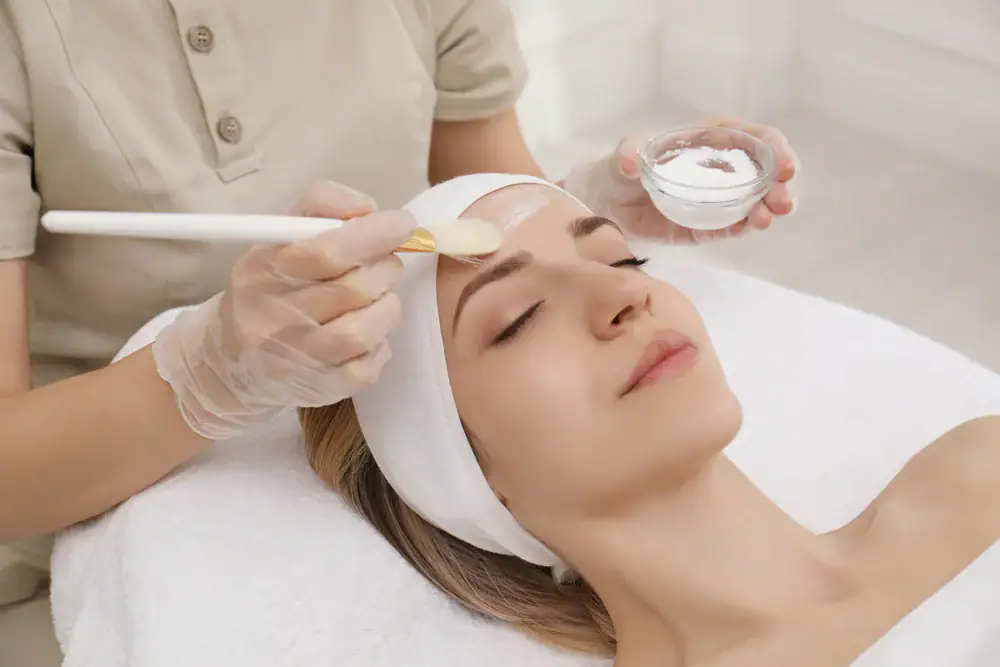
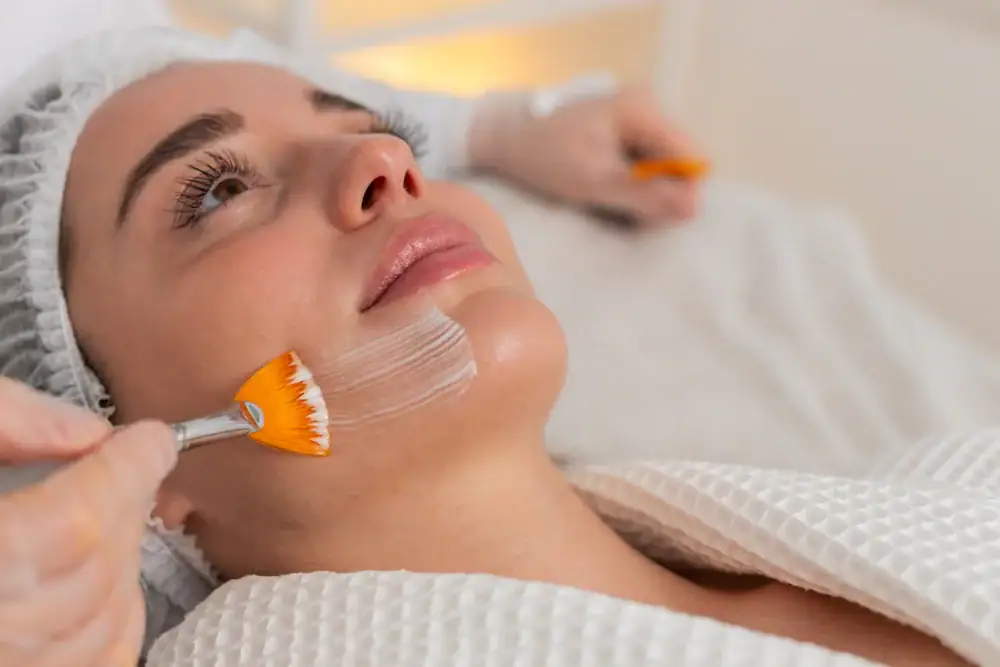
Face Peeling Treatment in Elmwood Park
Your skin texture smooths out. Those fine lines around your eyes and mouth soften. The uneven tone you’ve been covering with makeup starts to even out on its own.
A chemical peel in Elmwood Park, NJ works by removing damaged outer layers so healthier skin can surface. You’re not masking the problem anymore—you’re addressing what’s underneath.
Most people notice the difference within a week. Your skin looks fresher, feels smoother, and responds better to the skincare products you’re already using. It’s not about chasing perfection—it’s about looking like a clearer, more rested version of yourself.
The results you see depend on the depth of treatment you need. Superficial peels target surface-level concerns with minimal downtime. Medium-depth peels go further for sun damage, deeper lines, and pigmentation issues. Both give you visible improvement without surgery or injections.
Chemical Skin Peel Elmwood Park, NJ
We operate under the oversight of a board-certified plastic surgeon. That means every chemical skin peel in Elmwood Park, NJ is backed by actual medical training—not just a certificate from a two-day course.
You’ll meet with a licensed injector during your complimentary consultation. They’ll assess your skin type, talk through your concerns, and recommend the right depth of peel for your goals. Two weeks later, you’ll come back for a follow-up to make sure your skin is healing properly and your results are on track.
Elmwood Park residents don’t need to drive into Manhattan for medical-grade care. You get the same platinum-level Allergan standards, the same FDA-approved products, and the same attention to detail—just closer to home and at a price point that makes sense. No hidden fees. No upselling. Just transparent pricing and real expertise.
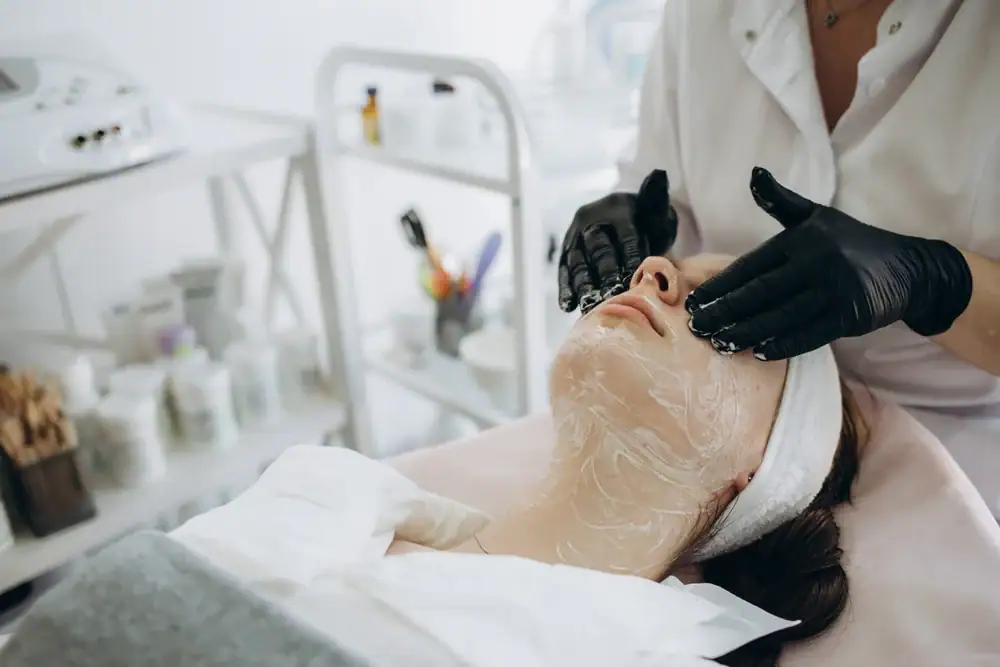
Best Chemical Peel Elmwood Park, NJ
Your appointment starts with a skin assessment. Your provider examines your skin type, checks for any contraindications, and confirms which chemical peel formula will work best for your concerns.
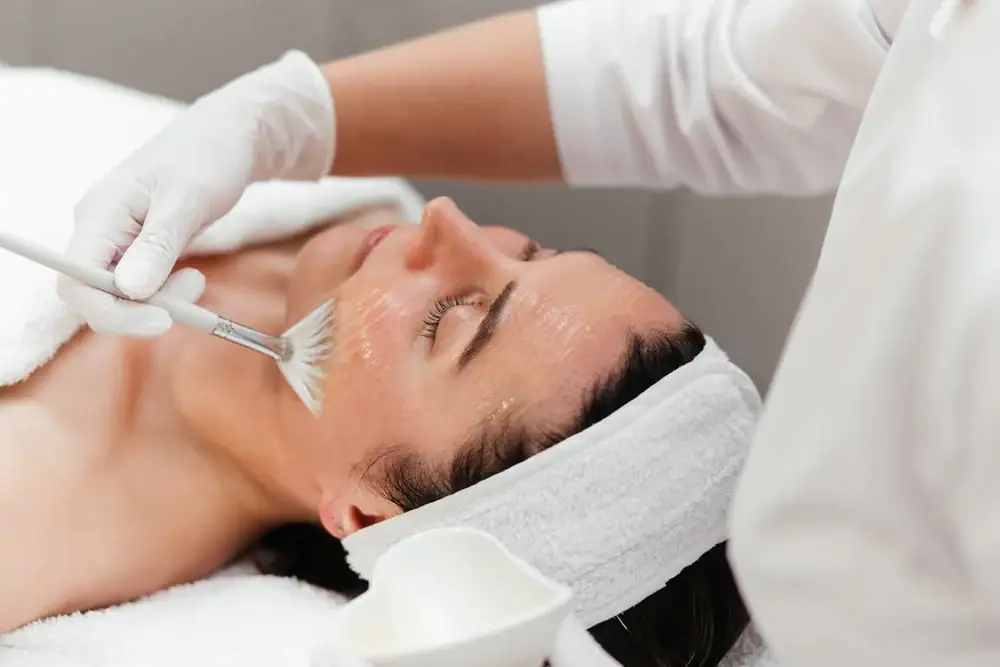
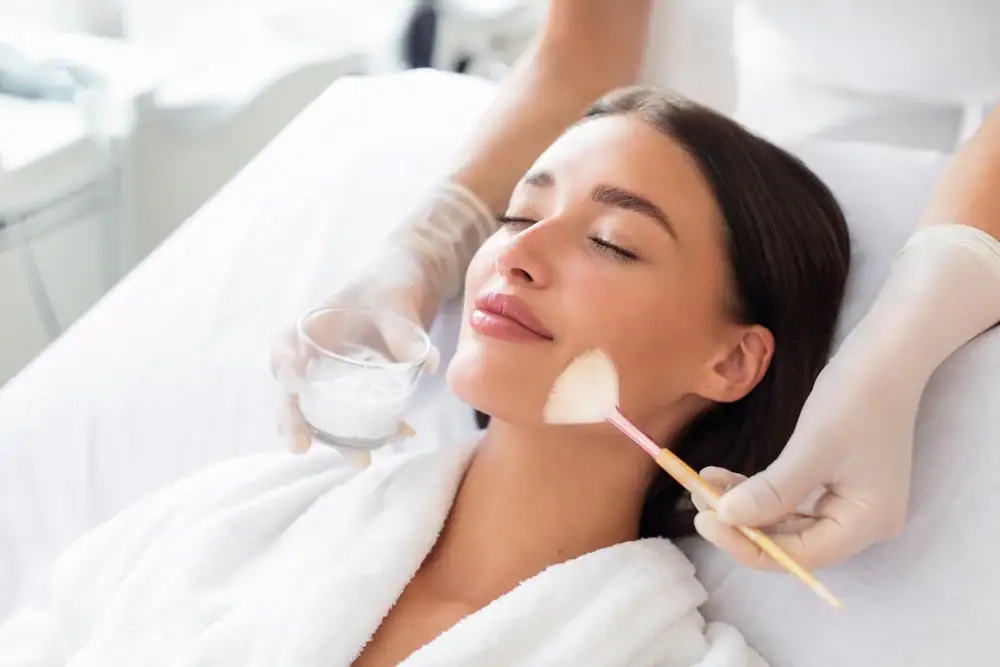
Once your skin is prepped and cleansed, the peel solution is applied in controlled layers. You’ll feel a mild tingling or warmth—that’s normal. The solution stays on for a specific amount of time depending on the depth of treatment, then it’s neutralized and removed.
Right after, your skin might look pink or feel tight. That’s expected. Within a few days, you may notice some flaking or peeling as the damaged layers shed. This is the treatment working—not a problem.
Your provider will send you home with clear aftercare instructions. You’ll avoid direct sun, skip harsh products, and keep your skin moisturized while it heals. Most people return to normal activities within a few days, though deeper peels may require a bit more downtime.
At your two-week follow-up, your provider checks your progress and addresses any concerns. If a touch-up is needed, it’s included at no extra cost.
Ready to get started?
Glycolic Chemical Peel Elmwood Park, NJ
Every glycolic chemical peel in Elmwood Park, NJ includes a complimentary consultation before you commit to anything. You’ll sit down with a licensed provider, discuss your skin concerns, and get a personalized recommendation based on your goals—not what’s easiest to sell.
Your treatment itself is performed in a private, lounge-like setting with minimal wait times. No rushing. No double-booking. Just focused attention on your skin and your results.
After your peel, you’ll receive medical-grade skincare guidance to help your results last longer. Your provider will recommend products that support healing and protect your fresh skin from future damage. You’re not left guessing what to do next.
Two weeks later, you’ll come back for a follow-up appointment. Your provider will assess your healing, answer any questions, and provide a touch-up if needed—at no additional charge. That follow-up is built into your treatment cost, not tacked on as an extra fee.
Elmwood Park’s median household income sits above $100,000, and the community values quality over shortcuts. That’s exactly what we deliver: medical-grade care with board-certified oversight, transparent pricing, and results you can actually see.
How much does a chemical peel cost in Elmwood Park, NJ?
Pricing depends on the depth of peel you need. Superficial peels typically cost less than medium-depth treatments because they require less downtime and target surface-level concerns like texture and tone.
At House of Ness, you’ll get transparent pricing during your complimentary consultation. No surprise fees. No pressure to add services you don’t need. Your quote includes the treatment itself, your two-week follow-up, and any necessary touch-ups.
Compared to Manhattan pricing, you’re looking at roughly 40% less for the same medical-grade standards and board-certified oversight. You’re not paying for a zip code—you’re paying for expertise, FDA-approved products, and real results. If cost is a concern, ask about the Allē rewards program and specialized discounts for military, nurses, and first responders during your consultation.
What's the difference between a light and medium chemical peel?
A light peel (also called a superficial peel) removes only the outermost layer of skin. It’s ideal for minor texture issues, dullness, and fine lines. You’ll have minimal downtime—usually just a few days of light flaking. Most people return to work the next day.
A medium peel goes deeper, targeting the outer and middle layers of skin. It’s better for sun damage, deeper wrinkles, uneven pigmentation, and acne scars. You’ll need more recovery time—typically five to seven days—and your skin will peel more noticeably during healing.
Your provider will recommend the right depth based on your skin type, your concerns, and how much downtime you can realistically handle. There’s no one-size-fits-all answer. A light peel might be enough if you’re dealing with surface-level issues. But if you’ve got years of sun damage or deeper lines, a medium peel will give you more dramatic improvement. The goal is matching the treatment to your actual needs, not just selling you the most expensive option.
How long does it take to see results from a face peeling treatment?
You’ll start seeing visible changes within three to five days as your skin begins to peel and reveal the fresher layer underneath. The full results become apparent around two weeks post-treatment, once all the flaking has finished and your skin has fully healed.
Light peels show improvement quickly but may require multiple sessions spaced a few weeks apart for optimal results. Medium peels deliver more dramatic changes in a single session but take longer to heal completely.
Your skin will continue improving for several weeks after the peel as collagen production increases and cell turnover accelerates. That’s why the two-week follow-up matters—your provider can assess how your skin is responding and determine whether additional treatments would benefit you. Most people see smoother texture, more even tone, and a noticeable reduction in fine lines within the first month. The key is giving your skin time to heal properly and following aftercare instructions closely.
Is a chemical peel safe for all skin types?
Not all peels work for all skin types. Darker skin tones have a higher risk of post-inflammatory hyperpigmentation, which means the peel could actually cause discoloration instead of fixing it. That’s why working with a board-certified provider matters.
Your provider will assess your skin type during your consultation and recommend a formula that minimizes risk. Certain acids (like glycolic or salicylic) work better for specific concerns and skin tones. If you have darker skin, your provider may suggest a gentler peel or a different treatment altogether.
People with active infections, open wounds, or certain medical conditions may not be good candidates for chemical peels. Same goes if you’re pregnant, nursing, or taking medications that increase sun sensitivity. Your provider will go through your medical history before recommending treatment. The goal is results without complications—not just booking an appointment. If a chemical peel isn’t right for you, a qualified provider will tell you that upfront and suggest alternatives that actually work for your skin.
What should I avoid after getting a chemical face peel?
Skip direct sun exposure for at least two weeks. Your fresh skin is vulnerable to UV damage, and even a short walk outside without sunscreen can cause hyperpigmentation. Wear SPF 30 or higher every single day, even if it’s cloudy.
Avoid harsh skincare products like retinoids, exfoliants, or anything with strong acids for at least a week. Your skin is healing—don’t interfere with that process by adding more active ingredients. Stick to gentle cleansers and a good moisturizer until your provider gives you the green light to resume your normal routine.
Don’t pick at peeling skin. It’s tempting, but pulling off flakes before they’re ready can cause scarring and uneven healing. Let your skin shed naturally. If you’re dealing with dryness or tightness, apply a fragrance-free moisturizer as often as needed. And skip the gym for a few days—sweating can irritate freshly treated skin and increase your risk of infection. Your provider will give you specific aftercare instructions based on the depth of your peel, so follow those closely.
Can I combine a chemical peel with other treatments like Botox or fillers?
Yes, but timing matters. Most providers recommend spacing treatments by at least two weeks to avoid irritation and give your skin time to heal properly. If you’re planning both a chemical peel and injectables, your provider will create a treatment plan that sequences everything correctly.
Some people prefer to do Botox or fillers first, then follow up with a peel once the injectables have settled. Others do the peel first and wait until their skin has fully healed before adding injectables. There’s no single right answer—it depends on your goals and your provider’s recommendation.
At House of Ness, we take a holistic approach. We’ll look at your overall aesthetic goals and recommend a combination of treatments that work together, not against each other. That might mean pairing a glycolic chemical peel in Elmwood Park, NJ with medical-grade skincare to extend your results. Or it might mean scheduling your peel between Botox appointments to maximize both treatments. The point is creating a plan that makes sense for your skin, your schedule, and your budget—not just stacking services for the sake of it.