Chemical Peel in Englewood, NJ
Clearer Skin Without the Guesswork or Downtime
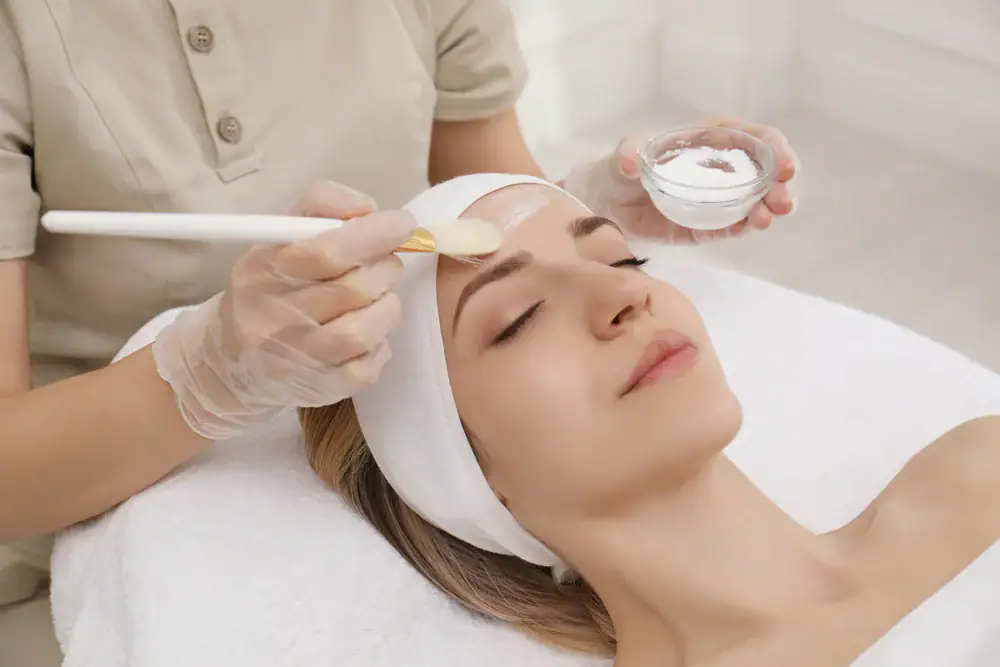
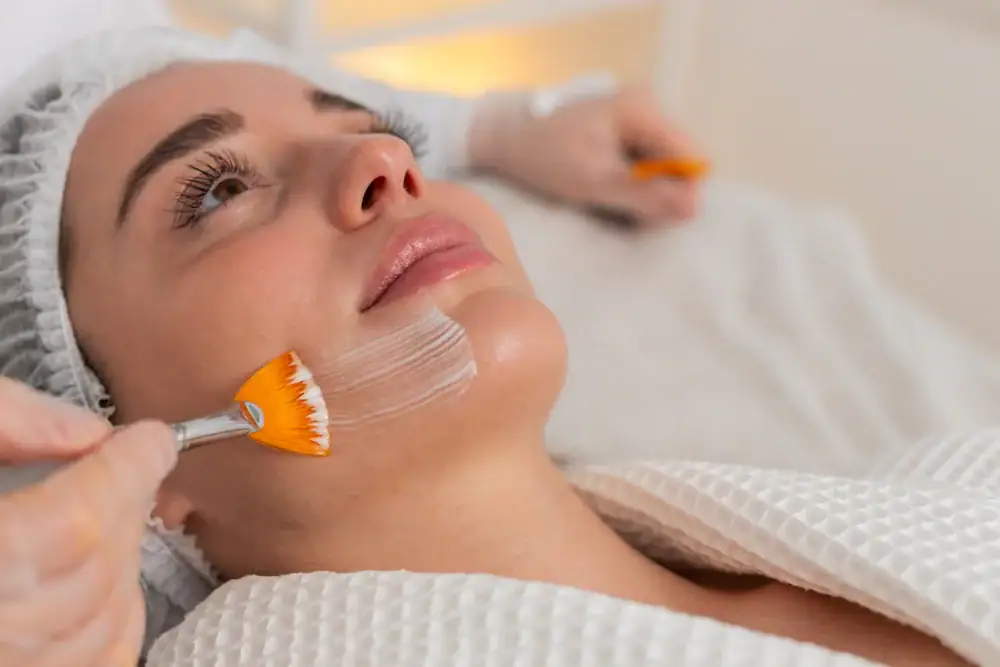
Best Chemical Peel Results in Englewood
The right chemical face peel doesn’t just strip away dead skin. It resets how your skin behaves—reducing the hyperpigmentation that makeup can’t quite cover, smoothing the texture that catches light the wrong way, and fading acne scars that have overstayed their welcome.
You’re not chasing perfection. You’re after skin that looks healthy when you’re not trying, that doesn’t need a filter to feel confident about. That’s what a properly administered face peeling treatment in Englewood, NJ delivers—whether you’re dealing with sun damage, uneven tone, fine lines, or dullness that skincare products alone haven’t touched.
The difference comes down to customization and medical oversight. A glycolic chemical peel works differently than a salicylic or TCA peel, and your skin doesn’t care what’s trending on social media. It responds to what’s clinically appropriate for your concerns, your skin type, and your tolerance. That’s why every treatment starts with an evaluation by our physician assistant, not a one-size-fits-all menu.
Chemical Skin Peel Experts in Englewood
We operate under the leadership of a board-certified plastic surgeon, which means every chemical peel in Englewood, NJ is performed by licensed, certified injectors with actual medical training. Not estheticians following a script. Not weekend-certified technicians. Medical professionals who understand skin physiology and can adjust treatment depth based on what they see.
We’re a platinum-level Allergan partner, which isn’t just a badge—it’s a standard. It means we meet manufacturer requirements for training, safety protocols, and outcome consistency. It also means you’re getting authentic, medical-grade products, not diluted formulas or mystery peels from unregulated suppliers.
Englewood residents come here because they’re tired of cookie-cutter consultations and surprise upcharges. You’ll know your cost before treatment begins, you’ll get a complimentary consultation that actually evaluates your skin, and you’ll have a two-week follow-up with touch-ups if needed. That’s not a marketing hook. That’s how we operate.
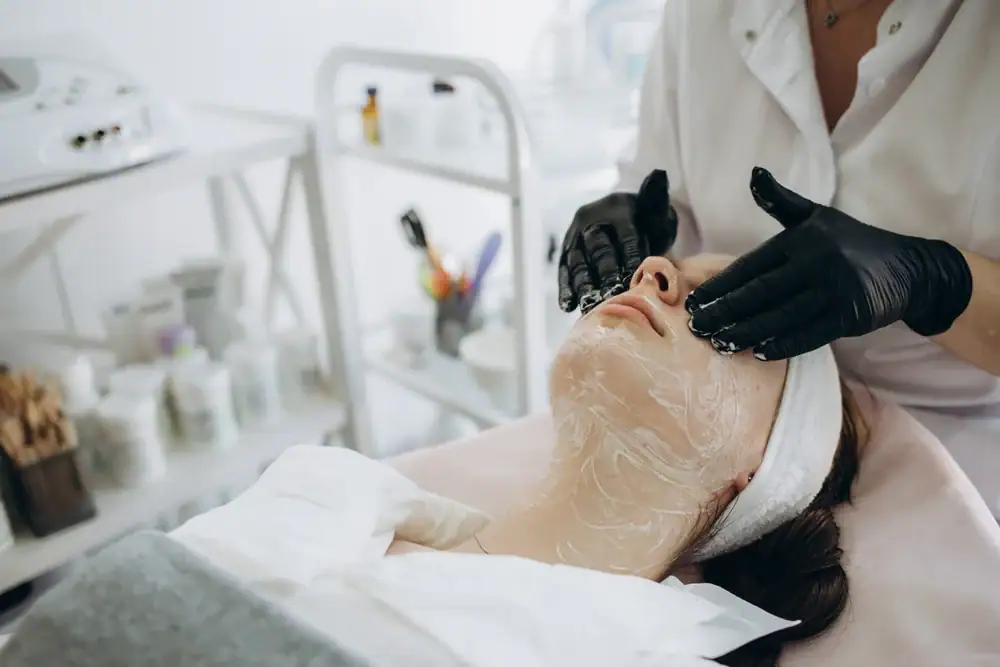
Face Peeling Treatment Process in Englewood
First, you meet with our physician assistant for a medical evaluation. This isn’t a sales pitch—it’s a clinical assessment of your skin type, concerns, medical history, and realistic outcomes. If a chemical skin peel isn’t the right move, we’ll tell you. If it is, we’ll explain which type (glycolic, salicylic, TCA, or a custom blend) and why.
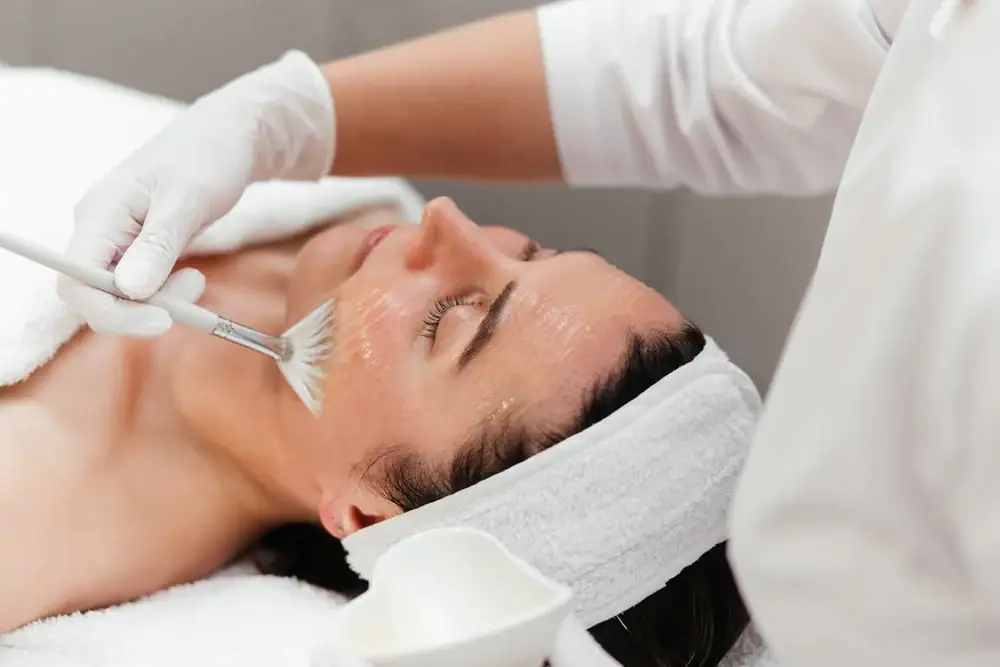
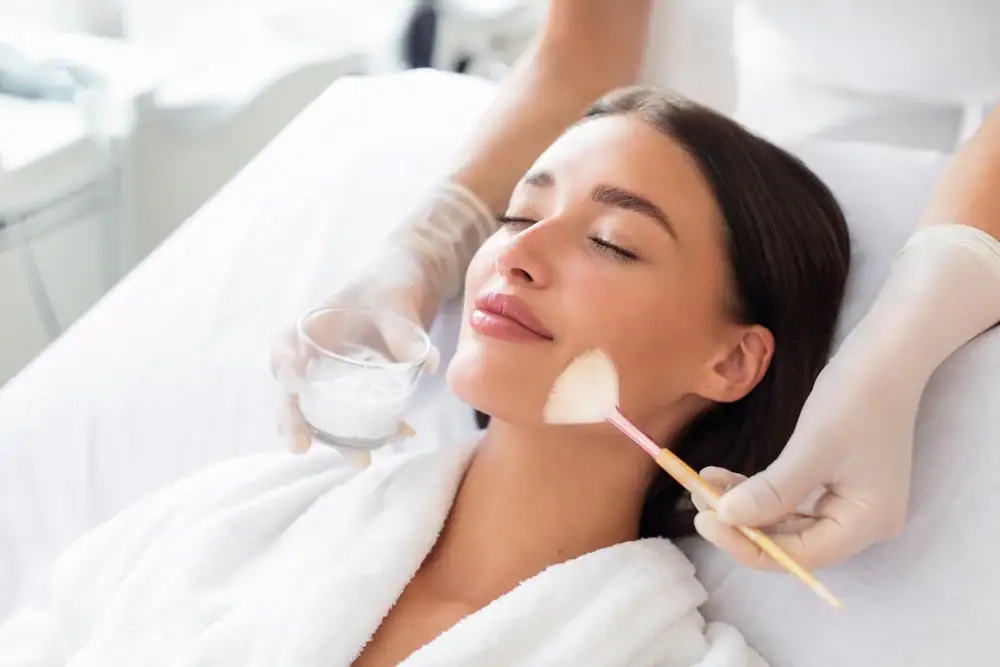
Once you’re cleared, the treatment itself takes 30 to 45 minutes. Your skin is prepped, the peel solution is applied in controlled layers, and you’ll feel a tingling or mild heat depending on the depth. We’re watching your skin’s response in real time and adjusting as needed. This is physician-office-strength work, not what you’d get at a salon.
Afterward, you’ll have specific aftercare instructions—what to avoid, what to apply, and what to expect as your skin sheds and regenerates. Most people see visible peeling within two to three days, with full results emerging over the next week or two. You’ll come back at the two-week mark so we can assess your results and provide a touch-up if any areas need it. No extra charge. No runaround.
Ready to get started?
Non Surgical Chemical Peel Options in Englewood
Every non surgical chemical peel at House of Ness includes a complimentary consultation, the treatment itself, post-care instructions, and a guaranteed two-week follow-up with touch-up if needed. You’re also enrolled in the Allē rewards program, which lets you earn points on every treatment and redeem them for future services.
We offer light, medium, and deep peels depending on your goals. Light peels (like glycolic) target surface texture and tone with minimal downtime—think a weekend of flaking. Medium peels go deeper to address pigmentation and fine lines, with about a week of visible peeling. Deep peels are reserved for more significant sun damage or scarring and require more recovery time, but deliver the most dramatic results.
Englewood clients often combine their chemical face peel in Englewood, NJ with medical-grade skincare to extend and protect results. We’ll recommend specific products based on your skin’s needs, not what’s on sale. And because we’re a medical practice, we can also discuss whether combining treatments—like pairing a peel with microneedling or laser—makes sense for your timeline and budget. Transparency matters here. You’ll never be upsold on something you don’t need.
How do I know which type of chemical peel is right for my skin?
The short answer: you don’t, and you shouldn’t have to. That’s why every client at House of Ness starts with a consultation led by our physician assistant, who evaluates your skin type, concerns, medical history, and goals before recommending a specific peel.
Glycolic peels work well for surface-level dullness and texture. Salicylic peels target acne and oil-prone skin. TCA peels go deeper for pigmentation and fine lines. Some clients need a custom blend. The decision isn’t based on what’s popular or what’s cheapest—it’s based on what your skin can tolerate and what will actually deliver results.
If you have active rosacea, certain autoimmune conditions, or a history of keloid scarring, a chemical peel might not be the right move at all. We’ll tell you that upfront, and we’ll suggest alternatives if needed. The goal isn’t to sell you a peel. It’s to give you a treatment plan that works.
Will a chemical peel make my skin worse before it gets better?
Yes, temporarily—and that’s actually the point. A chemical peel works by controlled exfoliation, which means your skin will shed dead layers over the course of several days. That shedding can look like flaking, peeling, or temporary redness, depending on the depth of the peel.
Light peels might give you a few days of mild flaking that you can cover with makeup. Medium peels usually involve more visible peeling for about a week, and your skin may look tight or feel sensitive. Deep peels require more downtime and can result in significant peeling and redness, but they’re reserved for clients who need that level of correction.
The key is following aftercare instructions exactly. That means no picking at peeling skin, no harsh products, and religious use of sunscreen. Most clients see their skin looking noticeably clearer and smoother within two weeks. If you’re not seeing the results we discussed during your consultation, that’s what the two-week follow-up is for—we’ll assess and adjust.
Are chemical peels safe for darker skin tones or sensitive skin?
Yes, but only when they’re done correctly by someone who understands how different skin types respond to chemical exfoliation. Darker skin tones are more prone to post-inflammatory hyperpigmentation, which means an improperly administered peel can actually make pigmentation worse instead of better.
That’s why we don’t use a one-size-fits-all approach. Our physician assistant evaluates your Fitzpatrick skin type, any history of hyperpigmentation, and your skin’s sensitivity before selecting a peel formula and depth. For darker skin, we often start with lower concentrations and shorter contact times, then build up based on how your skin responds.
Sensitive skin requires a similar level of caution. If you have rosacea, eczema, or a compromised skin barrier, we may recommend a gentler peel or suggest waiting until your skin is in better condition. The goal is results without complications, and that requires medical oversight—not just someone following a protocol they learned in a weekend course.
How much does a chemical peel cost in Englewood, NJ?
Pricing depends on the type and depth of the peel, but you’ll know the exact cost before any treatment begins. We don’t do surprise fees or hidden charges. Light peels typically start lower, medium peels are mid-range, and deep peels cost more because they require more time, expertise, and follow-up care.
We also offer discounts for new clients, military members, nurses, and first responders. If you’re enrolled in the Allē rewards program (which we include with every treatment), you can earn points that reduce the cost of future services. Some clients also choose to combine their peel with other treatments, which can affect overall pricing.
During your complimentary consultation, we’ll give you a transparent breakdown of costs based on the treatment plan we recommend. If it’s outside your budget, we’ll discuss alternatives or a phased approach. The goal is to give you options that actually work for your skin and your financial reality, not to pressure you into something you’re not ready for.
How long do results from a chemical peel last?
It depends on the depth of the peel and how well you maintain your skin afterward. Light peels deliver a temporary glow and texture improvement that lasts a few weeks to a couple of months. Most clients schedule them every four to six weeks for ongoing maintenance.
Medium peels produce more significant results—reduced pigmentation, smoother texture, finer lines—that can last several months to a year, depending on sun exposure and skincare habits. Deep peels offer the most dramatic and longest-lasting results, sometimes years, but they’re not something you repeat frequently.
The real key to extending results is what you do after the peel. That means daily sunscreen (non-negotiable), medical-grade skincare that supports cell turnover, and avoiding behaviors that damage skin—like tanning or skipping moisturizer. We’ll give you specific product recommendations during your follow-up, and we can adjust your maintenance plan based on how your skin responds over time.
Can I combine a chemical peel with Botox or fillers?
Yes, and many clients do—but timing matters. Generally, it’s safer to do injectables like Botox or fillers first, then schedule your chemical peel a week or two later. That gives the injectables time to settle and reduces the risk of migration or irritation from the peel process.
If you’re planning both treatments, bring it up during your consultation so we can map out the right sequence and timeline. Some clients prefer to stagger treatments over a few months, while others want everything done in a compressed window before an event. Either approach works as long as it’s planned correctly.
We specialize in both injectables and advanced skin treatments, so you’re working with a team that understands how these procedures interact. We’re not going to recommend a combination that compromises results or increases risk. If spacing things out makes more sense, we’ll tell you. If doing them together is safe and effective, we’ll build a plan that maximizes both.