Chemical Peel in Lyndhurst, NJ
Smoother, Clearer Skin Without Surgery or Downtime
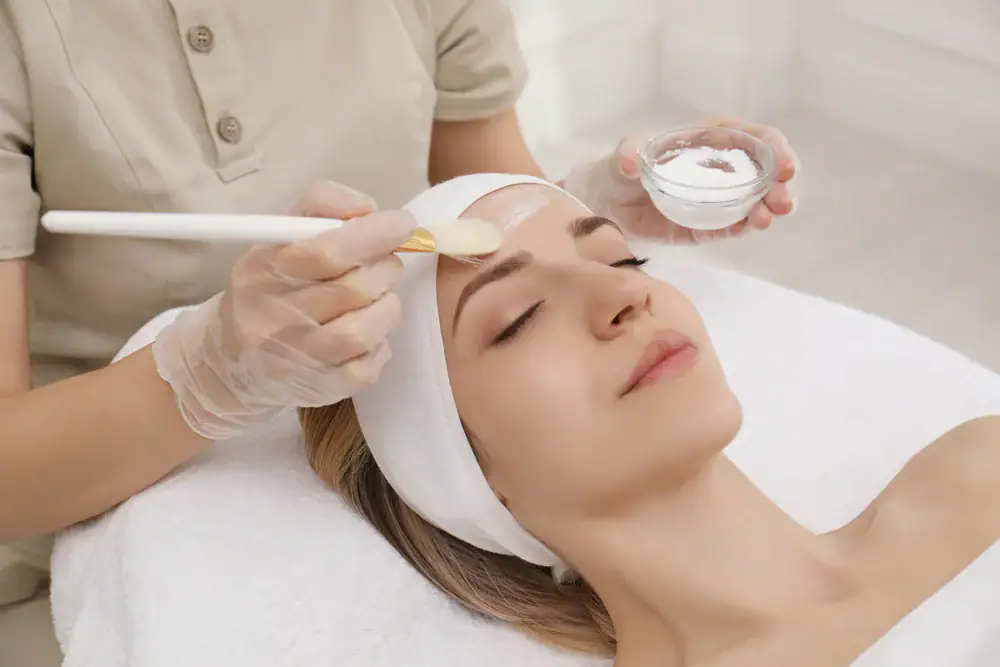
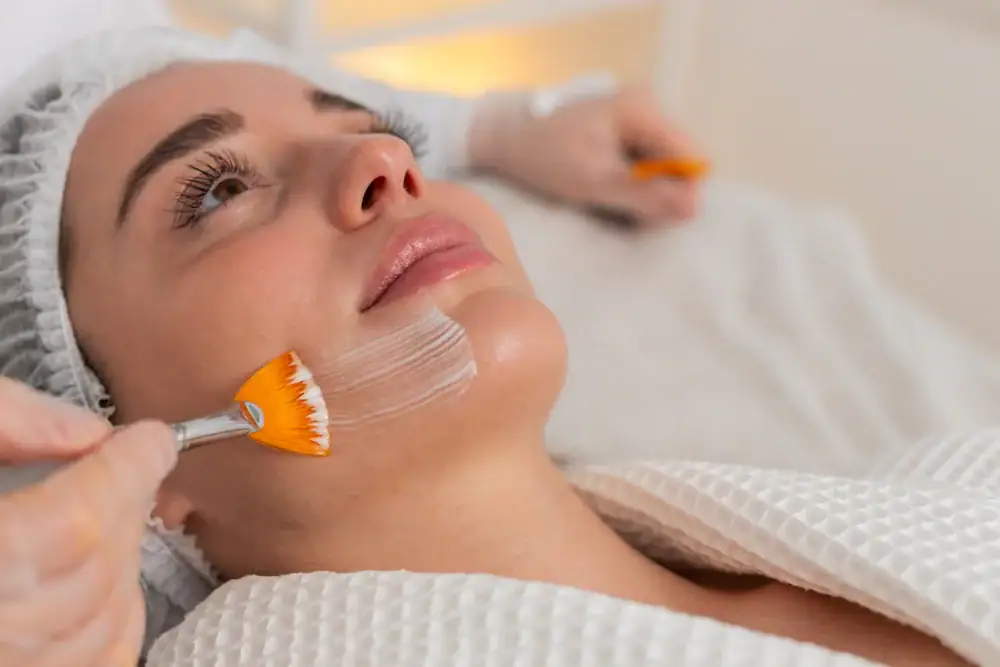
Best Chemical Peel Lyndhurst, NJ
Your skin texture improves. The rough patches, acne scars, and sun damage that made you reach for heavier makeup start fading after your first treatment.
Fine lines soften. Age spots lighten. That dull, tired complexion you’ve been trying to fix with serums finally responds to something that works at a deeper level.
A chemical skin peel in Lyndhurst doesn’t just resurface—it triggers your skin to rebuild collagen and push out fresh cells. You’re not covering up the problem. You’re addressing what’s underneath, which is why the results last longer than what you’d get from a facial or over-the-counter product.
Most people notice smoother texture within days. The real transformation shows up over the following weeks as your skin continues renewing itself. If you’re dealing with stubborn pigmentation or deeper scarring, a series of three to five treatments gives you the cumulative effect that one session can’t deliver alone.
Chemical Peel Lyndhurst Medical Spa
House of Ness is led by a Board Certified Plastic Surgeon and staffed by certified, licensed injectors who’ve built their careers around aesthetic medicine. This isn’t a side service—it’s what we do every day.
Located in Lyndhurst, we serve patients throughout Bergen County, including Nutley, North Arlington, Hoboken, and Jersey City. Our environment is designed to feel less clinical and more like a lounge where you can actually relax before your appointment.
Every chemical peel starts with a complimentary consultation. You’ll meet with one of our providers who reviews your skin concerns, explains what a face peeling treatment can realistically accomplish, and builds a plan around your goals. Two weeks later, you come back for a follow-up and touch-up if needed. That’s included, not upsold.
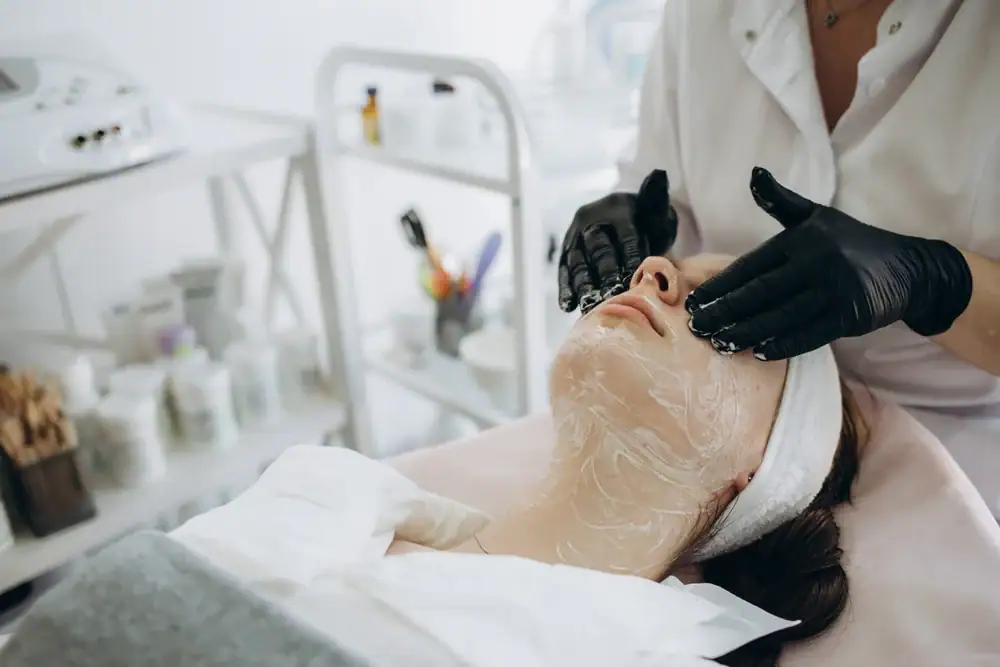
Face Peeling Treatment Process Lyndhurst
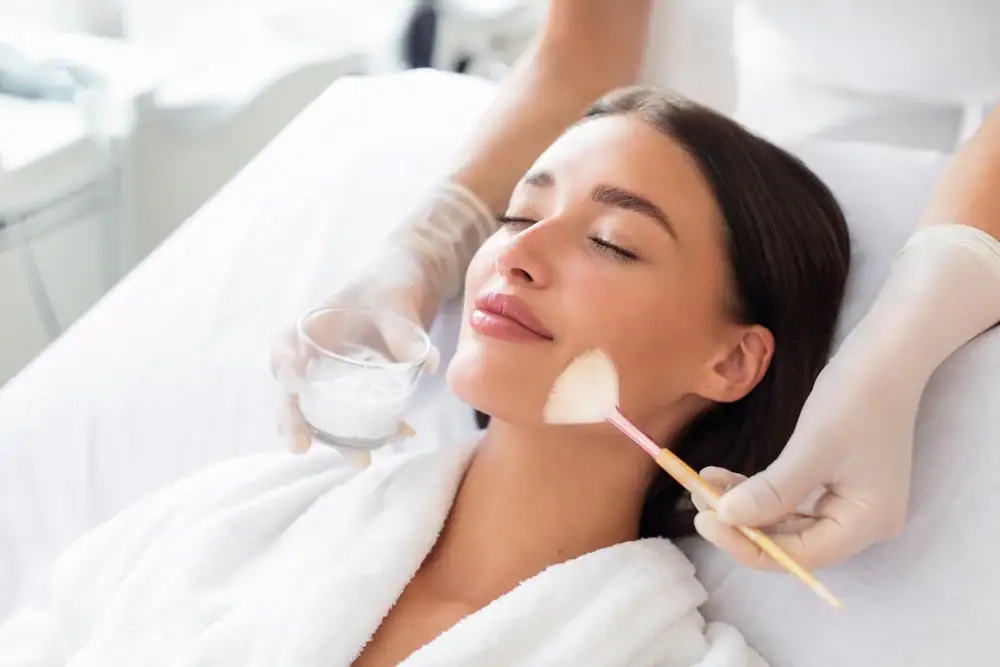
Your provider preps your skin and applies the medical-grade peel solution. The VI Chemical Peel we use is formulated to penetrate beyond the surface layer, targeting pigmentation, acne scars, and signs of aging at a cellular level.
You’ll feel tingling or mild burning during application. That’s normal. The sensation fades once the peel is neutralized or removed, depending on the formula used.
Over the next few days, your skin starts peeling. This isn’t the dramatic, sheet-like peeling you might be picturing—it’s more like controlled flaking that you can manage with the aftercare products we provide. Some people peel lightly, others more noticeably. Either way, it’s part of the process.
Within a week, the peeling stops and you’re left with fresher, smoother skin underneath. If you’re doing a series, your next treatment is scheduled three to four weeks out to give your skin time to fully recover and build on the results.
Ready to get started?
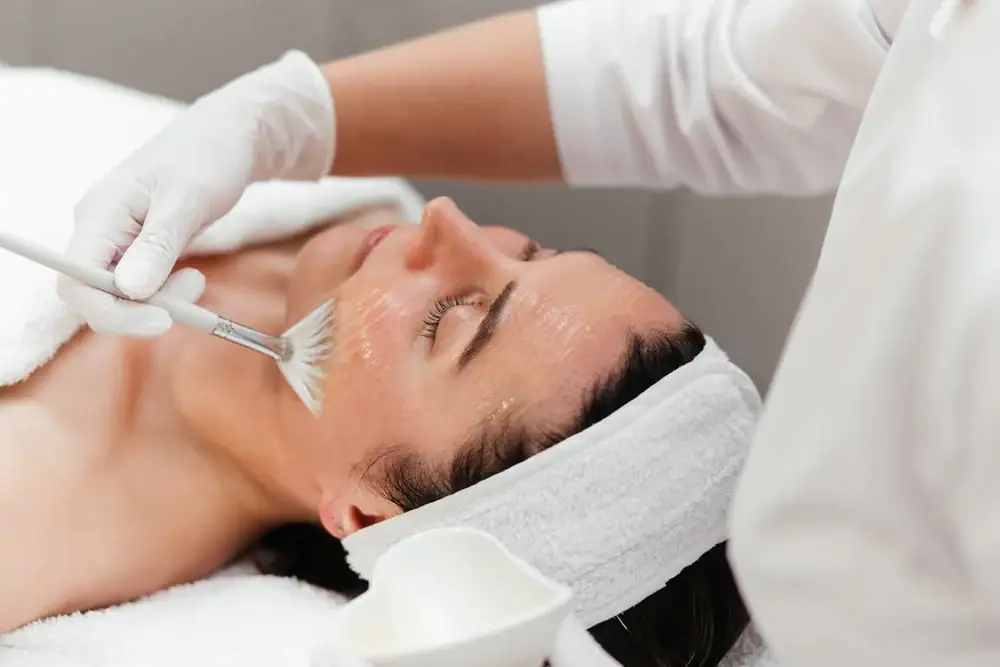
Non Surgical Chemical Peel Lyndhurst, NJ
Your treatment includes a complimentary consultation where we assess your skin type, discuss your concerns, and determine which peel strength makes sense. Not everyone needs the same formula, and pushing too hard too fast doesn’t get better results—it just increases downtime.
The VI Chemical Peel itself is medical-grade, meaning it’s stronger and more effective than what you’d find at a day spa. It’s designed to treat acne, melasma, sun damage, and fine lines without requiring you to take a week off work.
You’ll receive post-peel skincare products to support healing and maximize results. These aren’t optional—they’re part of the protocol. Using them correctly makes the difference between good results and great ones.
Two weeks after your peel, you come back for a follow-up. We check your progress, address any concerns, and provide a touch-up if needed. That appointment is already built into your treatment plan.
For patients in Lyndhurst and surrounding areas like Montclair, Bloomfield, and Nutley, this level of medical oversight is what separates a glycolic chemical peel done right from one that underdelivers. You’re not just getting a product applied—you’re getting a monitored treatment with professional accountability.
How long does it take to see results from a chemical peel?
You’ll notice smoother texture and a brighter complexion within seven to ten days, once the peeling phase is complete. That’s when the fresh skin underneath is fully revealed.
Deeper improvements—like reduced pigmentation, softer fine lines, and fading acne scars—develop over the following two to four weeks. Your skin is still regenerating collagen and turning over new cells during this time, so the results continue building even after the visible peeling stops.
If you’re doing a series of peels, each treatment compounds the last. By your third or fourth session, you’re seeing cumulative changes that one peel alone couldn’t achieve. Most people doing a full series notice their best results around six to eight weeks after their final treatment.
Will I have to take time off work after a chemical face peel?
Most people don’t. The peeling phase typically starts two to three days after your treatment and lasts about five to seven days total. During that time, your skin will flake, but it’s manageable with the right moisturizer and sunscreen.
Some patients schedule their peel before a weekend so the heaviest peeling happens when they’re off. Others go straight back to work the next day and just avoid heavy makeup until the flaking subsides.
If your job involves being on camera or attending high-profile meetings, you might want to plan around that. But for most people in Lyndhurst working standard office jobs or remote schedules, downtime isn’t a major issue. The key is following aftercare instructions—skipping steps or picking at your skin will make the process longer and more noticeable than it needs to be.
What skin concerns does a chemical skin peel actually treat?
Chemical peels are effective for acne scars, especially the shallow, textured kind that doesn’t respond well to topical treatments. They also target hyperpigmentation from sun damage, melasma, and post-inflammatory marks left behind by breakouts.
Fine lines and wrinkles improve because the peel stimulates collagen production. You’re not going to erase deep creases, but surface-level lines around your eyes and mouth will soften noticeably after a series of treatments.
Rough texture, dullness, and uneven tone all respond well. If your skin looks tired or aged beyond your years, a medical-grade peel resets the surface and gives you a clearer starting point for your regular skincare routine. It’s not a replacement for good daily habits, but it accelerates what those products can do by removing the damaged outer layers that block absorption.
How is a medical-grade chemical peel different from a spa peel?
Strength and supervision. Medical-grade peels like the VI Peel penetrate deeper and use higher concentrations of active ingredients—acids that actually trigger cellular turnover and collagen remodeling, not just surface exfoliation.
Spa peels are gentler, which means less risk but also less result. They’re often called “lunchtime peels” because there’s minimal peeling and minimal change. You might get a temporary glow, but you’re not addressing deeper concerns like scarring or pigmentation.
At House of Ness, every chemical peel is performed by a licensed provider working under the supervision of a Board Certified Plastic Surgeon. That means if something doesn’t look right or if your skin reacts unexpectedly, you’re being monitored by someone with medical training—not just an esthetician following a script. The follow-up appointment two weeks later is part of that oversight. We’re checking your healing, not just hoping it went well.
Does a chemical peel hurt, and what does it feel like?
You’ll feel tingling and warmth during application. Some people describe it as a mild burning sensation that builds as the peel sits on your skin. It’s not unbearable, but it’s not nothing either.
The discomfort peaks while the solution is active, then fades quickly once it’s neutralized or removed. Most patients say it’s less painful than they expected—more uncomfortable than painful. If you’ve ever had a strong facial or used a high-percentage retinol, it’s in that range.
After your appointment, your skin might feel tight or sensitive for a day or two, similar to a sunburn. The actual peeling phase isn’t painful—it’s just flaky and sometimes itchy. Moisturizing regularly and avoiding the urge to pick keeps irritation to a minimum. If you have a low pain tolerance, let your provider know during your consultation. We can adjust the application or talk you through what to expect so there are no surprises.
How many chemical peel treatments will I need to see real results?
It depends on what you’re treating. For general texture improvement and a brighter complexion, one or two peels might be enough. For acne scars, deep pigmentation, or significant sun damage, a series of three to five treatments spaced three to four weeks apart gives you the cumulative effect that delivers lasting change.
Each peel builds on the last. Your skin doesn’t just reset after one session—it continues remodeling collagen and pushing out damaged cells with each treatment. By the third or fourth peel, you’re seeing improvements that go beyond surface-level.
During your complimentary consultation at our Lyndhurst location, your provider will assess your skin and recommend a treatment plan based on your specific concerns. Some people maintain results with one peel every few months. Others do an intensive series once, then switch to maintenance mode. There’s no one-size-fits-all answer, but the plan is always customized to what your skin actually needs—not what fills a package.