Chemical Peel in Mahwah, NJ
Clearer Skin Without Looking Overdone
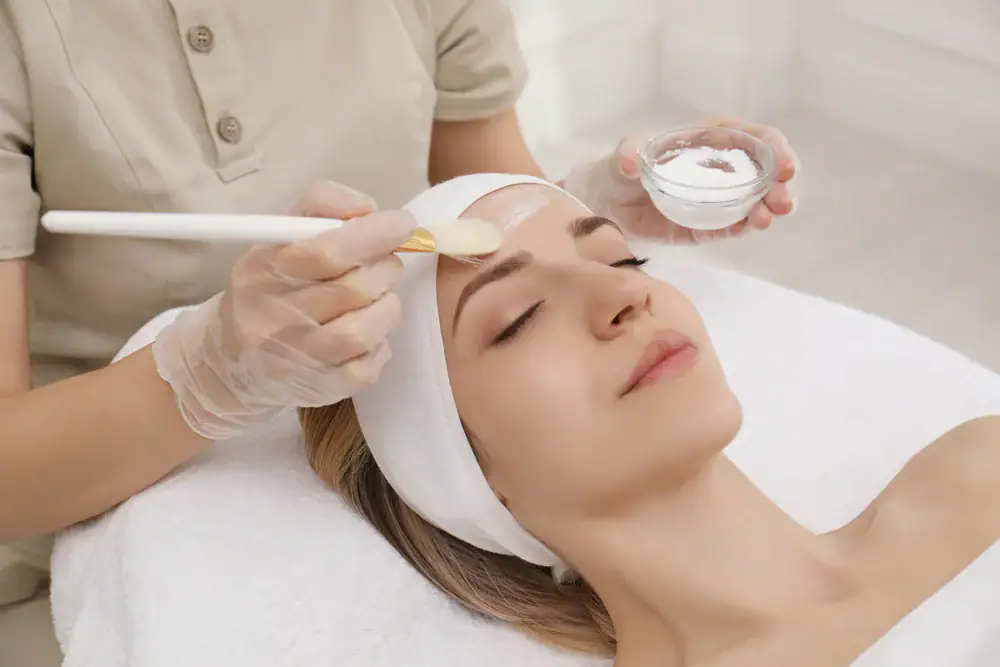
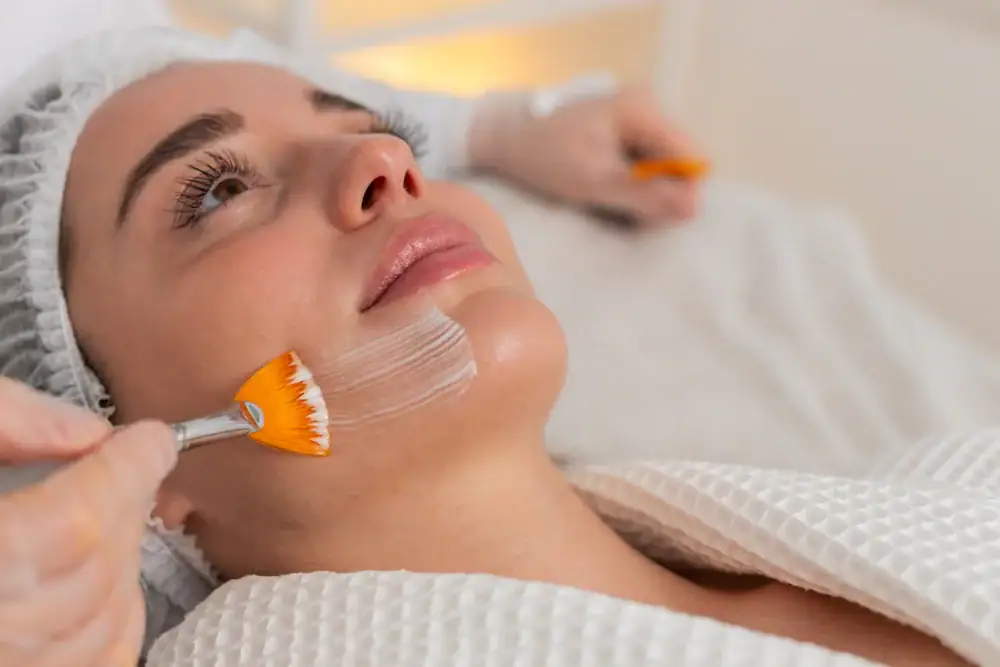
Best Chemical Peel Mahwah
Your skin doesn’t stop aging, but it does stop shedding dead cells as efficiently as it used to. That’s where the dullness comes from. The rough texture. The uneven tone that makeup can’t quite fix.
A chemical face peel in Mahwah removes that buildup in a controlled way. It triggers your skin to regenerate—not overnight, but methodically. You’re left with smoother texture, fewer visible fine lines, and a more even complexion that reflects light better.
This isn’t about erasing who you are. It’s about looking like yourself on a day when your skin cooperates. When the acne scars aren’t the first thing you notice. When the sun damage from years ago doesn’t dominate your reflection. When your skincare products actually absorb instead of sitting on the surface.
The process works because it’s medical. A glycolic chemical peel or other face peeling treatment creates controlled injury that your body responds to by producing fresh collagen and elastin. That’s what tightens things up. That’s what smooths things out. And that’s why the results look natural—they come from your own skin doing what it’s designed to do.
Chemical Skin Peel Mahwah, NJ
We’re led by a Board Certified Plastic Surgeon, which means every chemical skin peel in Mahwah gets reviewed and overseen by someone with surgical training. Not just cosmetic credentials. Surgical.
That matters when you’re talking about controlled skin injury. It matters when someone’s evaluating your skin type, your goals, and what depth of peel will get you there without overdoing it. Mahwah and the surrounding Bergen County area have plenty of options for aesthetic treatments, but not all of them operate under that level of medical supervision.
You’ll also work with certified, licensed injectors who’ve been matched to your specific needs. Every provider on our team has different strengths, and the consultation process is designed to pair you with the right one. You’re not just getting whoever’s available. You’re getting someone who’s done your exact concern hundreds of times.
And because we’re a platinum-level Allergan partner, you’re guaranteed authentic products and access to the latest formulations in aesthetic medicine. That’s not marketing language—that’s a verifiable partnership tier that requires volume, consistency, and results.
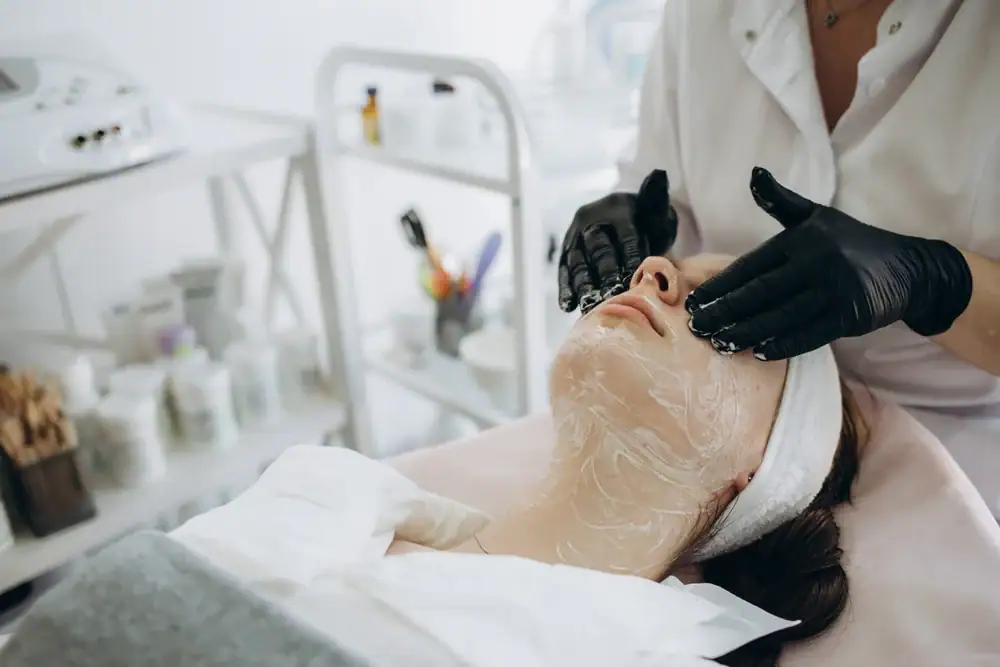
Face Peeling Treatment Process Mahwah
First, you’ll come in for a complimentary consultation. No pressure. No upselling. Just an honest conversation about what’s bothering you and whether a non surgical chemical peel is the right move. You’ll discuss your skin history, any previous treatments, and what kind of downtime you can realistically handle.
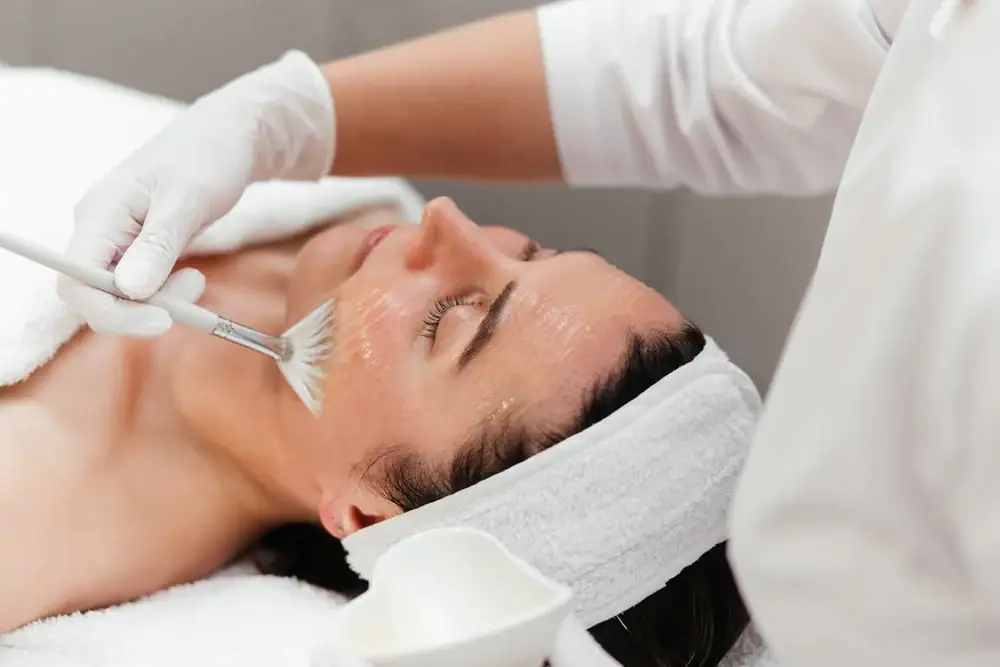
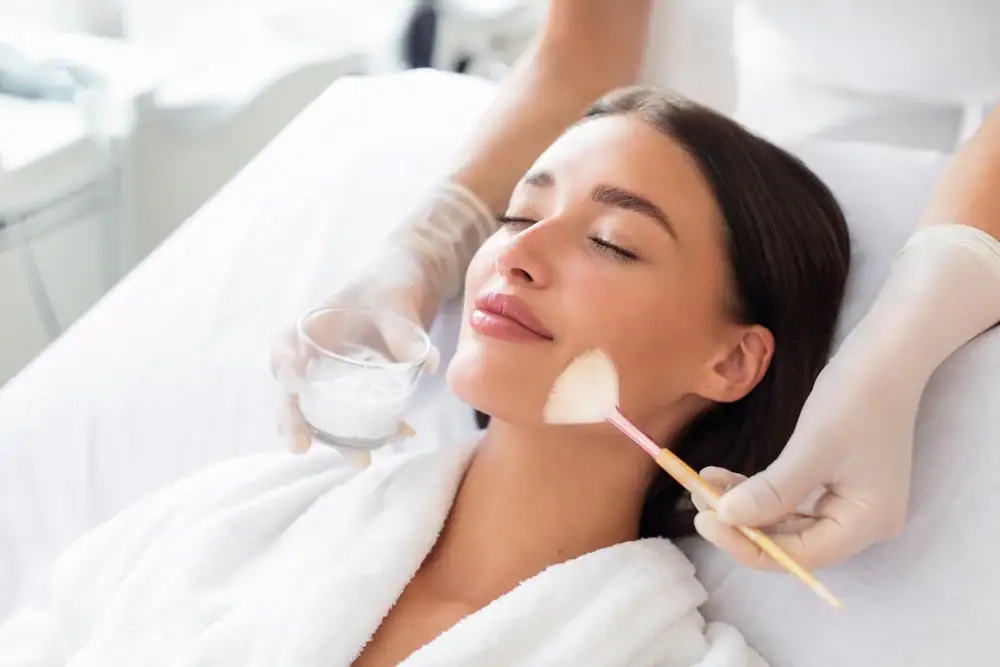
If you move forward, the actual treatment starts with cleansing your skin and prepping it for the peel solution. Depending on the depth—light, medium, or deep—the solution stays on for a specific amount of time. You might feel tingling or mild discomfort, but it’s temporary. The provider watches your skin’s response in real time and neutralizes the peel at the right moment.
Afterward, you’ll get clear instructions for the next few days. Your skin will go through a peeling phase—that’s the point. It’s not subtle, so plan accordingly. But it’s also not permanent. Within a week or two, you’ll be through the flaking stage and into the smooth-skin stage.
Two weeks post-treatment, you’ll come back for a follow-up. If something didn’t settle the way it should have, you’ll get a complimentary touch-up. That follow-up is built into the service, not an add-on you have to request. It’s how we make sure you’re actually satisfied, not just paid up.
Ready to get started?
Chemical Peel Options Mahwah, NJ
Every chemical peel at House of Ness includes a pre-treatment consultation, the peel itself, post-care instructions, and that two-week follow-up with a touch-up if needed. You’re not paying for the procedure and then getting nickel-and-dimed for aftercare.
You’ll also get guidance on medical-grade skincare to use before and after your peel. That’s not a sales pitch—it’s practical. Your skin will be more receptive to active ingredients after a peel, and using the right products makes a measurable difference in how long your results last.
In Mahwah and throughout Bergen County, people are used to high standards. They’ve seen what happens when aesthetic treatments are done poorly or without proper oversight. That’s why we operate in a lounge-like environment with minimal wait times and transparent pricing. You’ll know what you’re paying before you sit down. You’ll know who’s doing the treatment and why they’re qualified. And you’ll know exactly what to expect during recovery.
If you’re active duty military, a nurse, a first responder, or a new client, there are specialized discounts available. There’s also a loyalty program for people who come back for ongoing treatments, because realistically, skin maintenance isn’t a one-time thing. The goal is to build a long-term plan that fits your life, not just book an appointment and disappear.
How long does it take to recover from a chemical peel?
Recovery depends entirely on the depth of the peel. A light peel might leave you with some redness and flaking for three to five days—manageable with makeup if you need to be out in public. A medium peel usually means a week of visible peeling and some social downtime. A deep peel can take two weeks or more, and you’ll need to stay out of the sun and avoid most activities while your skin heals.
Most people in Mahwah opt for light to medium peels because they offer noticeable improvement without requiring them to disappear for half a month. You can go back to work within a few days, though you’ll want to avoid intense workouts, saunas, or anything that makes you sweat heavily.
Your provider will give you a realistic timeline based on the specific peel you’re getting. Don’t assume you’ll heal faster than average—you probably won’t. Plan for the full recovery window and you’ll be fine.
Will a chemical peel help with acne scars or hyperpigmentation?
Yes, but not all peels are created equal for those concerns. Acne scars—especially the indented kind—respond better to medium-depth peels that penetrate far enough to stimulate collagen remodeling. Surface-level peels can improve texture slightly, but they won’t make a dramatic difference on deeper scarring.
Hyperpigmentation, on the other hand, responds well to a series of light to medium peels. The key is consistency. One peel will lighten dark spots, but you’ll likely need multiple treatments spaced several weeks apart to see significant fading. Sun exposure between treatments will undo your progress, so you’ll need to be diligent about SPF.
During your consultation, your provider will assess your specific type of scarring or pigmentation and recommend a treatment plan. If a chemical peel isn’t the best option, we’ll tell you. Sometimes a combination approach—peels plus other treatments—gets better results than a peel alone.
How is this different from a peel I can buy online?
Strength and supervision. Over-the-counter peels are formulated to be weak enough that you can’t seriously hurt yourself. They might give you a slight glow or help with minor texture issues, but they’re not going to address deeper concerns like wrinkles, significant sun damage, or scarring.
Medical-grade peels we use contain higher concentrations of active ingredients—glycolic acid, salicylic acid, TCA, or other compounds that penetrate deeper layers of skin. That’s why they require a licensed provider to apply them. The difference in results is significant, but so is the difference in risk if it’s done incorrectly.
You’re also getting an evaluation before the peel. Your provider checks for contraindications, assesses your skin type, and adjusts the treatment protocol accordingly. That doesn’t happen with a product you order online and apply in your bathroom. If your skin reacts badly to a home peel, you’re on your own. If it reacts badly here, you’ve got a Board Certified Plastic Surgeon and a trained team managing the situation.
Can I get a chemical peel if I have sensitive skin?
Possibly, but it depends on what “sensitive” means for you. If your skin gets red easily or reacts to certain ingredients, that doesn’t automatically disqualify you. It just means your provider will choose a gentler formula and possibly do a test spot first.
If you have active eczema, rosacea, or a skin infection, you’ll need to wait until that’s under control. Chemical peels work by creating controlled inflammation, and if your skin is already inflamed, you’re asking for trouble. Same goes for recent sunburns or if you’ve been on certain medications like Accutane—you’ll need to be off it for several months before a peel is safe.
During your consultation, be honest about your skin history. If you’ve had bad reactions to facials, certain skincare products, or previous peels, say so. Your provider can adjust the treatment or recommend an alternative if a chemical peel isn’t the right fit. There’s no point in forcing a treatment that’s going to make things worse.
How much does a chemical peel cost in Mahwah?
Pricing varies based on the type and depth of the peel. Light peels generally start lower because they require less product and less recovery management. Medium and deep peels cost more because they involve stronger formulations, longer application times, and more intensive aftercare.
At House of Ness, you’ll get transparent pricing during your consultation. No surprise fees. No hidden costs for the follow-up or touch-up. What you’re quoted is what you’ll pay. If you’re a new client, military, a nurse, or a first responder, ask about discounts—they’re available, but you have to mention it.
It’s also worth noting that cheaper isn’t always better. If someone’s offering peels at a fraction of the going rate, ask why. Are they using diluted products? Is the person applying it actually licensed? Are you getting any follow-up care? A chemical peel is a medical treatment, not a spa day. You want it done right the first time, not done cheaply and then corrected later.
How often should I get a chemical peel?
That depends on your goals and the type of peel you’re getting. Light peels can be done every four to six weeks if you’re targeting ongoing concerns like dullness or mild acne. Medium peels are usually spaced three to six months apart because your skin needs more time to fully heal and regenerate. Deep peels are typically a once-every-few-years situation—they’re intense, and your skin can only handle that level of resurfacing so many times.
Most people in Mahwah who are serious about skin maintenance do a series of light peels throughout the year, with a medium peel once or twice annually for deeper correction. Your provider will map out a schedule based on how your skin responds to the first treatment.
You’ll also want to factor in sun exposure. If you’re getting a peel in the summer, you’ll need to be extremely careful about UV protection. Many people prefer to schedule peels in the fall or winter when they’re spending less time outdoors. That said, if you’re diligent about sunscreen and hats, you can get peels year-round. It just requires more discipline.