Chemical Peel in Park Ridge, NJ
Clearer Skin Without the Guesswork or Downtime Drama
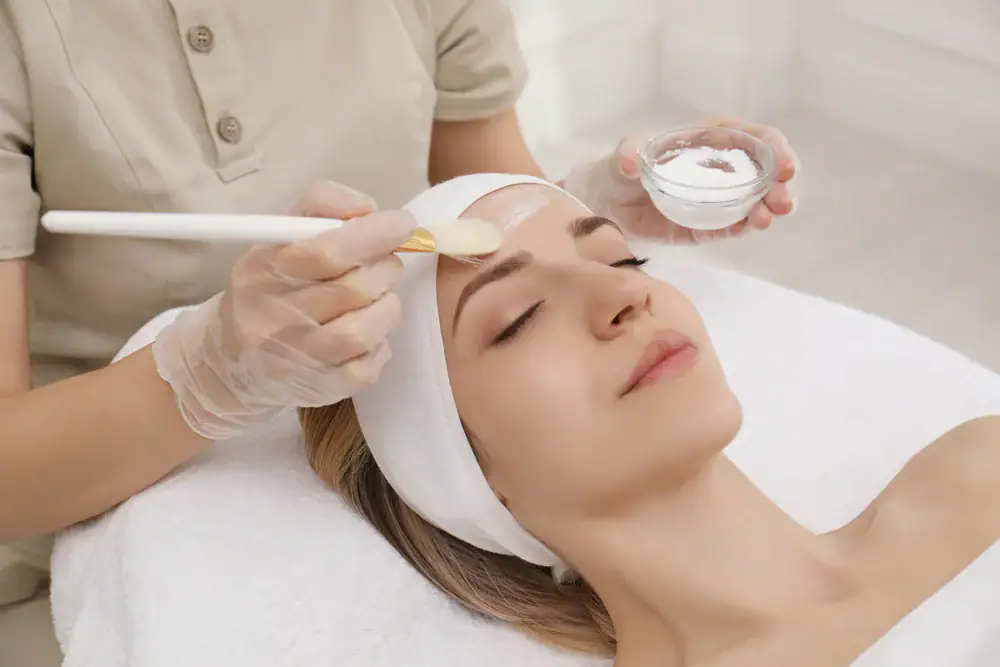
Best Chemical Peel Park Ridge, NJ
You’re not looking for surface-level results. You want the acne scars to fade, the hyperpigmentation to even out, and the fine lines to soften without looking like you’ve had work done.
A professional chemical peel in Park Ridge, NJ targets what’s frustrating you most about your skin. The treatment works by removing damaged outer layers so healthier skin can surface. That means smoother texture, more even tone, and a fresher appearance that doesn’t require a filter.
Most people see visible improvement within a week. But the real transformation happens over the following months as collagen production increases and your skin continues to renew itself. You’re investing in a process that keeps working long after the peel itself is done.
The key is matching the right peel strength and formulation to your specific skin type and concerns. That’s where medical expertise matters. You shouldn’t have to guess whether glycolic, salicylic, or a VI peel is right for your goals.
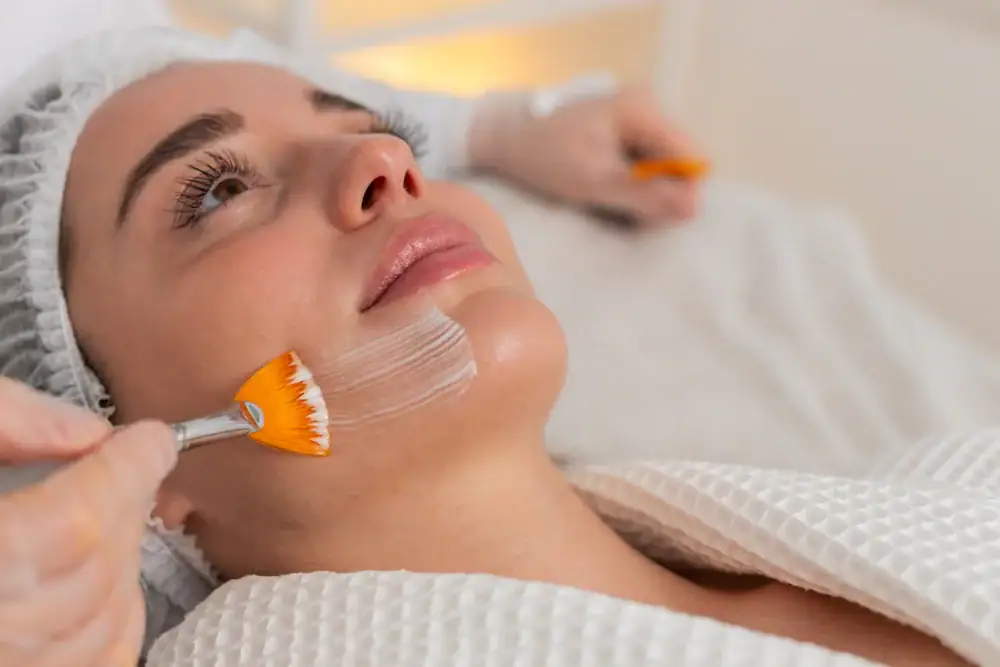
Chemical Face Peel Park Ridge, NJ
We bring medical-grade aesthetic treatments to Park Ridge with a team that includes a Board Certified Plastic Surgeon and licensed, certified injectors. This isn’t a spa offering peels as an add-on. We’re a medical practice where skin treatments are performed with clinical precision.
Park Ridge residents have access to high-end aesthetic care without the commute to Manhattan. The demographic here expects quality, and the income levels support investment in treatments that actually work. You’re not settling for entry-level options.
Every client starts with a complimentary consultation. You’ll discuss your skin history, your concerns, and what you’ve already tried. Then you’ll get a personalized recommendation based on your goals and skin type, not a one-size-fits-all approach.
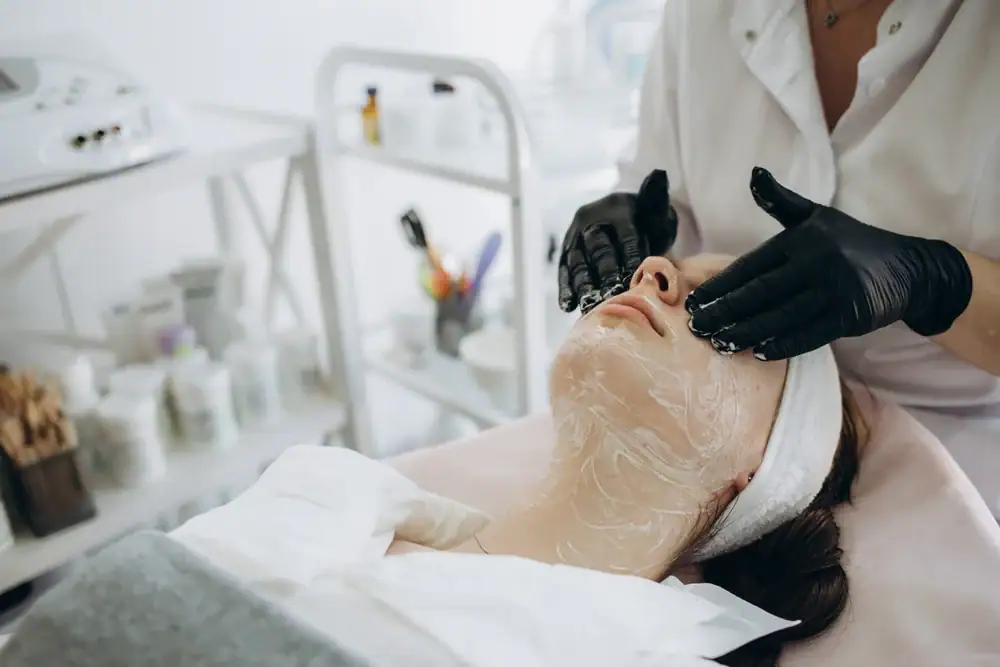
Face Peeling Treatment Park Ridge, NJ
Your appointment starts with a skin assessment. Your provider examines your skin, discusses your concerns, and confirms which chemical peel formulation will address your specific issues. If you have questions about downtime or what to expect, this is when you get real answers.
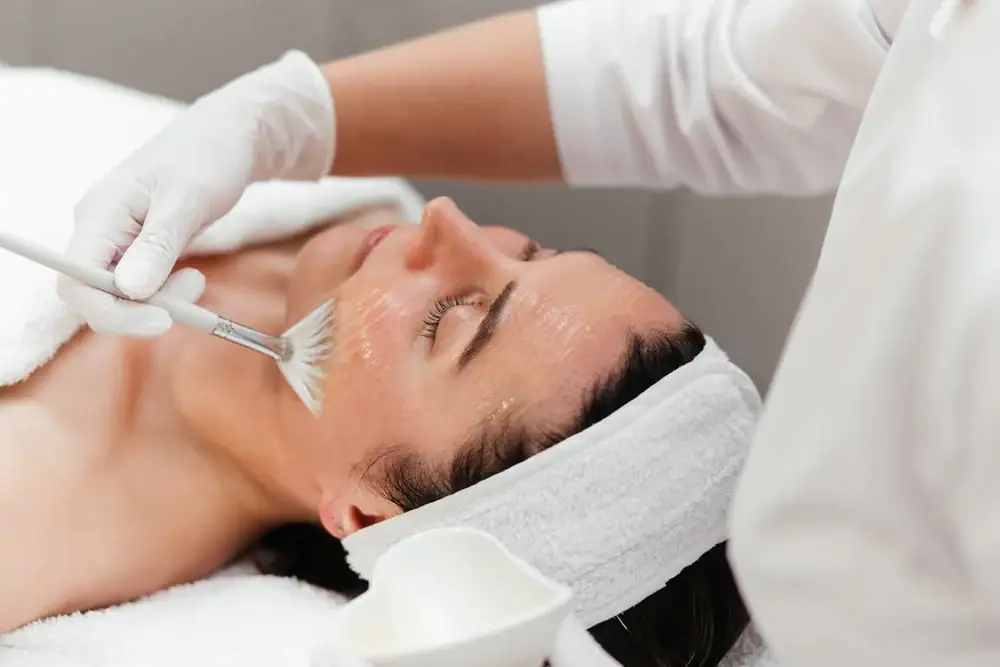
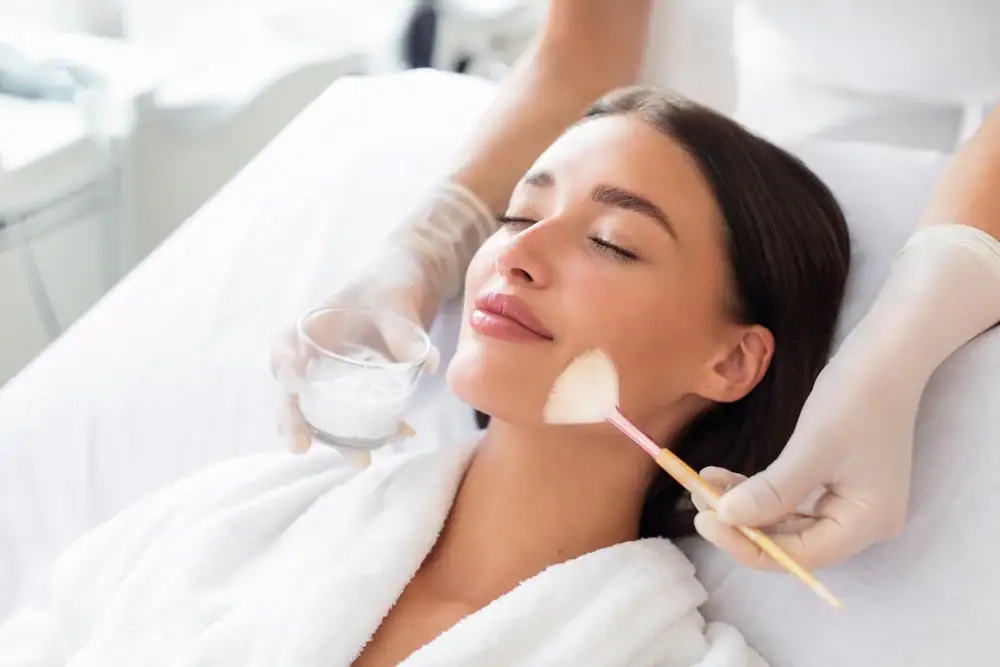
The treatment itself takes about 30 minutes. Your skin is cleansed, the chemical solution is applied in controlled layers, and you’ll feel a tingling or warming sensation. It’s not painful, but it’s not nothing either. Most people describe it as tolerable and worth it.
After the peel, your skin will look slightly red, similar to a mild sunburn. Within 2-3 days, you’ll start to see peeling or flaking. This is the damaged skin shedding. The peeling phase varies by person and peel strength, but it typically lasts 3-5 days.
You’ll receive specific aftercare instructions, including which products to use and which to avoid. Moisturizing and sun protection are non-negotiable during this phase. Your skin is more vulnerable while it’s healing, and protecting it properly determines how good your results look.
Two weeks after your treatment, you’ll come back for a follow-up. Your provider checks your progress, addresses any concerns, and performs a touch-up if needed. This follow-up is included, not an upsell.
Ready to get started?
Chemical Skin Peel Park Ridge, NJ
You get a complimentary consultation before any treatment is scheduled. This isn’t a high-pressure sales pitch. It’s a conversation about whether a chemical peel makes sense for your skin and your goals.
The treatment includes medical-grade VI Chemical Peels, which are professional-strength formulations designed to address wrinkles, acne scarring, and unwanted pigmentation. These aren’t the peels you can buy online or get at a standard spa. They’re stronger, more effective, and require trained professionals to administer safely.
Your two-week follow-up appointment is built into the service. If your provider determines you need a touch-up to optimize results, that’s covered. You’re not paying extra for the level of care you should expect from a medical practice.
We’re a Platinum Allergan partner, which means the products we use meet the highest authenticity and quality standards. You’re also eligible for the Allē rewards program, which reduces costs on future treatments. If you’re military, a nurse, or a first responder, specialized discounts apply.
Park Ridge has a median household income of over $165,000, and residents here understand the value of investing in quality care. You’re not looking for the cheapest option. You’re looking for the safest, most effective treatment performed by people who know what they’re doing. That’s what you get here.
How much does a chemical peel cost in Park Ridge, NJ?
Chemical peel pricing varies based on the type of peel and the number of treatments recommended for your goals. Nationally, costs range from around $200 to over $5,000 depending on peel strength and provider expertise. At House of Ness, you’ll get transparent pricing during your complimentary consultation.
The investment reflects the medical-grade formulations, the expertise of our Board Certified Plastic Surgeon-led team, and the included follow-up care. You’re not just paying for the 30-minute treatment. You’re paying for the assessment, the customized approach, the two-week follow-up, and the touch-up if needed.
If you’re enrolled in the Allē rewards program, you can earn points that reduce the cost of future treatments. New clients, military members, nurses, and first responders also qualify for specialized discounts. The goal is to make professional-grade skincare accessible without compromising on quality or safety.
What's the difference between a glycolic peel and a VI peel?
Glycolic peels use alpha hydroxy acid derived from sugar cane. They’re effective for surface-level concerns like dullness, mild discoloration, and fine lines. Glycolic chemical peels in Park Ridge, NJ are often recommended for clients with less severe skin issues or those new to chemical peels.
VI peels are a proprietary blend that includes trichloroacetic acid, salicylic acid, retinoic acid, phenol, and vitamin C. They penetrate deeper and address more significant concerns like acne scarring, melasma, and moderate wrinkles. The downtime is slightly longer, but the results are more dramatic.
Your provider will recommend the best option based on your skin type, your concerns, and your tolerance for downtime. If you have an event coming up or limited time for recovery, that factors into the decision. The consultation ensures you’re getting the right peel for your situation, not just the most expensive one.
How long does peeling last after a chemical peel treatment?
Peeling typically starts 2-3 days after your treatment and lasts anywhere from 3-5 days, though this varies by individual and peel strength. Some people experience light flaking that’s barely noticeable. Others have more visible peeling that requires strategic planning around social or professional commitments.
The peeling phase is when the damaged skin is shedding to reveal the healthier skin underneath. You can’t speed it up, and you shouldn’t try to pull or pick at the peeling skin. That increases the risk of scarring or uneven results. Let it happen naturally and keep your skin moisturized.
If you’re concerned about downtime, discuss this during your consultation. Your provider can adjust the peel strength or recommend scheduling your treatment before a long weekend. The goal is results that fit into your life, not results that disrupt it unnecessarily.
Are chemical peels safe for all skin types and tones?
Chemical peels can be safe for all skin types and tones when performed by trained professionals who understand how different skin responds to treatment. However, darker skin tones have a higher risk of post-inflammatory hyperpigmentation if the peel is too aggressive or aftercare isn’t followed correctly.
This is why the consultation matters. Your provider assesses your skin type, your history with other treatments, and any conditions like melasma or active acne. They’ll recommend a peel formulation and strength that minimizes risk while still delivering results.
Our team includes a Board Certified Plastic Surgeon and certified injectors with training in treating diverse skin types. You’re not getting a generic protocol. You’re getting a customized approach that accounts for your specific skin characteristics and concerns. If a chemical peel isn’t the safest option for you, we’ll tell you and suggest alternatives.
How many chemical peel treatments will I need to see results?
Most people see visible improvement after one treatment, but optimal results typically require a series of 3-5 peels spaced 4-6 weeks apart. The exact number depends on what you’re treating and how your skin responds.
If you’re addressing mild sun damage or dullness, you might be satisfied after 2-3 treatments. If you’re working on deeper acne scars or significant hyperpigmentation, you’ll likely need the full series plus maintenance treatments every few months.
Your provider will create a treatment plan during your consultation. This isn’t about upselling you on more appointments. It’s about setting realistic expectations so you know what’s required to achieve your goals. Some concerns simply can’t be resolved in one session, and it’s better to know that upfront than to be disappointed later.
What should I avoid after getting a chemical peel in Park Ridge, NJ?
Avoid direct sun exposure for at least two weeks after your chemical peel treatment. Your skin is more vulnerable to UV damage during the healing process, and sun exposure can cause hyperpigmentation or uneven results. Wear a broad-spectrum SPF 30 or higher every day, even if you’re just running errands.
Don’t use retinoids, exfoliating acids, or harsh cleansers until your provider clears you. These products can irritate your healing skin and interfere with results. Stick to gentle, hydrating products and follow the specific aftercare instructions you receive.
Avoid picking or peeling the flaking skin. Let it shed naturally. Pulling at it can cause scarring or uneven texture. Keep your skin moisturized, stay hydrated, and resist the urge to speed up the process. The results are worth the patience.