Chemical Peel in Staten Island, NY
Smoother Skin Without Looking Overdone
Best Chemical Peel Staten Island
Your skin texture evens out. Those stubborn dark spots from years of sun exposure start fading. The fine lines around your eyes and mouth soften enough that you look rested instead of tired.
A chemical skin peel works by removing damaged outer layers so healthier skin can surface. That means the dullness goes away, pore size reduces, and your complexion looks clearer without foundation doing all the heavy lifting.
The best part? People notice you look good—they just can’t pinpoint what changed. No obvious “work done” look. No downtime that disrupts your entire week. Just skin that finally matches how you feel inside.
Medical Grade Chemical Peel Staten Island
We operate under the direction of a board-certified plastic surgeon. That means every chemical peel we perform in Staten Island follows medical protocols, not spa trends.
Our injectors are licensed, certified, and trained in facial anatomy. They’ve seen enough skin types and concerns to know what works and what doesn’t. You’re not getting a one-size-fits-all treatment from someone who took a weekend course.
Staten Island residents deal with specific environmental factors—humidity, seasonal changes, urban pollution. We account for that when customizing your peel strength and aftercare, because what works in Arizona doesn’t always work here.
Face Peeling Treatment Process
You start with a complimentary consultation. We examine your skin, discuss what’s bothering you, and determine which peel strength makes sense. Light peels like the SkinMedica Illuminize have zero downtime. Deeper options like the Rejuvenize peel treat stubborn melasma and scarring but require more recovery.
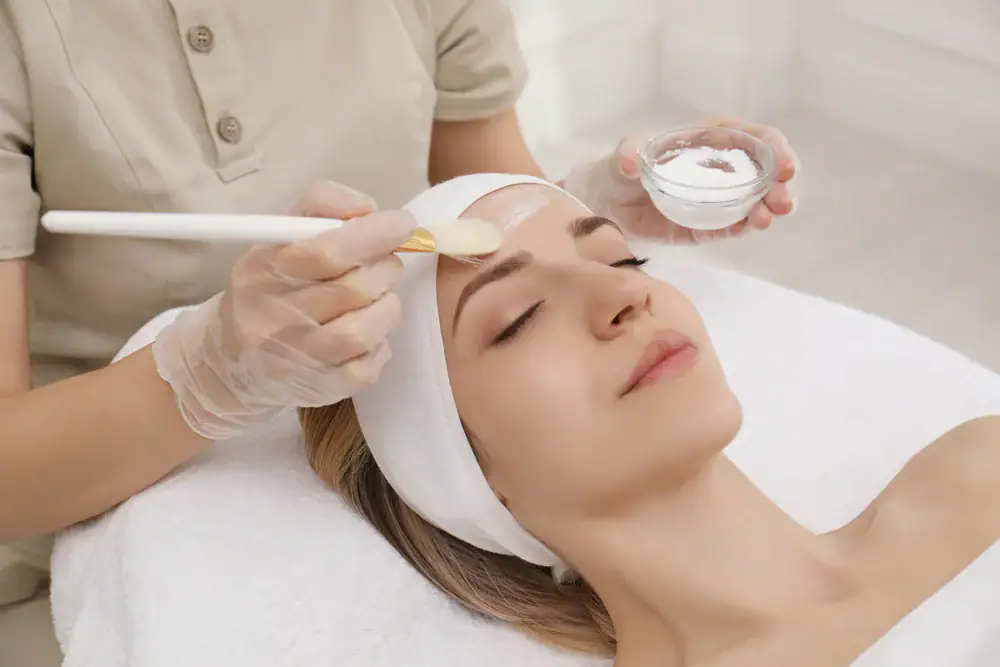
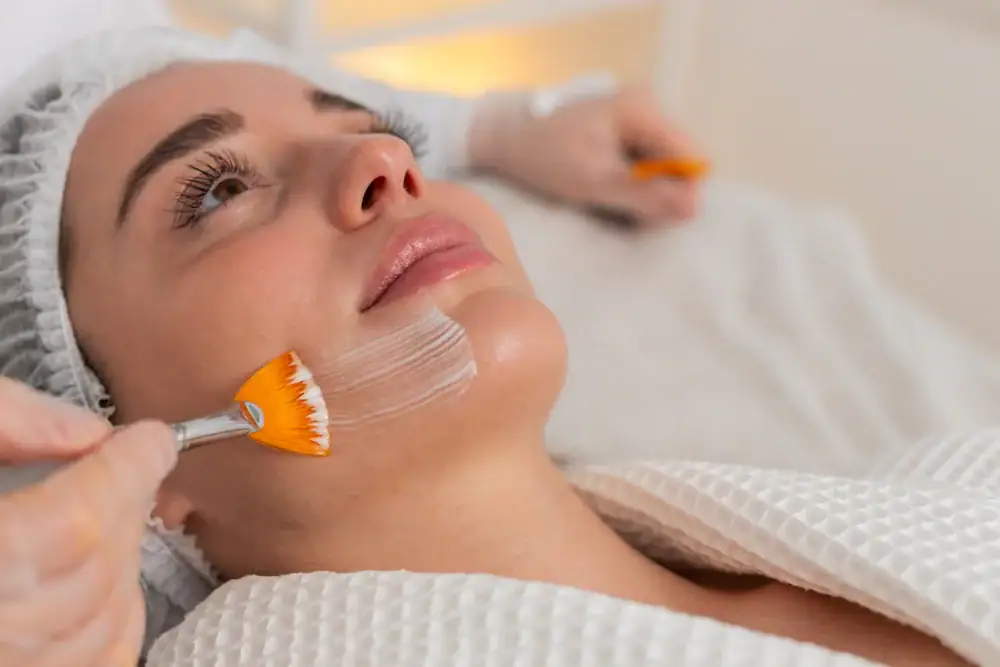
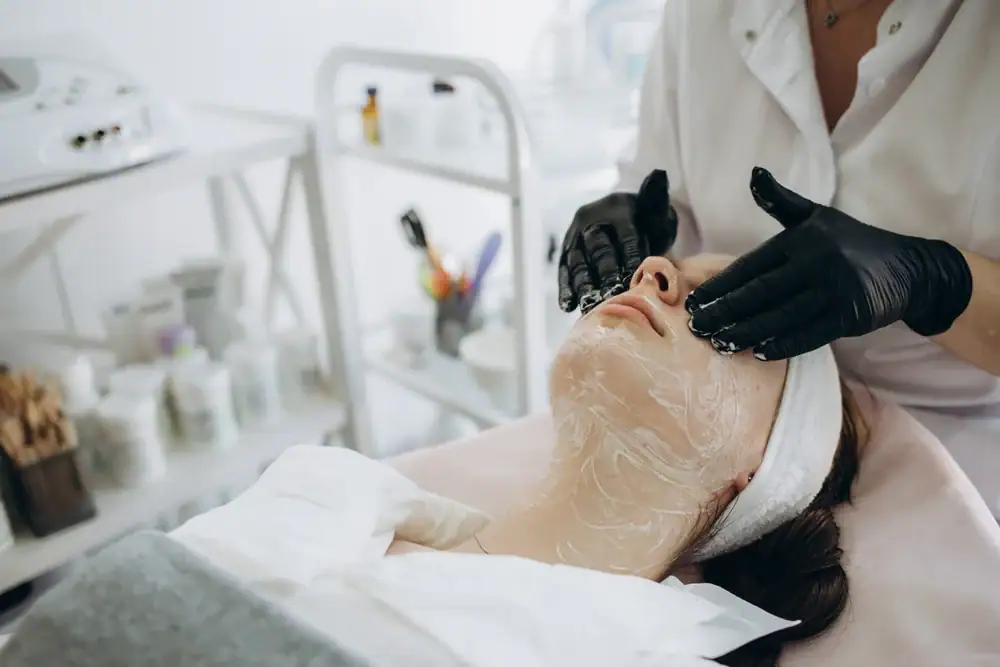
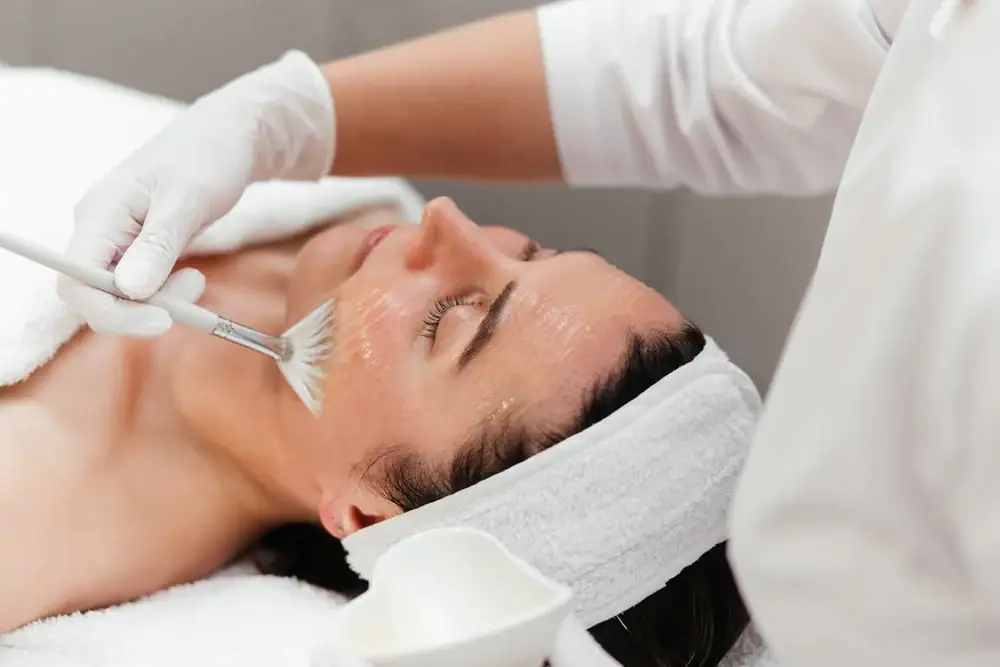
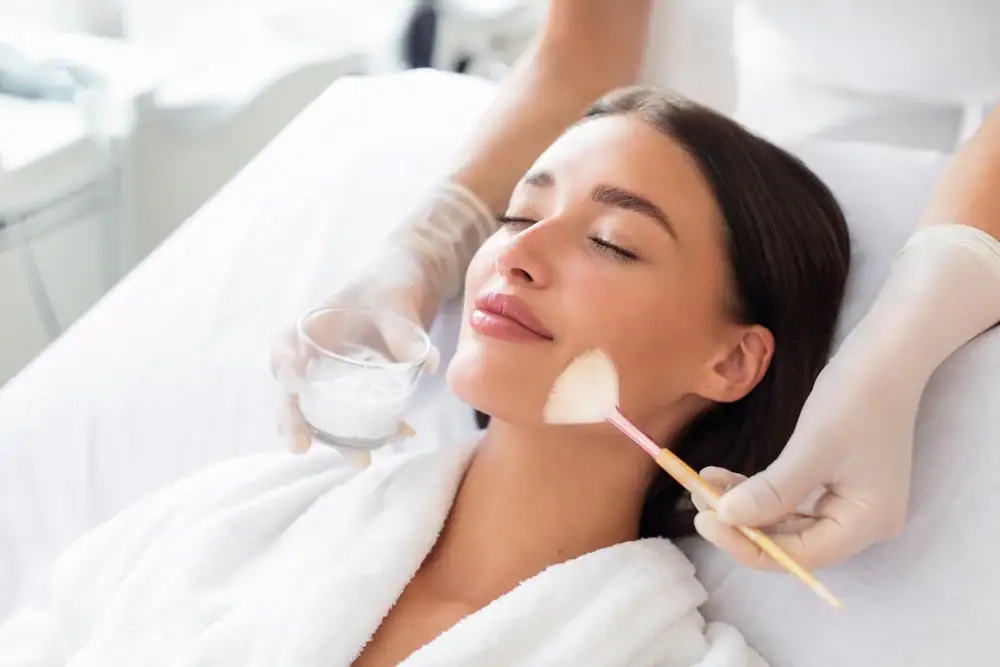
The actual treatment takes under an hour. Your skin gets prepped, the peel solution is applied in controlled layers, then neutralized. You might feel tingling or warmth—that’s normal. No pain, no needles, no anesthesia.
Afterward, your skin will look slightly red, similar to a sunburn. Depending on peel depth, you’ll experience flaking or peeling over the next few days to a week. That’s the damaged layer shedding. Underneath is smoother, more even-toned skin.
We schedule a two-week follow-up to assess results and make any adjustments. You’ll also get specific aftercare instructions, including sun protection—because your new skin is more sensitive to UV damage for about six months.
Ready to get started?
Glycolic Chemical Peel Options
Every face peeling treatment at House of Ness includes a complimentary consultation, the peel itself, post-treatment skincare instructions, and a two-week follow-up with touch-up if needed. No hidden fees or surprise add-ons.
We use medical-grade peels from trusted manufacturers—PCA Skin, SkinMedica, and other FDA-approved formulations. As a platinum-level Allergan partner, we source products directly from manufacturers, so you’re never getting diluted or counterfeit solutions.
Staten Island’s climate means your skin faces different challenges than someone living in a dry desert climate. Higher humidity can affect healing time. Seasonal shifts impact how your skin responds. We factor in these local conditions when recommending peel strength and timing, especially if you have outdoor plans or events coming up.
You’ll also get guidance on pairing your glycolic chemical peel with medical-grade skincare to extend results. Because a peel jumpstarts improvement, but what you do at home determines how long it lasts.
How much does a chemical peel cost in Staten Island?
Most chemical peels range from $150 to $600 per treatment, depending on the peel depth and the specific concerns being addressed. Light peels that target surface-level dullness and texture sit on the lower end. Medium to deep peels that treat sun damage, melasma, or acne scarring cost more because they require stronger formulations and more expertise to apply safely.
At House of Ness, pricing is transparent during your consultation. We don’t upsell treatments you don’t need, and we offer discounts for military personnel, nurses, and first responders. You’ll know exactly what you’re paying before any treatment starts.
The national average for a chemical peel is around $519, but that number doesn’t account for provider qualifications or product quality. Cheaper options often mean less experienced staff or diluted solutions. You’re paying for board-certified oversight, FDA-approved products, and follow-up care that ensures you actually get results.
Will a chemical peel help with acne scars and hyperpigmentation?
Yes, but the depth of your scarring determines which peel works best. Surface-level discoloration from old breakouts responds well to light peels with glycolic or salicylic acid. These peels promote cell turnover and fade dark spots over a series of treatments.
Deeper acne scars—the kind that create texture and indentation—need a stronger peel or a combination approach. Medium-depth peels penetrate further to stimulate collagen production, which helps smooth out uneven skin. In some cases, pairing a chemical peel with other treatments like microneedling gives better results than either option alone.
Hyperpigmentation from sun exposure or melasma also improves with the right peel. PCA Skin peels, for example, are safe for all skin types, including darker tones that are more prone to post-inflammatory pigmentation. The key is working with someone who understands how different skin tones react to chemical exfoliation, because improper application can make pigmentation worse instead of better.
How long is the recovery time after a chemical peel?
Recovery depends entirely on peel strength. Light peels have zero downtime—you might experience slight redness for a few hours, but you can return to normal activities immediately. Your skin may feel tight or look a bit pink, similar to a mild sunburn, but nothing that requires you to stay home.
Medium peels cause more visible peeling over three to five days. Your skin will flake and shed, which can be managed with moisturizer and gentle cleansing. Most people schedule these peels before a long weekend so the worst of the peeling happens when they’re not at work or social events.
Deep peels, like the Rejuvenize peel, require seven to ten days of recovery. Expect significant redness, peeling, and sensitivity. You’ll need to avoid sun exposure, skip makeup for the first few days, and follow a strict skincare routine. But the tradeoff is dramatic improvement in sun damage, deep wrinkles, and scarring that lighter peels can’t touch. We walk you through exactly what to expect based on the peel we recommend during your consultation.
Is a chemical peel safe for sensitive skin?
Yes, when the peel is customized to your skin type. PCA Skin peels, which we use at House of Ness, are formulated for all Fitzpatrick skin types, including sensitive skin that reacts to most products. The key is adjusting the peel strength and monitoring your skin’s response during application.
Sensitive skin doesn’t mean you can’t benefit from a chemical peel—it just means you need a provider who knows how to modify the treatment. We start conservatively, often with a lighter peel, to see how your skin tolerates the acids. If you do well, we can gradually increase strength in future sessions.
Certain ingredients work better for sensitive skin than others. Lactic acid, for example, is gentler than glycolic acid but still effective at exfoliating and brightening. Salicylic acid is ideal if you have sensitive, acne-prone skin because it penetrates pores without causing the irritation that harsher treatments might. During your consultation, we’ll review your skin history, any allergies, and past reactions to skincare products to determine the safest approach.
How many chemical peel treatments will I need to see results?
One treatment produces visible improvement, but most people need a series to achieve their full goals. Light peels typically require four to six sessions spaced three to four weeks apart. Each treatment builds on the last, gradually improving texture, tone, and clarity.
Medium peels deliver more dramatic results per session, so you might only need two to three treatments spaced several months apart. Deep peels are often a one-time treatment because they penetrate so aggressively that your skin needs months to fully heal and regenerate.
Your specific concerns also dictate frequency. If you’re targeting mild sun damage and dullness, a few light peels might be enough. If you’re dealing with deep acne scars or significant hyperpigmentation, you’ll need a more aggressive approach over a longer timeline. We map out a realistic treatment plan during your consultation so you know what to expect—not just in terms of results, but also time and cost commitment.
What's the difference between a chemical peel at a med spa versus a dermatologist's office?
The main difference is time, environment, and follow-up care. Dermatologists often run on tight schedules with back-to-back patients, which means less time for consultation and personalized attention. Medical spas like House of Ness operate with longer appointment windows, so you’re not rushed through the process.
That said, not all med spas are created equal. Some operate without true medical oversight, relying on undertrained staff and lower-grade products. House of Ness is led by a board-certified plastic surgeon, so you’re getting the same level of medical expertise you’d find in a dermatology office, but in a more relaxed, lounge-like setting.
We also prioritize follow-up care. Your two-week check-in isn’t just a formality—it’s a chance to assess healing, address any concerns, and make adjustments if needed. If your results aren’t where they should be, we’ll do a touch-up at no extra cost. That level of accountability is harder to find in high-volume practices where you’re just another appointment on the schedule.