Chemical Peel in Upper Saddle River, NJ
Clear Skin Without the Guesswork or Downtime
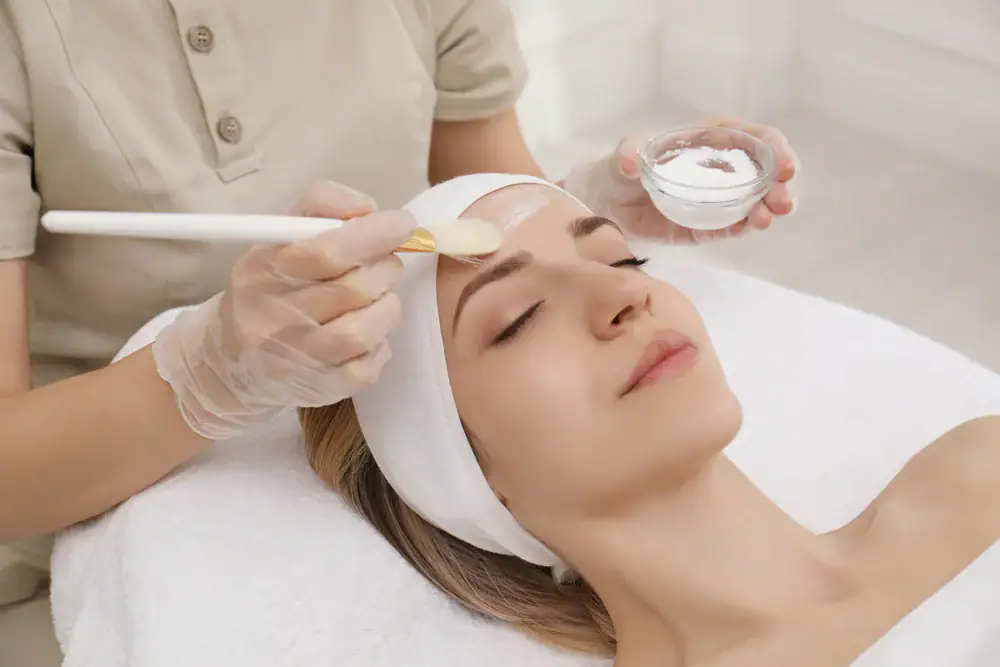
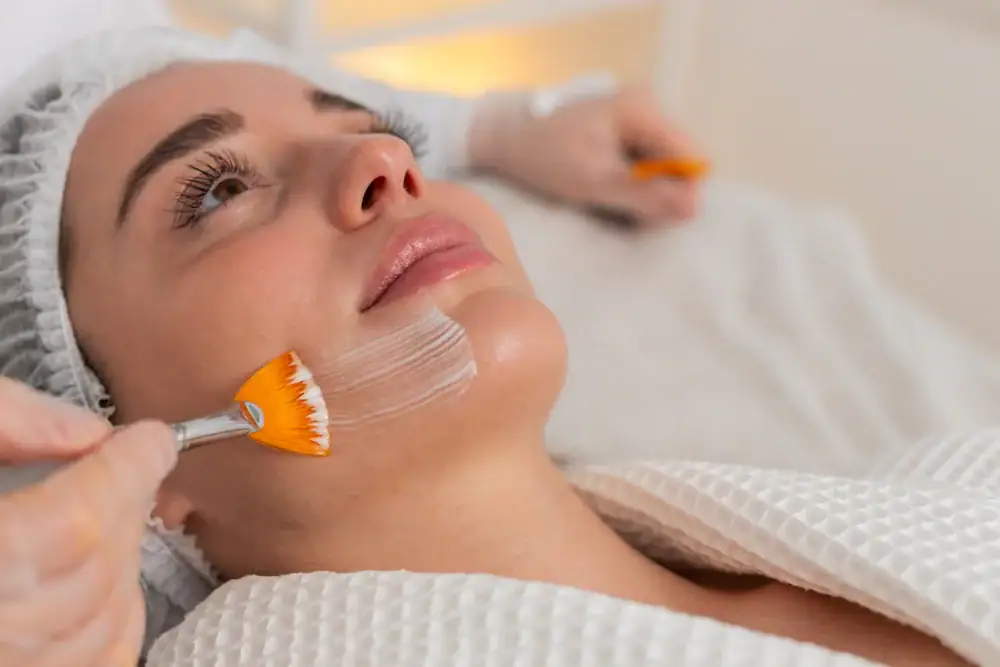
Chemical Face Peel Upper Saddle River, NJ
Your skin stops looking dull or uneven. The rough patches smooth out. Those stubborn brown spots from years of sun exposure start fading instead of sticking around no matter what cream you try.
A chemical peel in Upper Saddle River, NJ done right doesn’t just resurface your skin—it triggers your body’s own repair process. Dead cells that clog pores and make your complexion look tired get cleared away. Fresh skin comes up. Collagen production kicks in.
You’re not covering up problems anymore. You’re addressing what’s underneath—acne scars that won’t budge, melasma that darkens every summer, fine lines that make you look more exhausted than you feel. The best chemical peel treatments work because they’re matched to your skin type, your concerns, and how much downtime you actually have.
This isn’t about erasing who you are. It’s about looking like the version of yourself that gets enough sleep, drinks enough water, and doesn’t have to think twice before a meeting or a photo.
Best Chemical Peel Upper Saddle River, NJ
We’re led by a Board Certified Plastic Surgeon, and every chemical skin peel in Upper Saddle River, NJ is performed by certified, licensed injectors who know the difference between surface-level results and real skin transformation. You’re not walking into a spa where someone took a weekend course.
Upper Saddle River has one of the highest median household incomes in New Jersey, and the professionals who live here expect a certain standard. You’re used to quality. You notice when something’s done right—and when it’s not.
We’ve built our reputation on transparency, follow-through, and medical-grade care. Every client gets a complimentary consultation, a customized treatment plan, and a two-week follow-up with touch-ups if needed. You’re not paying for a one-and-done appointment. You’re getting a process that’s designed to work.
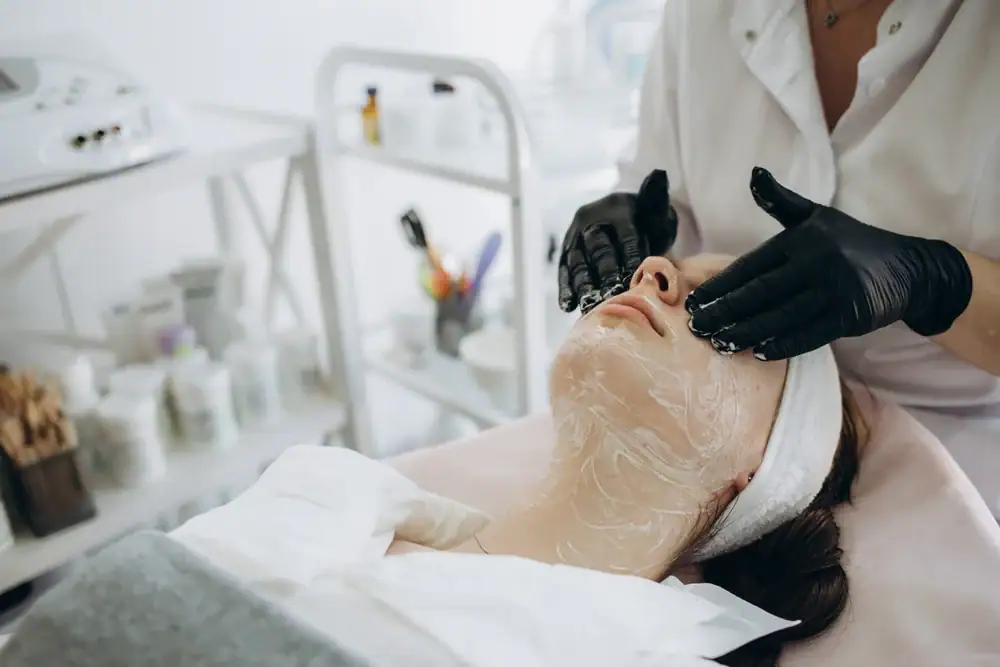
Face Peeling Treatment Upper Saddle River, NJ
You start with a complimentary consultation where we assess your skin type, talk through your concerns, and figure out which face peeling treatment in Upper Saddle River, NJ makes sense for you. Not every peel works for every person, and we’re not interested in selling you something that won’t deliver.
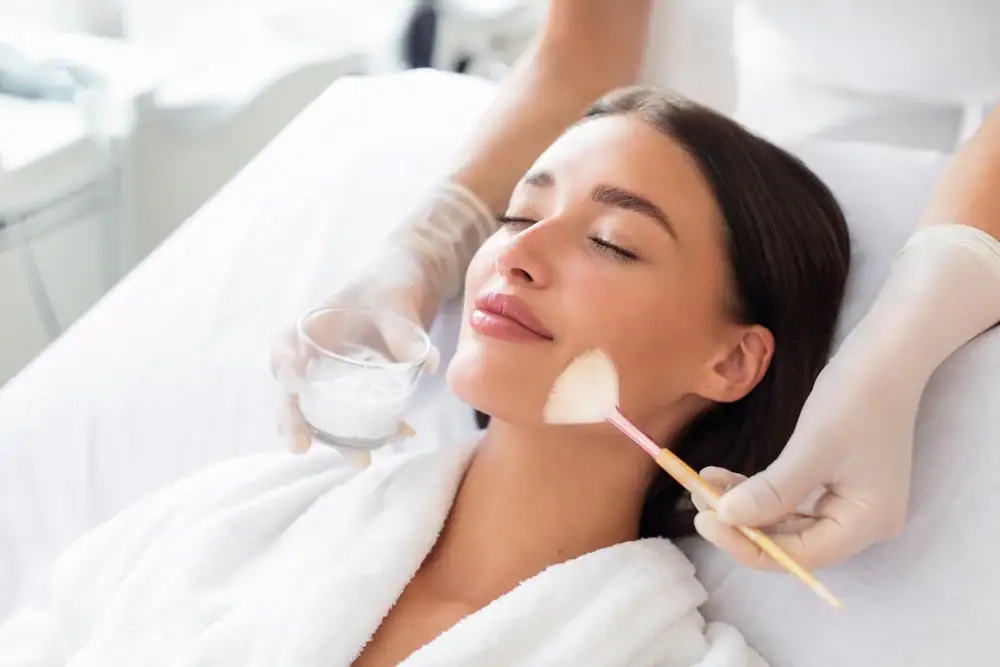
During the treatment, a chemical solution is applied to your skin. It exfoliates the outer layers, removing dead cells and triggering regeneration underneath. Depending on the peel depth—light, medium, or deep—you’ll see different levels of improvement and different recovery timelines.
Light peels, sometimes called lunchtime peels, use alpha-hydroxy acids or fruit enzymes. You might have slight redness for a few hours, but you can go back to work the same day. Medium peels go deeper, targeting pigmentation and moderate wrinkles. You’ll peel for a few days, but the results are more dramatic.
After your treatment, we schedule a two-week follow-up to check your progress and provide a touch-up if needed. We also recommend medical-grade skincare to protect and extend your results. You’re not left guessing what to do next.
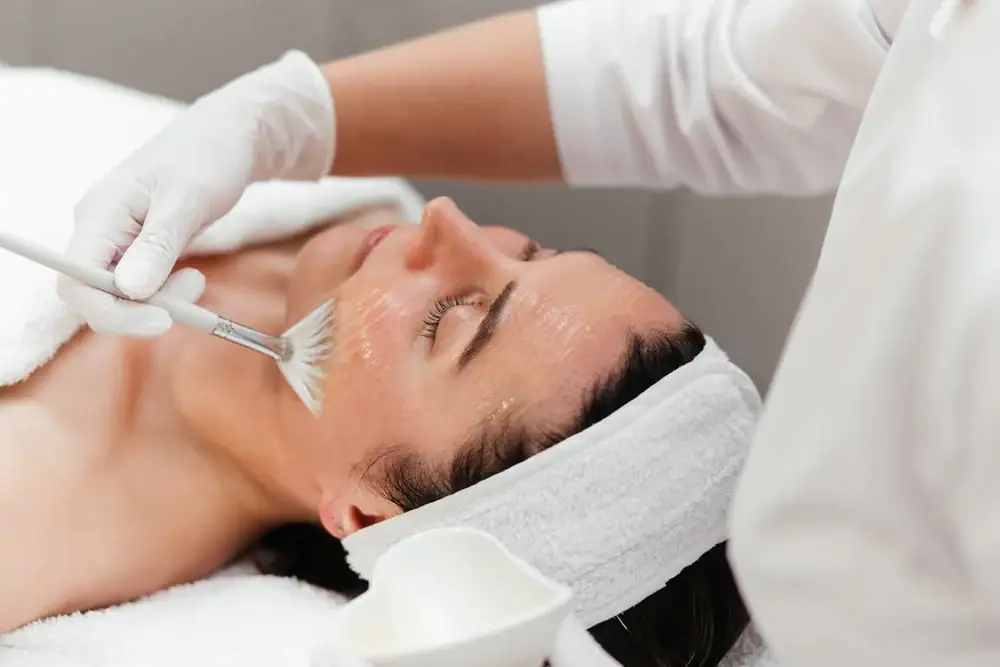
Ready to get started?
Glycolic Chemical Peel Upper Saddle River, NJ
A glycolic chemical peel in Upper Saddle River, NJ uses alpha-hydroxy acid derived from sugar cane to exfoliate and renew your skin. It’s one of the most effective options for treating fine lines, acne, hyperpigmentation, and rough texture without significant downtime.
Upper Saddle River residents are busy. You’re running businesses, managing teams, keeping up with demanding schedules. You don’t have time for a treatment that sidelines you for a week. That’s why we offer multiple peel options—from light peels that require zero downtime to deeper treatments that deliver more aggressive correction when you have the time to heal.
We’re a platinum-level Allergan partner, which means we use authentic, medical-grade products and stay current on the latest techniques. You’re not getting diluted formulas or outdated methods. You’re getting what actually works, applied by people who’ve done this hundreds of times.
Your treatment includes the consultation, the peel itself, post-care instructions, medical-grade skincare recommendations, and that two-week follow-up. We’re also part of the Allē rewards program, so you earn points on every treatment. And if you’re military, a nurse, or a first responder, we offer specialized discounts.
How long does it take to see results from a chemical peel?
You’ll notice some improvement within a few days as your skin starts peeling and fresh skin emerges. But the full results—smoother texture, reduced pigmentation, fewer fine lines—develop over the next two to four weeks as your skin continues regenerating.
Light peels show subtle changes quickly, but you might need a series of treatments spaced a few weeks apart to get the outcome you want. Medium peels deliver more dramatic results in one session, but the peeling process takes longer—usually five to seven days.
Your skin doesn’t stop improving after the peeling stops. Collagen production continues for weeks after the treatment, which means your skin keeps getting firmer and smoother over time. That’s why we do a two-week follow-up—to assess your progress and make sure you’re on track.
Will a chemical peel help with acne scars and hyperpigmentation?
Yes, but the depth of the peel matters. Light peels can improve surface-level discoloration and mild texture issues, but deeper scars and stubborn pigmentation usually require a medium-depth peel or a series of treatments.
Chemical peels work by removing damaged outer layers and stimulating your skin’s natural healing response. That process helps fade post-inflammatory hyperpigmentation from old breakouts and smooths out shallow acne scars. For deeper pitted scars, you might need to combine peels with other treatments like microneedling or laser therapy.
During your consultation, we’ll look at your specific scarring and pigmentation and recommend the most effective approach. Some clients see significant improvement after one peel. Others need a few sessions spaced a month apart. We’re not going to oversell you—we’ll tell you what’s realistic based on your skin.
How much downtime should I expect after a chemical peel?
It depends on the peel depth. A light glycolic or fruit peel might leave you slightly pink for a few hours, but you can go back to your day immediately. There’s no visible peeling—just fresher-looking skin within a day or two.
A medium-depth peel is a different story. Your skin will start flaking within two to three days, and the peeling usually lasts five to seven days. You’ll want to plan around that if you have important meetings or events. Most Upper Saddle River clients schedule medium peels on a Thursday or Friday so they can recover over the weekend and work from home early in the week if needed.
Deep peels require the most downtime—up to two weeks—but they’re reserved for significant sun damage or deep wrinkles. We’ll walk you through exactly what to expect based on the peel we recommend, so you can plan accordingly and not get caught off guard.
Are chemical peels safe for all skin types?
Not all peels are safe for all skin types, which is why the consultation matters. Darker skin tones have a higher risk of post-inflammatory hyperpigmentation if the wrong peel or concentration is used. That doesn’t mean you can’t get a peel—it means you need someone who knows how to adjust the treatment.
We assess your skin type, your concerns, and your history before recommending a specific peel. For clients with darker skin, we often start with a lighter peel or a gentler acid like mandelic acid, which has a larger molecular size and penetrates more slowly. That reduces the risk of irritation and pigmentation issues.
If you’ve had bad reactions to peels in the past, or if you’re prone to keloid scarring, we’ll talk through those risks upfront. Our goal is results without complications, and that means being honest about what’s appropriate for your skin.
How often can I get a chemical peel?
Light peels can be done every three to four weeks if you’re treating active acne or maintaining results. Medium peels are typically spaced two to three months apart to give your skin enough time to fully heal and regenerate.
You don’t want to over-peel. Your skin needs time to rebuild collagen and restore its barrier function. Doing peels too frequently can lead to thinning, sensitivity, and increased risk of pigmentation problems.
Most clients start with a series of light peels—usually three to six treatments—to build up results gradually. Once you’re happy with your skin, you can switch to maintenance peels every few months. We’ll map out a schedule during your consultation based on your goals and your skin’s response to treatment.
What should I avoid before and after a chemical peel?
Before your peel, stop using retinoids, exfoliating acids, and any harsh active ingredients for at least three to five days. You want your skin barrier intact, not already irritated. If you’re on prescription retinoids like tretinoin, we’ll give you specific instructions on when to pause.
After your peel, avoid sun exposure. Your new skin is vulnerable to UV damage, and going out without sunscreen can cause hyperpigmentation that’s worse than what you started with. We recommend a broad-spectrum SPF 30 or higher every single day, even if you’re just driving to the office.
Don’t pick at peeling skin. Let it come off naturally. Pulling it off early can cause scarring and uneven texture. Keep your skin moisturized with gentle, non-irritating products—we’ll recommend specific medical-grade options that won’t interfere with your healing. And skip the gym for a few days if you’ve had a medium or deep peel. Sweating can irritate freshly treated skin and increase your risk of infection.
Other Services we provide in Upper Saddle River