Chemical Peel in Wallington, NJ
Clearer Skin Without the Guesswork or Risk
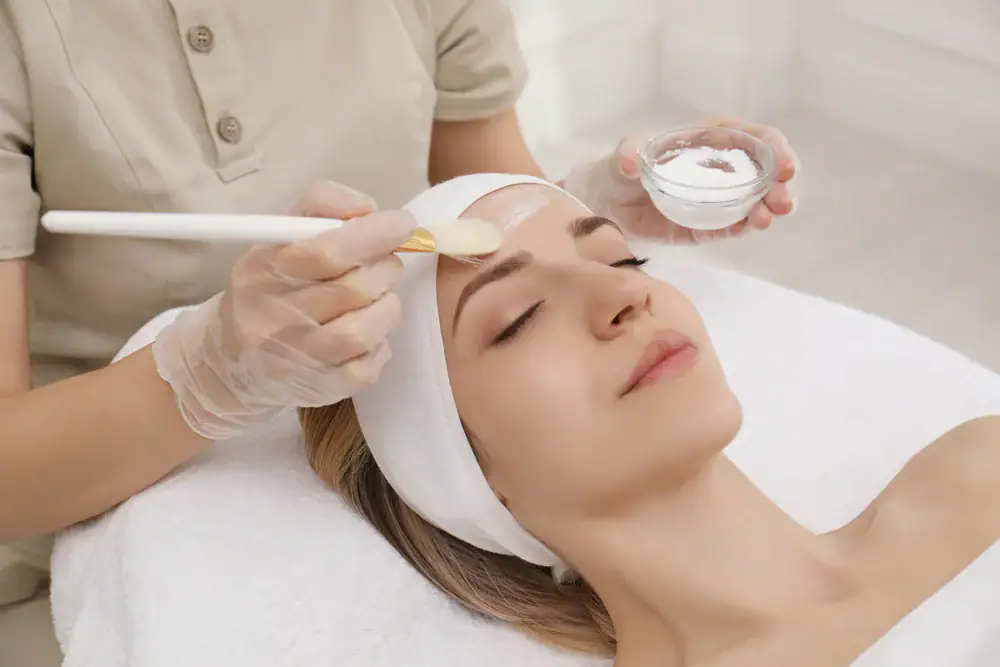
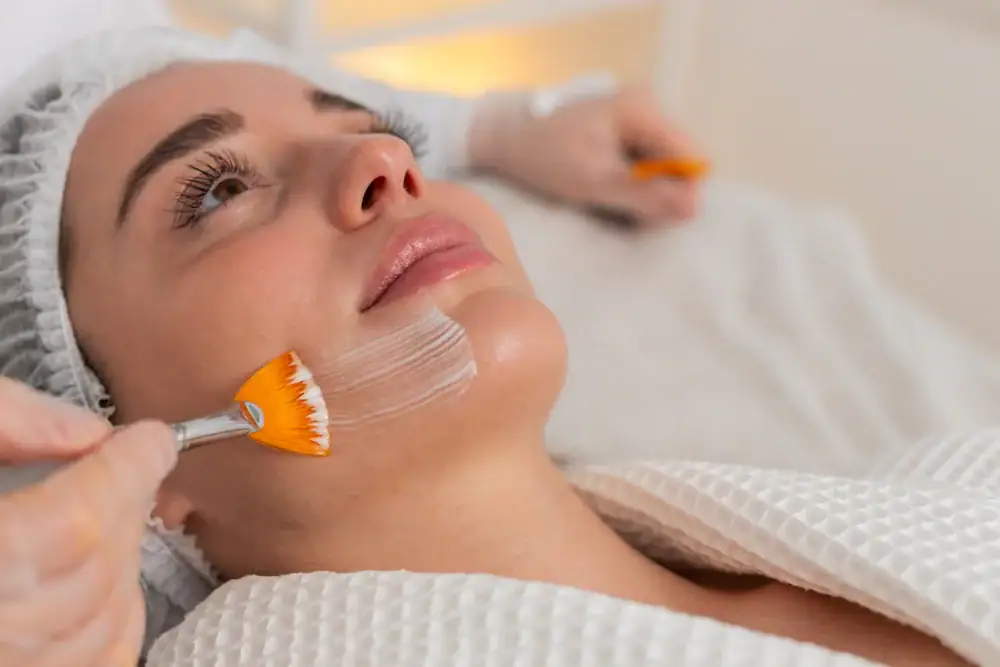
Best Chemical Peel Wallington, NJ
Your skin texture smooths out. Those dark spots from old breakouts or sun damage start fading. Fine lines around your eyes and mouth look softer, and your face feels fresher when you wash it in the morning.
That’s what a properly administered chemical face peel in Wallington, NJ does. It removes the damaged outer layer so healthier skin can surface. You’re not covering up the problem—you’re addressing what’s underneath.
Most people see visible improvement within a week. Depending on the peel strength and your skin type, you might need a series of treatments spaced a few weeks apart. But the results build on each other, and with the right aftercare, they last.
The difference between a good outcome and a disappointing one comes down to who’s doing the work. If the provider doesn’t understand your skin type, doesn’t assess your medical history, or rushes through without explaining what to expect, you’re taking on unnecessary risk. That’s where experience and oversight matter.
Face Peeling Treatment Wallington, NJ
House of Ness is led by a board-certified plastic surgeon and staffed by licensed, certified injectors who’ve built their careers around facial aesthetics. We’re a platinum-level Allergan partner, which means we meet strict standards for safety, training, and client outcomes.
We’ve been serving Wallington and the surrounding Bergen County area with a straightforward approach: complimentary consultations, transparent pricing, and a two-week follow-up that includes touch-ups if needed. No surprise fees. No pressure to add services you don’t need.
You’re not walking into a high-volume clinic where you’re rushed through. You get matched with the right provider based on your specific needs, and you’re treated in a lounge-like space designed to feel less clinical and more comfortable. That’s how we’ve built lasting relationships with clients who come back because they trust the process and the people behind it.
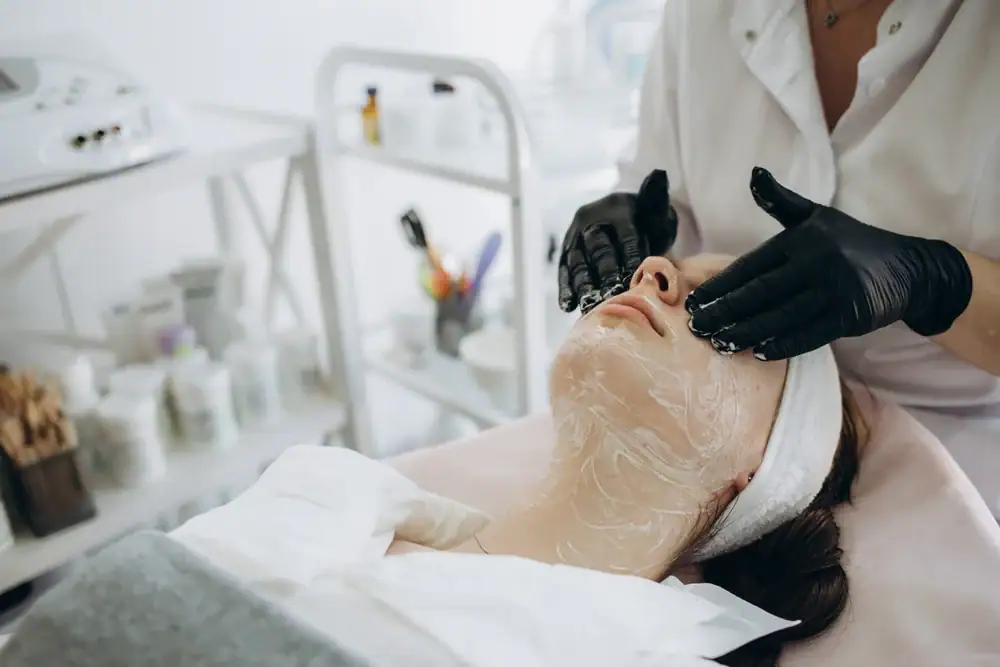
Chemical Skin Peel Wallington, NJ
You start with a complimentary consultation. We go over your skin concerns, medical history, and what you’re hoping to achieve. That conversation determines which type of chemical peel makes sense for you—whether it’s a lighter glycolic chemical peel or something deeper.
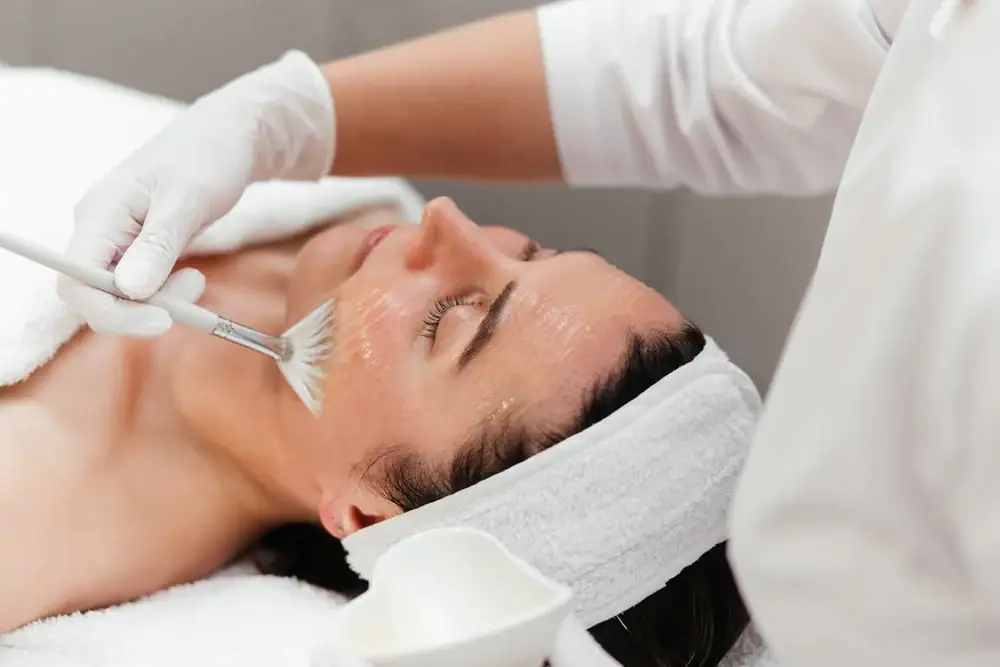
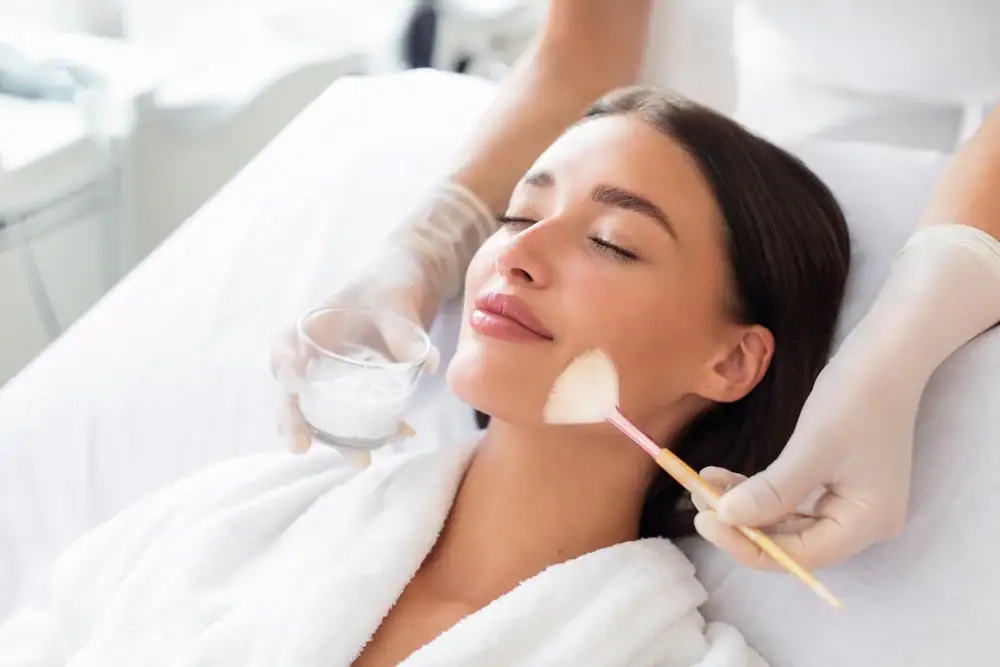
On treatment day, your skin gets cleansed thoroughly. The peel solution is applied evenly across the treatment area and left on for a specific amount of time based on the formula and your skin’s response. You might feel a mild tingling or warmth, but it’s manageable. Once the solution is neutralized or removed, we apply a soothing post-treatment product.
You’ll get detailed aftercare instructions. Your skin will likely peel or flake over the next few days—that’s normal and expected. Avoid picking at it. Stay out of the sun. Use the products we recommend.
Two weeks later, you come back for a follow-up. We check your results, answer any questions, and provide a complimentary touch-up if needed. That follow-up is included because we want to make sure you’re getting the outcome you came in for.
Ready to get started?
Glycolic Chemical Peel Wallington, NJ
Every non surgical chemical peel at House of Ness includes a complimentary consultation, the treatment itself, post-care instructions, and a two-week follow-up with touch-up if needed. You’re not paying extra for the follow-up—that’s part of the service.
We use medical-grade products sourced directly from manufacturers. You’re getting authentic, FDA-approved formulas, not diluted or counterfeit solutions. That matters more than most people realize, especially in a market where product authenticity isn’t always guaranteed.
Wallington residents also benefit from our Allē rewards program participation. You earn points with every treatment, and those points add toward future services. We offer discounts for new clients, military personnel, nurses, and first responders. Pricing is transparent from the start, so you know what you’re paying before you commit.
We also combine chemical peels with medical-grade skincare recommendations. The peel jumpstarts the improvement, but the right products help you maintain and protect those results long-term. That’s the difference between a one-time fix and a sustainable approach to healthier skin.
How do I know which chemical peel is right for my skin type?
It depends on what you’re treating and how your skin typically reacts. Lighter peels like glycolic or salicylic work well for mild texture issues, dullness, or early signs of aging. They require little to no downtime and can be repeated more frequently.
Medium-depth peels go deeper and address more stubborn concerns like hyperpigmentation, acne scars, or deeper wrinkles. They involve more peeling and a longer recovery, but the results are more dramatic.
During your consultation, we assess your skin type, your concerns, and your schedule. If you can’t take a week off for recovery, we’re not going to recommend a peel that requires it. The goal is to match the treatment to your life, not the other way around. That’s why the consultation matters—it’s where we figure out what actually makes sense for you.
What should I expect during the recovery period after a chemical peel?
Your skin will feel tight and look red immediately after the treatment—similar to a sunburn. Over the next few days, it’ll start peeling or flaking. That’s the damaged layer shedding so new skin can come through.
The amount of peeling depends on the peel strength. Lighter peels might just cause some flaking that’s barely noticeable. Deeper peels can result in more visible peeling that lasts up to a week. Either way, don’t pick at it. Let it come off naturally.
You’ll need to avoid direct sun exposure, skip harsh skincare products, and keep your skin moisturized. We’ll give you a specific aftercare plan based on the peel you received. Most people can return to work within a few days, but if you’re getting a deeper peel, plan for a longer recovery. We’ll walk you through what to expect so there are no surprises.
Are chemical peels safe, and what are the risks?
When performed by a trained, licensed professional using medical-grade products, chemical peels are safe. The risks increase when the provider doesn’t have proper training, uses low-quality products, or doesn’t assess your skin properly before treatment.
Possible side effects include redness, peeling, temporary darkening of the skin, and in rare cases, scarring or infection. Those risks go up significantly if aftercare instructions aren’t followed or if the peel is too aggressive for your skin type.
That’s why we start with a thorough consultation and medical history review. We’re looking for any contraindications—active infections, certain medications, recent procedures—that would make a peel unsafe. And because we’re led by a board-certified plastic surgeon with licensed injectors on staff, you’re getting a level of oversight that many med spas don’t offer. We’re not cutting corners, and we’re not rushing through appointments.
How many treatments will I need to see results?
It depends on what you’re treating and how your skin responds. For mild concerns like dullness or fine lines, you might see noticeable improvement after one treatment. For deeper issues like acne scars or significant hyperpigmentation, you’ll likely need a series—usually three to six treatments spaced a few weeks apart.
Lighter peels can be repeated more frequently because they don’t penetrate as deeply. Medium-depth peels require more recovery time between sessions. We’ll map out a treatment plan during your consultation based on your goals and your skin’s condition.
Some people come in for a single peel before an event. Others commit to a series for long-term improvement. Either way, the results build over time, and maintenance treatments help you hold onto those results. We’re not interested in overselling you on treatments you don’t need—we’d rather give you realistic expectations upfront.
Can I combine a chemical peel with other treatments like Botox or fillers?
Yes, but timing matters. Chemical peels and injectables like Botox or fillers can complement each other, but they shouldn’t be done on the same day. The peel causes controlled trauma to the skin, and adding injectables immediately after increases the risk of complications or uneven results.
Most providers recommend spacing them out by at least two weeks. Some people get Botox or fillers first, let those settle, then follow up with a peel. Others do the peel first and add injectables once the skin has fully healed.
Because we specialize in both injectables and advanced skincare treatments, we can create a comprehensive plan that sequences everything properly. You’re not bouncing between providers or getting conflicting advice. We’ll coordinate the timing so each treatment works with the others, not against them. That’s the advantage of working with a team that understands how these treatments interact.
What's the difference between a chemical peel at a med spa versus a dermatologist's office?
The main difference is who’s performing the treatment and what level of oversight exists. Dermatologists are medical doctors specializing in skin conditions, so they can diagnose and treat medical issues alongside cosmetic concerns. Med spas focus primarily on aesthetic treatments but vary widely in terms of medical supervision and staff qualifications.
At House of Ness, you’re getting board-certified plastic surgeon oversight with licensed, certified injectors performing the treatments. We’re not a dermatology practice, but we’re not a spa with minimal medical supervision either. We’re somewhere in between—focused on aesthetics but grounded in medical-grade care and safety protocols.
The quality of the products, the training of the staff, and the thoroughness of the consultation process matter more than the type of facility. A well-run med spa with proper oversight can deliver results that rival a dermatologist’s office. A poorly run one can cause real damage. Do your research, ask about credentials, and make sure whoever’s treating you understands your skin and has a plan beyond just applying a product.