Dermal Fillers in Westwood, NJ
Natural Results Without the Guesswork
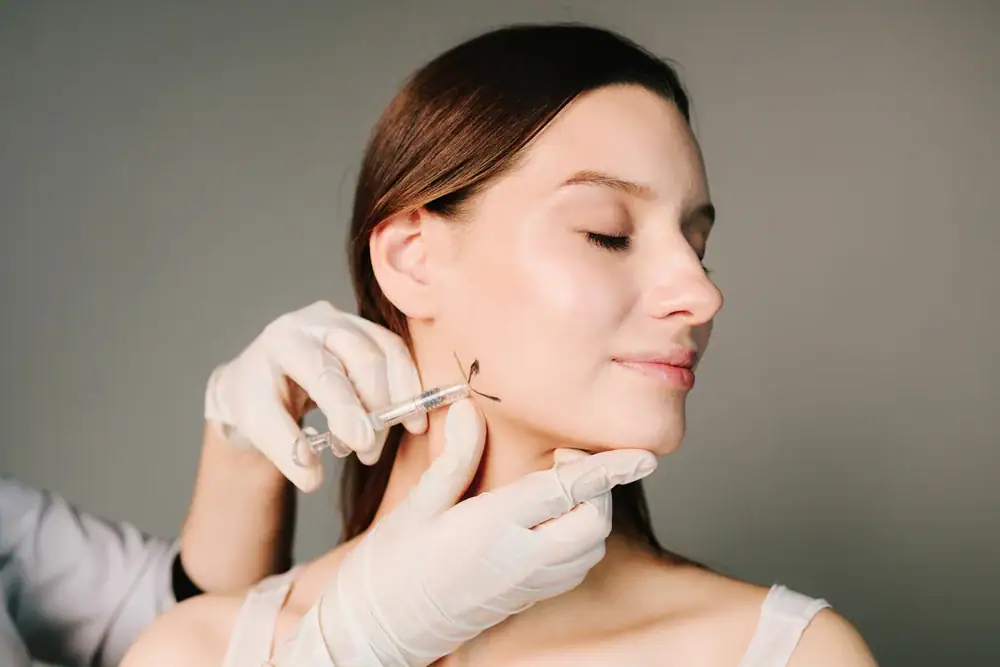
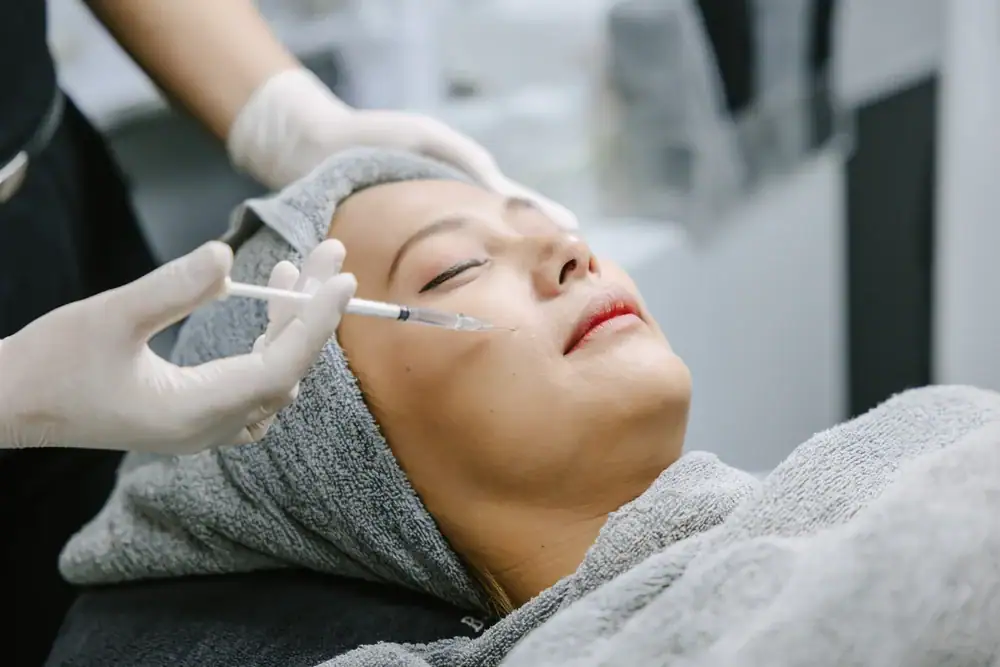
Best Facial Fillers Westwood, NJ
You’re not looking for a different face. You want the hollows filled, the lines softened, the volume restored where time took it away. That’s what dermal fillers in Westwood, NJ do when they’re done right.
Most treatments take under 30 minutes. There’s no surgery, no general anesthesia, no week of recovery. You might have slight swelling for a day or two, but most people go right back to their routine.
The difference shows up in how your face catches light again. Cheeks that look full instead of flat. A jawline that’s defined. Lips that have shape without looking overdone. It’s the kind of change where people say you look rested, not that you “had something done.”
Results from hyaluronic acid-based fillers typically last six months to over a year, depending on the area treated and how your body metabolizes the product. You’re not locked into anything permanent, which also means you control how you maintain things over time.
Dermal Filler Injection Westwood, NJ
House of Ness is led by a Board Certified Plastic Surgeon. Every injector on our staff is certified and licensed. That’s not standard across the board in Westwood, NJ, where anyone with a medical degree can legally inject fillers depending on state regulations.
We’re a platinum-level Allergan partner, which means we meet volume, training, and quality benchmarks that most practices don’t. We only use FDA-approved hyaluronic acid fillers like Juvederm—no off-brand products, no experimental formulations.
You’ll meet with your injector for a complimentary consultation before anything happens. Two weeks after treatment, you come back for a follow-up. If something needs adjusting, we handle it then. No extra charge.
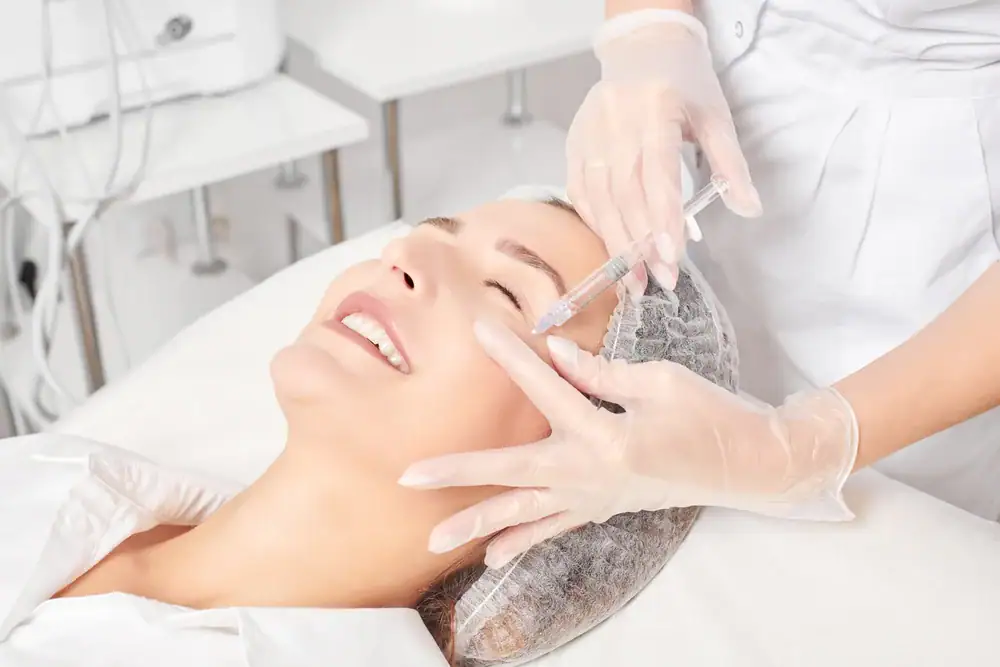
Wrinkle Filler Injection Westwood, NJ
You start with a consultation. We talk about what’s bothering you, what you’ve tried before, and what kind of result you’re after. Your injector will assess your facial structure and recommend a treatment plan that makes sense for your goals and your anatomy.
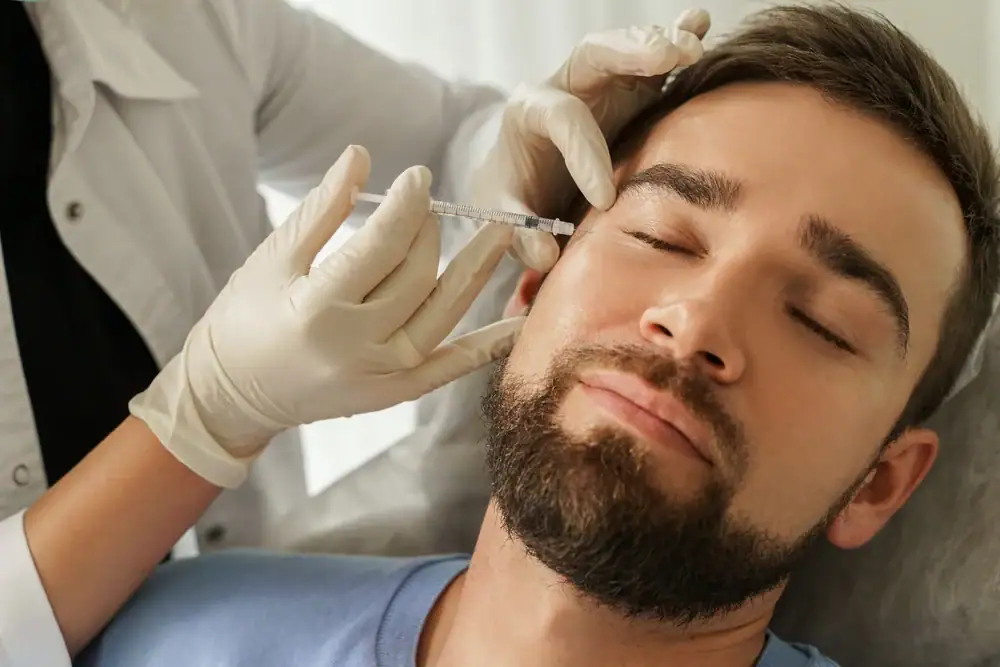
On treatment day, the area gets cleaned and prepped. Most fillers contain lidocaine, so there’s numbing built into the product. The injection itself takes minutes per area. You might feel pressure or a slight pinch, but it’s not the kind of pain that stops you in your tracks.
Right after, there may be some redness or minor swelling. We give you clear aftercare instructions—avoid intense workouts for 24 hours, don’t press hard on the treated area, sleep elevated if you can. Most people see their final result within a week once any swelling goes down.
Your two-week follow-up is where we make sure everything settled the way it should. If there’s asymmetry or an area that needs a touch of more product, we take care of it. That’s part of the process, not an upsell.
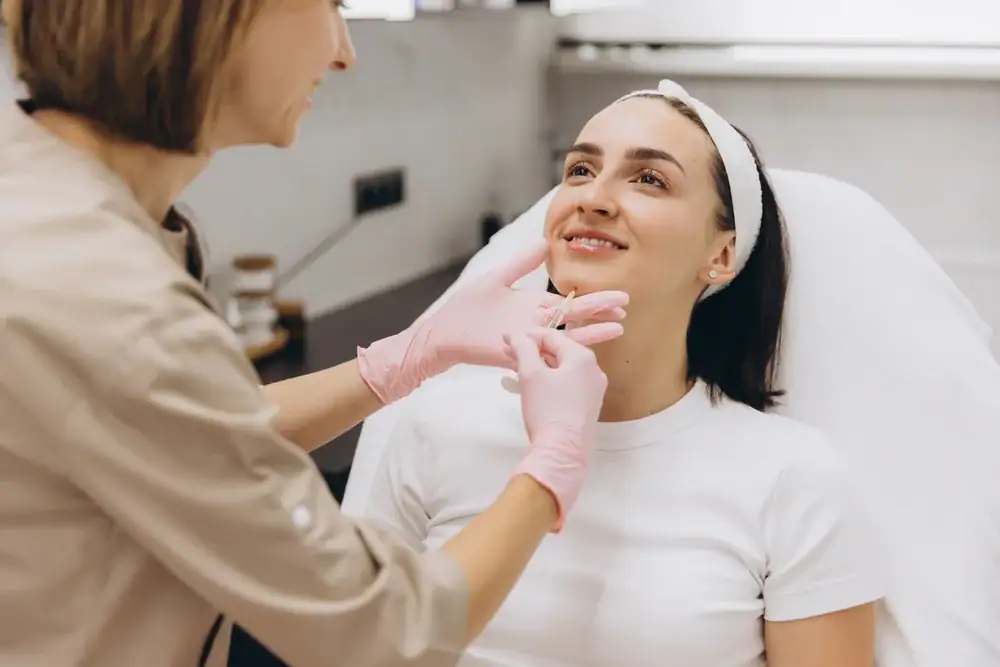
Ready to get started?
Best Dermal Fillers Westwood, NJ
Every dermal filler treatment at House of Ness includes a complimentary consultation, the procedure itself, and a two-week follow-up with touch-up if needed. You’re not paying separately for those steps.
We use only FDA-approved hyaluronic acid fillers. That includes the Juvederm line and other proven products depending on what area we’re treating. HA fillers are reversible, which means if something doesn’t look right, it can be dissolved. That’s a safety feature you don’t get with permanent fillers.
Pricing is transparent. You’ll know the cost before anything is scheduled. We also participate in the Allē rewards program, so if you’re already earning points on Botox or other Allergan treatments, those apply here. We offer discounts for new clients, military members, nurses, and first responders.
In Westwood and the surrounding Bergen County area, there’s no shortage of med spas. What sets us apart is the level of injector training and the medical oversight. You’re not seeing someone who took a weekend course. You’re seeing professionals who’ve been trained in facial anatomy, complication management, and aesthetic balance.
How long do dermal fillers actually last?
It depends on the filler used and where it’s injected. Hyaluronic acid fillers typically last six months to a year, sometimes longer in areas that don’t move as much.
Lips and areas around the mouth tend to break down faster because of constant movement. Cheeks and under-eye areas can hold results longer. Your metabolism also plays a role—some people process HA faster than others.
You’ll start to notice the filler fading gradually, not all at once. Most people come back for maintenance before it’s completely gone. That’s a personal choice based on how you want to look and what your budget allows.
Will facial fillers make me look overdone or unnatural?
Not if they’re done correctly. The overfilled look happens when too much product is used or when it’s placed in the wrong tissue plane.
We use a conservative approach. The goal is to restore volume and smooth lines, not to create a new face. Your injector will talk through how much product is appropriate for your anatomy and your goals.
You also have control. If you want to start with less and build up over time, that’s an option. HA fillers are reversible, so if something looks off, it can be adjusted or dissolved entirely. That’s why choosing an experienced injector matters more than the product itself.
What are the risks or side effects?
Common side effects include swelling, redness, bruising, and tenderness at the injection site. These usually resolve within a few days. Bruising happens more often if you’re on blood thinners or take certain supplements like fish oil or vitamin E.
Rare but serious complications include vascular occlusion, where filler blocks a blood vessel. That’s why injector training and anatomical knowledge matter. Our injectors know how to recognize early signs and reverse the issue immediately if needed.
Infection, lumps, and asymmetry can also occur, but they’re uncommon when the procedure is done in a sterile environment by someone who knows what they’re doing. We walk you through all of this during your consultation so you know what to watch for.
How much do dermal fillers cost in Westwood, NJ?
Pricing depends on how many syringes you need and which product is used. Most people need one to two syringes per area for a noticeable result.
We give you a clear cost estimate during your consultation. There are no hidden fees. If you’re part of the Allē rewards program, you can apply points toward your treatment.
We also offer discounts for new clients and specific groups like military, nurses, and first responders. If cost is a concern, we can talk about treating one area at a time or spacing out treatments. The goal is to make this accessible without compromising quality or safety.
Can dermal fillers fix under-eye hollows or dark circles?
Yes, but it’s one of the more advanced injection areas. Under-eye filler requires precision because the skin is thin and the area is highly visible.
When done well, filler can smooth the transition between the lower eyelid and cheek, reducing the shadow that makes you look tired. It won’t change pigmentation, but it can improve the appearance of darkness caused by hollowing.
Not everyone is a good candidate. If you have very thin skin, severe bags, or certain anatomical features, filler might not be the right option. Your injector will assess that during your consultation and recommend alternatives if needed, like skin treatments or a different approach.
What's the difference between Botox and dermal fillers?
Botox relaxes muscles that cause wrinkles from repetitive movement—like frown lines and crow’s feet. Dermal fillers add volume to areas that have lost fullness or smooth out static lines that are visible even when your face is at rest.
They’re often used together. Botox handles the upper face, fillers handle the mid and lower face. For example, you might get Botox for forehead lines and filler for nasolabial folds or lips.
Your injector will recommend what makes sense based on what’s bothering you. Some people only need one or the other. Some benefit from both. It’s not about upselling—it’s about what will actually address the issue you’re seeing in the mirror.