Laser Resurfacing in Glen Rock, NJ
Skin That Reflects Your Best Self
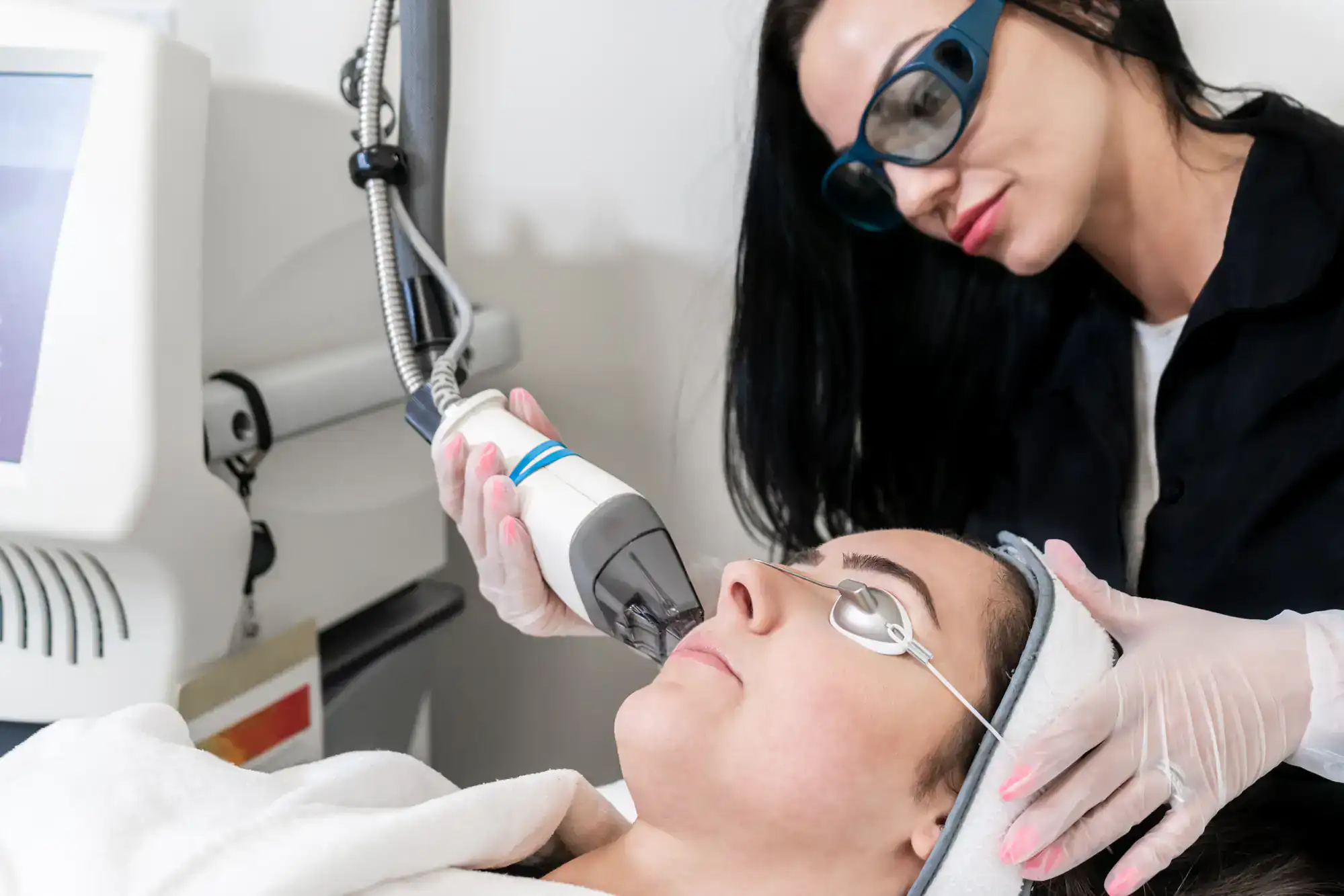
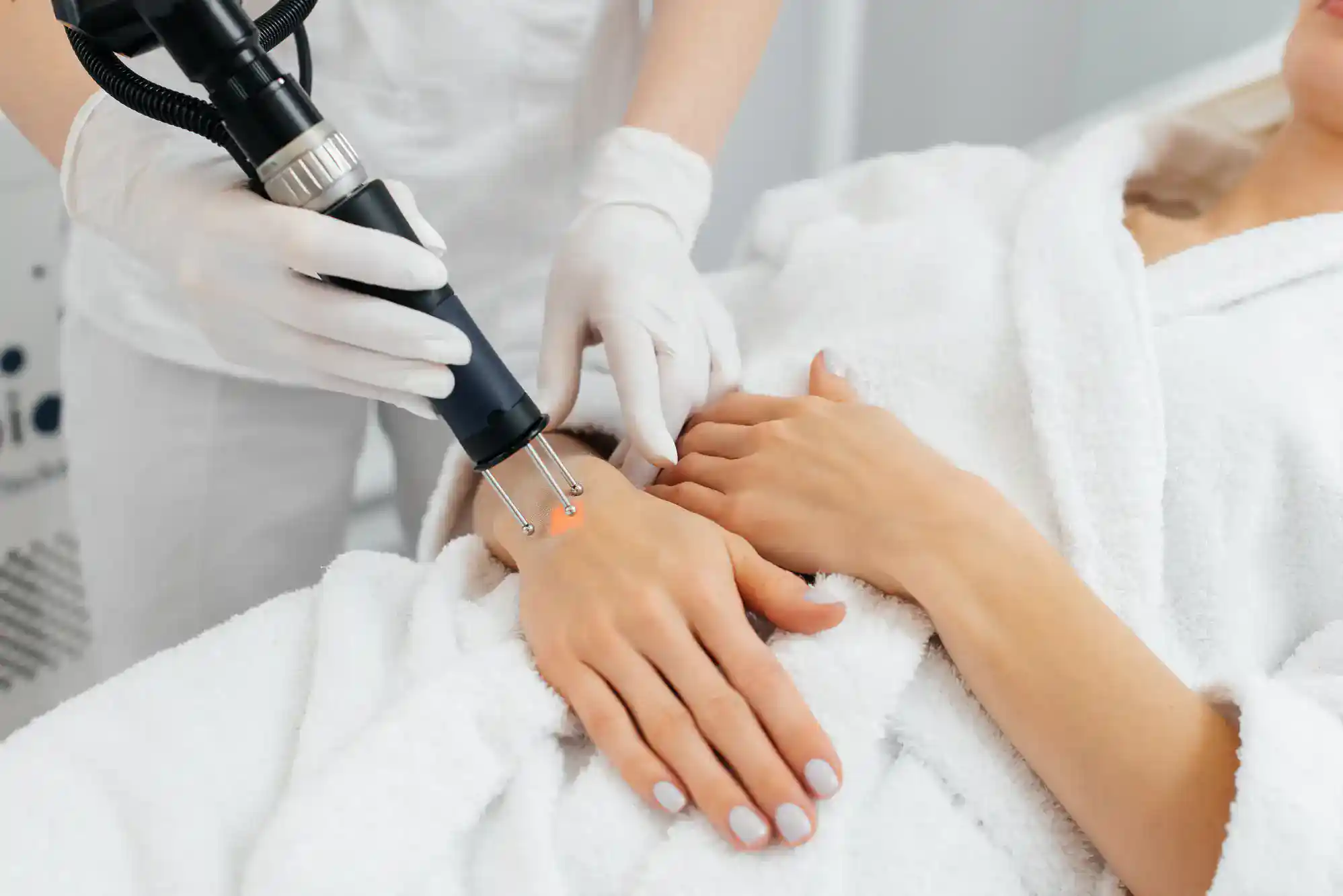
Laser Skin Rejuvenation Glen Rock, NJ
You’re looking at your reflection and noticing things that weren’t there before. Fine lines that seemed to appear overnight. Acne scars from years ago that never fully faded. Sun damage from all those weekends outdoors. You’ve tried creams and serums, but nothing’s actually changing what you see.
Laser resurfacing in Glen Rock, NJ works differently. It addresses these concerns at the source by triggering your skin’s natural healing response. The treatment creates controlled micro-injuries that stimulate new collagen production, which means your skin actually rebuilds itself over the following weeks and months.
What you get is smoother texture, reduced pore size, and a more even complexion that reflects light better. The kind of improvement that makes you stop second-guessing your appearance before meetings or social events. Results typically last three to five years with proper sun protection, and some clients see benefits for up to a decade.
Board-Certified Laser Treatment Glen Rock
We operate under the direction of a Board-Certified Plastic Surgeon, with every treatment performed by certified, licensed professionals. That’s not marketing language—it’s verifiable credentials you can look up.
We’re a platinum-level Allergan partner, which means we maintain the highest industry standards for product authenticity and treatment protocols. For Glen Rock residents who value quality and transparency, that distinction matters. You’re not guessing whether you’re getting legitimate care.
Our approach centers on your specific concerns and timeline. Every client starts with a complimentary consultation where we evaluate your skin type, discuss realistic outcomes, and create a treatment plan that works with your schedule. No hidden fees. No pressure. Just clear information so you can make an informed decision.
How Laser Resurfacing Works Glen Rock
Your consultation comes first. We examine your skin, talk through what’s bothering you, and determine whether you’re a good candidate for laser resurfacing near you. We’ll also discuss which type makes sense—ablative for more dramatic results or non-ablative laser resurfacing for minimal downtime.
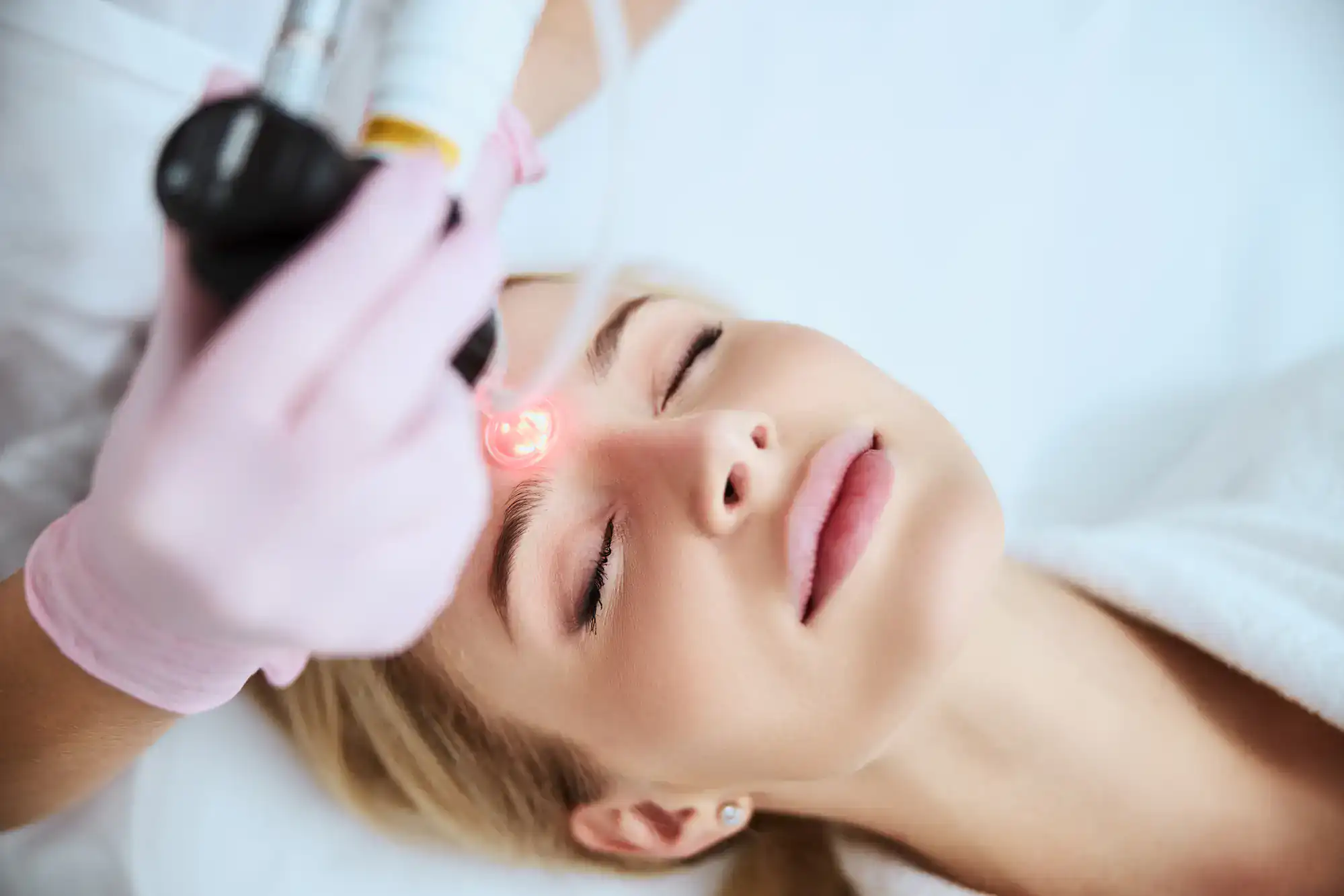
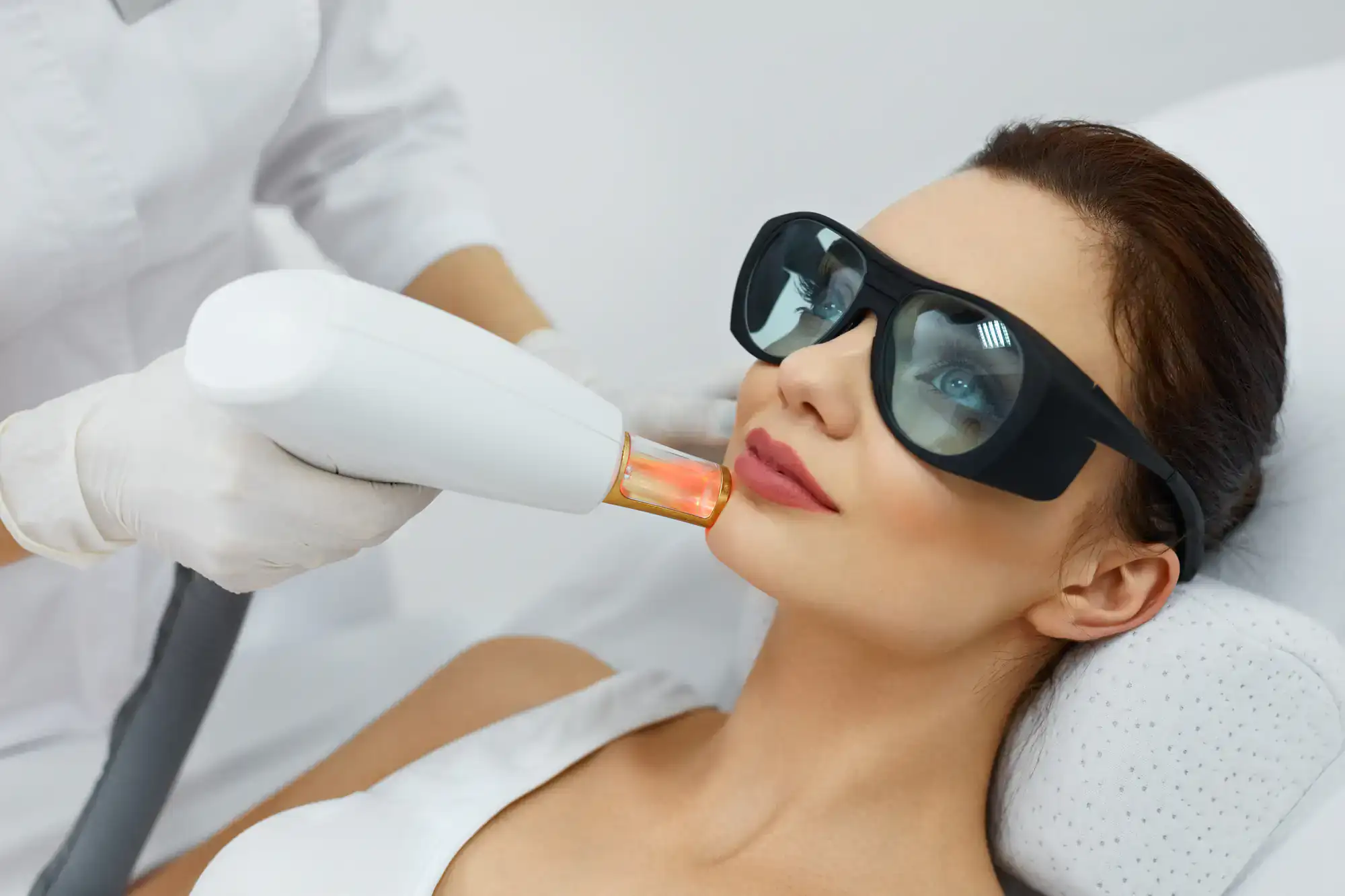
On treatment day, we apply topical numbing cream about 30 minutes before starting. Most people describe the sensation as mild warmth or a light snapping feeling, not pain. The laser creates thousands of microscopic treatment zones in your skin while leaving surrounding tissue intact, which speeds healing.
Your skin will be red immediately after, similar to a moderate sunburn. With non-ablative treatments, that typically fades within one to two days. Ablative options involve more downtime—usually five to seven days of visible healing. Either way, your skin continues improving for weeks as new collagen forms.
You’ll see initial changes within three to five days, but the real transformation develops over the following months. Most clients achieve their best results after two to four treatments spaced several weeks apart. We schedule a two-week follow-up to assess your progress and address any questions.
Ready to get started?
Laser Treatment For Face Glen Rock
Laser resurfacing for wrinkles targets those lines that make you look more tired than you feel. The treatment works on crow’s feet, forehead lines, and the fine creases around your mouth that deepen over time. You won’t look frozen or overdone—just refreshed.
For laser resurfacing for acne scars in Glen Rock, NJ, the technology breaks down scar tissue and stimulates smoother skin growth. Deep ice-pick scars may not disappear completely, but most clients see significant improvement in texture and depth. The same process helps with enlarged pores and uneven skin tone from sun exposure.
Fall and winter are ideal for laser skin resurfacing in Glen Rock, NJ because you need to limit sun exposure during healing. That timing works well for busy professionals who can schedule treatments around the holidays when work slows down. You’re also less likely to be outdoors for extended periods, which protects your investment.
We combine your laser treatment for face concerns with medical-grade skincare recommendations. The right products don’t just maintain your results—they can extend them significantly. We’ll walk you through exactly what to use and when, based on your specific skin type and the treatment intensity you choose.
Request a callback

How long does laser resurfacing in Glen Rock, NJ actually last?
Results typically remain visible for three to five years with proper sun protection and a solid skincare routine. Some clients see benefits lasting up to ten years, especially with non-ablative treatments that involve less aggressive resurfacing.
The longevity depends partly on how well you protect your skin afterward. Daily SPF is non-negotiable—sun exposure breaks down the new collagen your skin just built. Smoking, poor sleep, and inadequate hydration all shorten your results too.
Your age and skin condition at the time of treatment also matter. Younger skin with mild concerns often maintains improvement longer than mature skin with significant sun damage. That’s why we discuss realistic expectations during your consultation, so you know what to expect for your specific situation.
What's the difference between ablative and non-ablative laser resurfacing near me?
Ablative laser resurfacing removes the outer layer of skin entirely, creating more dramatic results but requiring more downtime. You’re looking at five to seven days of visible healing, sometimes longer. It’s the better choice for deep wrinkles, significant sun damage, or pronounced acne scarring.
Non-ablative laser resurfacing heats the underlying skin tissue without removing the surface layer. You get milder results with minimal downtime—usually just one to two days of redness. Most people return to work immediately, which matters if you’re a busy professional in Glen Rock, NJ who can’t take a week off.
Neither option is universally better. It depends on what you’re treating, how much downtime you can manage, and how aggressive you want to be. During your consultation, we’ll show you before-and-after photos of both approaches so you can see the difference in real results, not just descriptions.
Does laser skin rejuvenation in Glen Rock, NJ hurt?
Most clients describe the sensation as tolerable, not painful. We apply topical numbing cream 30 minutes before treatment, which significantly reduces what you feel. The laser itself creates a warm, tingling sensation—some compare it to a rubber band snapping lightly against skin.
The discomfort level varies based on which type of laser resurfacing you choose and your personal pain tolerance. Ablative treatments involve more sensation because they’re more aggressive. Non-ablative options are generally milder since they don’t remove the skin’s surface layer.
After treatment, your skin feels similar to a sunburn for the first day or two. We provide detailed aftercare instructions and recommend products that soothe irritation and speed healing. If you’re particularly sensitive, we can discuss additional comfort measures during your consultation.
How many treatments will I need for laser resurfacing for acne scars?
Most clients see their best results after two to four treatments spaced four to six weeks apart. Shallow acne scars often improve significantly after just one session, while deeper scarring requires multiple treatments to achieve noticeable change.
The exact number depends on your scar type and severity. Ice-pick scars—those narrow, deep indentations—are harder to treat than rolling scars or boxcar scars. We assess your specific scarring during the consultation and give you a realistic treatment plan with expected outcomes.
You’ll see initial improvement within days as swelling subsides and your skin begins healing. But the real change happens over the following months as new collagen fills in the scarred areas. That’s why we space treatments several weeks apart—to give your skin time to rebuild between sessions.
When's the best time to get laser treatment for face concerns in Glen Rock?
Fall and winter are optimal for laser resurfacing in Glen Rock, NJ because you need to avoid sun exposure during healing. Treated skin is more vulnerable to UV damage, which can cause hyperpigmentation and reduce your results. Cooler months mean you’re naturally spending less time outdoors.
The timing also matters for your schedule. If you’re getting ablative treatment with five to seven days of visible healing, you’ll want to plan around work commitments and social events. Many Glen Rock professionals schedule treatments around Thanksgiving or the December holidays when they have built-in downtime.
That said, non-ablative laser resurfacing works year-round if you’re diligent about sun protection. You can return to normal activities within a day or two, and the healing is subtle enough that most people won’t notice. We just emphasize strict SPF use and limited direct sun exposure for several weeks after treatment.
What should I expect during recovery from laser skin resurfacing in Glen Rock?
Your skin will be red and sensitive immediately after treatment, similar to a sunburn. With non-ablative laser resurfacing, that redness typically fades within one to two days. Ablative treatments involve more visible healing—expect five to seven days of redness, possible swelling, and some flaking as your skin regenerates.
We give you detailed aftercare instructions that include gentle cleansing, prescribed ointments, and strict sun avoidance. Following these guidelines directly impacts your results. Skipping steps or returning to normal skincare too quickly can cause complications or reduce the treatment’s effectiveness.
Most Glen Rock clients appreciate knowing exactly what to expect day by day. We walk you through the timeline during your consultation and remain available if questions come up during recovery. You’ll also have a scheduled two-week follow-up where we assess your healing and address any concerns.