Laser Resurfacing in Hasbrouck Heights, NJ
Erase Years of Damage Without Going Under the Knife
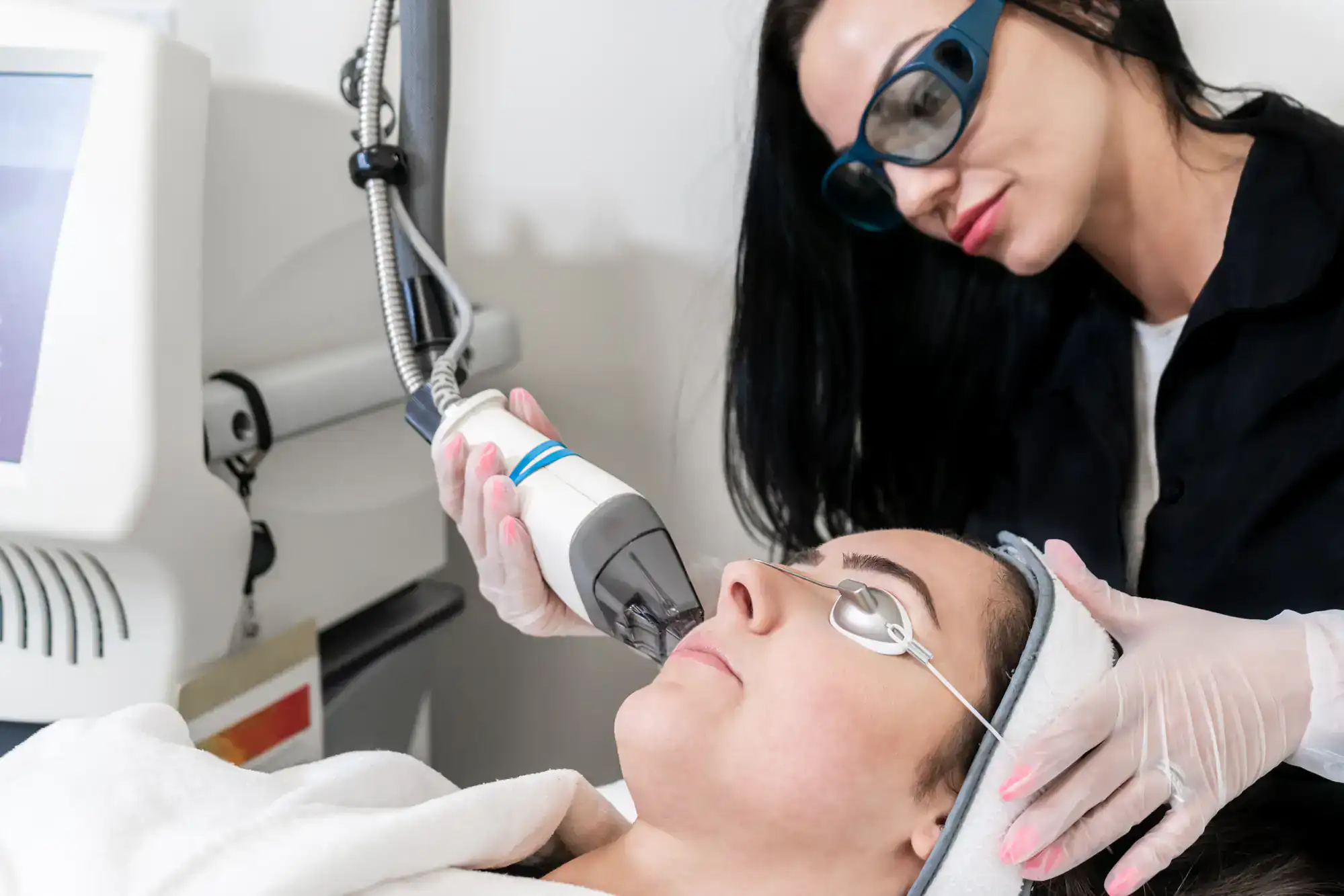
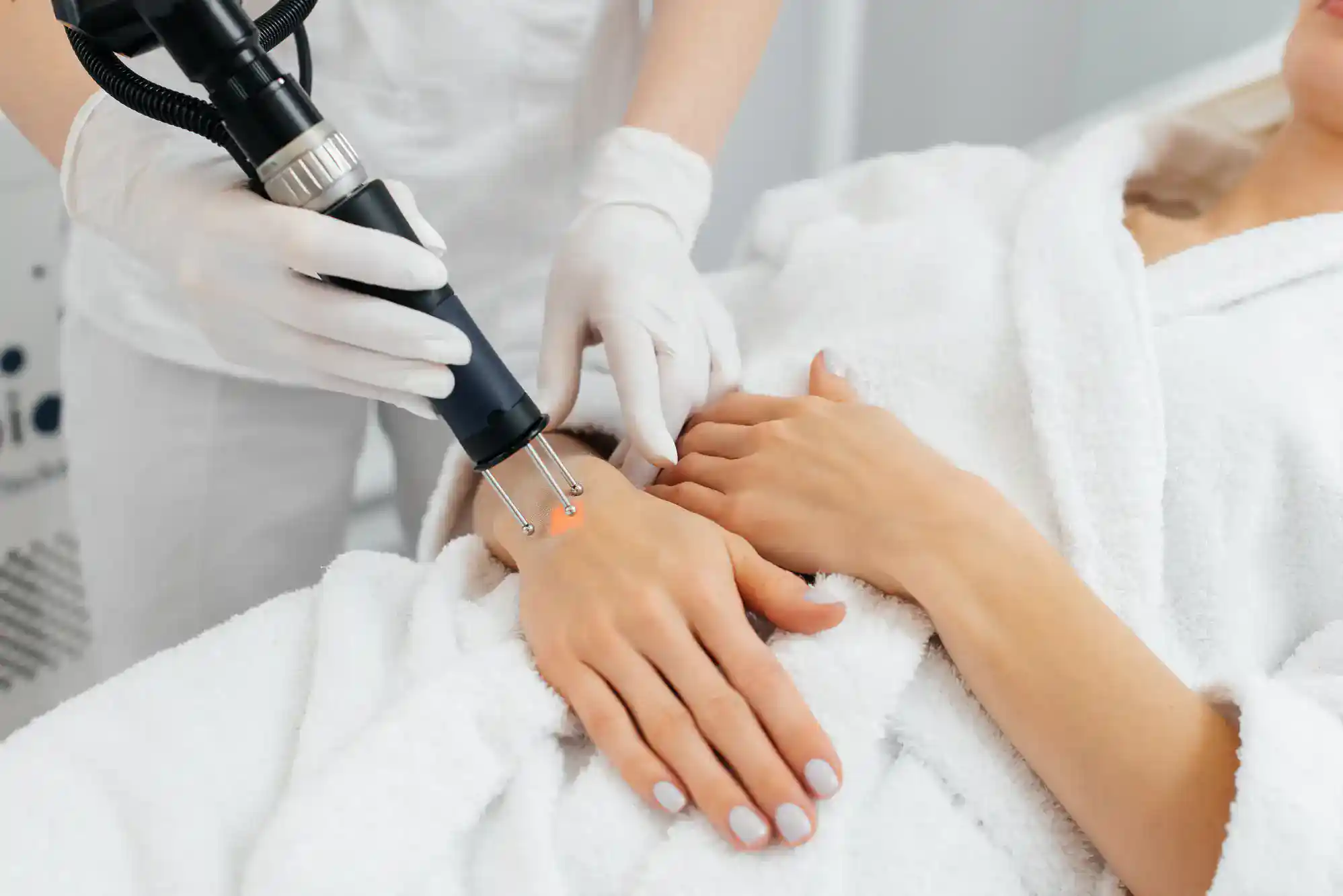
Laser Skin Rejuvenation Hasbrouck Heights
You’re not looking for a complete transformation. You want to look like yourself—just fresher, smoother, more confident when you catch your reflection.
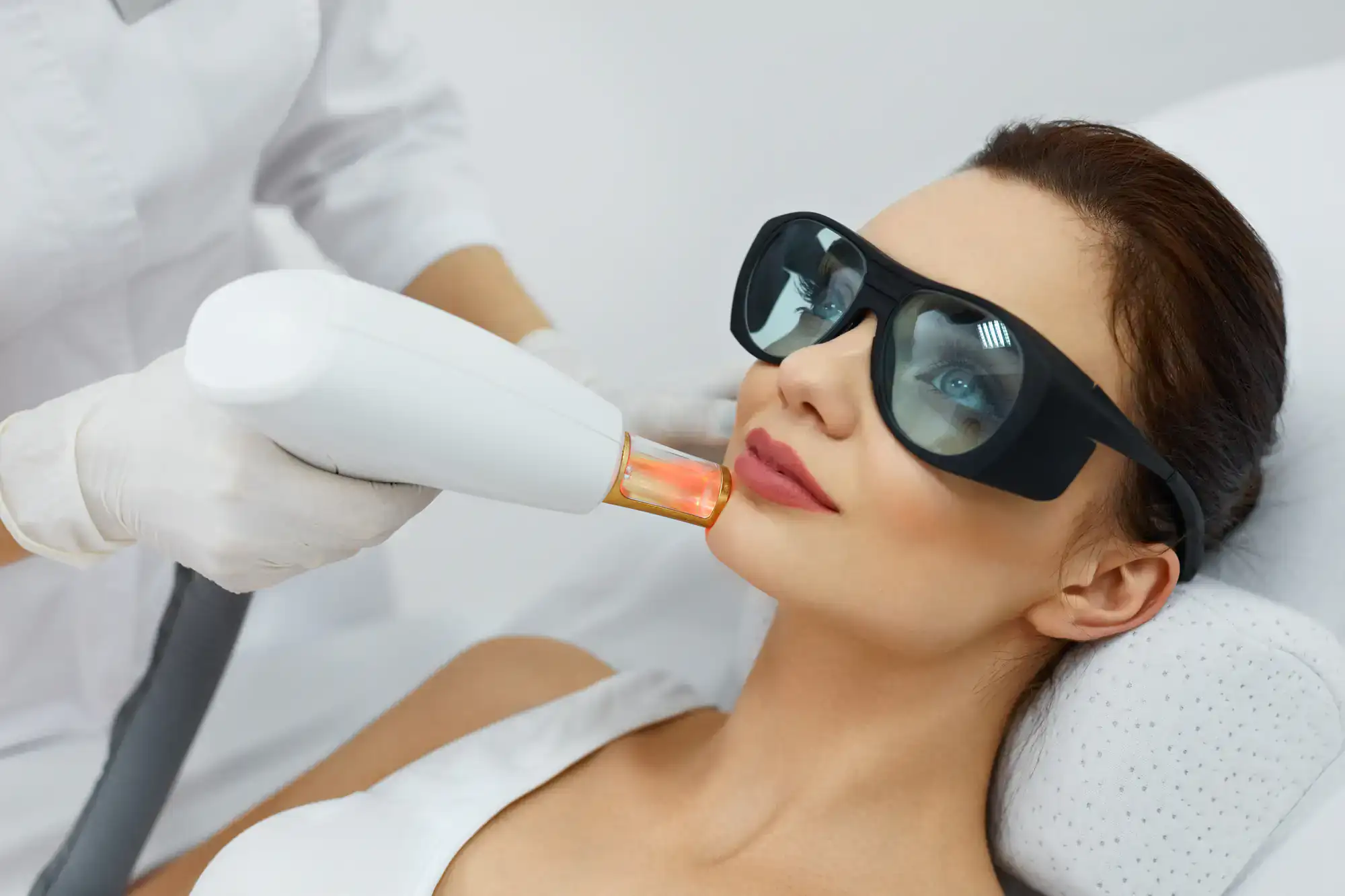
Laser treatment for face concerns addresses what bothers you most: the deep lines that makeup settles into, the acne scars that never fully healed, the uneven tone from years of sun exposure. The technology we use doesn’t just resurface the top layer. It triggers your skin to rebuild collagen in the deeper layers where aging actually happens.
Results show up gradually over weeks as your skin regenerates. Texture smooths out. Tone evens. Fine lines soften, and deeper wrinkles become less pronounced. The outcome isn’t frozen or overdone—it’s you, with skin that matches how you feel inside.
Board-Certified Laser Resurfacing Near You
We operate under the direction of a Board Certified Plastic Surgeon, with every treatment performed by certified, licensed professionals. That’s not marketing language—it’s verifiable credentials you can look up.
We’ve built our reputation in Hasbrouck Heights and across Bergen County on thousands of successful treatments. Our platinum-level Allergan partnership reflects consistent standards, not just purchasing volume. You’re not walking into a franchise or a rotating door of inexperienced staff.
The community here expects sophistication without the Manhattan price gouging. You want transparency, minimal wait times, and providers who understand that your time matters. That’s exactly what we’ve designed this practice around.
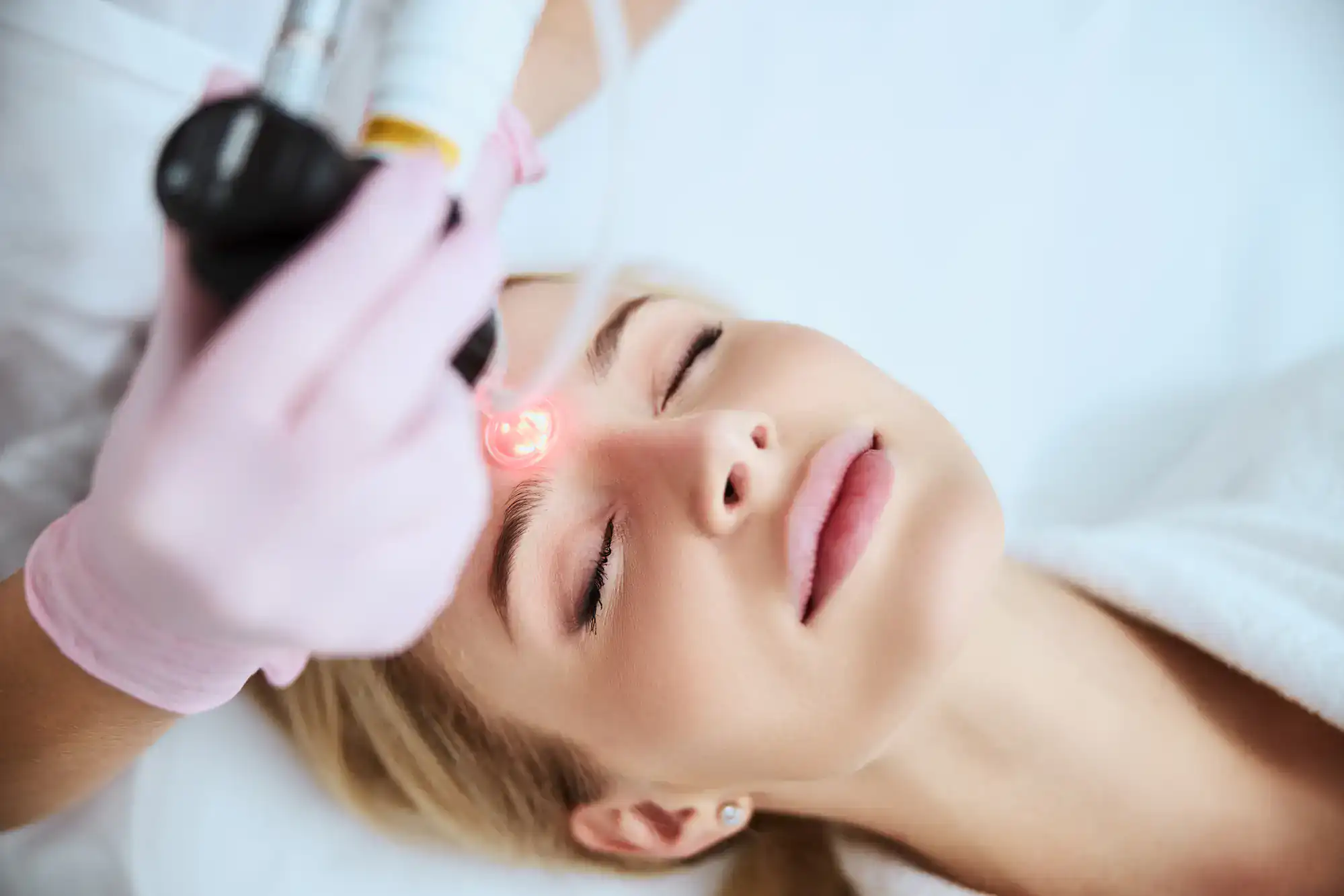
Laser Resurfacing Process Hasbrouck Heights
You start with a complimentary consultation where we assess your skin concerns without any sales pressure. We discuss what laser skin resurfacing in Hasbrouck Heights can realistically achieve for your specific issues—whether that’s wrinkles, scarring, or pigmentation.
The treatment itself uses fractional laser technology that creates thousands of microscopic treatment zones in your skin. This precision means surrounding tissue stays intact, which drastically reduces your recovery time compared to older methods. You’ll feel heat and some discomfort, but we manage that throughout the session.
Immediately after, your skin will be red and feel similar to a sunburn. That’s normal and expected. Over the next few days, you’ll experience some flaking as damaged skin sheds and new skin emerges. Most people need 3-5 days before they’re comfortable being seen socially, though some redness may persist for a week or two.
We schedule a follow-up to monitor your healing and ensure you’re getting the results we discussed. Your skin continues improving for months as collagen production ramps up.
Ready to get started?
Laser Resurfacing for Wrinkles Hasbrouck Heights
Laser resurfacing for wrinkles in Hasbrouck Heights targets the visible signs that bother you most. Deep forehead lines, crow’s feet, the creases around your mouth—these respond well because the laser stimulates collagen remodeling in the dermis where these wrinkles originate.
Laser resurfacing for acne scars works differently than topical treatments you’ve probably already tried. The laser removes damaged skin layers while triggering your body’s healing response to fill in depressed scars and smooth raised ones. Results vary based on scar depth and type, but most people see significant improvement.
Sun damage, age spots, and uneven pigmentation also respond to treatment. The laser breaks up melanin clusters that create those dark patches, and your body naturally clears them over the following weeks. For Hasbrouck Heights residents who’ve spent years commuting or enjoying outdoor activities, this accumulated damage is often the primary concern.
Non ablative laser resurfacing options exist for those who need minimal downtime. These treatments work more gradually with less dramatic peeling, making them suitable if you can’t take a week away from work or social commitments.
Request a callback

How long do results from laser skin resurfacing actually last?
The collagen remodeling triggered by laser treatment continues for 3-6 months after your session, with peak results visible around the six-month mark. Once that new collagen is established, it doesn’t just disappear.
Most people see results that last several years—often 3-5 years or longer depending on how well you protect your skin afterward. Sun exposure is the biggest factor that degrades results, which is why we integrate medical-grade skincare into your treatment plan.
Your skin will continue aging naturally, but you’re essentially resetting the clock. Many clients return for maintenance treatments every few years rather than needing the same intensity of initial treatment. The key is realistic expectations: this isn’t permanent, but it’s long-lasting enough to be worth the investment and recovery time.
What's the difference between ablative and non ablative laser resurfacing?
Ablative lasers remove the outer layers of skin entirely, creating a controlled wound that your body heals by generating fresh skin. This produces dramatic results but requires more downtime—typically a week or more of significant peeling and redness.
Non ablative laser resurfacing heats the deeper skin layers without removing the surface. You’ll have some redness and mild flaking, but you’re usually presentable within a few days. The tradeoff is that results are more subtle and you may need multiple sessions to achieve what one ablative treatment accomplishes.
For deep wrinkles and significant scarring, ablative treatments generally deliver better outcomes. For mild to moderate concerns or if your schedule doesn’t allow for extended downtime, non ablative options make more sense. During your consultation, we assess your skin concerns against your lifestyle constraints to recommend the approach that actually fits your situation.
Does laser resurfacing hurt, and what does recovery actually feel like?
During treatment, you’ll feel heat and a snapping sensation as the laser pulses across your skin. Most people describe it as uncomfortable but tolerable. We use topical numbing cream and cooling methods to manage discomfort throughout the session.
The first 24-48 hours after treatment feel similar to a moderate sunburn—tight, warm, and sensitive. Your skin will be noticeably red and swollen. By day three, you’ll start experiencing flaking and peeling as the damaged skin sheds. This is when most people feel the most self-conscious about their appearance.
By day five to seven, the majority of peeling is complete, though some redness persists. You can typically resume normal activities with makeup coverage around this point. The redness continues fading over the following weeks. Some people experience minor itching during the healing phase, which is normal as new skin forms. We provide detailed aftercare instructions and medical-grade products to support healing and minimize discomfort.
How many laser resurfacing treatments will I need to see results?
For fractional ablative treatments, most people see significant improvement after a single session. If you’re addressing severe scarring or deep wrinkles, you might benefit from a second treatment spaced 3-6 months apart once your skin has fully healed and regenerated.
Non ablative approaches typically require 3-5 sessions spaced 4-6 weeks apart to achieve comparable results to one ablative treatment. The advantage is minimal downtime between sessions, but you’re committing to multiple appointments.
The honest answer depends on what you’re treating and how aggressive you want to be with downtime. Someone addressing mild sun damage and fine lines might be satisfied with one session. Someone with extensive acne scarring might need a more comprehensive treatment plan. During your consultation, we assess your specific concerns and show you what’s realistic to achieve with different treatment intensities. We’re not going to oversell you on sessions you don’t need.
Can laser skin rejuvenation be combined with other treatments?
Yes, but timing matters significantly. Many people combine laser resurfacing with injectables like Botox and fillers, but these shouldn’t happen simultaneously. We typically recommend addressing dynamic wrinkles with Botox first, waiting two weeks, then proceeding with laser treatment.
Fillers can be added 4-6 weeks after laser resurfacing once your skin has healed. This layered approach addresses different aging concerns—laser handles texture, tone, and surface wrinkles, while injectables address volume loss and muscle-related lines.
Medical-grade skincare is essential both before and after laser treatment. We’ll likely recommend starting a prep regimen 4-6 weeks before your session to optimize your skin’s healing capacity. Post-treatment, the right skincare protects your investment and extends your results. Our approach integrates these elements into a comprehensive plan rather than treating laser resurfacing as a standalone solution. You get better outcomes when everything works together.
Is laser treatment for face safe for all skin types?
Not all lasers are safe for all skin types, which is why board-certified medical supervision matters. Darker skin tones have higher melanin content, which can absorb laser energy and cause hyperpigmentation or scarring if the wrong settings or technology is used.
Certain laser wavelengths and fractional technologies have proven safer for darker skin, but this requires expertise in adjusting parameters based on your specific skin type. During consultation, we assess your Fitzpatrick skin type and discuss realistic expectations and potential risks.
Some people aren’t good candidates for laser resurfacing regardless of skin tone—active infections, certain medications, recent sun exposure, or specific medical conditions can disqualify you temporarily or permanently. We’d rather tell you upfront that you’re not a candidate than deliver poor results or cause complications. That’s the difference between a medical practice and a spa that’s just trying to book appointments.
Other Services we provide in Hasbrouck Heights