Laser Resurfacing in Midland Beach, NY
Smoother Skin Without Looking Like You Tried
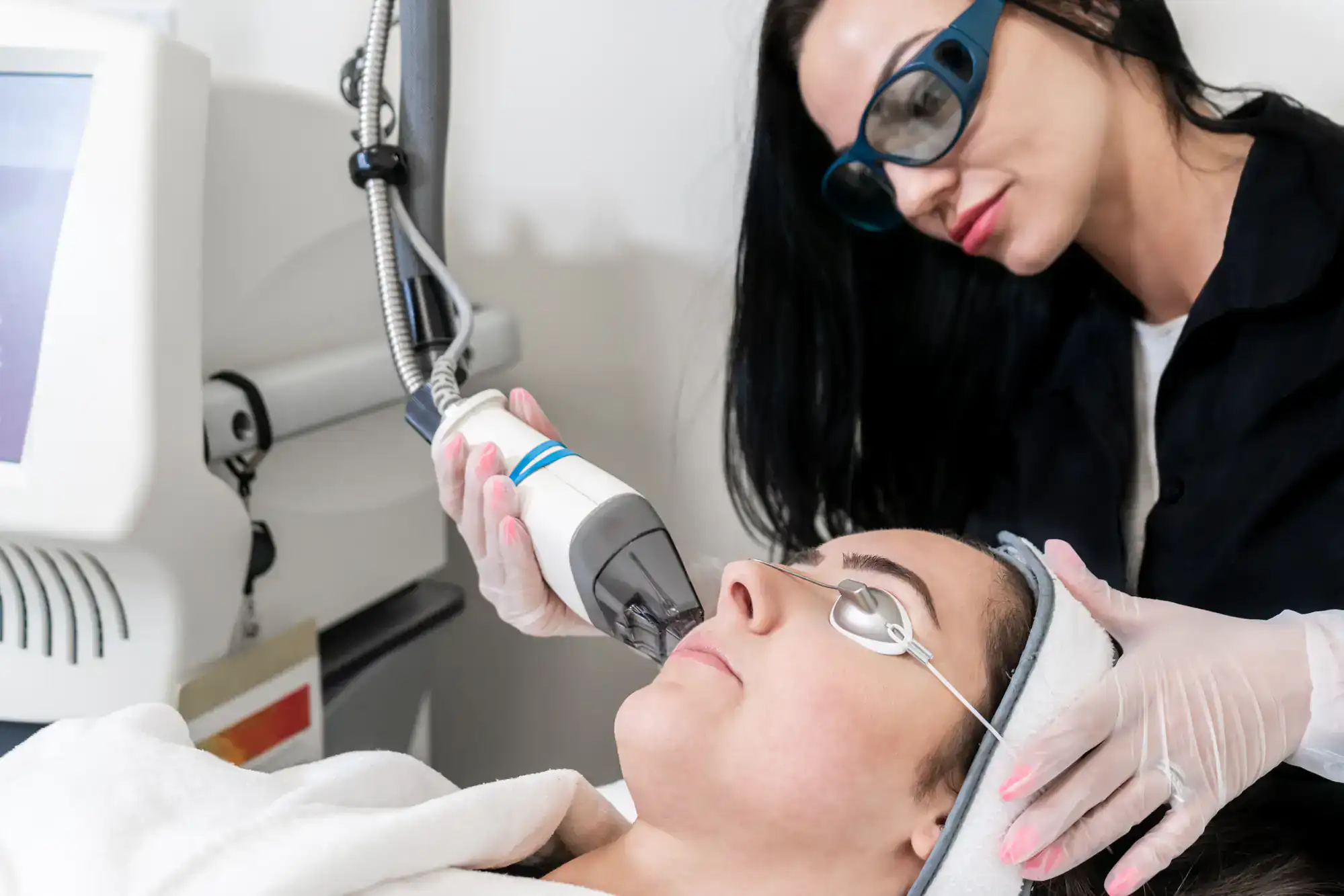
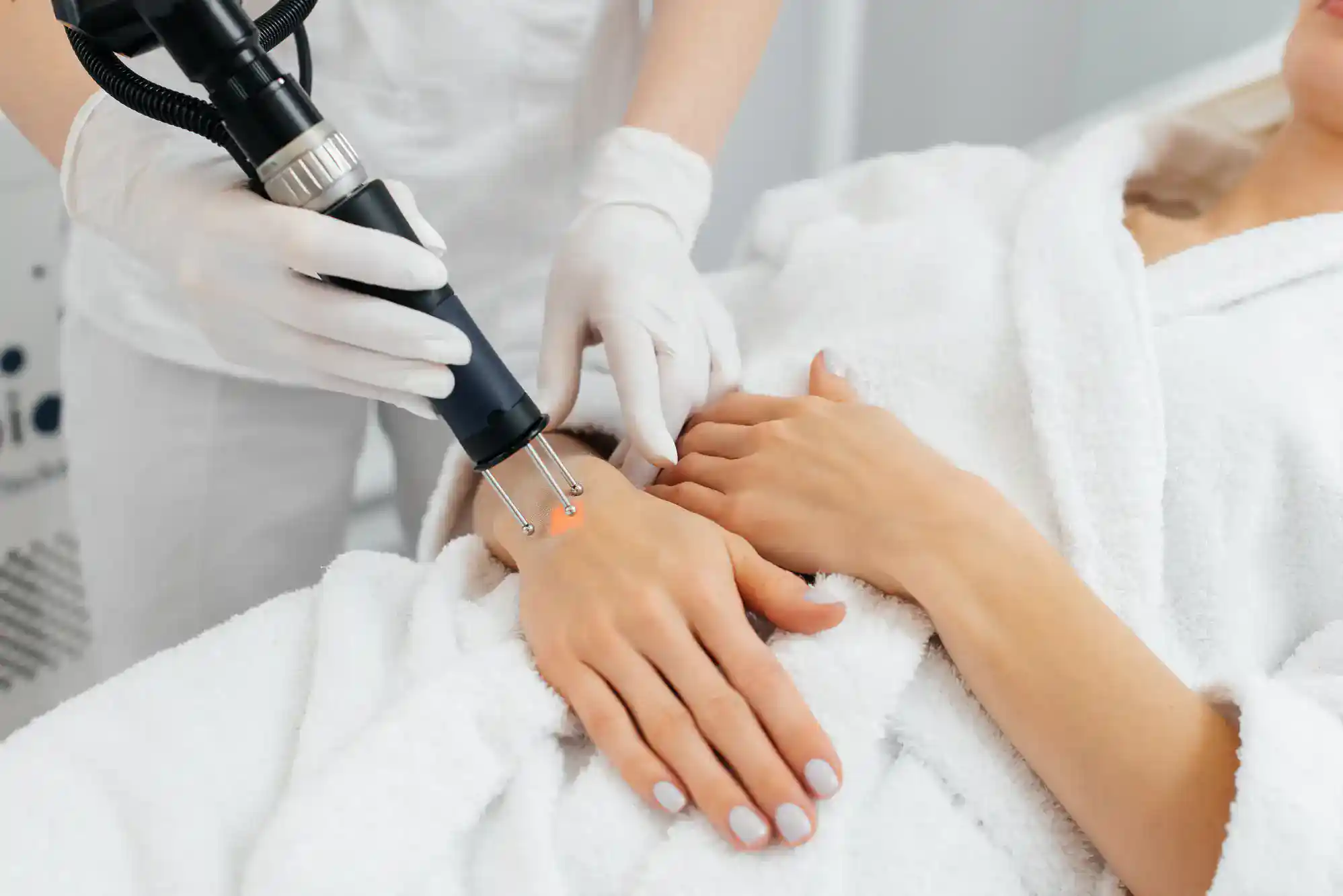
Laser Skin Resurfacing Near You
You’re not looking to erase who you are. You want to look like yourself—just refreshed. Laser skin resurfacing in Midland Beach, NY targets the texture issues that makeup can’t fix: fine lines that catch the light, acne scars that create shadows, uneven tone from years of sun exposure.
The treatment works by stimulating your skin’s natural healing response. New collagen forms. Surface irregularities smooth out. That dull, tired look starts to fade.
Most people notice smoother texture within a few weeks. The full effect builds over three to five months as collagen production ramps up. You’re not frozen or altered—you’re seeing your skin at its healthiest. And unlike topical products that sit on the surface, laser treatment for face concerns works at the dermal level where real change happens.
Results typically last three to five years, sometimes longer. That’s not a sales pitch—that’s what the clinical data shows when you’re working with experienced providers who know how to match the right laser intensity to your skin type and goals.
Laser Treatment Midland Beach, NY
We operate under the oversight of a Board Certified Plastic Surgeon. That’s not common for med spas, and it matters. You’re getting medical-grade care, not just aesthetic services.
We’re a platinum-level Allergan partner, which means we meet the highest standards for safety, authenticity, and patient outcomes. Our team includes certified, licensed providers who’ve performed thousands of laser skin rejuvenation treatments across different skin types and concerns.
Midland Beach residents deal with specific environmental factors—coastal humidity, sun exposure, seasonal temperature swings. We account for that when planning your treatment timeline and aftercare. Your consultation is complimentary, and every plan includes a two-week follow-up to make sure you’re healing as expected. No extra fees. No surprises.
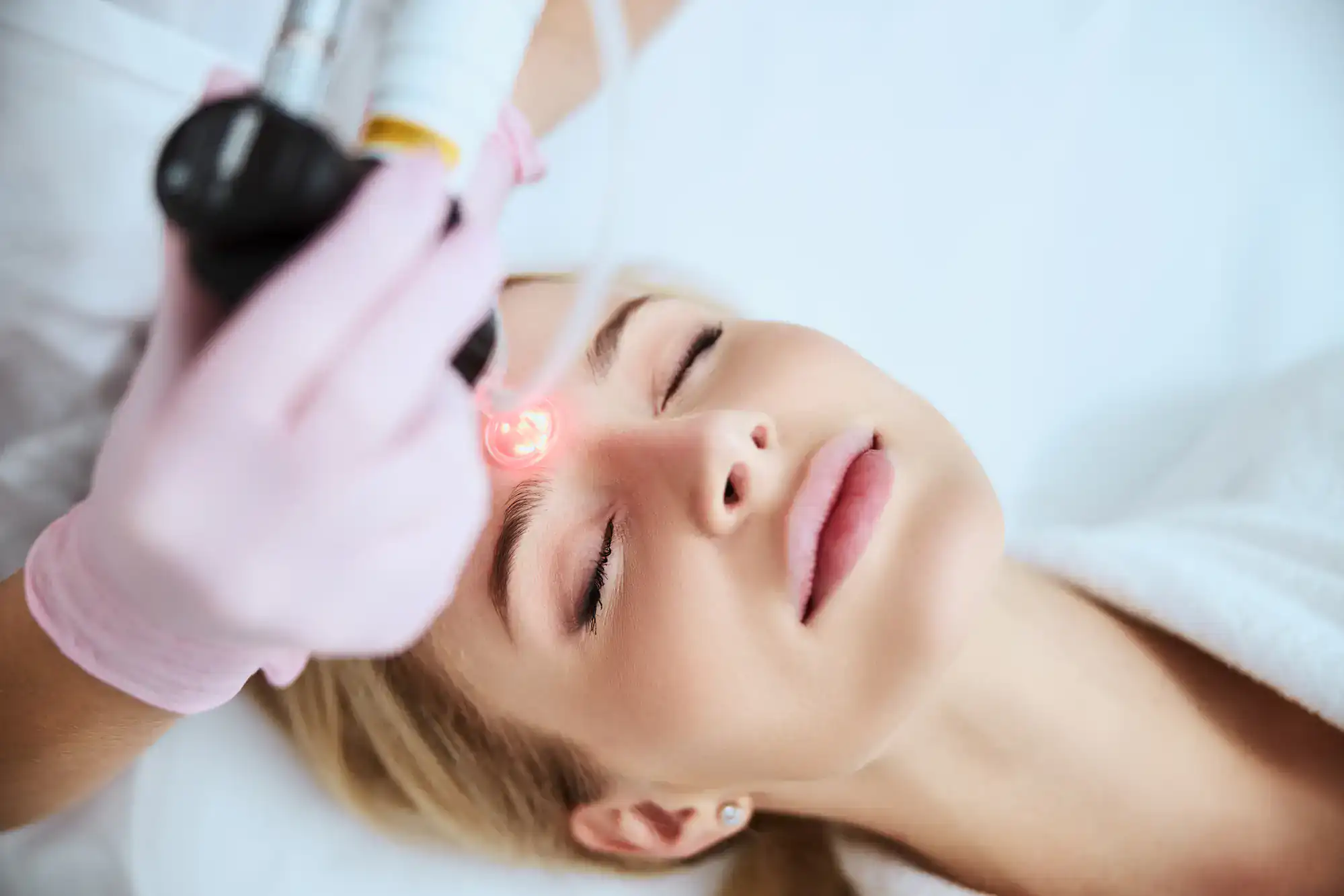
Laser Resurfacing Process Midland Beach
Your complimentary consultation comes first. We assess your skin type, discuss what’s bothering you, and determine whether you’re a candidate for ablative or non ablative laser resurfacing. Some people need more aggressive treatment. Others do better with gentler options that require less downtime.
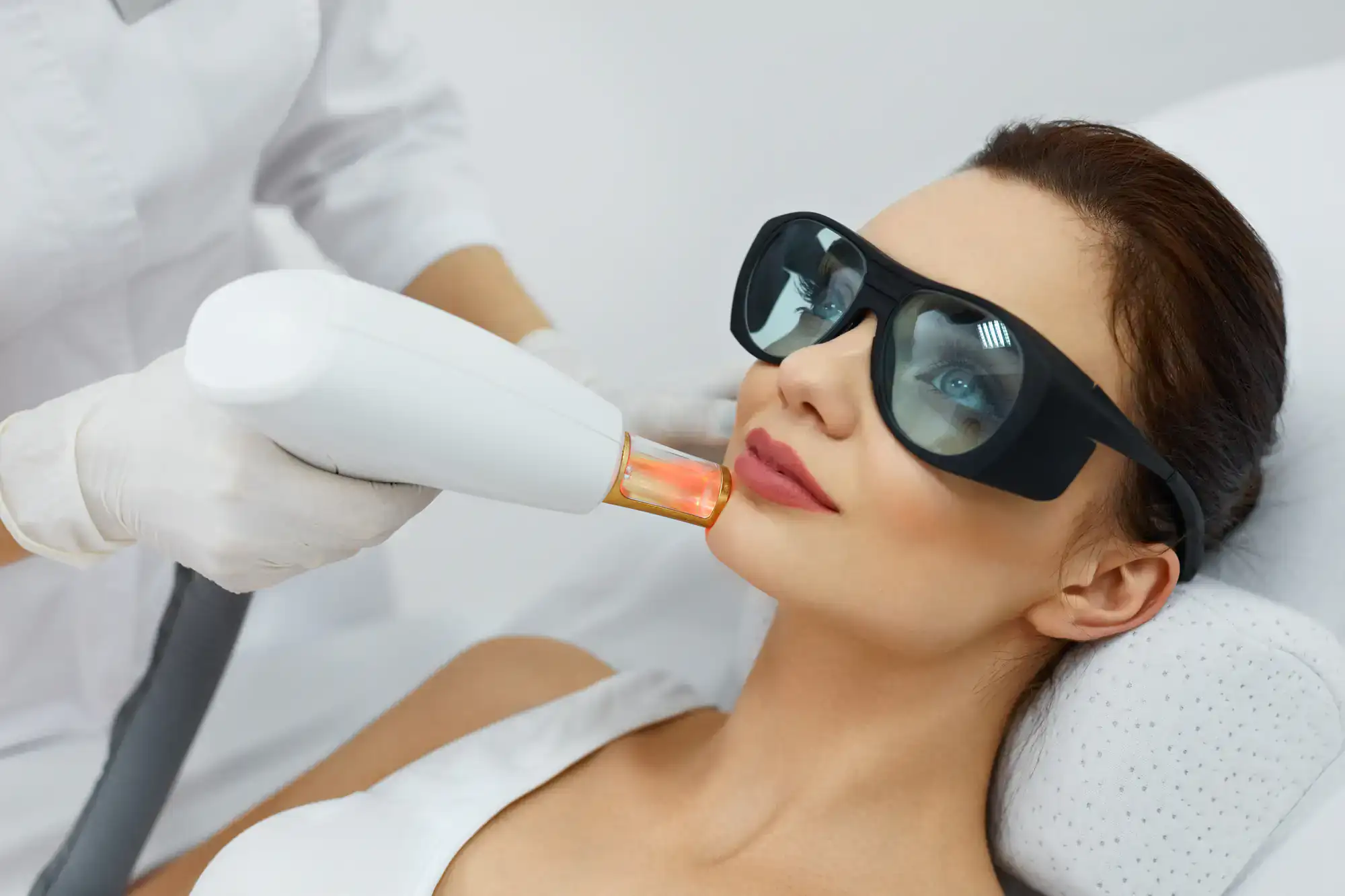
On treatment day, we cleanse your skin and apply a topical numbing cream. Most people describe the sensation as quick pinches or warm pulses—not comfortable, but manageable. The laser passes over treatment areas in a controlled pattern, targeting damaged tissue while leaving surrounding skin intact. That’s what “fractional” means—it treats a fraction of your skin at a time, which speeds healing.
Immediately after, your skin will be red and sensitive, similar to a moderate sunburn. Swelling peaks around day two or three. Depending on the intensity level, you might see some flaking or peeling as old skin sheds and fresh tissue surfaces. We give you specific aftercare instructions—gentle cleansers, healing ointments, sun protection.
Most people are back to normal activities within five to seven days for non ablative treatments. More aggressive laser resurfacing for acne scars or deep wrinkles might keep you home for ten to fourteen days. We’re upfront about that timeline during your consultation so you can plan accordingly.
Ready to get started?
Laser Skin Rejuvenation Midland Beach
Every laser resurfacing treatment in Midland Beach, NY includes your initial consultation, the procedure itself, post-treatment skincare guidance, and a two-week follow-up visit. If minor adjustments are needed during that follow-up, we handle it—no additional charge.
You’ll also get access to medical-grade skincare recommendations. Laser treatment works best when paired with the right at-home routine. We’re not trying to upsell you on products—we’re making sure your results last as long as possible.
Staten Island’s coastal climate means higher humidity and salt air exposure. That can actually benefit healing in some ways, but it also means sun protection becomes non-negotiable. We factor in local weather patterns when timing your treatment. Fall and winter are ideal for laser resurfacing for wrinkles or texture concerns because you’re naturally spending less time in direct sun.
We participate in the Allē rewards program, and we offer specialized pricing for military members, nurses, and first responders. If cost is a concern, bring it up during your consultation. We’d rather have an honest conversation about what fits your budget than have you leave without the information you need.
Request a callback

How much does laser resurfacing cost in Midland Beach, NY?
Most treatments range between $1,000 and $2,500, depending on the area being treated and the type of laser used. Non ablative laser resurfacing typically costs less because it’s less intensive. Ablative treatments that address deeper wrinkles or significant scarring fall on the higher end.
We give you transparent pricing during your complimentary consultation. No hidden fees. No pressure to decide on the spot. You’ll know exactly what you’re paying for and why.
If you’re enrolled in the Allē rewards program, you can apply points toward your treatment. We also offer discounts for military, nurses, and first responders. Financing options are available if you’d prefer to spread payments over time.
What's the difference between ablative and non ablative laser resurfacing?
Ablative lasers remove the outer layer of skin entirely. They’re more aggressive, which means they deliver more dramatic results—but they also require more downtime. You’re looking at ten to fourteen days of redness, peeling, and social downtime. These work well for deep acne scars, severe sun damage, or pronounced wrinkles.
Non ablative laser resurfacing heats the tissue beneath your skin without removing the surface layer. Recovery is faster—usually five to seven days—but results are more gradual. You might need multiple sessions to achieve the same level of improvement you’d get from one ablative treatment.
The right choice depends on your skin concerns, your skin type, and how much downtime you can tolerate. During your consultation, we’ll walk through both options and recommend what makes sense for your situation. Some people combine treatments over time, starting with non ablative and progressing to ablative if needed.
How long does it take to see results from laser treatment for face concerns?
You’ll notice initial improvements within two to three weeks as redness fades and new skin surfaces. But the real transformation happens over the next three to five months as your body produces new collagen.
Texture smooths out first. Fine lines soften. Pigmentation evens out. The timeline varies depending on your age, skin quality, and how well you follow aftercare instructions. Younger skin tends to heal faster. Smokers heal slower.
Most patients find that results peak around the four-month mark and last anywhere from three to ten years. That range is wide because it depends on factors like sun exposure, skincare routine, and genetics. We see the longest-lasting results in people who protect their skin from UV damage and maintain a solid at-home regimen with medical-grade products.
Will laser resurfacing work on acne scars?
Yes, but the type of scarring matters. Laser resurfacing for acne scars works best on rolling scars and shallow boxcar scars—the kind that create uneven texture across your cheeks or forehead. The laser stimulates collagen production beneath the scar tissue, which helps fill in depressed areas over time.
Ice pick scars—those deep, narrow indentations—are harder to treat with lasers alone. We might recommend combining laser treatment with other modalities for those. Deep boxcar scars sometimes need more than one session to see significant improvement.
During your consultation, we’ll assess your scarring pattern and give you realistic expectations. Some scars improve by 50% to 75% after one to three sessions. Others need a more layered approach. We’re not going to promise you flawless skin if that’s not achievable—we’re going to tell you what’s actually possible based on your specific case.
Is laser skin resurfacing safe for all skin types?
Not all lasers are safe for all skin types, which is why working with experienced providers matters. Darker skin tones have higher melanin content, which means there’s greater risk of hyperpigmentation or uneven tone if the laser settings aren’t calibrated correctly.
Non ablative laser resurfacing tends to be safer for darker skin because it doesn’t remove the outer layer entirely. Ablative treatments can still work, but they require more conservative settings and careful monitoring during healing.
We assess your Fitzpatrick skin type during consultation and adjust our approach accordingly. If you have a history of keloid scarring, melasma, or hyperpigmentation, we need to know that upfront. It doesn’t necessarily disqualify you—it just changes how we plan your treatment. Board-certified oversight means we’re not guessing. We’re following established protocols that prioritize your safety alongside your results.
How do I prepare for laser resurfacing in Midland Beach, NY?
Two weeks before your appointment, stop using retinoids, exfoliating acids, and any prescription-strength skincare products unless we tell you otherwise. These can make your skin more sensitive and increase your risk of complications.
Avoid direct sun exposure and tanning beds for at least four weeks prior. If you have a tan—even a slight one—we’ll likely reschedule your treatment. Tanned skin has a higher risk of pigmentation issues post-laser.
If you have a history of cold sores, let us know. Laser treatment can trigger an outbreak, so we’ll prescribe an antiviral medication to take before and after your appointment. On the day of treatment, come with a clean face—no makeup, no moisturizer, no sunscreen. We’ll handle the rest.
Plan for downtime. Stock up on gentle cleansers, healing ointments, and broad-spectrum SPF 50 sunscreen. Arrange for someone to drive you home if we’re using deeper numbing methods. And clear your calendar for the first few days post-treatment—you’ll want to stay home while the initial redness and swelling settle.