Laser Resurfacing in Washington, NJ
Smoother Skin Without the Guesswork or Downtime
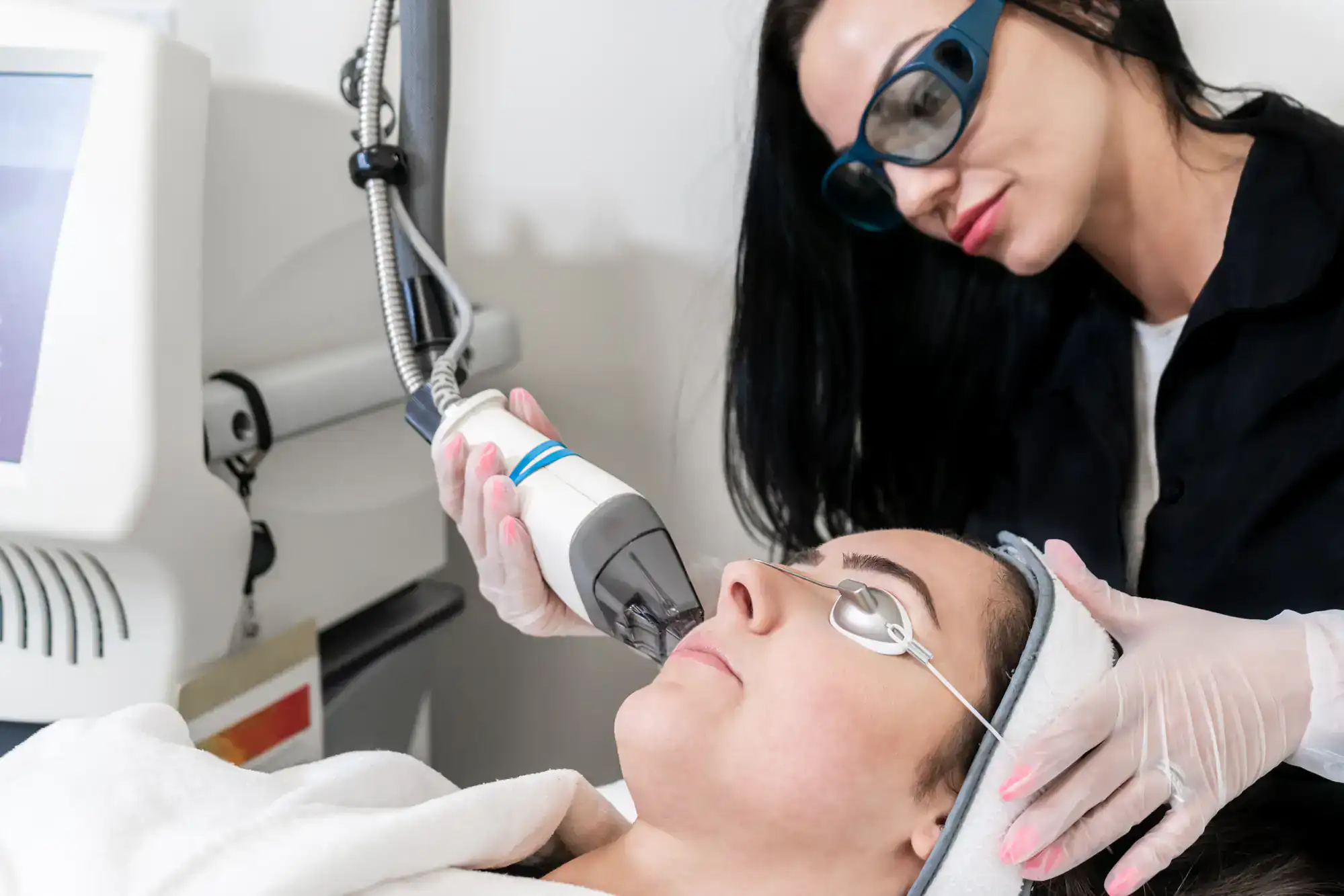
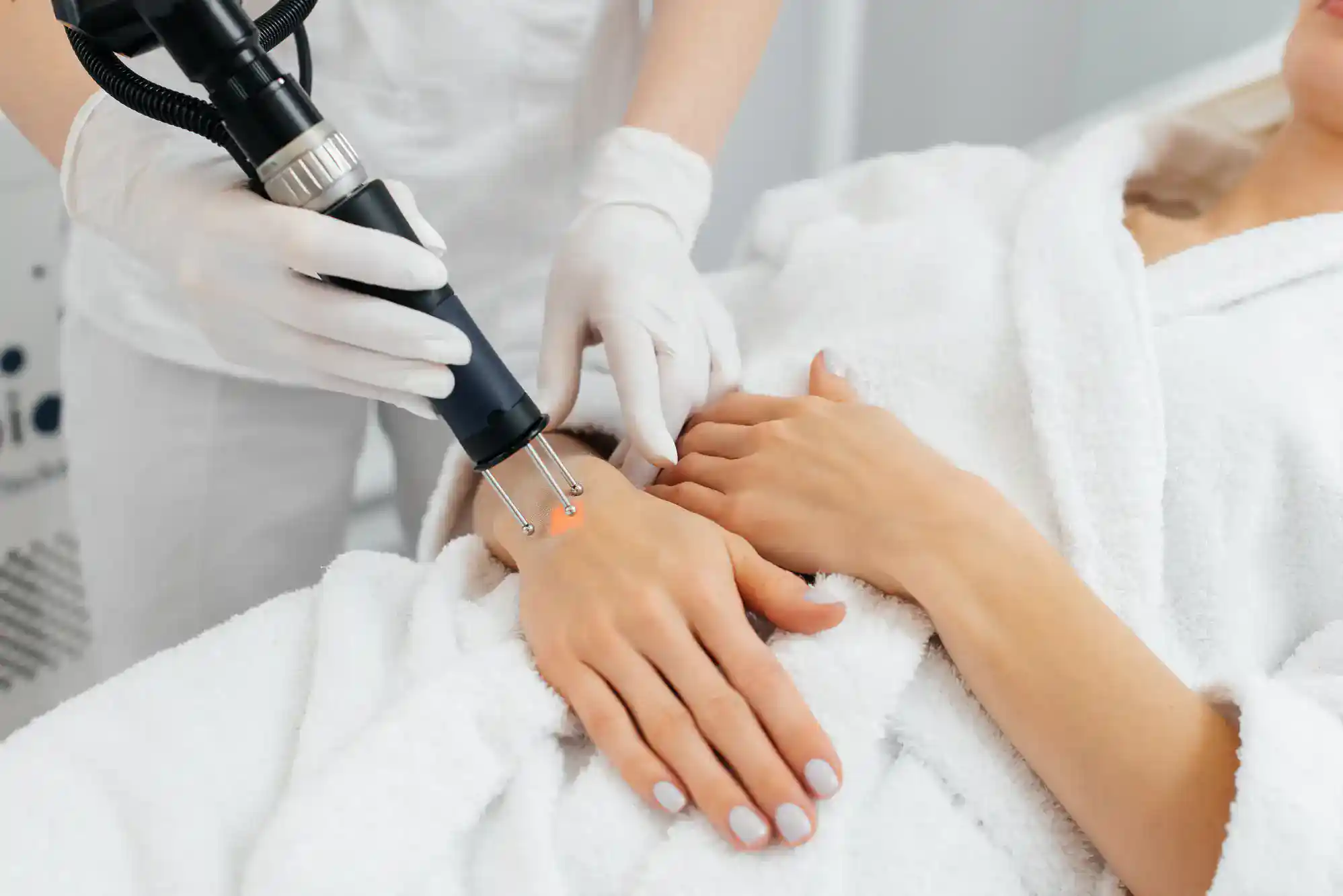
Laser Skin Resurfacing Washington Results
You’re not looking for a temporary fix. You want the texture issues, the acne scars, the fine lines that makeup can’t hide anymore—gone or at least significantly better. Laser resurfacing in Washington, NJ works by using concentrated light energy to remove damaged skin layers while triggering your body’s collagen production underneath.
That means the results you see aren’t just surface-level. Your skin rebuilds itself from within, improving texture, tone, and elasticity over time. Most people notice smoother skin within a week, but the real transformation happens over the next few months as collagen continues to regenerate.
This isn’t about erasing every imperfection. It’s about giving your skin the reset it needs so you’re not constantly covering up or second-guessing how you look in natural light. Whether you’re dealing with sun damage from years outdoors, acne scars that never fully healed, or early signs of aging you’d rather address now than later—laser treatment for face concerns gives you a measurable path forward.
Laser Resurfacing Near You in Washington
We operate under the leadership of a Board Certified Plastic Surgeon, which means every laser skin rejuvenation treatment in Washington is backed by medical-grade standards. You’re not walking into a spa where someone took a weekend course. You’re working with licensed, certified professionals who understand facial anatomy and how different skin types respond to laser energy.
We’re a platinum-level Allergan partner, a designation that reflects our commitment to safety, authenticity, and results. That status isn’t handed out—it’s earned through consistent excellence and adherence to the highest protocols in aesthetic medicine.
Washington, NJ clients appreciate that we don’t rush consultations or push treatments you don’t need. Every plan starts with a complimentary consultation where we assess your skin, discuss your concerns, and set realistic expectations based on your goals and lifestyle.
How Laser Resurfacing Works in Washington
Your first step is a consultation where we examine your skin type, discuss what’s bothering you, and determine whether laser resurfacing for wrinkles, acne scars, or pigmentation is the right move. Not everyone is a candidate, and we’ll tell you upfront if another treatment makes more sense.
If you move forward, we’ll map out a treatment plan based on depth and intensity. Non ablative laser resurfacing targets deeper layers without removing the surface, which means less downtime but may require multiple sessions. Ablative treatments remove the outer skin layer for more dramatic results but come with a longer recovery window—usually one to two weeks.
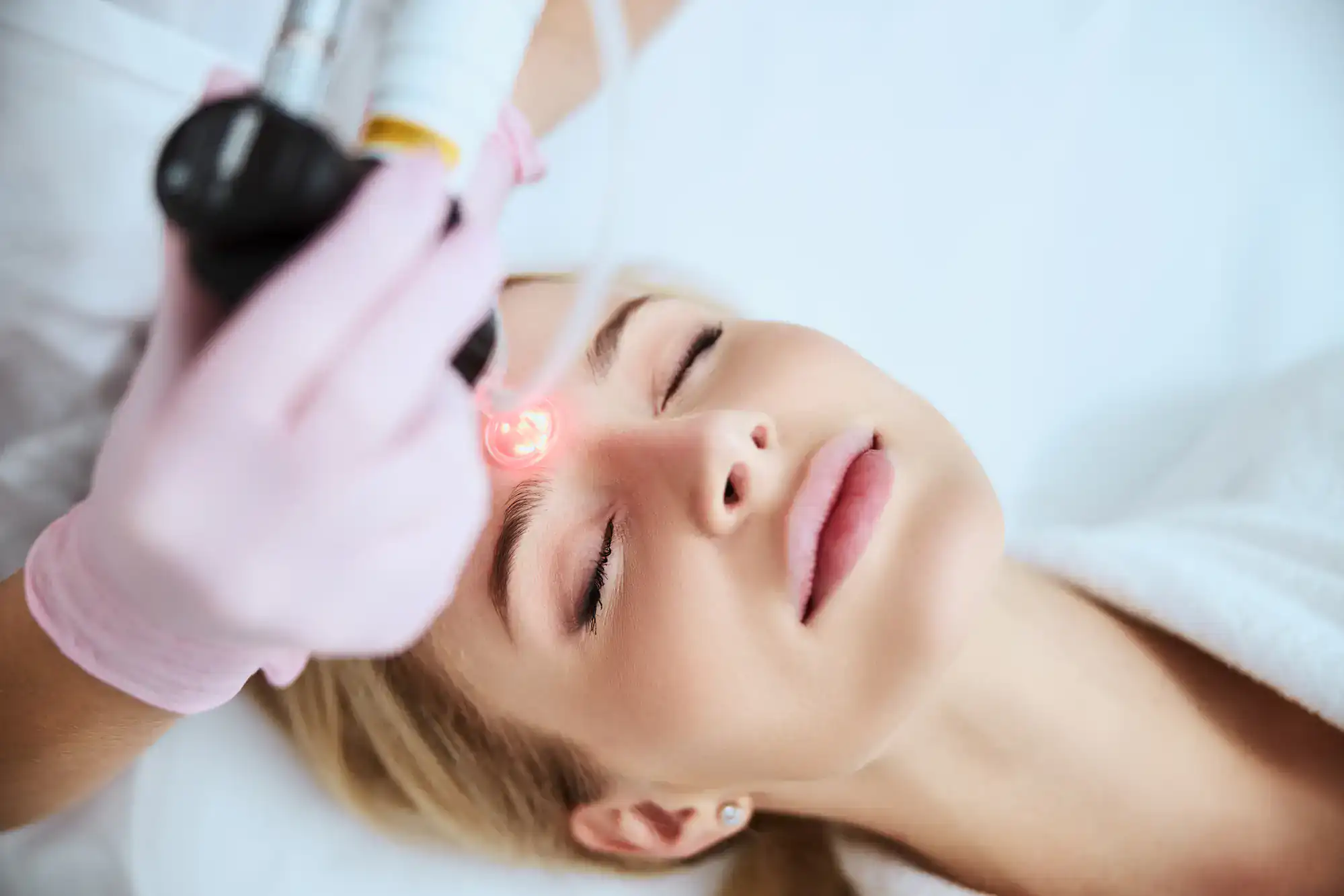
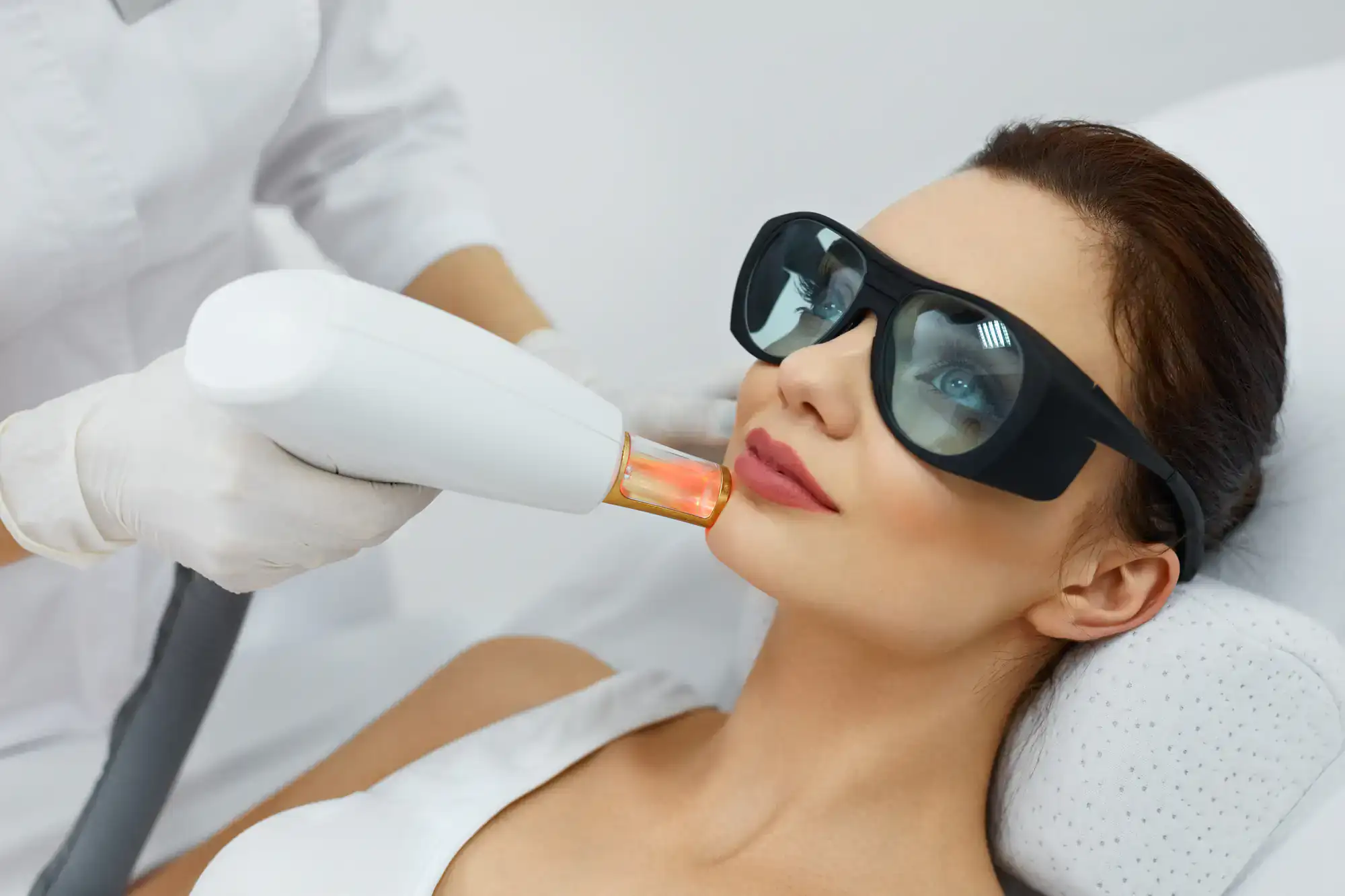
During the procedure, the laser creates controlled micro-injuries in your skin. This sounds intense, but it’s precise. Those micro-columns of treated tissue stimulate your body’s healing response, which is what drives collagen production and skin renewal.
After treatment, you’ll have redness and swelling—that’s normal. Your skin will feel tight and may peel as it heals. We’ll give you specific aftercare instructions, including which products to use and what to avoid. You’ll come back for a two-week follow-up so we can monitor your healing and address any concerns.
Ready to get started?
Laser Resurfacing for Acne Scars Washington
Every laser resurfacing treatment in Washington, NJ includes a complimentary consultation, the procedure itself, post-treatment care instructions, and a two-week follow-up appointment. If something doesn’t look right or you have questions during recovery, you’re not on your own.
We integrate medical-grade skincare into your plan because what you do after treatment matters just as much as the laser itself. The right products protect your results and help your skin heal faster. We’ll recommend specific formulations based on your skin type and treatment depth.
Washington residents dealing with stubborn acne scars often see the most dramatic improvement. Laser resurfacing for acne scars works by breaking down scar tissue and encouraging healthy skin regeneration in its place. It won’t erase every scar completely, but it can reduce depth and discoloration significantly—enough that you’re not reaching for concealer every morning.
If your primary concern is fine lines or sun damage, fractional laser technology allows us to target those areas without affecting surrounding tissue. That precision reduces recovery time and minimizes risk, which is why it’s become the preferred method for facial rejuvenation in our Washington practice.
Request a callback

How long does recovery take after laser skin resurfacing in Washington, NJ?
Recovery depends on treatment depth. Non ablative laser resurfacing typically involves minimal downtime—maybe a few days of redness and slight swelling. You can usually return to work within two to three days, though your skin may still look a bit pink.
Ablative treatments, which remove the outer skin layer, require more recovery time. Expect one to two weeks before your skin looks presentable without makeup. During that time, you’ll experience peeling, tightness, and sensitivity. It’s not painful, but it’s noticeable.
Most Washington, NJ clients schedule treatments around their work and social calendars. If you have an event coming up, plan your procedure at least three weeks out to be safe. Your skin continues improving for months after the initial healing period as collagen builds, so the timeline isn’t just about getting back to normal—it’s about watching your results develop over time.
Does laser resurfacing hurt, and what does the procedure feel like?
You’ll feel heat and a snapping sensation during the procedure, similar to a rubber band hitting your skin repeatedly. It’s not comfortable, but most people tolerate it without issue. We can apply a topical numbing cream beforehand to reduce discomfort.
The intensity depends on treatment depth. Lighter, non ablative sessions feel like mild sunburn during and after. Deeper ablative treatments involve more discomfort, both during the procedure and in the days following as your skin heals.
After treatment, your skin will feel tight, hot, and sensitive—like a moderate sunburn. Over-the-counter pain relievers usually handle any discomfort. The worst of it passes within the first 48 hours. By day three or four, you’re mostly dealing with tightness and peeling rather than actual pain.
What skin concerns can laser treatment for face address in Washington?
Laser resurfacing in Washington, NJ effectively treats fine lines, wrinkles, acne scars, sun damage, age spots, uneven skin tone, and rough texture. It works on the face, neck, chest, and hands—anywhere you have skin damage or signs of aging you want to address.
If you have deep acne scars, fractional laser technology can reduce their appearance by breaking down scar tissue and stimulating new collagen growth. You won’t see complete erasure, but the improvement is usually significant enough that scarring becomes far less noticeable.
For sun damage and pigmentation issues common among Washington residents who spend time outdoors, laser skin rejuvenation evens out tone and reduces dark spots. The treatment targets melanin clusters beneath the surface, breaking them apart so your body can clear them naturally. Results develop gradually as your skin heals and regenerates over the weeks following treatment.
How much does laser resurfacing cost, and is it covered by insurance?
Most insurance providers classify laser skin resurfacing as cosmetic, which means you’ll pay out of pocket. Cost varies based on treatment area, depth, and whether you need multiple sessions. During your complimentary consultation, we’ll give you transparent pricing based on your specific plan.
Non ablative treatments generally cost less per session but may require multiple appointments to achieve your desired results. Ablative resurfacing typically costs more upfront but delivers more dramatic improvement in a single treatment.
We participate in the Allē rewards program, which allows you to earn points on treatments and redeem them for future services. We also offer specialized discounts for military members, nurses, and first responders. If cost is a concern, bring it up during your consultation—we’d rather have an honest conversation about what fits your budget than have you walk away without exploring your options.
How long do results from laser resurfacing last in Washington, NJ?
Results can last several years, but that depends on your skin type, lifestyle, and how well you protect your skin afterward. Sun exposure is the biggest factor in how quickly results fade. If you’re not using sunscreen daily and avoiding excessive UV exposure, you’re working against your investment.
Collagen production continues for months after treatment, which means your skin keeps improving even after the initial healing period. Most Washington clients see peak results around the three to six-month mark. From there, results gradually diminish as natural aging continues, but you’re still ahead of where you would have been without treatment.
Maintenance matters. Pairing your laser treatment with medical-grade skincare and occasional follow-up sessions extends your results significantly. We’ll create a long-term plan during your consultation so you know what to expect beyond the first procedure and how to protect what you’ve achieved.
Can laser resurfacing work on all skin types and tones?
Laser resurfacing works on most skin types, but darker skin tones require extra caution. Certain lasers can cause hyperpigmentation or discoloration in people with more melanin. That doesn’t mean you’re not a candidate—it means we need to choose the right laser type and settings for your skin.
Non ablative fractional lasers tend to be safer for darker skin because they don’t remove the surface layer. We’ll assess your skin tone during consultation and recommend the approach that minimizes risk while still delivering results.
If you have very dark skin or a history of keloid scarring, we’ll have an honest conversation about whether laser resurfacing makes sense or if another treatment would serve you better. The goal is improvement, not complications. We’d rather refer you to an alternative than push a procedure that isn’t right for your skin type.