Laser Resurfacing in Woodrow, NY
Erase Years of Damage Without Looking Overdone
Laser Skin Resurfacing Near You
You’ve tried the creams. You’ve adjusted your routine. But sun damage, acne scars, and fine lines don’t fade with surface-level fixes—they need precision intervention that reaches deeper layers where real healing happens.
Laser resurfacing for wrinkles and scars works by creating controlled micro-injuries that trigger your skin’s natural repair process. Collagen production ramps up. Damaged cells get replaced. What you’re left with is smoother texture, even tone, and visibly firmer skin that doesn’t just look better in the mirror—it feels different when you touch it.
The results aren’t temporary. With proper skincare and sun protection, improvements from laser treatment for face concerns can last for years. You’re not covering up damage—you’re reversing it at a cellular level, which is why people notice you look rested and refreshed without being able to pinpoint exactly what changed.
Board-Certified Laser Resurfacing Woodrow, NY
Woodrow residents don’t settle for average—not in careers, not in homes, and definitely not in aesthetic treatments. You’re used to working with professionals who know what they’re doing, and laser skin rejuvenation in Woodrow, NY should be no different.
We operate under the oversight of a board-certified plastic surgeon, with licensed and certified injectors who understand facial anatomy, skin physiology, and how to customize treatment intensity based on your specific concerns. As a platinum-level Allergan partner, we meet the strictest standards for safety protocols, staff training, and authentic product sourcing—credentials that matter when someone’s pointing a medical-grade laser at your face.
Every treatment starts with a complimentary consultation where we assess your skin, discuss realistic outcomes, and map out a plan that fits your schedule. You’ll also get a two-week follow-up to ensure you’re healing properly and getting the results you expected. That level of care isn’t standard everywhere, but it should be.
Laser Resurfacing Process Woodrow, NY
Your consultation comes first. We examine your skin type, discuss what’s bothering you most—whether that’s acne scars, sun damage, or deep wrinkles—and determine which laser approach makes sense. Non ablative laser resurfacing works beneath the surface without removing outer layers, meaning less downtime. Fractional treatments target specific zones while leaving surrounding tissue intact, which speeds recovery.
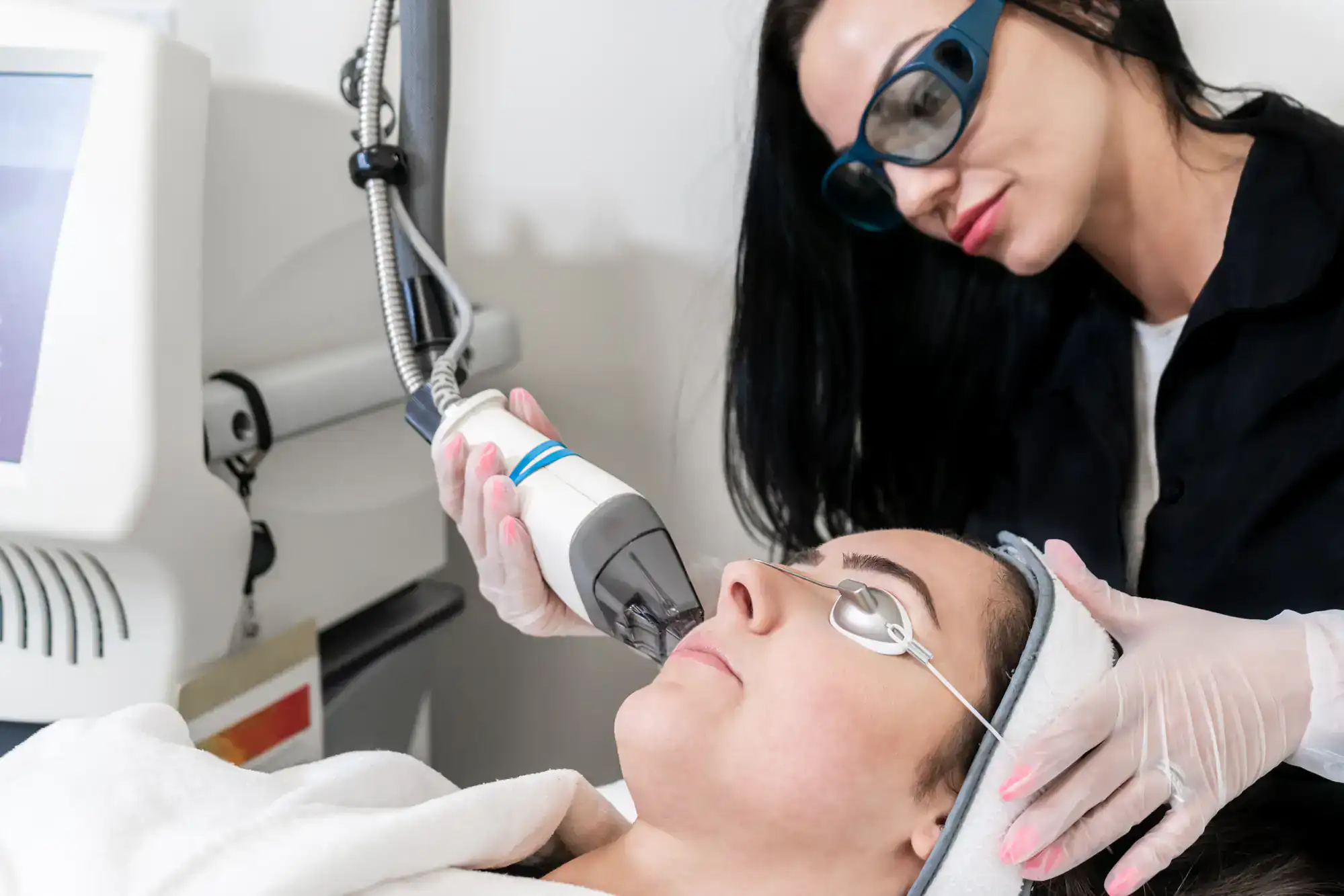
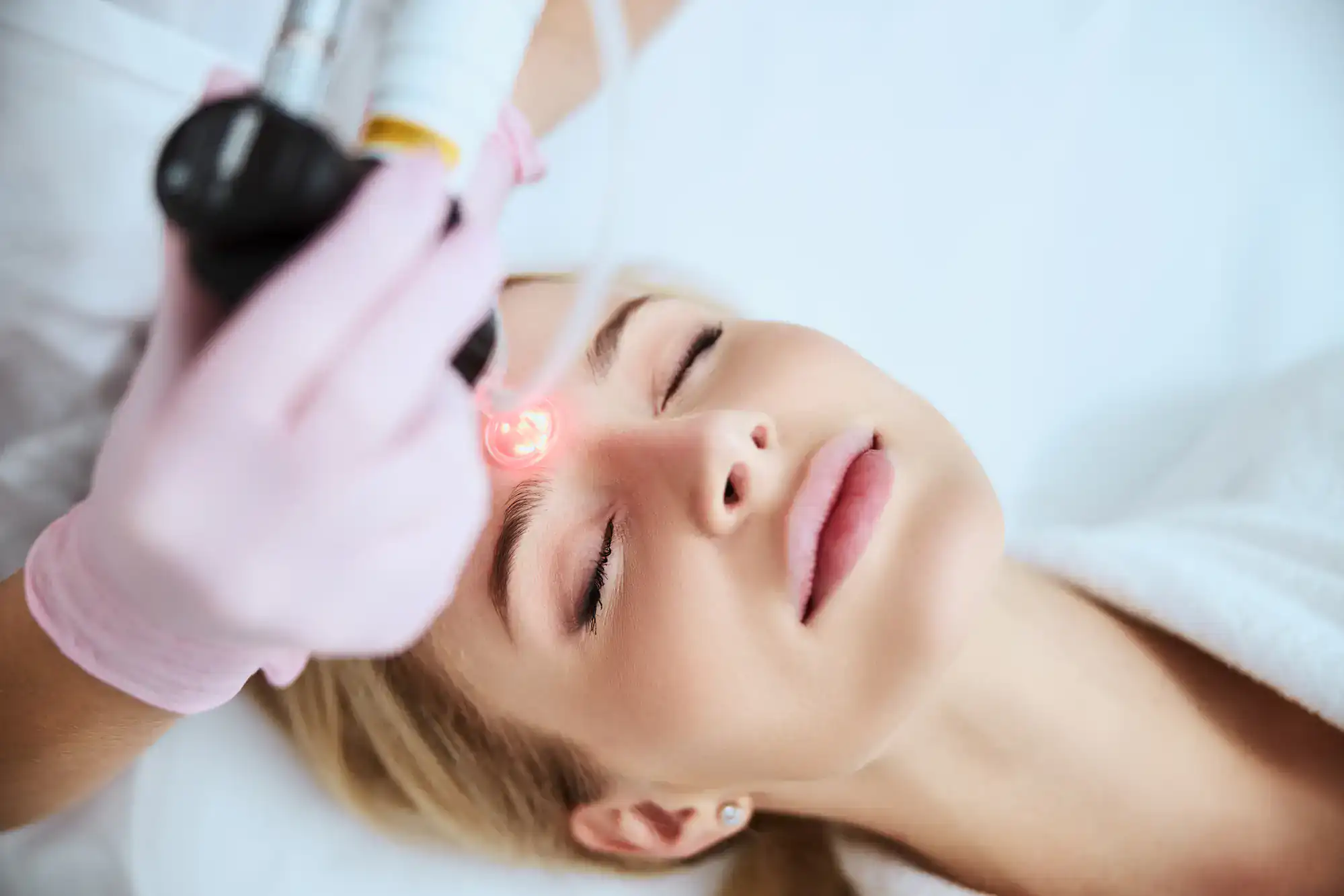
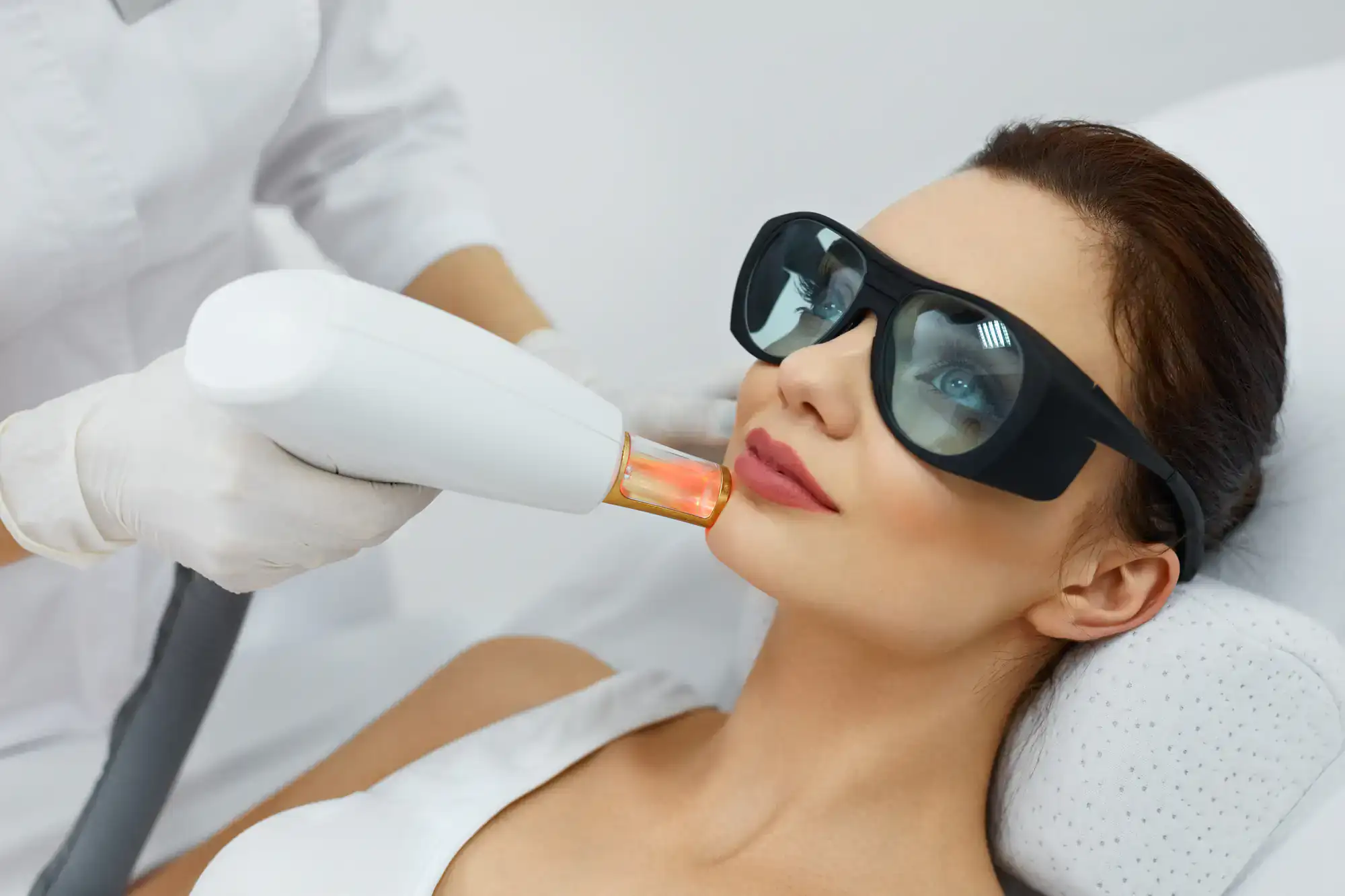
On treatment day, we apply a topical anesthetic if you’re concerned about discomfort. The laser itself delivers controlled energy pulses that feel warm, sometimes slightly prickly, but not unbearable. Session length depends on the area being treated—full face typically takes 30-45 minutes.
Immediately after, your skin will look red and feel warm, similar to a sunburn. That’s normal. Redness and mild swelling usually last 7-14 days, with surface peeling starting within the first week as damaged skin sheds. You’ll need to keep the area moisturized and avoid makeup initially, but most people return to regular activities within two weeks depending on treatment intensity.
Results start showing once initial healing completes, with continued improvement over the following months as collagen rebuilds. The two-week follow-up lets us assess progress and address any concerns before you’re fully healed.
Ready to get started?
Advanced Laser Treatments Woodrow, NY
Laser resurfacing for acne scars addresses textural irregularities that topical products can’t touch. The laser breaks down scar tissue while stimulating new collagen formation, gradually smoothing depressed areas and softening raised scars. It’s not an overnight fix, but it’s one of the few treatments that produces measurable improvement in scarring severity.
For wrinkles and sun damage, laser skin resurfacing in Woodrow, NY targets pigmentation irregularities, age spots, and fine lines by removing damaged outer layers and tightening underlying tissue. You’re essentially resetting your skin’s foundation, which is why results look natural rather than artificially “done.”
Given Woodrow’s demographics—busy professionals with disposable income who value quality over shortcuts—we customize treatment intensity to balance results with recovery time. Lower energy settings and shorter pulse durations allow you to return to work and social commitments sooner, while still achieving visible improvement. If you need more aggressive treatment for severe damage, we’ll map out a realistic timeline that accounts for extended healing.
We also combine laser treatments with medical-grade skincare to optimize and protect results long-term. Sun exposure is your biggest enemy post-treatment, and Woodrow residents spend time outdoors—whether that’s commuting, exercising, or just living life. We’ll set you up with products and habits that maintain what you’ve invested in.
Request a callback

How much does laser resurfacing cost in Woodrow, NY?
Pricing depends on treatment area, laser type, and intensity level. Full-face laser skin resurfacing typically ranges from $1,500 to $4,000 per session, while smaller targeted areas like around the eyes or mouth cost less.
Non ablative treatments generally sit on the lower end because they’re less invasive with shorter recovery, while deeper fractional resurfacing costs more due to the precision technology and longer-lasting results. Some concerns resolve in one session; others need multiple treatments spaced weeks apart.
During your complimentary consultation, we’ll assess your specific skin issues and give you transparent pricing based on what’s actually required—not an inflated estimate designed to upsell you later. We also participate in the Allē rewards program, which helps offset costs if you’re already using other aesthetic treatments. And if you’re military, a nurse, or a first responder, we offer specialized discounts because we believe those who serve the community deserve accessible care.
What's the difference between ablative and non ablative laser resurfacing?
Ablative lasers remove the outer layer of skin entirely, which produces dramatic results but requires longer recovery—sometimes two to three weeks of significant redness, oozing, and social downtime. Non ablative laser resurfacing heats underlying tissue without destroying the surface, meaning less visible healing but also more subtle results that build gradually.
Fractional technology splits the difference by treating only a fraction of skin in a targeted pattern, leaving surrounding tissue intact to speed healing. You get better results than fully non ablative approaches, but recovery is 40-50% shorter than traditional ablative methods.
Which one makes sense depends on your skin concerns, your tolerance for downtime, and how aggressive you want to be. If you’re dealing with deep wrinkles, severe sun damage, or pronounced acne scars, ablative or fractional treatments usually deliver better outcomes. If you’re targeting early signs of aging or mild texture issues and can’t take two weeks off from life, non ablative might be the smarter starting point. We’ll walk through options during your consultation based on what your skin actually needs.
How long does it take to recover from laser treatment for face concerns?
Initial recovery typically takes about two weeks, but that timeline shifts based on treatment intensity. Non ablative laser skin rejuvenation might leave you red for just a few days, while deeper fractional resurfacing can mean 10-14 days of visible healing with peeling and flaking.
Your skin will feel hot and look flushed immediately after treatment. Swelling peaks around day two or three, then gradually subsides. Surface peeling usually starts within a week as damaged skin sheds—don’t pick at it, just keep the area moisturized and let it fall off naturally.
You’ll need to avoid direct sun exposure for several weeks, and your skin will remain more sensitive to UV damage for up to a year post-treatment. That means daily sunscreen isn’t optional—it’s mandatory if you want results to last. Most people return to work and regular activities within two weeks, though you might still have some residual pinkness that’s easily covered with makeup. Full results continue developing for three to six months as collagen remodeling completes, so patience pays off.
Does laser resurfacing hurt, and what does it feel like?
Discomfort varies by individual pain tolerance and treatment type. Most people describe the sensation as warm pinpricks or a rubber band snapping against skin—not pleasant, but not unbearable either. We apply topical anesthetic beforehand if you’re concerned, which significantly dulls any discomfort during the procedure.
Non ablative treatments tend to feel milder because they’re not removing surface layers. Ablative and fractional approaches penetrate deeper, so you’ll feel more heat and intensity, but the numbing cream keeps it manageable for most patients.
After treatment, your skin will feel like a moderate sunburn for the first 24-48 hours—tight, warm, and sensitive to touch. Keeping the area moisturized and cool helps. Any real pain usually subsides within a few days, replaced by itching and tightness as healing progresses. If you’re someone who gets anxious about discomfort, we’ll talk through pain management options during your consultation so you know exactly what to expect and how we’ll keep you comfortable throughout the process.
Can laser resurfacing remove deep acne scars completely?
Complete removal isn’t realistic for most deep acne scars, but significant improvement absolutely is. Laser resurfacing for acne scars works by breaking down scar tissue and stimulating collagen production, which gradually fills in depressed areas and smooths texture. Depending on scar severity, you might see 50-80% improvement over multiple sessions.
Boxcar and rolling scars tend to respond better than ice pick scars, which are narrower and deeper. For those, we might recommend combining laser treatment with other techniques like subcision or dermal fillers to achieve better results.
Realistic expectations matter here. If you’re hoping for completely flawless skin after one session, you’ll be disappointed. But if you’re tired of texture that’s visible even under makeup, and you want smoother skin that doesn’t require constant concealing, laser resurfacing can get you there. We’ll assess your specific scarring during the consultation and give you an honest evaluation of what’s achievable, how many sessions you’ll likely need, and what the timeline looks like. No exaggerated promises—just real talk about what the technology can and can’t do for your skin.
Is there anyone who shouldn't get laser skin resurfacing?
Certain skin types and medical conditions increase risk of complications. Darker skin tones have higher risk of hyperpigmentation changes with some laser types, though newer fractional technologies have made treatment safer across a broader range of skin tones. We assess your Fitzpatrick skin type during consultation to determine which lasers are appropriate.
If you have active acne, infections, or inflammatory skin conditions in the treatment area, you’ll need to address those first. Same goes for recent isotretinoin use—most practitioners want you off Accutane for at least six months before laser resurfacing because it affects healing capacity.
Pregnancy and breastfeeding are also contraindications, along with certain autoimmune disorders or medications that impair wound healing. If you have a history of keloid scarring, we’ll discuss whether the benefits outweigh the risks, since laser resurfacing creates controlled injuries that could potentially trigger abnormal scar formation. This is why the consultation matters—we’re not just trying to book appointments. We’re making sure laser treatment for face concerns is actually safe and appropriate for your specific situation before moving forward.