Sculptra Injection in Cliffside Park, NJ
Collagen That Builds Itself Back Over Time


Sculptra Treatment Cliffside Park, NJ
By 40, you’ve already lost about 20% of your facial collagen. That’s not vanity talking—that’s biology. The hollowing around your cheeks, the deeper lines near your mouth, the tired look that sleep doesn’t fix anymore. Those are signs your collagen supply is dropping, and no amount of moisturizer is going to rebuild what’s gone.
Sculptra filler in Cliffside Park, NJ works differently than traditional fillers. Instead of just filling space, it triggers your skin to produce new collagen over time. The poly-L-lactic acid in Sculptra acts as a biostimulator, waking up the collagen-building process your body has slowed down. You’re not masking the problem. You’re addressing what’s actually causing it.
Results show up gradually over a few months, which means no one’s going to ask what you had done. They’ll just notice you look rested. And because you’re rebuilding your own collagen, those results stick around for two years or more. That’s fewer appointments, less maintenance, and a better long-term investment than treatments that fade in three months.
Board Certified Sculptra Provider Cliffside Park
We’re led by a Board Certified Plastic Surgeon and staffed by certified, licensed injectors who understand facial anatomy at a medical level. Every Sculptra collagen stimulation treatment is overseen with precision, and every client gets a complimentary consultation before anything happens.
Cliffside Park has a median household income near $95,000 and a population that values quality over shortcuts. You’re not looking for cheap injectables from someone who took a weekend course. You want real expertise, authentic products, and a provider who’s going to be here next year when you come back for your follow-up.
We’re a Platinum-level Allergan partner, which means our Sculptra comes directly from the manufacturer—no counterfeit risk, no diluted product, no guessing. You also get a two-week follow-up with a complimentary touch-up if needed, because we don’t consider the job done until you’re satisfied.
Sculptra Collagen Building Process Cliffside Park
You’ll start with a consultation where we assess your facial volume loss and map out a treatment plan. Most people need 2-3 sessions spaced about a month apart, depending on how much collagen you’ve lost and where you want volume restored. Common areas include the cheeks, temples, nasolabial folds, marionette lines, and jawline.
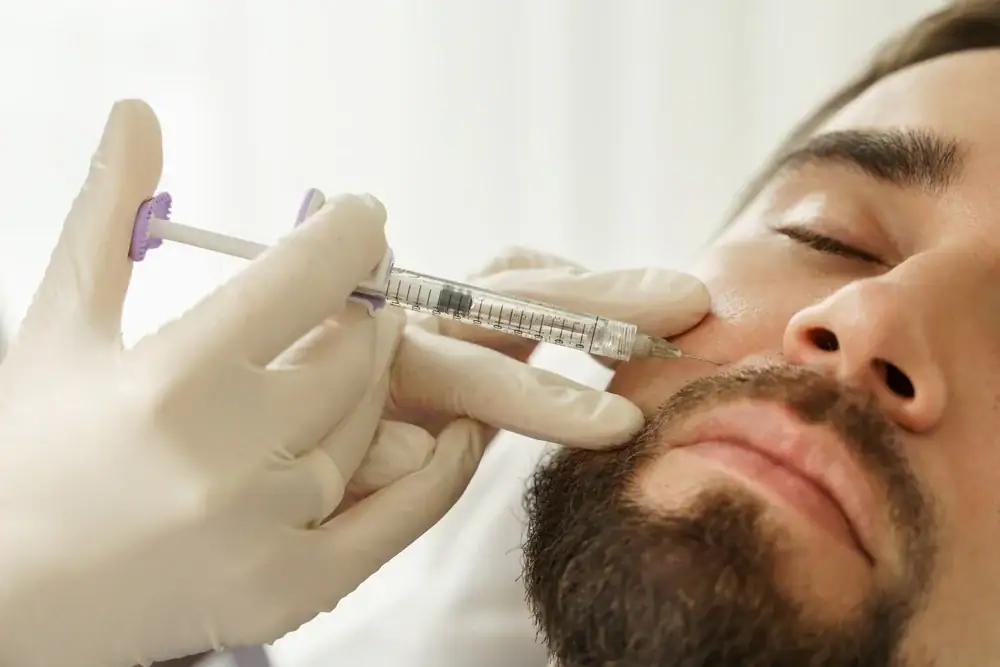
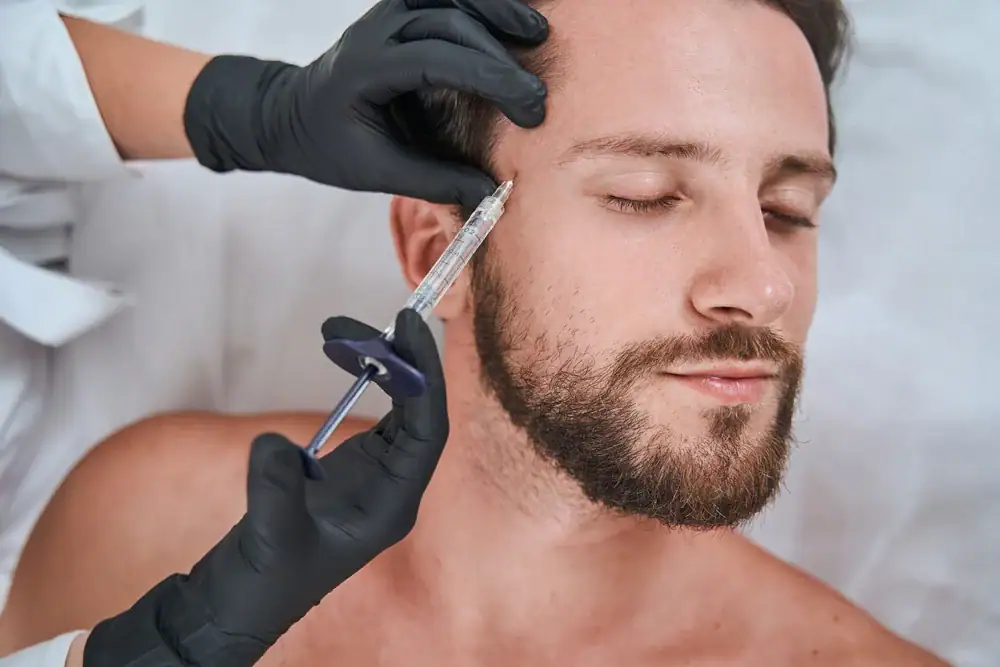
During the treatment, Sculptra is injected beneath the skin in targeted areas. The appointment takes 20 to 30 minutes. There’s no downtime that’s going to keep you out of work, though you might have minor swelling or bruising for a day or two. You’ll massage the treated areas for a few days afterward to help distribute the product evenly.
Results don’t show up overnight. Sculptra collagen boost happens gradually as your body responds to the poly-L-lactic acid and starts producing new collagen. You’ll start noticing subtle improvements around 4-6 weeks, with full results visible after a few months. That timeline works in your favor—no one’s going to point at your face and ask what changed. They’ll just think you’ve been taking better care of yourself.
The collagen you build lasts up to two years or longer, which is significantly more durable than hyaluronic acid fillers that dissolve in 6-12 months. Fewer appointments. Less maintenance. Better value over time.
Ready to get started?
Sculptra Skin Tightening Cliffside Park, NJ
Sculptra isn’t just about filling wrinkles. It’s about restoring the structural support your face has lost as collagen production slows down. When you rebuild that foundation, your skin tightens, your contours improve, and your face looks fuller without looking overdone.
Cliffside Park residents tend to be professionals in their 40s, 50s, and 60s who want to look refreshed but not frozen. You’re not trying to look 25 again—you’re trying to look like the best version of yourself right now. Sculptra delivers that by working with your biology, not against it.
Each vial of Sculptra costs between $700 and $1,000, and most treatment plans run around $2,100 total. That might sound steep until you compare it to the cost of maintaining Botox every three months or replacing hyaluronic fillers twice a year. Sculptra’s longevity makes it more cost-effective in the long run, especially if you’re tired of being on a constant maintenance schedule.
You’ll also get access to the Allē rewards program, which lets you earn points on treatments and redeem them for future services. We offer discounts for military, nurses, first responders, and new clients. And because we’re a medical-grade facility with transparent pricing, there are no surprise fees or upsells during your appointment.
How long does Sculptra injection in Cliffside Park, NJ actually last?
Sculptra results last up to two years or longer, depending on your age, skin condition, and how your body responds to the treatment. That’s significantly longer than hyaluronic acid fillers like Juvederm or Restylane, which typically last 6-12 months before you need a touch-up.
The reason Sculptra lasts longer is because it’s not just sitting under your skin as filler material. It’s stimulating your body to produce new collagen, which integrates into your tissue and provides structural support. Once that collagen is built, it doesn’t disappear overnight.
Most people come back for maintenance after 18-24 months, but some stretch it even longer. The key is that you’re not locked into a quarterly appointment cycle like you are with other injectables.
Is Sculptra filler in Cliffside Park, NJ safe for all skin types?
Yes. Sculptra is FDA-approved and made from poly-L-lactic acid, which is biocompatible and has been used in medical sutures for decades. It doesn’t require allergy testing, and it works on all skin types and tones without increased risk of complications.
That said, you still need to be treated by someone who understands facial anatomy and injection technique. Poor placement or improper dilution can cause lumps or uneven results, which is why working with a Board Certified provider matters. At House of Ness, every treatment is overseen by a Board Certified Plastic Surgeon, so you’re not rolling the dice with someone who learned injectables from a weekend seminar.
If you have an active skin infection, autoimmune condition, or history of keloid scarring, you’ll need to discuss that during your consultation. But for most people, Sculptra is a low-risk option with a strong safety profile.
What's the difference between Sculptra and regular dermal fillers?
Regular dermal fillers like Juvederm and Restylane are made from hyaluronic acid, which adds immediate volume by filling space under your skin. They work fast, but they also break down fast—usually within 6-12 months. Sculptra is a biostimulator, not a filler in the traditional sense. It doesn’t add volume right away. Instead, it triggers your body to produce new collagen over time.
That means Sculptra results are gradual and subtle, which is ideal if you don’t want an obvious overnight change. It also means the results last longer because you’re rebuilding your own tissue, not just injecting temporary filler material.
Sculptra is better for overall facial volume loss and skin laxity, while hyaluronic fillers are better for targeted areas like lips or deep static wrinkles. Some people use both—Sculptra for foundational volume and hyaluronic acid for specific touch-ups. Your provider can help you figure out what combination makes sense for your goals.
How much does Sculptra treatment in Cliffside Park, NJ cost?
Sculptra costs between $700 and $1,000 per vial, and most people need 2-3 vials spread across multiple sessions. That puts the total treatment cost around $2,100 on average. It’s not cheap, but it’s also not as expensive as it sounds when you factor in how long it lasts.
If you’re currently getting Botox every three months at $400-$600 per session, you’re spending $1,600-$2,400 per year just to maintain results. Sculptra lasts two years or more, so the cost per year is actually lower than most other injectables when you do the math.
We also participate in the Allē rewards program, which lets you earn points on every treatment and redeem them for future services. We offer discounts for military, nurses, first responders, and new clients. And because we’re transparent with pricing, you’ll know exactly what you’re paying before you sit down for treatment.
Does Sculptra collagen stimulation hurt during the injection process?
Most people describe Sculptra injections as uncomfortable but not painful. The needles are small, and the treatment only takes 20-30 minutes. Some areas of the face are more sensitive than others—temples and areas near bone tend to be more tender—but it’s manageable.
We use a topical numbing cream before the injections, and Sculptra itself is often mixed with lidocaine to reduce discomfort during the procedure. You might feel pressure or a slight pinch, but it’s not the kind of pain that’s going to make you regret showing up.
After the treatment, you might have minor swelling, bruising, or tenderness for a day or two. That’s normal and usually resolves quickly. You’ll need to massage the treated areas for about five minutes, five times a day, for five days after each session. That helps distribute the product evenly and reduces the risk of lumps forming under the skin.
Can I combine Sculptra with Botox or other treatments?
Yes. Sculptra and Botox target different issues, so they work well together. Botox relaxes the muscles that cause dynamic wrinkles—like crow’s feet and forehead lines—while Sculptra rebuilds collagen to restore volume and improve skin texture. Combining them gives you a more comprehensive result.
You can also pair Sculptra with medical-grade skincare, laser treatments, or other injectables depending on your goals. We take a holistic approach and build treatment plans that address multiple layers of aging, not just one isolated concern.
The key is timing and coordination. Your provider will map out a schedule that makes sense for your face and your budget, so you’re not overloading your skin or wasting money on treatments that don’t complement each other. That’s the advantage of working with a team that understands how different modalities interact.