Chemical Peel in Glen Rock, NJ
Clearer Skin Without the Guesswork or Downtime
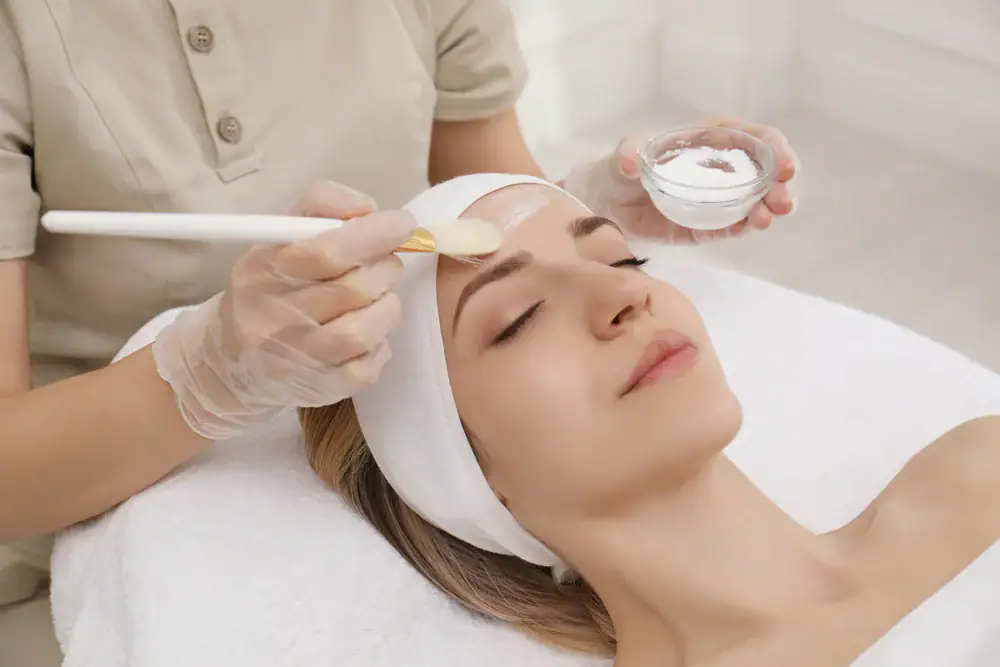
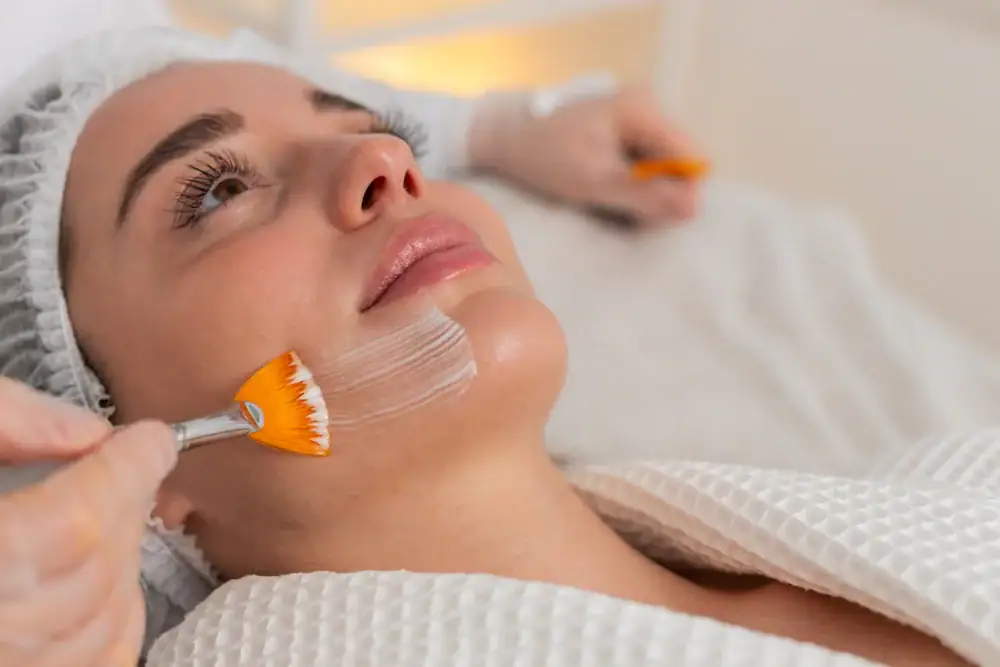
Chemical Face Peel Results Glen Rock
You’re not looking for a miracle. You want visible improvement without weeks of recovery or wondering if you picked the right place.
A chemical peel in Glen Rock, NJ removes damaged outer layers so fresher, smoother skin can surface. That means fewer acne scars, less visible sun damage, and a more even tone. Most people see results after one session, though deeper concerns might need a series spaced a few weeks apart.
The difference between a good peel and a bad one comes down to who’s doing it and what they’re using. Medical-grade formulations penetrate deeper than anything you’ll find at a drugstore. When a board-certified plastic surgeon oversees your treatment, you’re getting precision—not a one-size-fits-all approach that leaves your face red and irritated for no reason.
Your skin will peel for a few days. That’s normal. What’s not normal is being left in the dark about what to expect or how to care for your skin afterward. You’ll know exactly what’s happening at every stage.
Board-Certified Chemical Peel Glen Rock
House of Ness is led by a board-certified plastic surgeon and staffed by certified, licensed injectors. That’s not marketing language—it’s the standard of care you should expect but don’t always get at med spas.
We’ve built our reputation in Glen Rock, NJ and the surrounding Bergen County area by doing one thing consistently: treating your skin like it matters. Every chemical skin peel starts with a complimentary consultation where we assess your skin type, concerns, and goals. Two weeks later, you come back for a follow-up to make sure everything’s healing as expected.
We’re a platinum-level Allergan partner, which means we use SkinMedica peels—the same company that makes Botox. That’s the level of product quality and oversight we’re working with. You’re not getting mystery ingredients mixed in a back room.
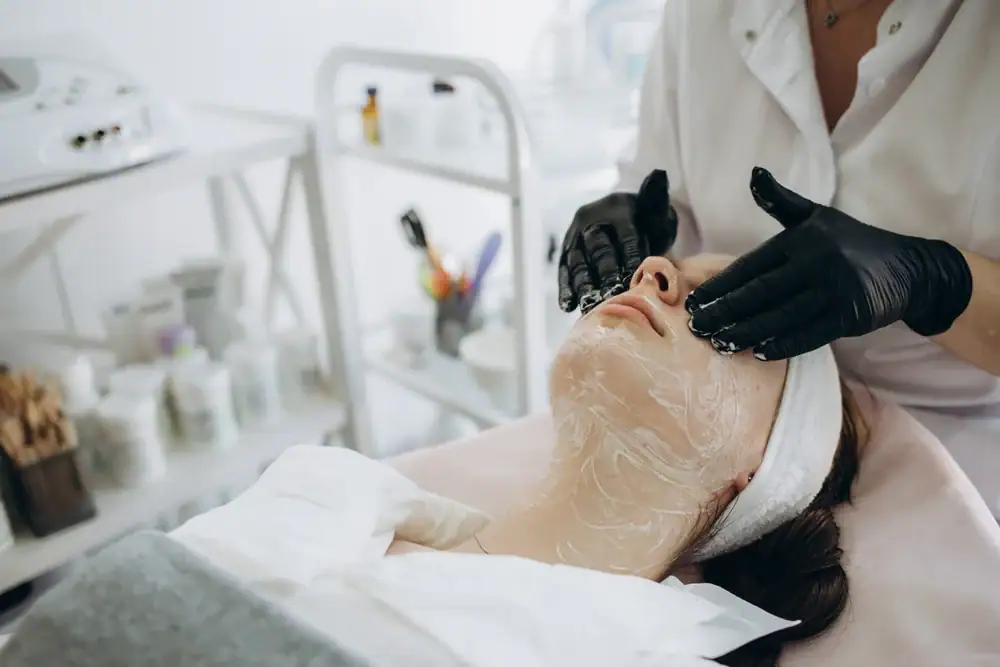
Face Peeling Treatment Process Glen Rock
First, we sit down and talk. You’ll meet with one of our licensed providers to go over your skin concerns—whether that’s acne scarring, fine lines, pigmentation, or rough texture. We’ll look at your skin type and recommend the right depth of peel. Light peels work for surface-level issues. Medium peels go deeper for more stubborn damage.
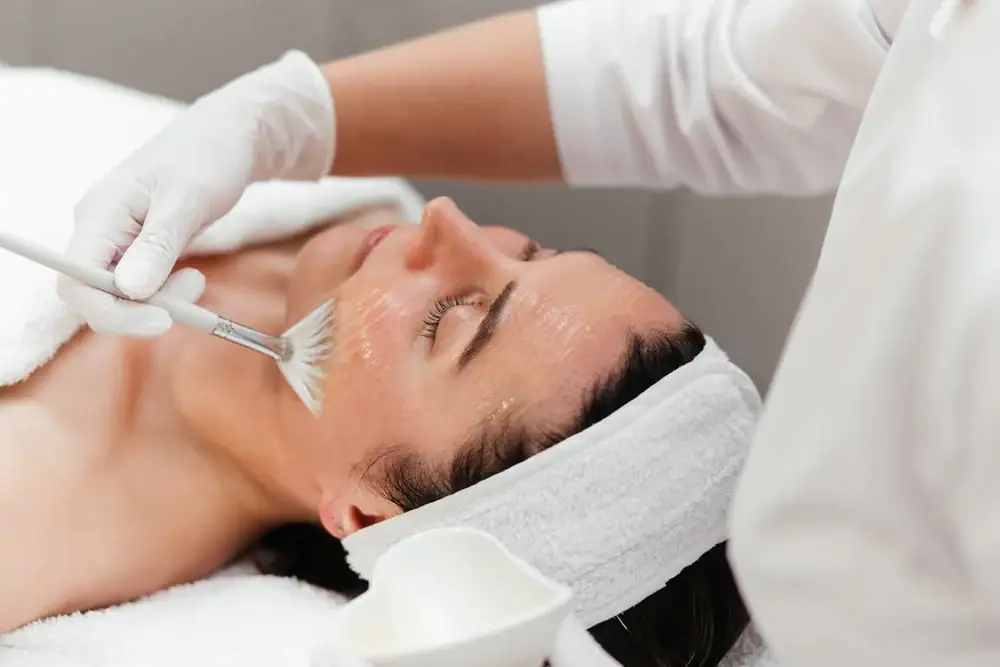
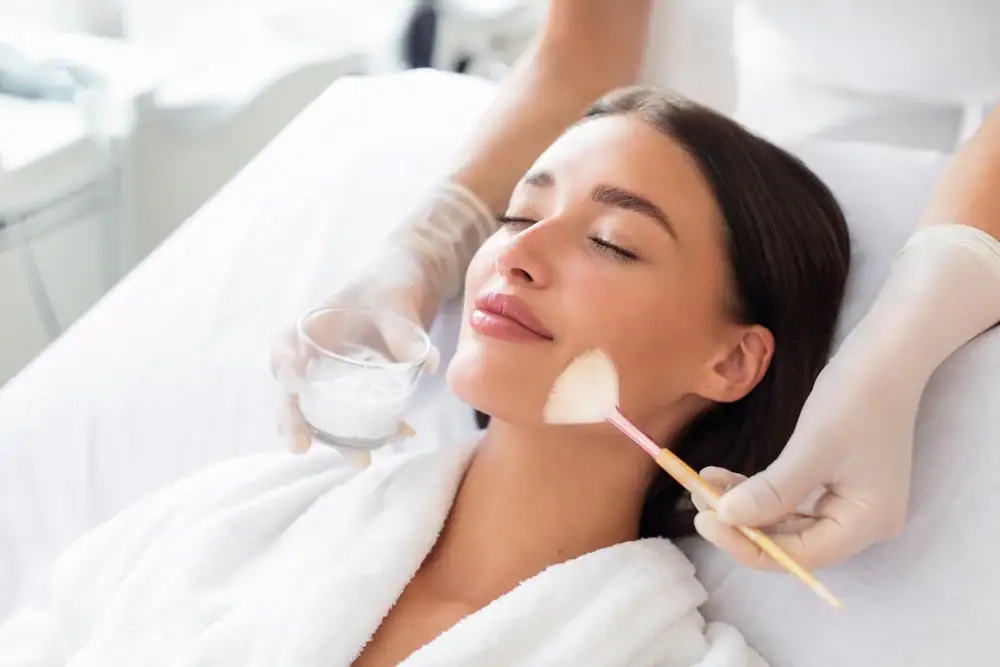
On treatment day, your skin gets cleansed and prepped. The chemical solution is applied evenly across the treatment area and left on for a specific amount of time based on your skin’s needs. You might feel a slight tingling or warmth—that’s the peel working. Once it’s neutralized and removed, we apply a soothing treatment to calm your skin.
Over the next few days, your skin will start to peel. Don’t pick at it. Let it shed naturally while you follow the aftercare routine we give you. Within a week, you’ll see smoother, brighter skin underneath. Two weeks post-treatment, you’ll come back in so we can check your progress and make sure you’re healing the way you should.
This isn’t a mystery process. You’ll know what to expect before, during, and after.
Ready to get started?
Glycolic Chemical Peel Options Glen Rock
Every chemical peel at House of Ness includes a complimentary consultation, the treatment itself, post-care instructions, and a two-week follow-up. If a touch-up is needed, it’s included. No surprise fees.
We use medical-grade peels from SkinMedica, formulated with glycolic acid, lactic acid, and other alpha-hydroxy acids that actually penetrate the skin. These aren’t the same as over-the-counter exfoliants. They’re stronger, more effective, and require professional oversight to use safely.
Glen Rock residents deal with the same environmental stressors as the rest of Bergen County—sun exposure, seasonal dryness, and the wear that comes with commuting and outdoor activity. A non surgical chemical peel addresses that accumulated damage without requiring time off work or a lengthy recovery. Most people schedule their peel on a Friday and are back to normal by the following week.
You’ll also get access to our medical-grade skincare recommendations to protect and extend your results. We’re not trying to upsell you—we’re making sure the work we do lasts. And if you’re already an Allē rewards member, your treatment earns points toward future services.
How long does it take to see results from a chemical peel?
You’ll notice a difference within a week. That’s when the peeling process finishes and the new skin underneath is fully visible.
The timeline depends on the depth of your peel. Light peels improve texture and tone quickly, usually within five to seven days. Medium peels take a bit longer—up to two weeks—because they penetrate deeper and require more healing time. Your skin will look red and feel tight for the first few days, then start to flake and peel. Once that’s done, you’re left with smoother, clearer skin.
If you’re treating deeper concerns like acne scars or significant sun damage, one session might not be enough. Most people need a series of three to six treatments spaced several weeks apart to see the full effect. We’ll map that out during your consultation so you know what to expect from the start.
Is a chemical peel safe for all skin types?
Yes, but the type of peel matters. Not every formula works for every skin type, and that’s where board-certified oversight makes a difference.
Lighter peels with lactic acid or glycolic acid are generally safe for most skin tones and types. They’re gentler and carry a lower risk of hyperpigmentation or irritation. Medium and deep peels require more caution, especially for darker skin tones, because there’s a higher chance of uneven pigmentation if not done correctly.
That’s why we assess your skin during the consultation. We’re looking at tone, texture, sensitivity, and any underlying conditions that might affect how your skin responds. If a chemical face peel isn’t the right move for you, we’ll tell you. There’s no point in doing a treatment that won’t give you the results you’re looking for or could cause more problems than it solves.
What's the difference between a light, medium, and deep peel?
It comes down to how far into your skin the peel penetrates—and how much downtime you’re willing to deal with.
Light peels (also called superficial peels) only affect the outermost layer of skin. They’re good for minor texture issues, dullness, and light pigmentation. Recovery is minimal—maybe a day or two of redness and light flaking. You can do these more frequently, which is why they’re popular for maintenance.
Medium peels go deeper, targeting the middle layers of skin. They’re more effective for acne scars, deeper wrinkles, and sun damage. Expect about a week of peeling and redness. You’ll need to stay out of the sun and follow a strict aftercare routine.
Deep peels are the most aggressive. They’re used for severe scarring or deep wrinkles and require significant downtime—sometimes weeks. Your face will be swollen, red, and sensitive. Most people don’t need to go this deep, and we don’t recommend it unless it’s truly necessary.
How much does a chemical peel cost in Glen Rock?
Light peels typically range from $100 to $200 per session. Medium peels run between $200 and $400. Deep peels can go upwards of $500, though those are less common.
At House of Ness, pricing is transparent. You’ll know the cost during your complimentary consultation, and that includes the treatment, follow-up visit, and any necessary touch-ups. We don’t add hidden fees or push you toward treatments you don’t need.
If you’re doing a series of peels, we can discuss package pricing. We also participate in the Allē rewards program, so your treatments earn points that can be applied to future services. And if you’re a new client, military member, nurse, or first responder, we offer specialized discounts. The goal is to make effective skincare accessible without compromising on quality or safety.
Will my skin be sensitive to the sun after a chemical peel?
Yes. Your skin will be more vulnerable to UV damage for several weeks after treatment, which is why sun protection isn’t optional—it’s required.
After a chemical peel, the new skin that surfaces is thinner and more delicate. It hasn’t built up the same defenses against sun exposure yet. If you skip sunscreen or spend time outdoors without protection, you risk hyperpigmentation, burns, or undoing the results you just paid for.
You’ll need to wear SPF 30 or higher every single day, even if it’s cloudy. A wide-brimmed hat and sunglasses are smart additions if you’re going to be outside for any length of time. Avoid direct sun exposure as much as possible for at least two weeks post-treatment. We’ll give you a full aftercare plan that covers exactly how to protect your skin while it heals. Stick to it, and your results will last longer.
Can a chemical peel help with acne scars and pigmentation?
Yes. Chemical peels are one of the most effective non-surgical options for reducing acne scars and evening out skin tone.
Acne scars form when your skin tries to heal from breakouts but produces too much or too little collagen in the process. A chemical peel removes the damaged outer layers and stimulates collagen production underneath, which helps smooth out shallow scars over time. Deeper scars might need a combination approach—peels plus other treatments like microneedling—but peels are a solid starting point.
Pigmentation issues like melasma, sun spots, and post-inflammatory hyperpigmentation respond well to peels too. The acids break down excess melanin in the skin, leading to a more even tone. You won’t see everything disappear after one session, but with a series of treatments and proper aftercare, the improvement is significant. We’ll assess your specific scarring and pigmentation during your consultation and recommend the best peel depth and frequency to get you the results you’re after.