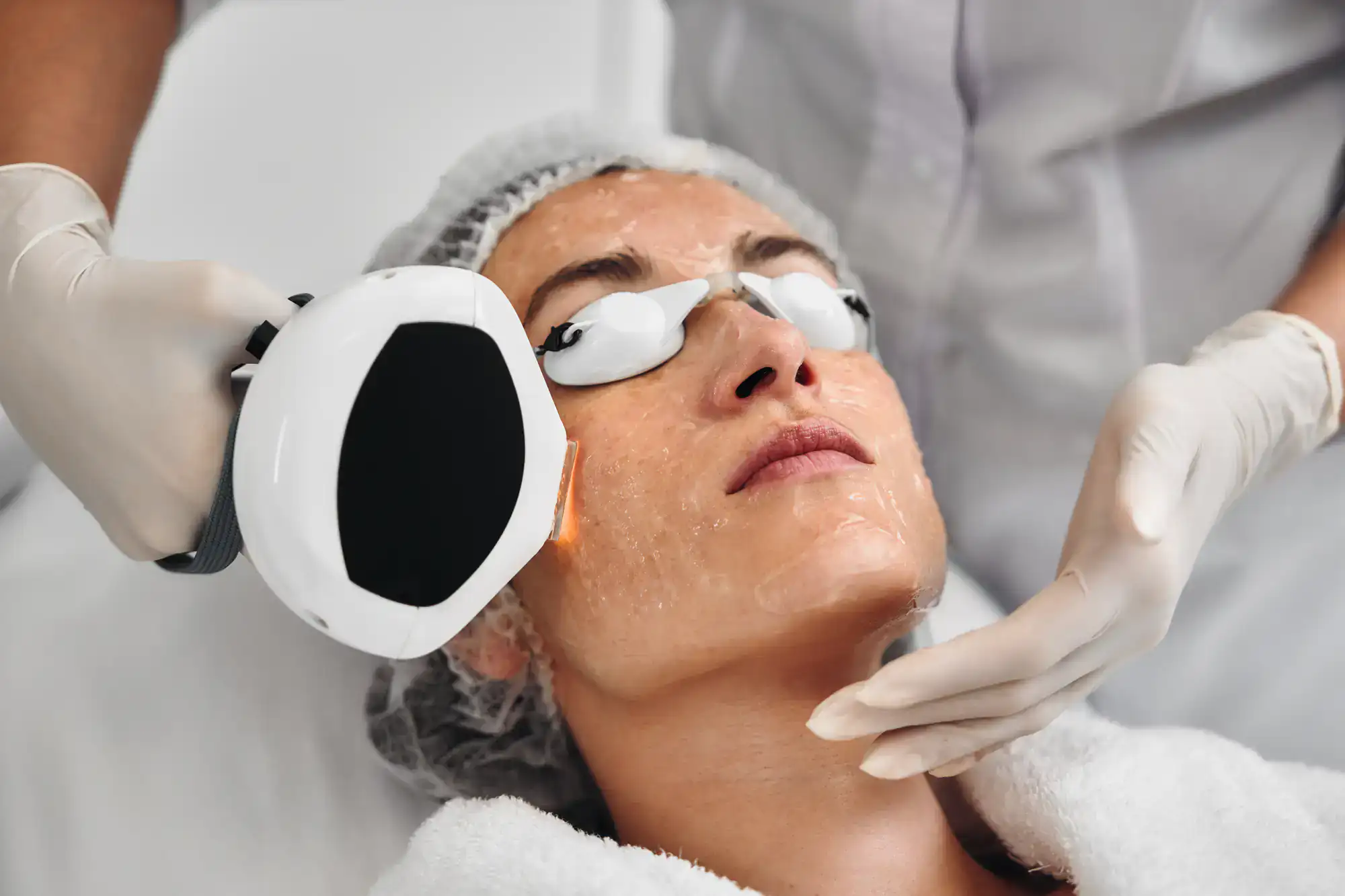
Beyond the Serum: 3 Simple Lifestyle Habits That Make Your Botox Injection Last Longer
You invested in your Botox injection — here's how to make it work harder and last longer with three habits that actually matter.
Share:
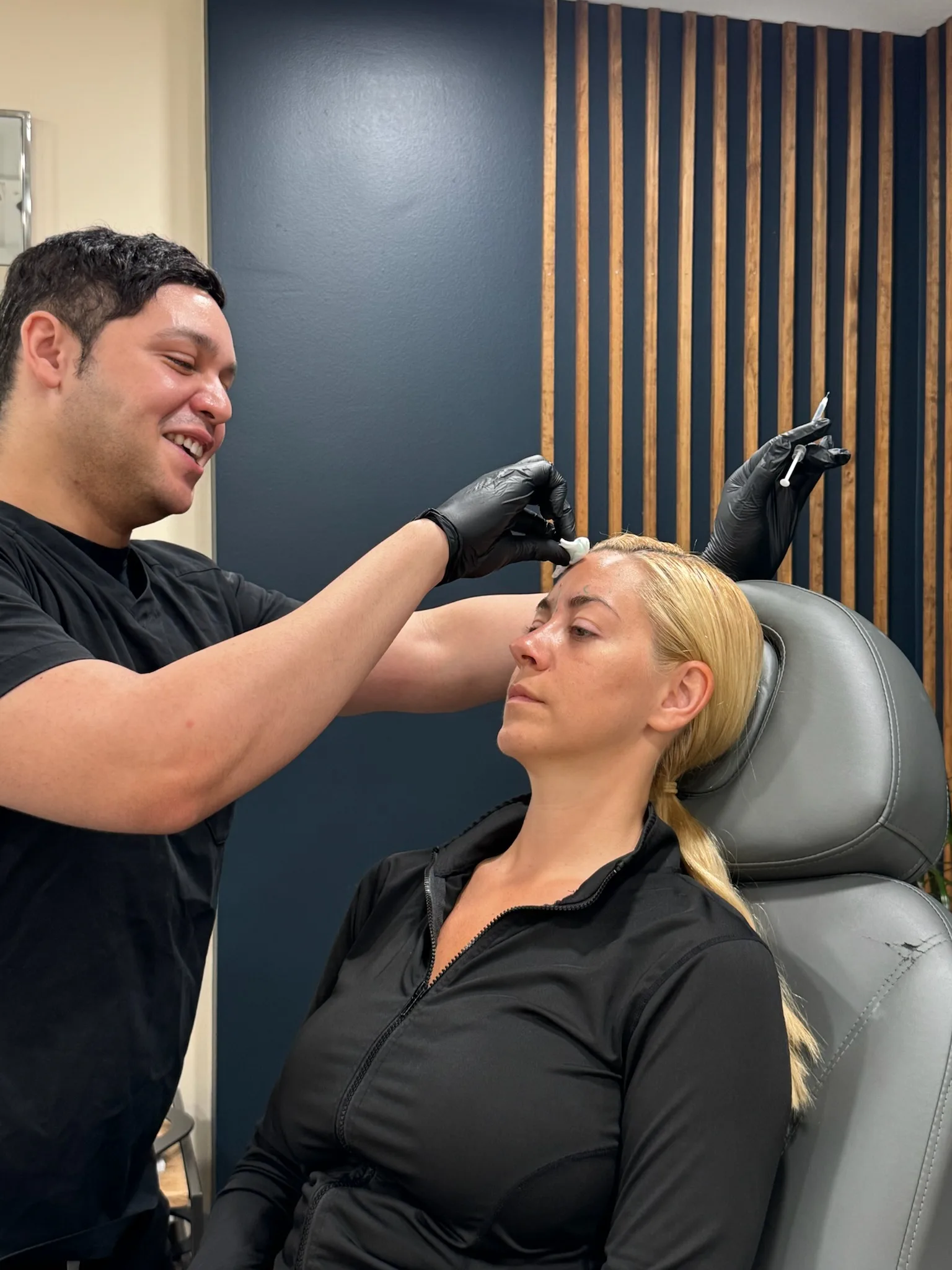
Summary:
You did the research, found a provider you trust, and walked out of your appointment feeling great. Then, somewhere around week ten, you start noticing the lines creeping back. You’re not imagining it — and it’s not necessarily your provider’s fault.
How long a Botox injection lasts isn’t fixed. The standard window is three to four months, but what happens between appointments matters more than most people realize. Sun exposure, stress, exercise habits, and even your skincare routine all play a role. The good news is that a few small, consistent adjustments can push your results noticeably further — and none of them are complicated.
How Long Does a Botox Injection Actually Last — and What's Affecting It?
For most people, a Botox injection delivers visible results for somewhere between three and four months. That range exists because bodies are different — metabolism, muscle strength, treatment area, and product authenticity all factor in. First-time clients often land closer to the three-month end. People who’ve been getting consistent treatments for a year or more frequently stretch to four months or beyond, because the targeted muscles have gradually learned to stay relaxed.
What most clients don’t realize is that their daily habits are actively working for or against that timeline. The same lifestyle factors that age skin faster — UV exposure, chronic stress, intense physical output — also accelerate how quickly your body breaks down the botulinum toxin. Understanding that connection is the first step toward getting more out of every session.
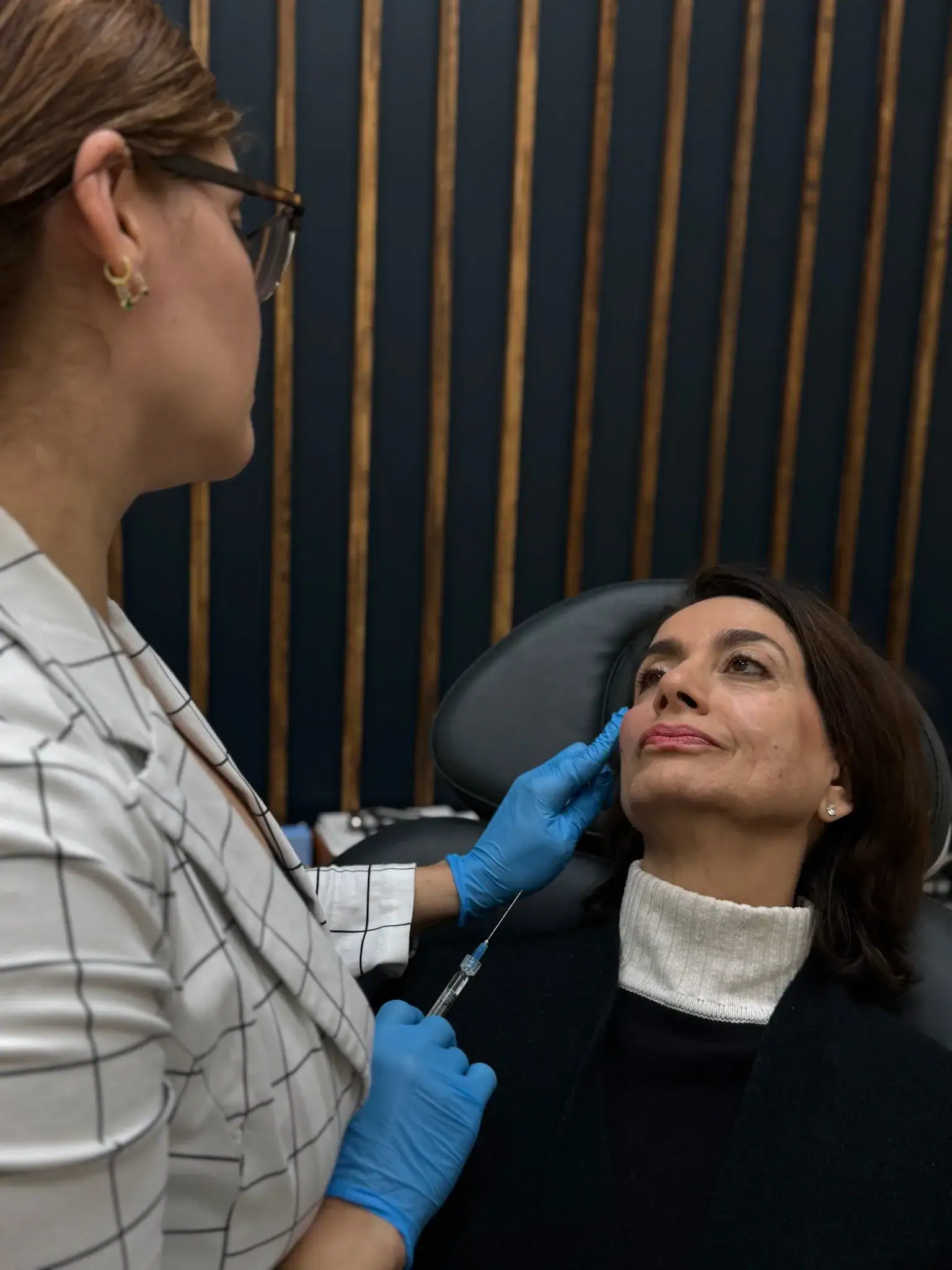
Why Your Botox Wears Off Faster Than Your Friend's
This is one of the most common questions we hear, and it’s a fair one. You and a friend get treated around the same time, same area, and a month later her forehead is still smooth while yours is already starting to move again. It feels random. It isn’t.
Metabolism is the biggest variable. People with faster metabolisms — often those who exercise frequently at high intensity — process botulinum toxin more quickly than average. If you’re doing daily Barry’s Bootcamp sessions or training for a half marathon through Central Park, your body is working hard, and that efficiency extends to how fast it clears the neurotoxin. That’s not a reason to stop working out. It’s a reason to be strategic about timing and post-treatment habits.
Muscle mass and strength in the treated area also matter. Someone with particularly strong forehead or glabellar muscles may find their Botox wearing off sooner than someone with lighter muscle activity in the same area. Over time, with consistent treatment, those muscles do weaken slightly — which is one reason long-term clients tend to enjoy longer-lasting results than people who go once and wait until lines are back to full strength before returning.
Product authenticity plays a bigger role than most people suspect. Diluted or counterfeit Botox — and it does exist in this market — produces weaker, shorter-lived results regardless of how well you take care of yourself afterward. This is one of the reasons our Allergan platinum provider designation matters practically, not just as a credential. It means the product being used is the real thing, dosed correctly, from a verified source.
Finally, stress levels have a direct physiological impact. Chronic stress keeps cortisol elevated, which increases baseline muscle tension and speeds up the body’s metabolic rate. For clients in high-pressure environments — and Manhattan has no shortage of those — this is a real and measurable factor in how long their results hold.
Does Getting Botox Regularly Make It Last Longer Over Time?
Yes — and this is one of the more encouraging things to understand about consistent Botox treatment. When you maintain a regular schedule, typically every three to four months, the muscles being targeted gradually adapt. They’re not contracting with the same force they once were, which means less product is needed over time and results tend to hold longer between sessions.
Think of it like a habit you’re training your face out of. The deep furrow between your brows didn’t form overnight — it built up over years of repeated muscle movement. Regular treatment interrupts that cycle. Clients who’ve been coming in consistently for two or three years often find that what used to last ten weeks now lasts sixteen, and that their maintenance appointments require fewer units than when they started.
This is also why waiting until lines are fully back before rebooking tends to work against you. Coming in before the muscle has fully regained its strength keeps the training effect going. It’s not about needing more Botox — it’s about not losing the ground you’ve already gained. The practical upside is real: better results, longer duration, and often a lower total product volume over time.
For clients at our Staten Island location especially, where many people are fitting appointments into demanding work schedules, understanding this rhythm makes the investment feel more manageable. It’s not a treadmill — it’s a process that gets more efficient the longer you stay with it.
Want live answers?
Connect with a House of Ness expert for fast, friendly support.
3 Lifestyle Habits That Help Your Botox Injection Last Longer
None of these require a lifestyle overhaul. They’re adjustments that fit into a normal routine — and they make a measurable difference in how long your results hold.
The three habits that consistently matter most are sun protection, stress management, and being thoughtful about exercise timing. Each one targets a different mechanism by which Botox breaks down faster than it should. Together, they can shift your results from the lower end of the typical range to the higher end — and in some cases, push beyond it.
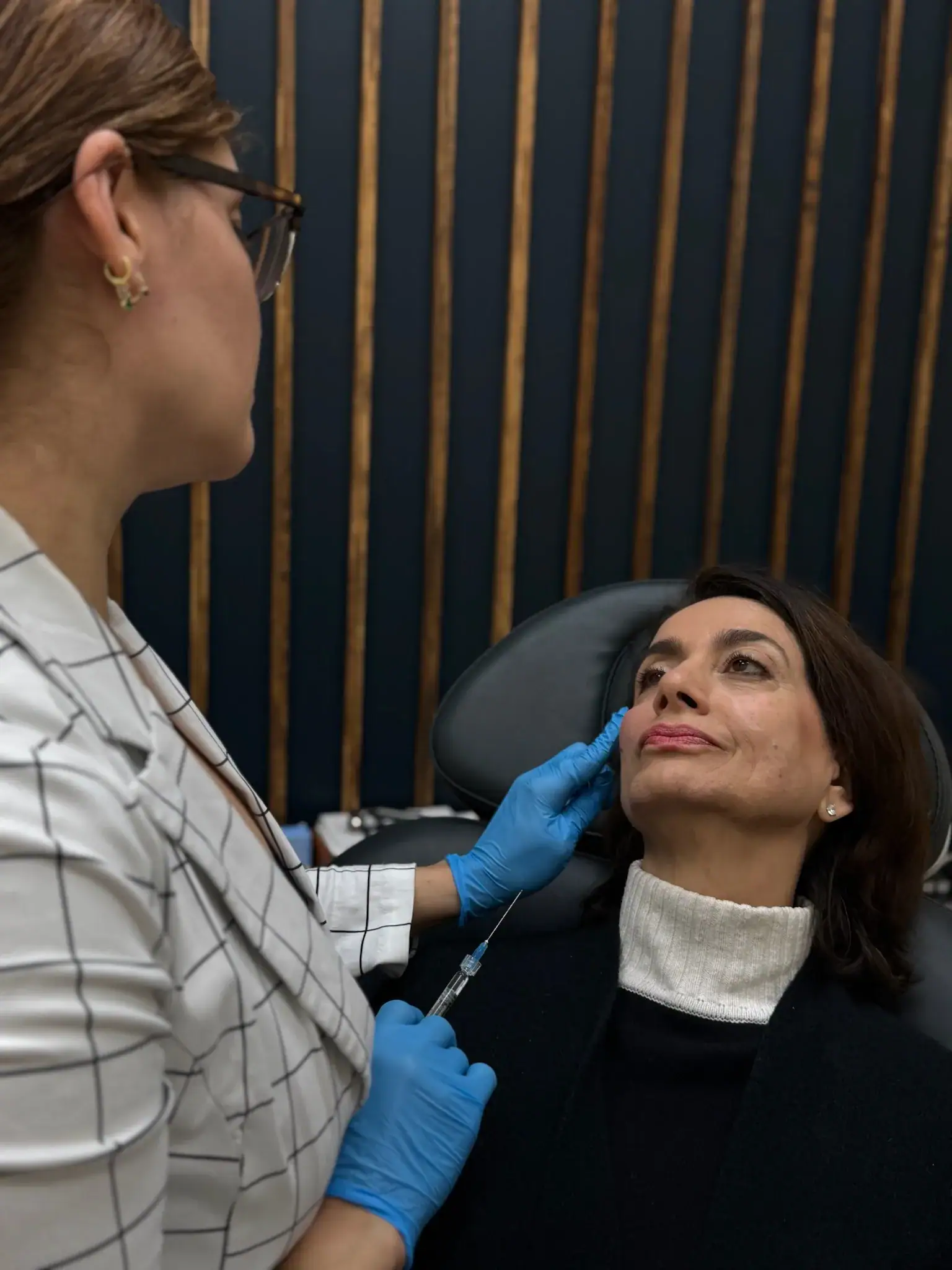
Does Sunscreen Actually Help Botox Last Longer?
It does — and not just in the way people usually think about SPF. Most clients understand that sunscreen protects against skin cancer and slows visible aging. What’s less commonly discussed is how UV exposure actively undermines the results of a Botox injection.
UV radiation breaks down collagen and accelerates the skin aging process, which works directly against what Botox is accomplishing. When skin quality deteriorates — through sun damage, dehydration, and loss of structural integrity — the visible smoothing effect of Botox becomes harder to maintain. You may still have the same neurotoxin activity in the muscle, but the surface result looks diminished faster because the skin itself isn’t holding up its end of the deal.
For clients across our Manhattan locations, this is especially relevant in the warmer months. Central Park runs, rooftop events, and outdoor dining all add up to meaningful cumulative UV exposure — often without people consciously registering it as “sun time.” The same applies to clients in Paramus and the surrounding Bergen County area heading to the Jersey Shore for weekends, or Staten Island residents spending time at South Beach or Midland Beach through the summer.
Daily SPF — applied every morning, regardless of whether you’re planning to be outside — is the single most impactful skincare habit for protecting your Botox investment. A broad-spectrum SPF 30 or higher is the baseline. SPF 50 is better if you’re spending extended time outdoors.
Pairing consistent sun protection with medical-grade skincare — particularly products containing antioxidants, retinol, peptides, and hyaluronic acid — creates a supportive environment for your skin that compounds the effect of your Botox treatment. We integrate skincare recommendations into every injectable plan rather than treating them as separate conversations. The two work together, and ignoring one limits what the other can do.
How Stress and Exercise Timing Affect How Long Botox Lasts
These two factors get grouped together because they’re often part of the same lifestyle pattern — and both have a direct, physiological effect on Botox duration.
On the stress side: chronic elevated stress keeps cortisol levels high. Cortisol increases baseline muscle tension throughout the body, including in the facial muscles that Botox is working to relax. It also accelerates metabolic rate, which means your body is processing and clearing the neurotoxin faster than it would under normal conditions. For clients working long hours in demanding professional environments — which describes a significant portion of our Manhattan clientele — this isn’t abstract. It’s a real variable in why results might feel shorter than expected.
Managing stress doesn’t mean eliminating it, which is an unrealistic ask. It means building in recovery — consistent sleep, moments of genuine downtime, and not treating rest as optional. These aren’t wellness clichés; they’re practical steps that keep cortisol from running at a constant high and give your Botox the physiological conditions it needs to do its job for the full duration.
Exercise timing is a separate but related consideration. Vigorous exercise within the first 24 hours after a Botox injection increases blood flow and metabolic activity in a way that can accelerate how quickly the neurotoxin disperses and breaks down. A hard spin class or heavy lifting session the morning after your appointment is one of the more common ways people unknowingly shorten their results. Light walking is fine. Intense exertion is worth postponing by a day.
Beyond the immediate post-treatment window, high-frequency, high-intensity training over the long term does correlate with faster Botox metabolism overall. That doesn’t mean you should stop training — it means being realistic about your body’s baseline and potentially timing your treatments accordingly. Some clients who train hard five or six days a week find that scheduling appointments every ten to eleven weeks rather than twelve keeps them consistently in the sweet spot rather than chasing results that have already faded.
One additional factor worth mentioning: zinc. Some research suggests that zinc plays a role in botulinum toxin absorption and that supplementation — specifically zinc combined with phytase — may support longer-lasting results. It’s not a guaranteed fix, and it shouldn’t replace the habits above, but it’s a legitimate and low-risk addition for clients who want to optimize every angle.
Getting More From Your Botox Injection Starts Before You Leave the Appointment
The injection itself is only part of the equation. What you do in the days, weeks, and months that follow determines whether you’re getting three months out of your treatment or pushing closer to five or six.
Consistent SPF, realistic stress management, and smart exercise timing are not complicated habits — but they’re the ones that move the needle most. Combined with a regular treatment schedule and a skincare routine that supports your skin’s structural integrity, they shift Botox from something that wears off unpredictably to something you can actually plan around.
If you’ve been feeling like your results aren’t lasting as long as they should, or you’re ready to start your first Botox injection with a team that will walk you through every step — including a two-week follow-up and complimentary touch-up if needed — we’re here for clients across Manhattan, Staten Island, and Paramus. Reach out to schedule your complimentary consultation and find out what a genuinely personalized approach looks like.
Article details:
- Published by:
- House of Ness
- Published to:
- Last modified:
- July 1, 2026
Share:
Continue learning: