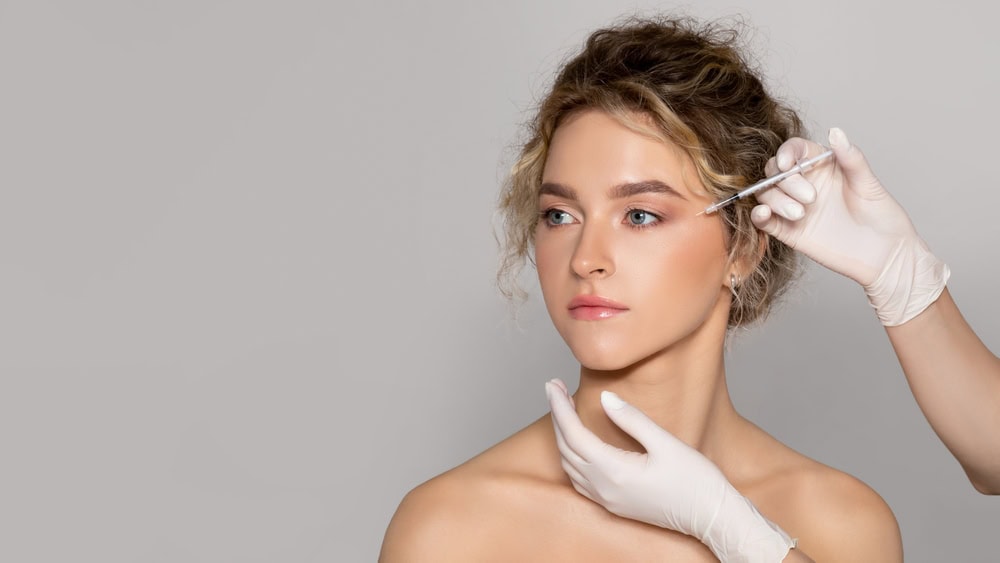
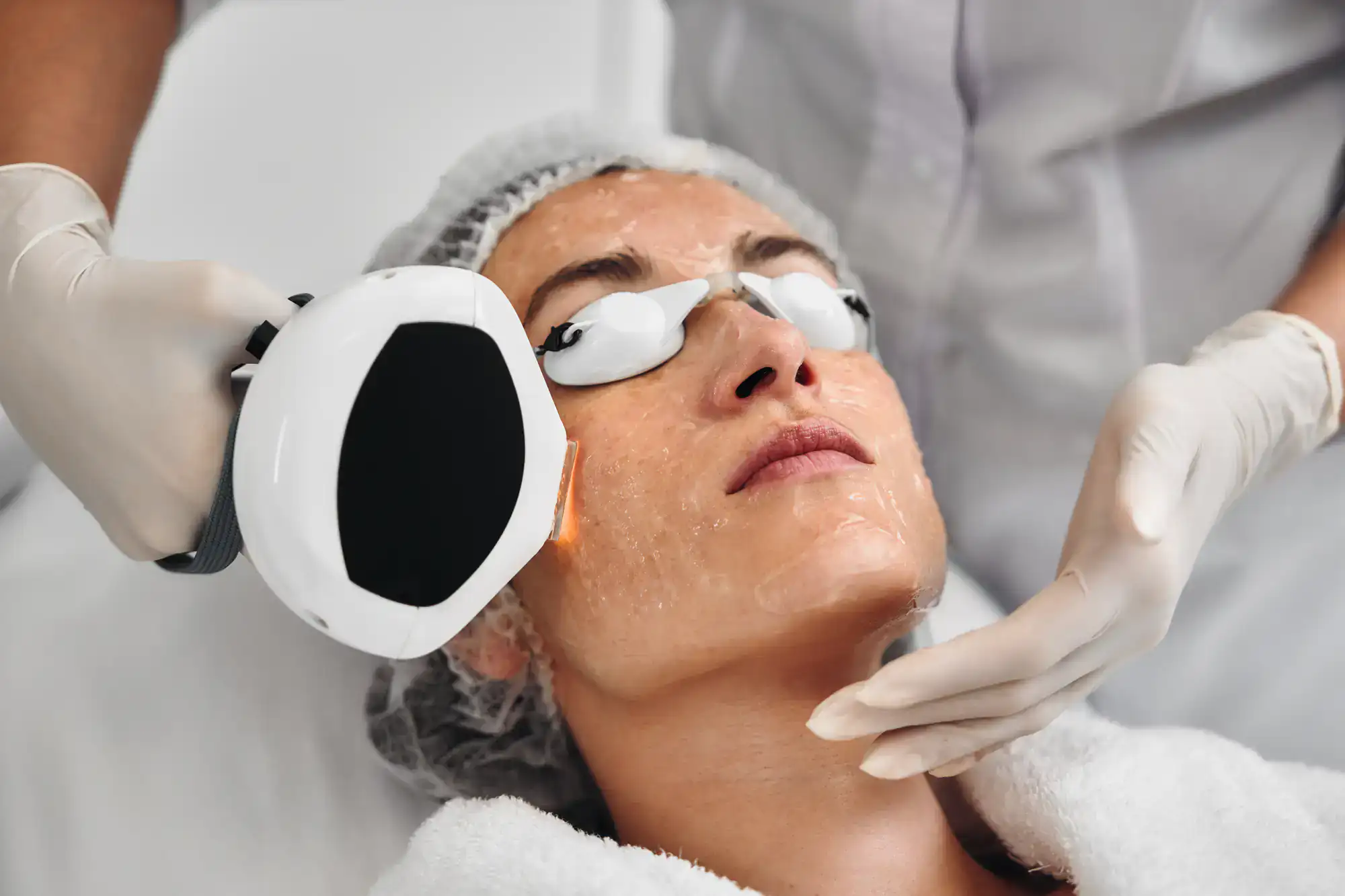
Botox Injection in Your 20s, 30s, 40s & 50s: How Treatment Goals Change with Age
Your Botox strategy at 28 looks nothing like it does at 48. Here's how treatment goals, dosing, and timing evolve with each decade of life.
Share:

Summary:
The question we hear most often isn’t “does Botox work?” Everyone already knows it works. The real question is: “Am I doing this at the right time, in the right way, for where I actually am?”
That’s a smarter question — and it deserves a real answer. Because the way Botox injection works for someone in their late 20s who’s never had a single line is genuinely different from how it works for someone in their late 40s who’s been squinting into the sun on the Jersey Shore for two decades. Same treatment. Very different goals, dosing, and expectations.
Here’s what changes at each stage — and how to think about it honestly.
What Is Preventive Botox Injection and Why Are People Starting Earlier?
Preventive Botox isn’t a trend invented by skincare influencers. It’s a clinical strategy with real evidence behind it. A study published in JAMA Dermatology found that initiating regular neuromodulator treatment in your 20s or 30s produces a dramatically better facial appearance in your 40s and 50s.
The logic is straightforward: Botox injection works by relaxing the muscles responsible for expression lines. Use it before those lines become permanently etched into the skin, and you’re preventing deep wrinkles from forming — not just softening ones that already exist.
The analogy that holds up best is sunscreen. Nobody waits until they have sun damage to start wearing SPF. Preventive Botox operates on the same principle — it’s maintenance, not repair.
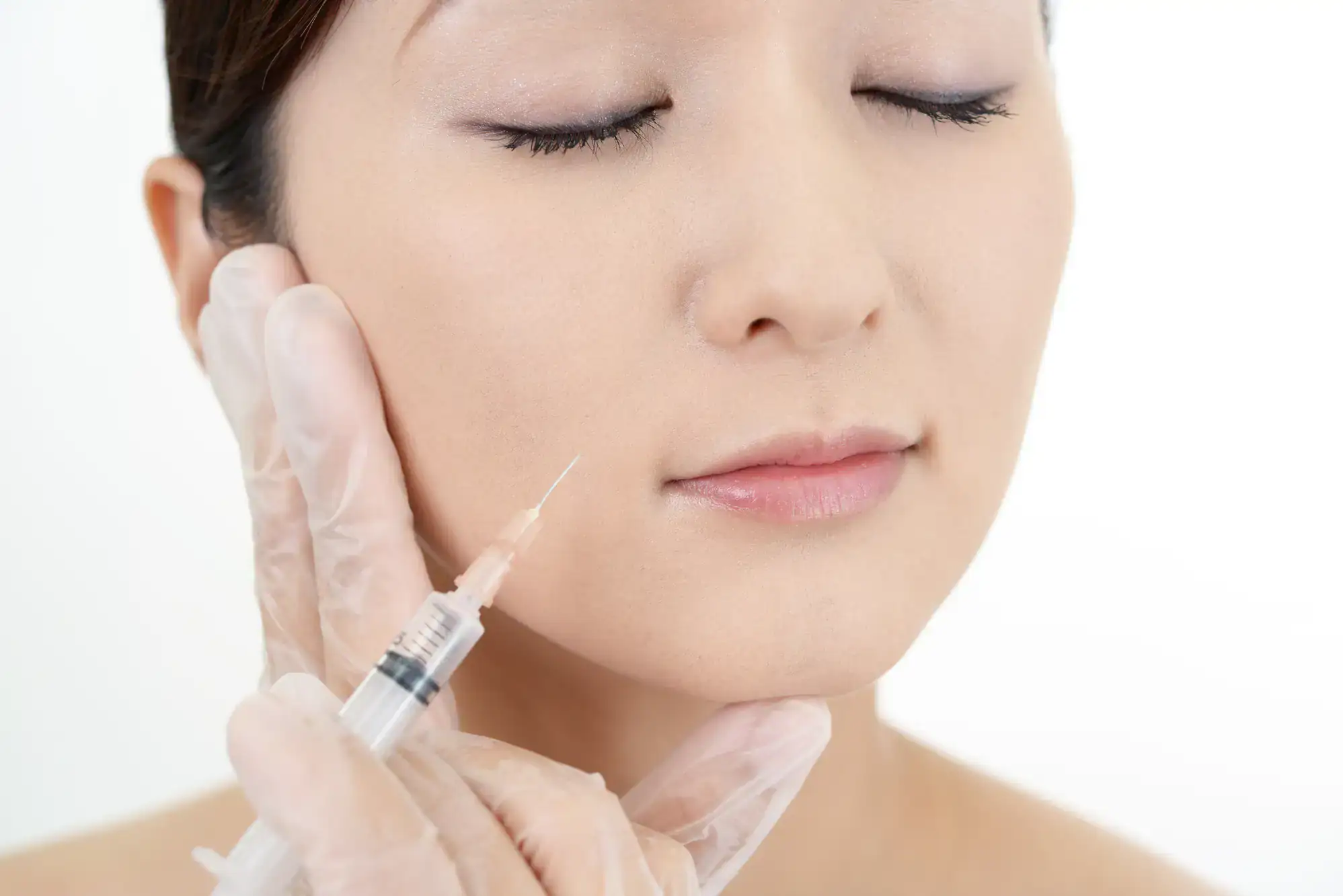
Botox Injection in Your 20s: Do You Actually Need It Yet?
The honest answer is: maybe, but not everyone does. Botox use among adults under 35 has increased by roughly 20% in recent years, and not all of that is driven by vanity. A meaningful portion is driven by people who’ve watched their parents age and made a deliberate choice to intervene earlier.
If you’re in your mid-to-late 20s and you’re noticing fine lines forming on your forehead or between your brows when you make expressions — lines that linger for a second or two after you relax your face — that’s your muscles telling you something. Those are early dynamic wrinkles, and they’re the exact target of preventive treatment.
The most commonly treated areas at this stage are forehead lines, frown lines between the brows, and early crow’s feet around the eyes. Doses tend to be lower because the goal isn’t to correct anything dramatic — it’s to gently reduce muscle activity so those lines don’t deepen over the next decade. This is what’s often called “baby Botox,” and it’s one of the fastest-growing approaches in aesthetic medicine right now.
What you don’t need in your 20s is an aggressive treatment plan. A skilled injector should be using a conservative hand here — the goal is natural movement with softened lines, not a frozen forehead. If someone is recommending heavy doses for mild early lines, that’s worth questioning.
One more thing worth knowing: with consistent treatment every three to four months, many clients find they need fewer units over time, not more. The muscles become trained to contract less intensely, which means your maintenance cost can actually decrease as the years go on.
Botox Injection in Your 30s: When Prevention Starts Blending with Correction
Your 30s are where the conversation shifts. For most people, this is when expression lines start showing up even at rest — faint, but visible. The forehead lines that used to disappear when you relaxed your face now linger a little. The crow’s feet are becoming more defined.
If you live in the Northeast, the combination of harsh winters and intense summer UV exposure accelerates this timeline. The seasonal stress on skin in New York and New Jersey creates conditions that can age the face faster than gentler climates.
If you started preventive treatment in your late 20s, your 30s are largely about maintaining what you’ve built. You may be adding a treatment area or two as your face continues to evolve, but the foundation is already working in your favor.
If your 30s are when you’re starting for the first time, that’s completely normal — and this is still well within the preventive window for most people. The mid-to-late 30s are actually the most common entry point for first-time Botox injection clients. You’re not behind. You’re right on time.
The key shift in your 30s is that your injector should be thinking about your face more holistically. It’s not just about relaxing a muscle here or there — it’s about how the treated areas interact with each other, how your natural expressions move, and whether any complementary treatments like medical-grade skincare could help protect and extend your results. A good treatment plan at this stage sets you up for a much easier 40s.
Want live answers?
Connect with a House of Ness expert for fast, friendly support.
How Botox Injection Goals Evolve in Your 40s and 50s
By the time most people reach their 40s, the dynamic has changed in a meaningful way. Botox injection is no longer just preventive — it’s doing real corrective work. Crow’s feet, forehead lines, and frown lines that have developed over years of expression are now visible at rest, not just when you’re animated. The treatment is still effective, but the approach needs to account for more.
This is also the decade where the relationship between Botox and dermal fillers becomes more relevant. Botox injection addresses dynamic wrinkles caused by muscle movement. Fillers restore volume and smooth static lines — the ones that exist regardless of expression. In your 40s and 50s, these two treatments often work best together.
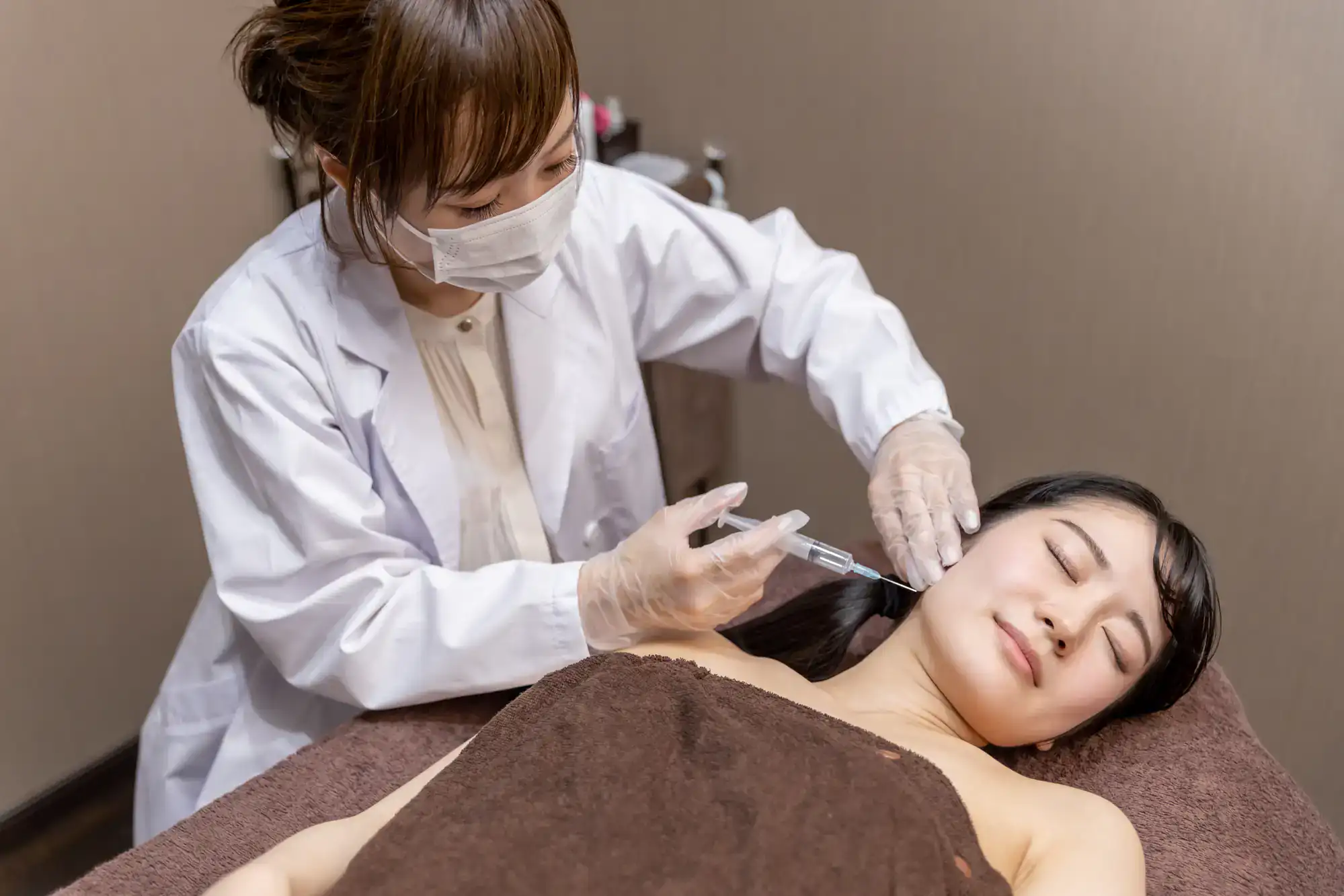
Botox Injection in Your 40s: Corrective and Preventive at the Same Time
Your 40s are not too late to start — not even close. What changes is that Botox injection now plays a dual role. It’s correcting the lines and wrinkles that have already formed, and it’s simultaneously preventing them from deepening further as you move into your 50s and 60s.
The areas of focus often expand in this decade. Beyond the forehead and crow’s feet, many clients in their 40s start addressing the masseter muscles for jaw slimming or TMJ relief, the brow area for a subtle lift, and sometimes the lip area for a lip flip effect. The face is changing in more ways than one, and a thoughtful treatment plan accounts for all of it.
Dosing also tends to increase modestly compared to your 20s treatments, because the muscles have had more years of repetitive movement and may require a bit more to achieve the same relaxation. Your injector should be reassessing this at every visit — not just repeating the same protocol automatically.
One thing that matters enormously in your 40s is who is doing the injecting. Facial anatomy becomes more complex to work with as volume shifts and skin laxity increases. An injector with deep anatomical knowledge and clinical experience — not someone who completed a weekend certification course — is the difference between results that look natural and refreshed versus results that look done.
If you’re combining Botox injection with fillers in your 40s, the sequencing and placement decisions require real expertise. Done well, the combination looks completely natural — just a more rested, refreshed version of you. Done carelessly, it’s obvious. The right provider thinks about your whole face, not just the area in front of them.
Botox Injection in Your 50s: What Realistic Expectations Actually Look Like
Botox injection absolutely works in your 50s. But it works differently, and being honest about that matters more than any marketing claim.
In your 50s, dynamic wrinkles — the ones caused by muscle movement — are still very much within Botox injection’s wheelhouse. The forehead, glabellar lines, and crow’s feet all respond well. What Botox injection cannot do at any age is restore lost volume, lift significantly sagging skin, or address static lines that have nothing to do with muscle activity. That’s where fillers, Sculptra, PDO threads, and other treatments enter the picture.
The most effective approach in your 50s is a comprehensive one. Botox injection handles the muscle-driven lines. Fillers restore the cheek volume and facial contours that naturally diminish with age. Medical-grade skincare protects the investment and improves skin quality over time. These aren’t separate decisions — they’re parts of a single, cohesive plan.
Something worth addressing directly: the fear that starting Botox injection in your 50s means you’ll look overdone. That fear is understandable, because overdone results exist — but they’re a product of poor technique and over-injection, not of Botox injection itself. A skilled, board-certified team working with a light, strategic hand produces results that look natural at every age. The goal is always the same: you, just more rested and refreshed.
Another common concern at this stage is dependency — the worry that stopping treatment will leave you looking worse than before. That’s not how it works. When Botox injection wears off, typically within three to six months, the muscles simply return to their pre-treatment baseline. Your wrinkles come back to where they were, not to somewhere worse. You don’t lose ground by stopping; you just don’t continue gaining it.
Finding the Right Botox Injection Strategy for Your Age and Goals in New York & New Jersey
There’s no single right age to start Botox injection. There’s only the right strategy for where you are right now — and where you want to be in ten years. Whether you’re in your late 20s considering your first preventive treatment, in your 40s looking to correct what’s developed and protect what hasn’t, or in your 50s building a comprehensive plan for the first time, the approach should fit your face, your goals, and your life.
What matters most is working with a team that understands the difference — one with the clinical depth to give you honest guidance, the technical skill to execute it well, and the commitment to check in two weeks later to make sure you’re happy with what you see.
If you’re somewhere in New York or New Jersey and you’ve been sitting with these questions, we at House of Ness offer complimentary consultations where you can get real answers without any pressure. That’s the right first step — not a commitment, just a conversation.
Article details:
- Published by:
- House of Ness
- Published to:
- Last modified:
- July 21, 2026
Share:
Continue learning: