New York’s Complete Guide to Combining PRP Facials, Botox Injections, and Chemical Peels
Curious whether combining a PRP facial with Botox and a chemical peel is worth it in New York? This guide breaks down what each treatment does, how they work together, and what real results look like.
Share:
Summary:
You’ve probably done your research. Maybe you’ve tried a few things — a round of Botox, a peel here and there — and the results were fine, but not quite what you were hoping for. Or you’ve been reading about PRP facials and wondering if the science actually holds up or if it’s just the latest thing celebrities are doing for attention.
Either way, you’re in the right place. This guide is for New York patients who want to understand what these treatments actually do, how they work together, and what a smart, personalized approach to skin rejuvenation looks like. No fluff, no overselling — just a clear picture of what’s possible and what to realistically expect.
What Is a PRP Facial and How Does It Actually Work?
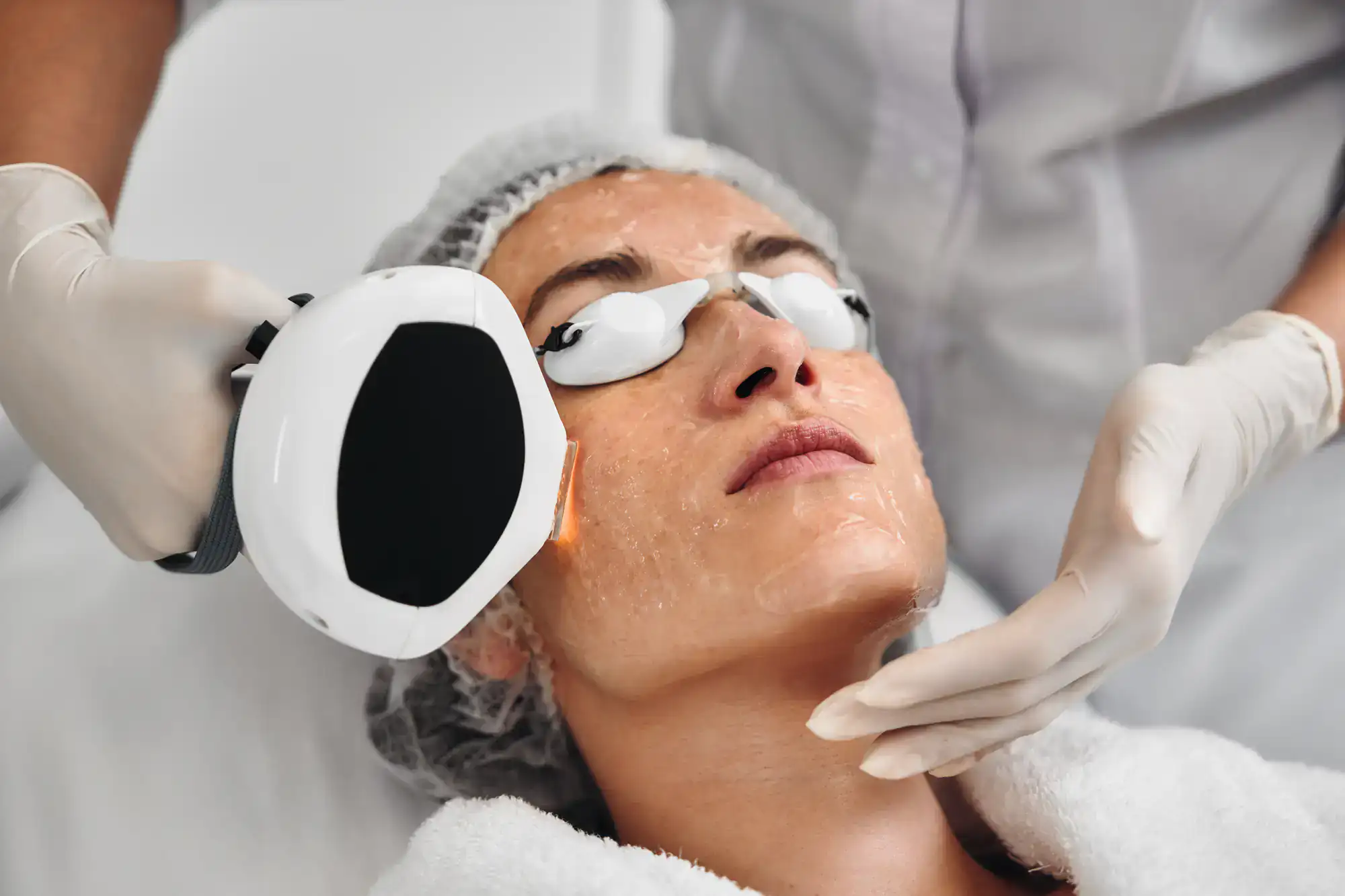
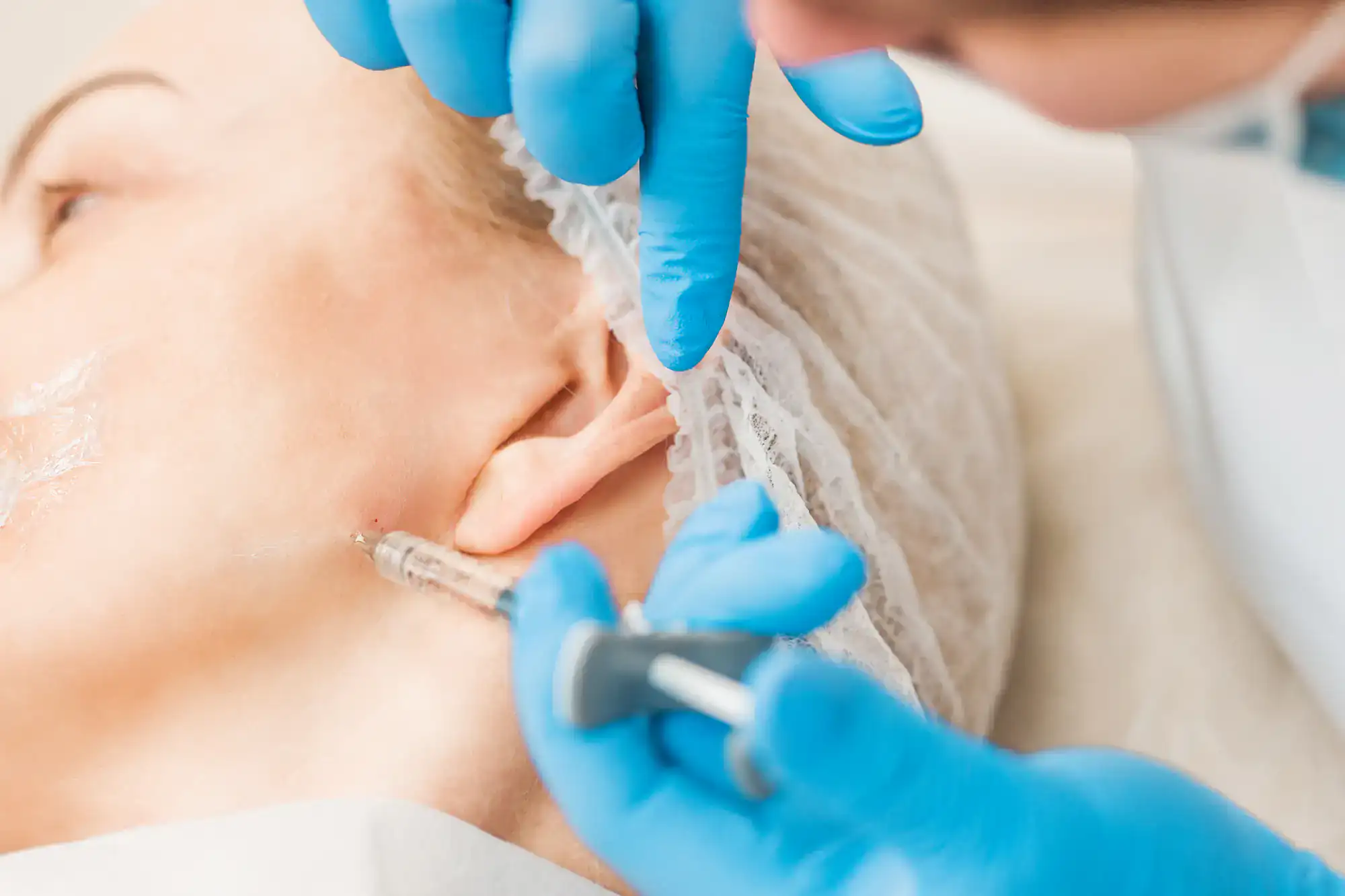
A PRP facial — sometimes called a vampire facial — uses your own blood to stimulate your skin’s natural repair process. A small amount of blood is drawn, spun in a centrifuge to concentrate the platelets, and then applied to the skin, typically in combination with microneedling so the growth factors can penetrate where they’re needed most.
The reason this works is straightforward: platelets are your body’s first responders. They carry growth factors that signal tissue repair and collagen production. When concentrated and delivered into the deeper layers of the skin, they accelerate the kind of regeneration your skin does naturally — just much more effectively than it would on its own.
Results aren’t immediate, and that’s actually a good sign. New collagen takes time to form, so most people notice gradual improvement over four to six weeks, with results continuing to build over the following months.
Is a PRP Facial Actually Proven to Work, or Is It Just Hype?
This is the question worth asking, and you deserve a straight answer. The honest version: PRP has strong clinical roots — it originated in orthopedic and reconstructive surgery, where it’s been used for decades to accelerate healing. Its application in cosmetic treatments is newer, and results do vary. That variability is real, and anyone telling you otherwise isn’t being fully honest with you.
Here’s what actually drives the difference in outcomes: the quality of the centrifuge equipment, the spin protocol used to achieve proper platelet concentration, the skill of the provider applying it, and whether it’s being combined with other treatments that amplify its effects. A properly executed PRP facial at a physician-led practice is a meaningfully different experience — and a meaningfully different result — than the same treatment name offered at a spa with minimal medical oversight.
The skepticism you may have read online often comes from studies comparing inconsistent protocols across different providers. When the technique is right, the biology is sound. Platelets release growth factors that stimulate fibroblasts, which produce collagen and elastin. That’s not a trend — that’s how your skin heals.
What this means practically is that the provider matters enormously. In New York, where you have no shortage of options, it’s worth understanding that any procedure penetrating beyond the skin’s surface is legally classified as the practice of medicine. That means it should be performed under physician oversight, with proper equipment and documented protocols — not just by whoever has availability that afternoon.
If you’ve read something suggesting PRP is “no better than saltwater,” that’s a real critique of poorly executed treatments with inadequate platelet concentration. It is not a critique of PRP performed correctly by a qualified team. The distinction matters, and it’s exactly why choosing a physician-led practice isn’t just a nice-to-have in this category — it’s the baseline.
How Many PRP Facial Treatments Do You Need, and How Long Do Results Last?
Most people see the best results from a series of two to three treatments, spaced roughly six to eight weeks apart. That spacing matters — it gives your skin time to complete its collagen-building response before you introduce the next round of growth factors. Going too fast doesn’t speed up results; it just interrupts the process.
After your initial series, most patients come back for a maintenance session every six to twelve months. Some people stretch that to once a year; others prefer every six months depending on their skin goals and what else they’re doing alongside PRP. There’s no single right answer — it depends on your skin, your age, and what else you’re doing alongside non-surgical facial treatments.
One thing worth knowing: the first month after treatment often feels underwhelming compared to what’s coming. The visible improvement tends to accelerate between weeks four and twelve as collagen production ramps up. Patients who give up after one treatment because they didn’t see immediate results are usually the ones who miss the payoff. If you go in expecting a gradual, cumulative improvement rather than an overnight transformation, you’ll be in a much better position to evaluate whether it’s working.
For New York patients specifically, timing your series around the fall and early winter tends to work well. Summer sun exposure can complicate post-treatment care, and the skin damage that accumulates over a New York summer — pollution, UV exposure, heat — creates exactly the kind of texture and tone concerns that PRP addresses most effectively. September through November is genuinely a strong window to start.
Downtime is minimal. Most people experience redness for twenty-four to seventy-two hours after treatment. It’s not painful, and it can be covered with makeup once the skin has settled. For anyone working in a high-visibility environment — which describes a significant portion of the people we see at our Upper East Side location — that’s a manageable recovery window.
Want live answers?
Connect with a House of Ness expert for fast, friendly support.
How PRP Facials, Botox, and Chemical Peels Work Together as a Skin Rejuvenation Plan
Each of these treatments addresses a different layer of the same problem. Botox works on muscle movement — it softens the dynamic lines caused by repeated facial expressions, like the creases between your brows or the lines that form when you smile. It doesn’t change your skin’s quality or texture; it manages the mechanical cause of certain wrinkles.
A PRP facial works deeper. It stimulates collagen production from within the skin itself, improving texture, tone, and overall skin quality over time. And a medical-grade chemical peel works at the surface — removing dead skin cells, addressing hyperpigmentation, and signaling the skin to renew itself through controlled exfoliation.
Together, they cover the full picture: movement, quality, and surface. That’s a more complete approach than any single treatment can deliver, and it’s the kind of thinking that separates a real skin rejuvenation plan from a one-off appointment.
Can You Combine a PRP Facial with Botox on the Same Day?
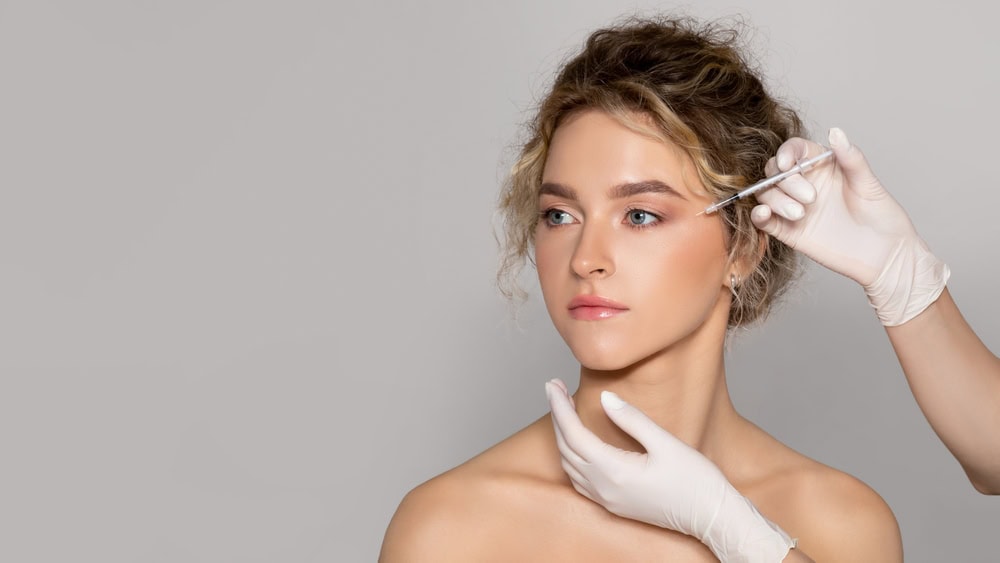
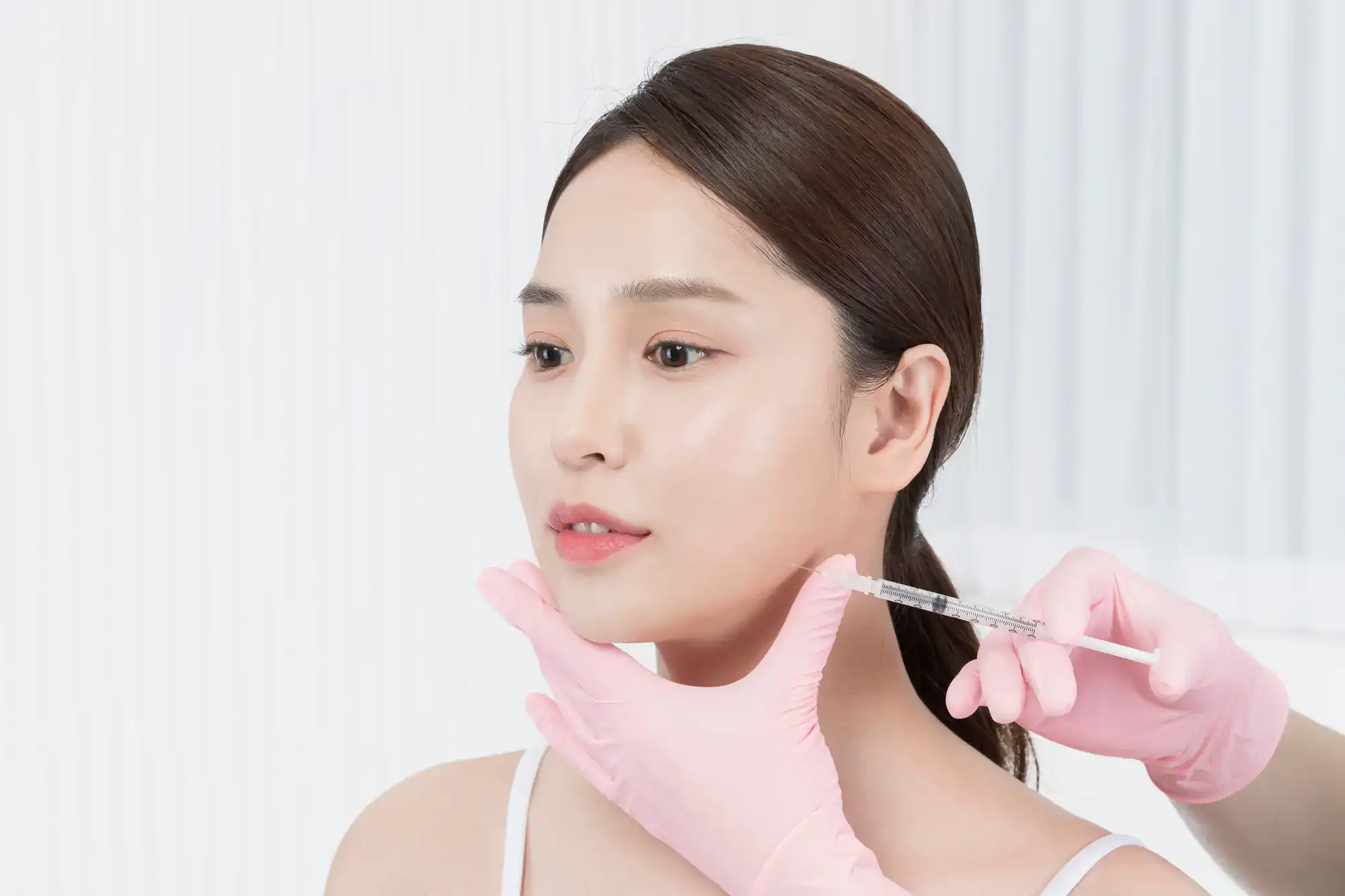
Yes, and it’s actually a common approach for patients who want to address multiple concerns in a single visit. The typical sequence is PRP first, followed by Botox — this order allows the growth factors to begin their work without interference, and the Botox can then be placed precisely where it’s needed without disrupting the PRP application.
The combination works well because the two treatments operate through completely different mechanisms. A PRP facial stimulates your skin’s regenerative process from within. Botox temporarily relaxes the muscles responsible for expression lines. They don’t compete with each other — they complement each other, addressing different contributors to the same aging process.
For patients who are also considering dermal fillers, the same logic applies. Fillers restore volume and structure in areas where the face has hollowed over time — the cheeks, under the eyes, the jawline. PRP improves the quality of the skin sitting on top of that structure. When both are done thoughtfully, the result looks more cohesive and natural than either treatment alone.
One thing worth noting: combining treatments in a single session requires a provider who can assess all of these variables together — your anatomy, your skin quality, your goals, and the right sequencing for your specific situation. This isn’t something that works well with an assembly-line approach. It requires someone who’s actually looking at your face as a whole, not just executing a menu item.
In New York, where the pace of life doesn’t leave much room for multiple separate appointments, the ability to combine treatments efficiently — without sacrificing precision — is genuinely valuable. We match each client with the right provider for their specific goals, which means the person working with you has the expertise to think through that full picture, not just one piece of it.
How Does Adding a Chemical Peel to a PRP Facial Improve Your Results?
A chemical peel and a PRP facial are a natural pairing because they work in sequence rather than in parallel. The peel goes first — it removes the outermost layer of dead and damaged skin cells, which accomplishes two things. It immediately improves surface texture and tone, and it sends a signal to your skin that repair is needed. That repair signal is exactly what PRP amplifies.
When PRP’s growth factors are introduced after a peel, the skin is already primed to respond. The controlled exfoliation has cleared the path, and the concentrated platelets can get to work on the deeper layers where collagen production happens. The result is a combination of surface clarity and structural improvement that neither treatment delivers as effectively on its own.
For New York patients dealing with the aftermath of a summer spent in the city — sun exposure, environmental pollution, the kind of cumulative skin stress that builds up over months — a chemical peel combined with PRP is one of the most effective ways to reset your skin heading into fall. The peel addresses the visible surface damage: uneven tone, rough texture, mild hyperpigmentation. The PRP addresses what’s happening underneath: collagen depletion, loss of elasticity, the slower cell turnover that comes with age.
The depth of the peel matters and should be calibrated to your skin type, your goals, and your schedule. A lighter peel means minimal downtime and can often be done on a Friday with no visible peeling by Monday. A deeper peel delivers more dramatic results but requires more recovery time. During your consultation, we have that conversation — not after you’ve already committed to something.
One thing people sometimes worry about is whether a chemical peel will make their skin more sensitive to the PRP treatment. Done in the right order with appropriate timing between them, the two treatments are synergistic, not problematic. The key is working with a team that understands both treatments well enough to sequence them correctly for your skin — which is exactly the kind of personalized approach we build every treatment plan around.
Finding the Right Medical Spa in New York for PRP, Botox, and Chemical Peels
If there’s one thing worth taking away from all of this, it’s that the treatments themselves are only part of the equation. The provider, the protocol, and the plan behind them are what actually determine whether you get results you’re happy with.
In a market like New York — where you have more options than almost anywhere else in the country — that distinction matters more, not less. Credentials are verifiable. Ask whether there’s a board-certified physician overseeing your care. Ask what products are being used and whether the practice is an authorized Allergan partner. Ask what happens if you’re not satisfied with your results two weeks later. The answers to those questions tell you a lot.
We’re on East 78th Street and we’d be glad to walk you through exactly what a combination approach could look like for you. Every client starts with a complimentary consultation and leaves with a plan that’s specific to their skin, their goals, and their schedule — not a generic menu.
Article details:
- Published by:
- House of Ness
- Published to:
- Last modified:
- July 16, 2026
Share:
Continue learning: