Botox, Fillers, or Both? Your Burning Questions About Injectables — Answered!
Not sure if you need Botox, fillers, or a combination of both? Here's what actually separates them — and how to know what's right for your face.
Share:
Summary:
You’ve been thinking about this for a while. Maybe you’ve noticed forehead lines that weren’t there two years ago, or your face just looks a little more tired than you feel. You’ve done some searching, read a few things, and now you’re somewhere between curious and overwhelmed — because the more you look into it, the more it seems like everyone has a different answer. Botox or fillers? Both? Neither? The truth is, the right answer depends entirely on your face, your goals, and who’s actually looking at you. Here’s what you need to know before you decide anything.
What's the Difference Between Botox and Dermal Fillers?
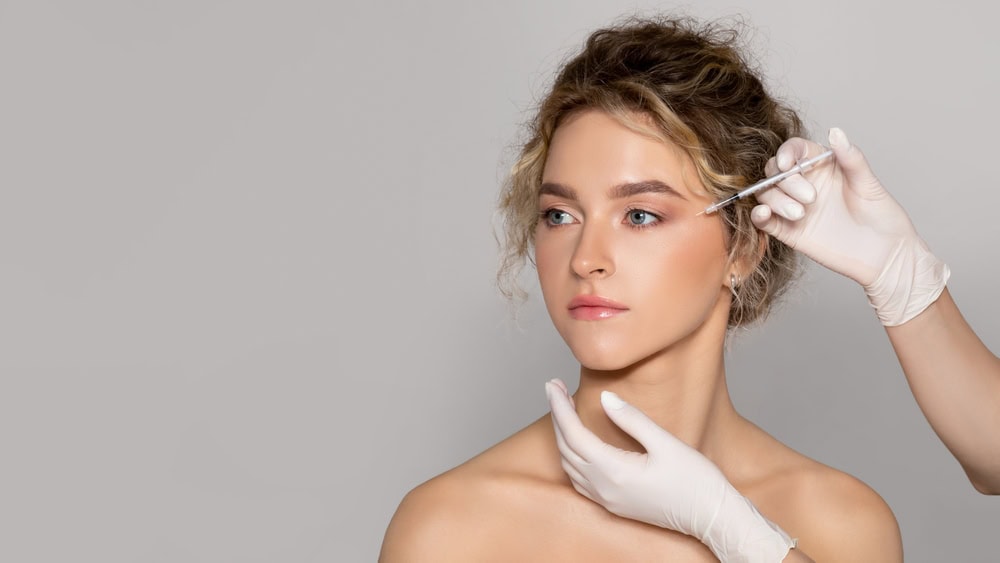
Botox and fillers are both injectables, but they work in completely different ways and treat different things. Botox is a neuromodulator — it temporarily relaxes the muscles responsible for repetitive facial movements, which is what causes lines like the “11s” between your brows, forehead creases, and crow’s feet. If a wrinkle shows up when you make an expression, Botox is likely what addresses it.
Dermal fillers, on the other hand, add volume. They’re used in areas where the face has lost fullness over time — cheeks, lips, the hollows under your eyes, nasolabial folds, and the jawline. Most fillers are made with hyaluronic acid, a substance your body already produces naturally, which is part of why results tend to look soft and realistic rather than artificial.
The short version: Botox relaxes. Fillers restore. And for a lot of people, the most natural-looking outcome comes from using both strategically.
How Does a Botox Injection Actually Work?
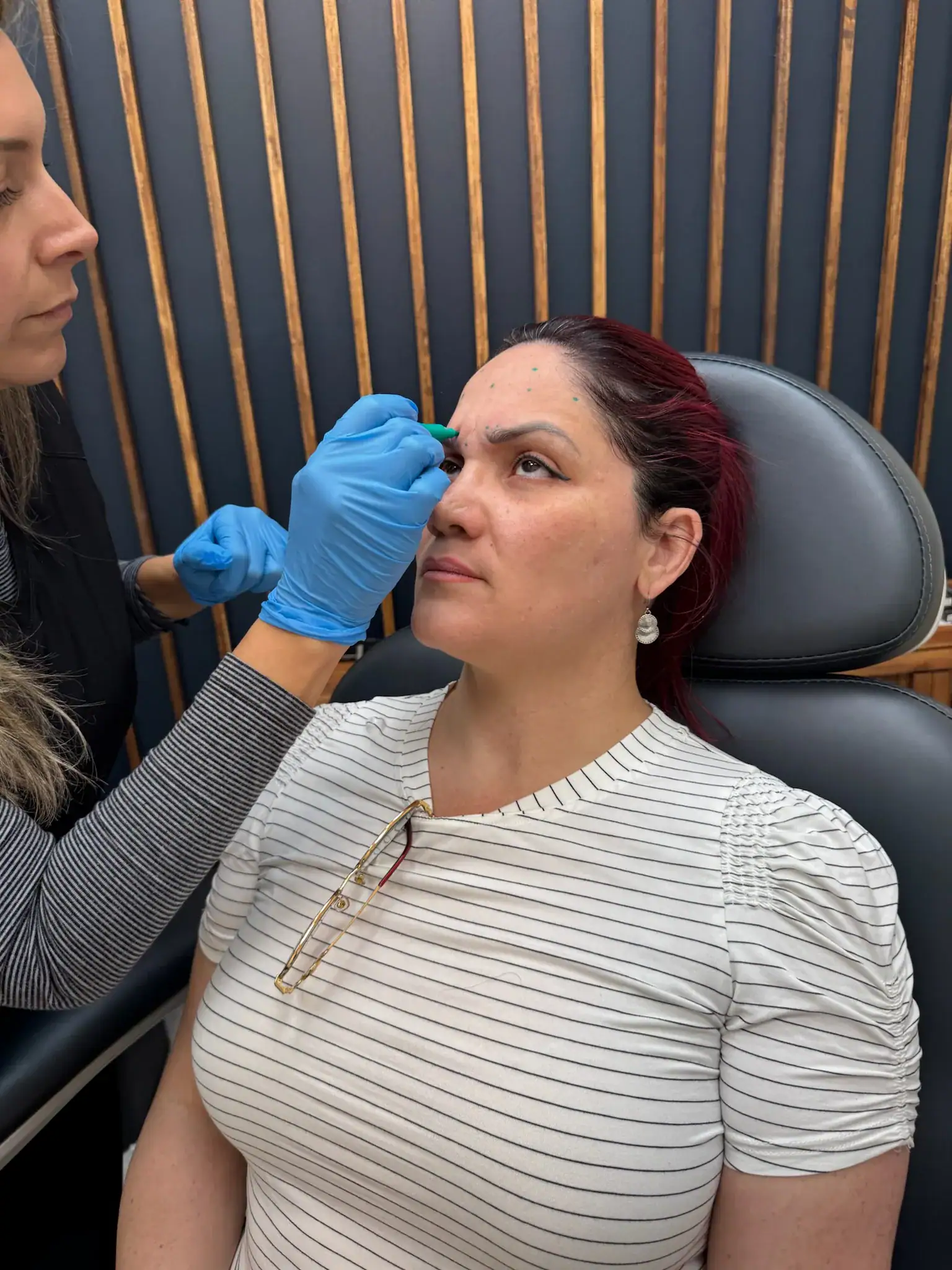
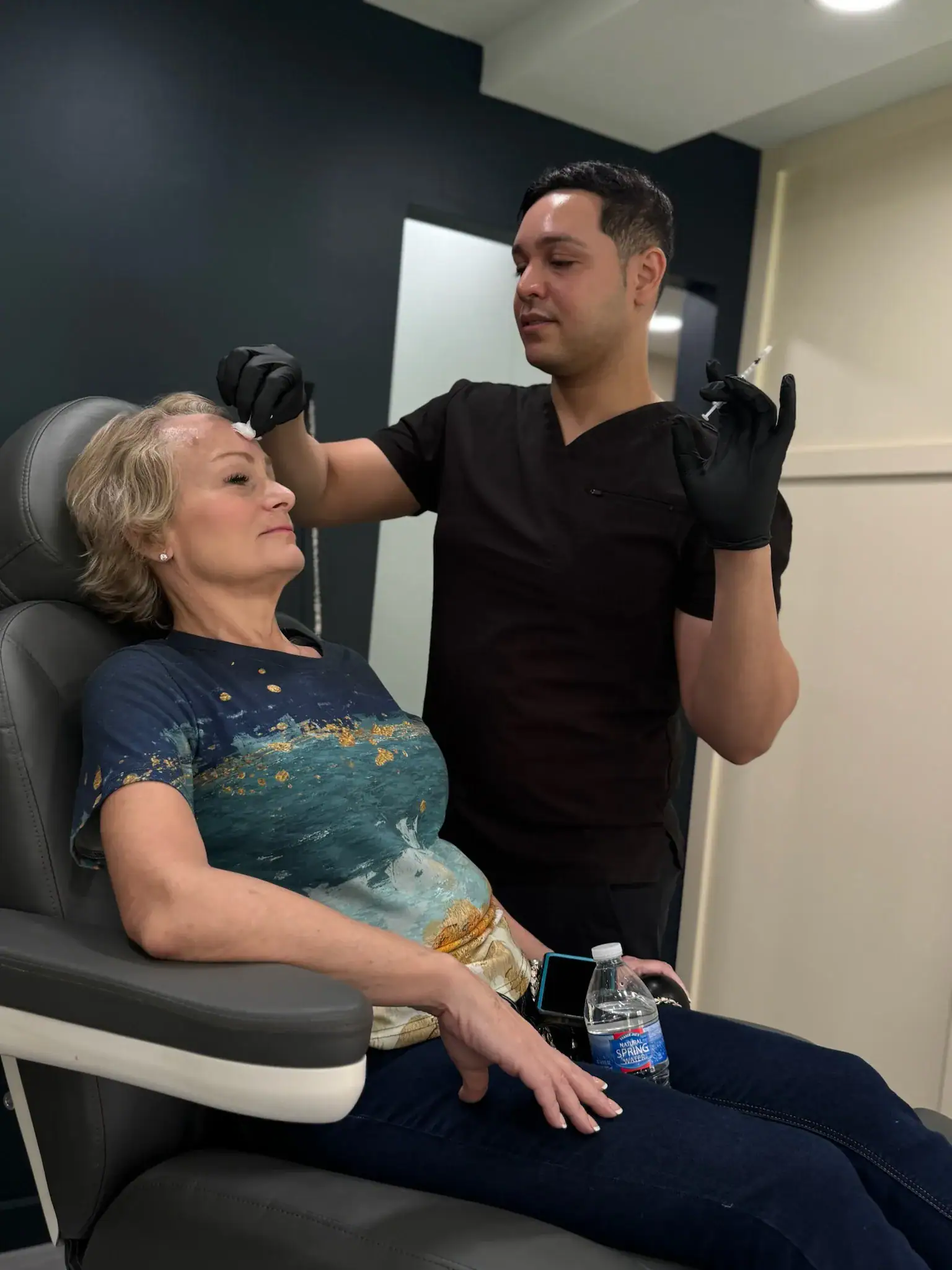
When you come in for a Botox injection, the process is more precise than most people expect. It’s not a matter of injecting a few spots and calling it done. A good injector evaluates how your specific muscles move, where lines are forming, and what kind of result you’re actually after. The injection itself takes only a few minutes, but the assessment that happens before it is what separates a natural outcome from an overdone one.
Botox works by blocking the nerve signal that tells a muscle to contract. When those targeted muscles relax, the skin above them smooths out. Results typically appear within a few days and settle fully around two weeks after treatment, which is why a follow-up appointment at that point matters — it’s when you can actually see the final picture and address anything that needs a small adjustment.
Results last three to four months on average, though clients who stay consistent often find their results extend closer to six months over time. That’s partly because muscles that are regularly relaxed tend to weaken slightly, meaning they need less product to achieve the same effect. It’s one of the reasons starting earlier — even in your late 20s or early 30s — isn’t as unusual as it used to be. About 24% of Botox patients today are between 19 and 34, and many of them are using it preventatively, before deep lines have a chance to set in.
The areas most commonly treated include the forehead, the space between the brows, and the outer corners of the eyes. But Botox is also used for things like softening neck bands, slimming the jawline by relaxing the masseter muscle, and even a subtle brow lift. The range of what’s possible has expanded significantly, and an experienced injector will walk you through which areas make sense for your face specifically.
What Should You Expect From Dermal Filler Results?
One of the biggest misconceptions about fillers is that they’re just for lips. Lip filler gets the most attention — and when it’s done well, the results speak for themselves — but the most impactful filler work often happens in places people don’t immediately notice. Restoring volume to the cheeks, for example, can subtly lift the entire mid-face and reduce the appearance of lines around the mouth without touching those lines directly.
Results from hyaluronic acid fillers like Juvederm, Restylane, and the RHA Collection are immediate. You leave the appointment looking different than when you walked in, though some mild swelling in the first day or two is normal before things settle. Depending on the area treated and the specific product used, results can last anywhere from six months to two years.
A detail worth knowing: hyaluronic acid fillers can be dissolved with an enzyme called hyaluronidase if you’re unhappy with the results or want to start fresh. That reversibility is a genuine safety net, not just a marketing point. It’s one reason why working with a provider who uses FDA-approved products from reputable manufacturers matters — not all fillers on the market carry that same built-in flexibility.
The technique matters just as much as the product. We use micro-cannulas and layered injection approaches to minimize bruising and create smoother, more natural-looking results. Filler placed with precision looks like you — just a more rested, balanced version. Filler placed without it can look exactly like what everyone is afraid of. The difference comes down almost entirely to the person holding the syringe.
One more thing: the consultation before a filler appointment should feel like a real conversation. You should be able to ask what product is being used, why that area is being treated, and what the expected outcome looks like. If a provider can’t answer those questions clearly, that’s useful information.
Want live answers?
Connect with a House of Ness expert for fast, friendly support.
When Does It Make Sense to Combine Botox, Fillers, and a Laser Facial?
This is the question most people don’t think to ask until they’re already in the room. Botox and fillers each address specific concerns, but the face ages in multiple ways at once — muscle movement, volume loss, and changes in skin texture and tone all happen simultaneously. Treating only one of those factors leaves the others unaddressed.
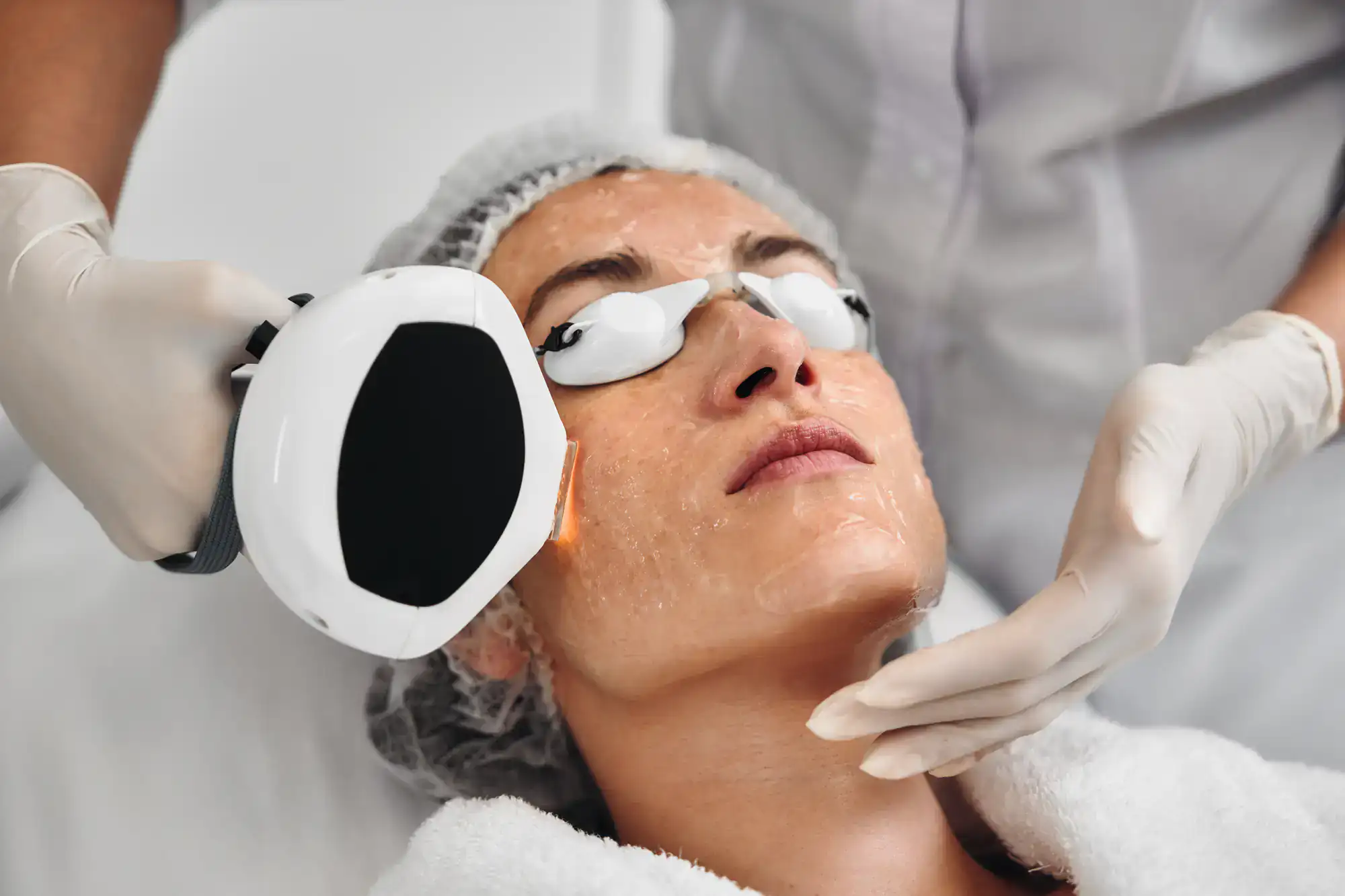
A laser facial works differently from injectables entirely. It targets the surface and deeper layers of the skin to improve texture, reduce sun damage, minimize acne scarring, and stimulate collagen production. The results are immediate and visible, and when combined with injectables, they create a more complete picture — smoother skin underneath results that are already balanced and refreshed.
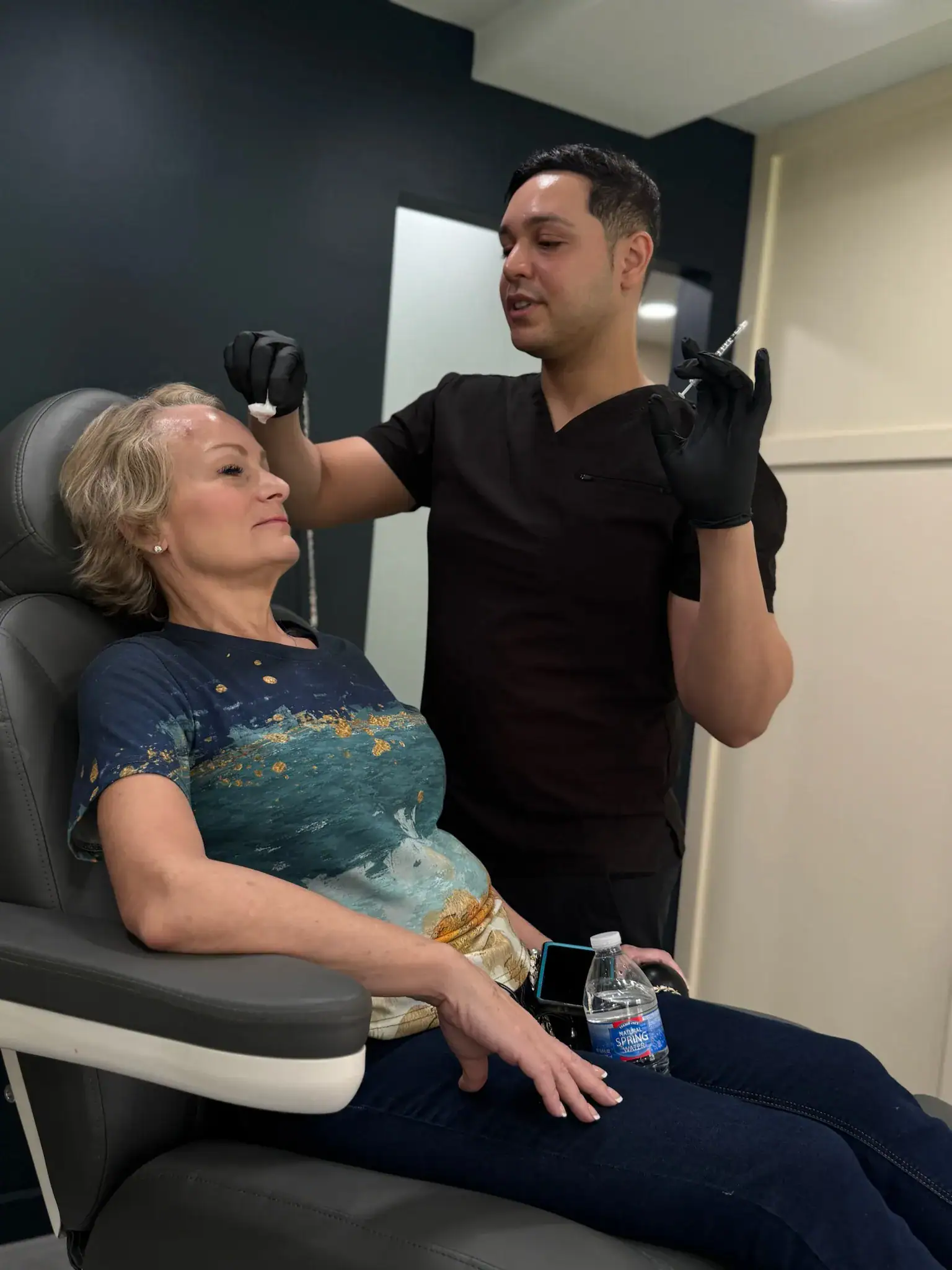
Can You Get Botox and Fillers in the Same Appointment?
Yes, and for many clients it’s actually the more efficient approach. Botox addresses dynamic wrinkles — the ones caused by movement — while fillers handle volume loss and static lines that are visible even when your face is at rest. Treating both in one session means you’re not leaving one piece of the puzzle unaddressed while waiting for the other treatment to settle.
The key is that combining treatments requires someone who understands how the two interact across different facial zones. Botox placed in the forehead, for example, can affect how filler in the brow area sits and moves. An injector who thinks about the face as a whole — rather than treating each area in isolation — produces results that look cohesive rather than piecemeal.
Most combined appointments take under an hour. There’s no downtime required, which matters whether you’re squeezing this in between meetings at your Manhattan office, stopping by after school drop-off in Staten Island, or making a quick trip down Route 17 in Paramus on a weekday afternoon. The treatments are designed to fit into a real schedule, not disrupt one.
It’s also worth noting that combining treatments doesn’t mean doing everything at once. Sometimes the right call is to start with Botox, see how your face responds over two weeks, and then layer in filler where it makes sense. A good consultation will map that out for you honestly rather than pushing for the maximum number of treatments in a single visit.
How Do You Know If You're Choosing a Safe, Qualified Injectable Provider?
This question has become more important than it used to be. In April 2024, the FDA issued an alert warning that counterfeit Botox had been found in multiple U.S. states and administered to patients for cosmetic purposes. That’s not a hypothetical risk — it happened, and it’s a direct consequence of a market where price shopping sometimes takes priority over verifying who’s actually injecting and what they’re injecting with.
The baseline things to look for are straightforward. Your provider should be a licensed medical professional — a physician, nurse practitioner, physician assistant, or registered nurse working under physician oversight. In both New York and New Jersey, Botox injections are classified as medical procedures, and performing them without proper licensure is illegal. That’s not a technicality — it’s a meaningful indicator of whether the environment you’re in meets a real standard of care.
Beyond licensing, look for physician oversight at the practice level. There’s a meaningful difference between a med spa with a board-certified plastic surgeon involved in treatment planning and one that’s operating with a weekend-course certificate and no medical supervision. The former brings surgical-level understanding of facial anatomy to every appointment. The latter is hoping for the best.
Product authenticity is the other piece. Allergan, the manufacturer of Botox Cosmetic, maintains a tiered partnership program for practices that meet volume, training, and safety requirements. Platinum status — the highest tier — means the practice is receiving authentic, traceable product and that injectors have access to advanced Allergan training programs. It’s a third-party verification that the product you’re getting is exactly what it’s supposed to be.
We’re a platinum-level Allergan partner, and all our treatments are overseen by a Board-Certified Plastic Surgeon. Every injector on our team is licensed and certified, and we use only FDA-approved products. That’s not a credential we mention to fill space — it’s the reason our clients feel confident walking in, and the reason they come back.
Ready to Get Real Answers About Botox and Fillers Near You?
The most common thing we hear from first-time clients is that they wish they’d come in sooner. Not because they needed more treatment, but because the conversation turned out to be a lot less complicated than they’d built it up to be in their heads. Most of the fear around injectables comes from not knowing what to expect — and a good consultation takes care of most of that.
Whether you’re in Manhattan’s Upper East Side, on Staten Island’s South Shore, or in Bergen County near Paramus, NJ, the process starts the same way: a complimentary, no-pressure consultation where we actually look at your face, listen to your goals, and tell you honestly what we think will help. Every client also gets a two-week follow-up with a complimentary touch-up if needed, because results need to be seen before they can be perfected.
If you’ve been sitting on this decision, we’re ready to start the conversation.
Article details:
- Published by:
- House of Ness
- Published to:
- Last modified:
- July 10, 2026
Share:
Continue learning: