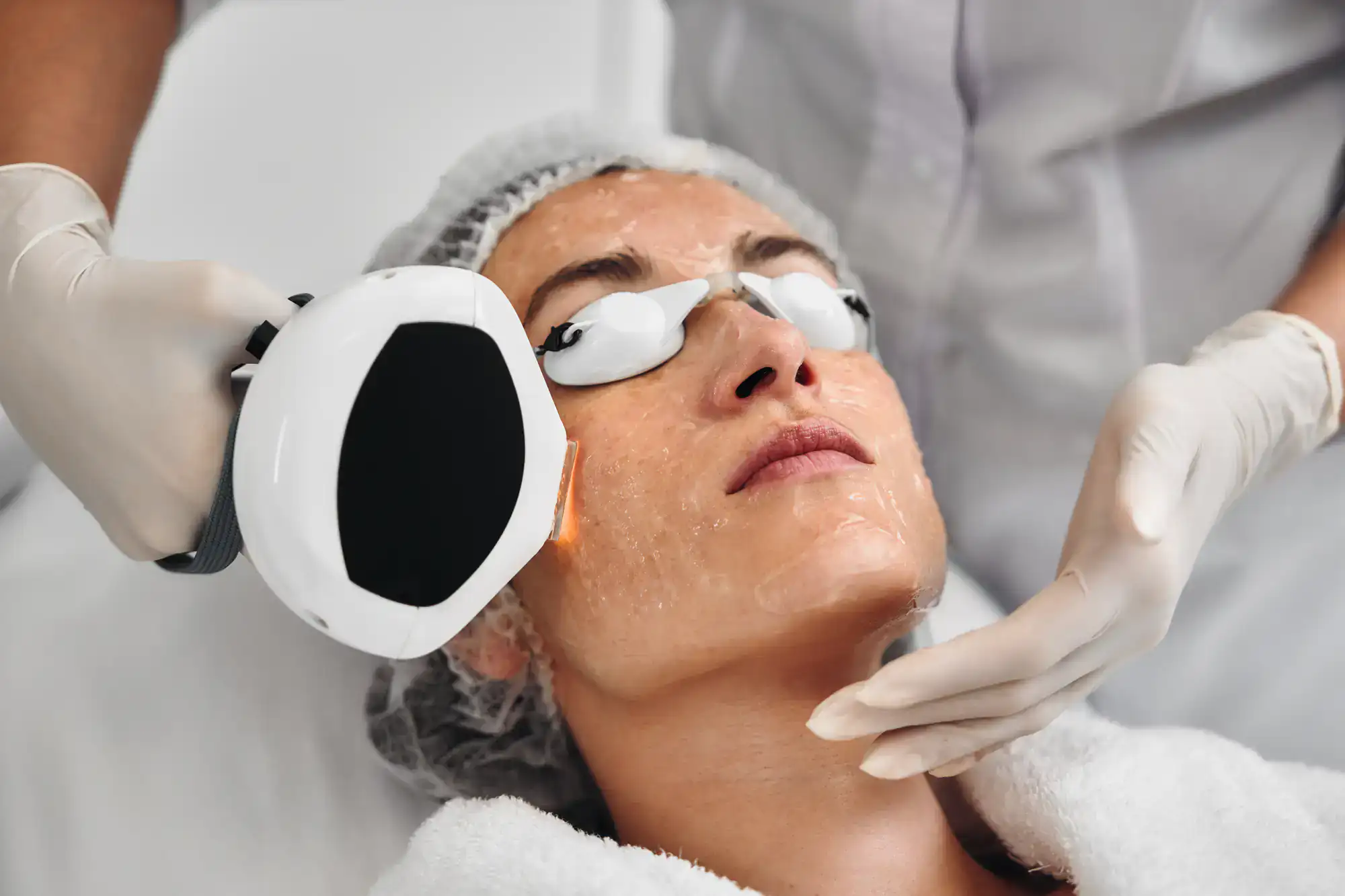
The “Quiet Aesthetics” Movement: Why Everyone in Manhattan, Staten Island & Paramus Is Switching to Natural-Looking Dermal Fillers in 2026
Natural-looking dermal fillers are having a moment. Here's what the "quiet aesthetics" movement actually means and why it's changing how people in Manhattan, Staten Island, and Paramus approach injectables.
Share:
Summary:
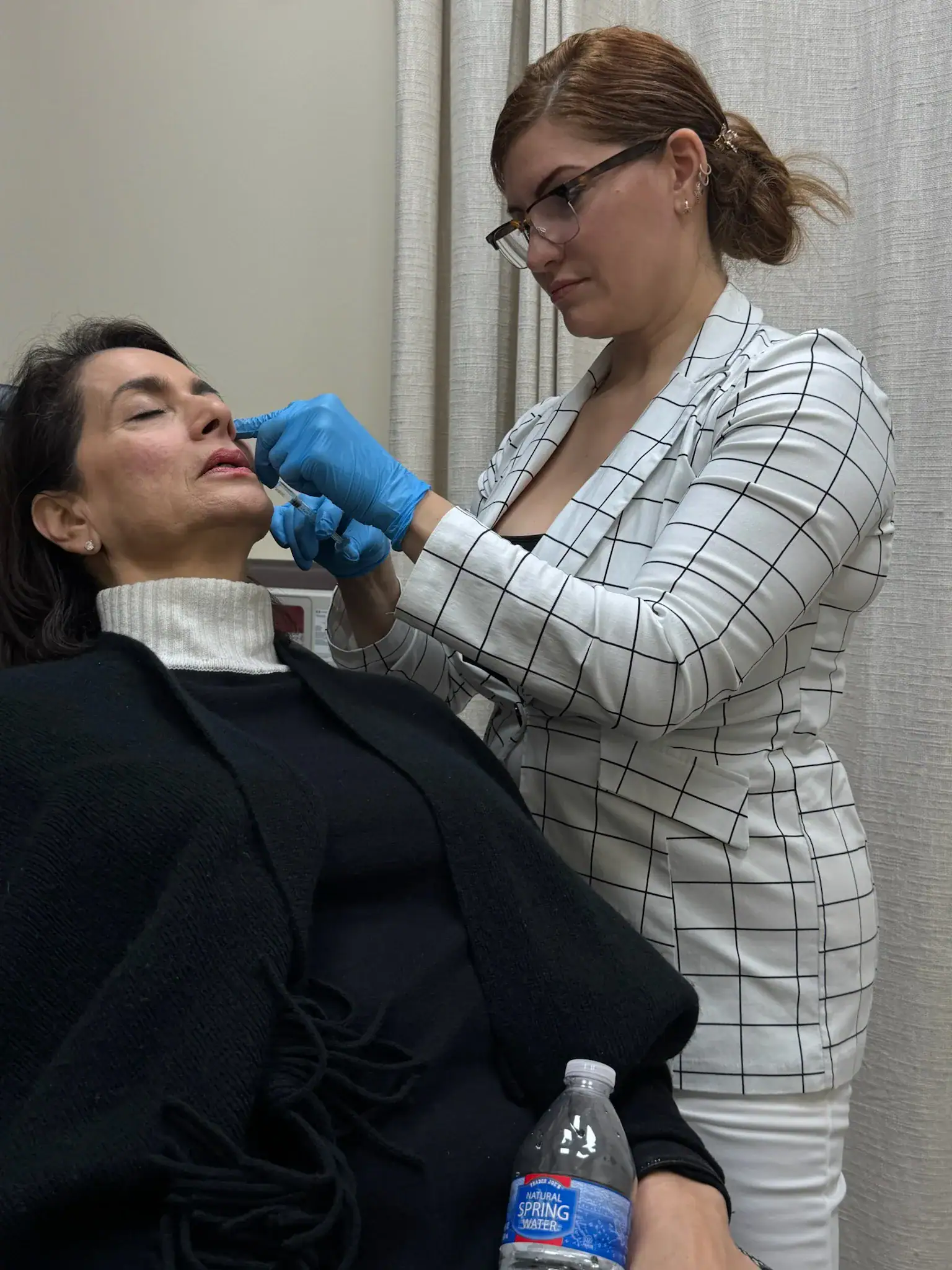
There’s a version of filler results that made everyone nervous — the overfilled lips, the pillow cheeks, the face that looked like it was trying too hard. That era is fading fast. What’s replacing it is quieter, more personal, and honestly more interesting. People aren’t looking to change their faces anymore. They want to look like themselves — just more rested, more defined, more like how they feel on the inside. If you’ve been curious about dermal fillers but kept putting it off because you didn’t want to look “done,” this is worth reading.
What the "Quiet Aesthetics" Trend Actually Means for Dermal Fillers in 2026
The term gets used a lot, but here’s what it actually comes down to: people want results that no one can point to. Not “she got fillers” — just “she looks great.” That’s the goal. And it’s driving a significant shift in how we approach treatment and how our clients think about what they’re asking for.
The global dermal filler market is growing at over 12% annually, and the products leading that growth are hyaluronic acid-based fillers — the kind that integrate naturally with your tissue, look soft and real, and dissolve on their own over time. The trend isn’t just cultural. It’s backed by what people are actually choosing when they walk into a consultation at our Manhattan, Staten Island, and Paramus locations.
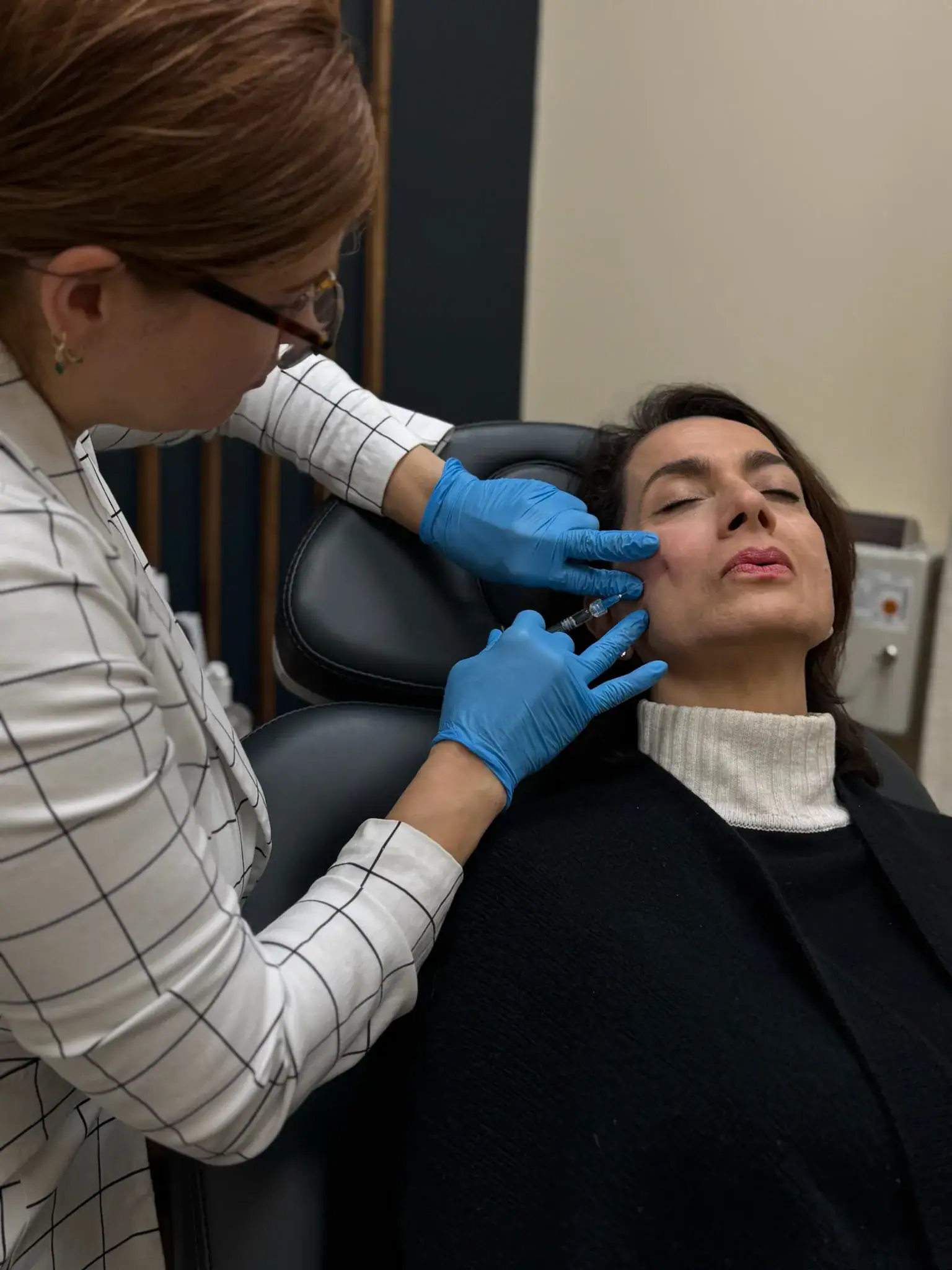
How Dermal Fillers Work — and Why the Natural Look Is Easier to Achieve Than You Think
Dermal fillers are injectable gels — most commonly made from hyaluronic acid, a substance your body already produces naturally. When placed precisely beneath the skin, they restore volume that’s been lost over time, smooth lines that show up even when your face is at rest, and add subtle definition to areas like the jawline, chin, or cheeks. The treatment itself typically takes between 10 and 30 minutes depending on how many areas are being addressed. Most people describe the sensation as a small pinch. You walk in, you get treated, and you return to your day.
The reason natural results are so achievable right now comes down to two things: better products and better technique. Hyaluronic acid formulations have advanced considerably — today’s fillers are designed to move with your face, not sit on top of it. But technique matters just as much as the product. A skilled injector who understands facial anatomy knows that less is almost always more. We’re not filling a space — we’re restoring balance. The goal is for your face to look harmonious, not altered.
One thing worth knowing: hyaluronic acid fillers are reversible. If you ever want them dissolved, an enzyme called hyaluronidase can break them down quickly. That’s a meaningful safety net for anyone who’s been hesitant because they worried about being stuck with results they didn’t love. And even without dissolution, the filler naturally metabolizes over 6 to 18 months depending on the area treated and your individual biology.
What separates a great outcome from a disappointing one isn’t really the product — it’s the person holding the syringe. That’s why choosing your provider carefully matters more than almost anything else in this process.
Botox vs. Dermal Fillers — Understanding the Difference Before You Book
This comes up constantly, and it’s worth clearing up before anything else. Botox and dermal fillers are not the same thing, and they don’t do the same job. Botox works by relaxing the muscles that cause expression lines — the crow’s feet, the forehead lines, the furrow between your brows. It doesn’t add volume. It softens movement. Dermal fillers, on the other hand, address the volume loss and static lines that are visible even when your face is completely relaxed. Hollowed cheeks, thinning lips, under-eye shadows, smile lines that have deepened over the years — that’s filler territory.
Many clients benefit from both, used together as part of a thoughtful treatment plan. Botox handles the dynamic lines; fillers handle the structural ones. When the two are balanced correctly, the result looks cohesive and natural — not like a patchwork of separate treatments. We assess your face as a whole and recommend what actually makes sense for your specific anatomy, which might be one, the other, or a combination of both.
There’s also a third option worth mentioning: Sculptra. Unlike hyaluronic acid fillers, Sculptra works by stimulating your body’s own collagen production over time. It’s a slower, more gradual approach that builds volume from the inside out — appealing to clients who want results that emerge subtly over several months rather than immediately. It’s particularly effective for overall facial volume restoration in clients who’ve experienced significant loss over time.
The right answer for you depends on what you’re actually seeing in the mirror and what you’re hoping to change. That’s exactly the kind of conversation worth having before any treatment is scheduled — which is why a real, unhurried consultation is the most important first step.
Want live answers?
Connect with a House of Ness expert for fast, friendly support.
How to Choose a Dermal Filler Provider in Manhattan, Staten Island, or Paramus
The number of places offering dermal fillers across Manhattan, Staten Island, and Paramus has grown significantly. That’s mostly a good thing — more access, more options. But it also means the quality range is wide, and knowing how to tell the difference matters.
The legal bar for who can inject fillers varies, but “legally permitted” and “genuinely qualified” are not the same thing. In New York and New Jersey, fillers can be administered by physicians, nurse practitioners, physician assistants, and registered nurses under physician supervision. What that doesn’t tell you is how many procedures they’ve performed, how deep their training in facial anatomy goes, or whether a physician with real credentials is actually involved in your care.
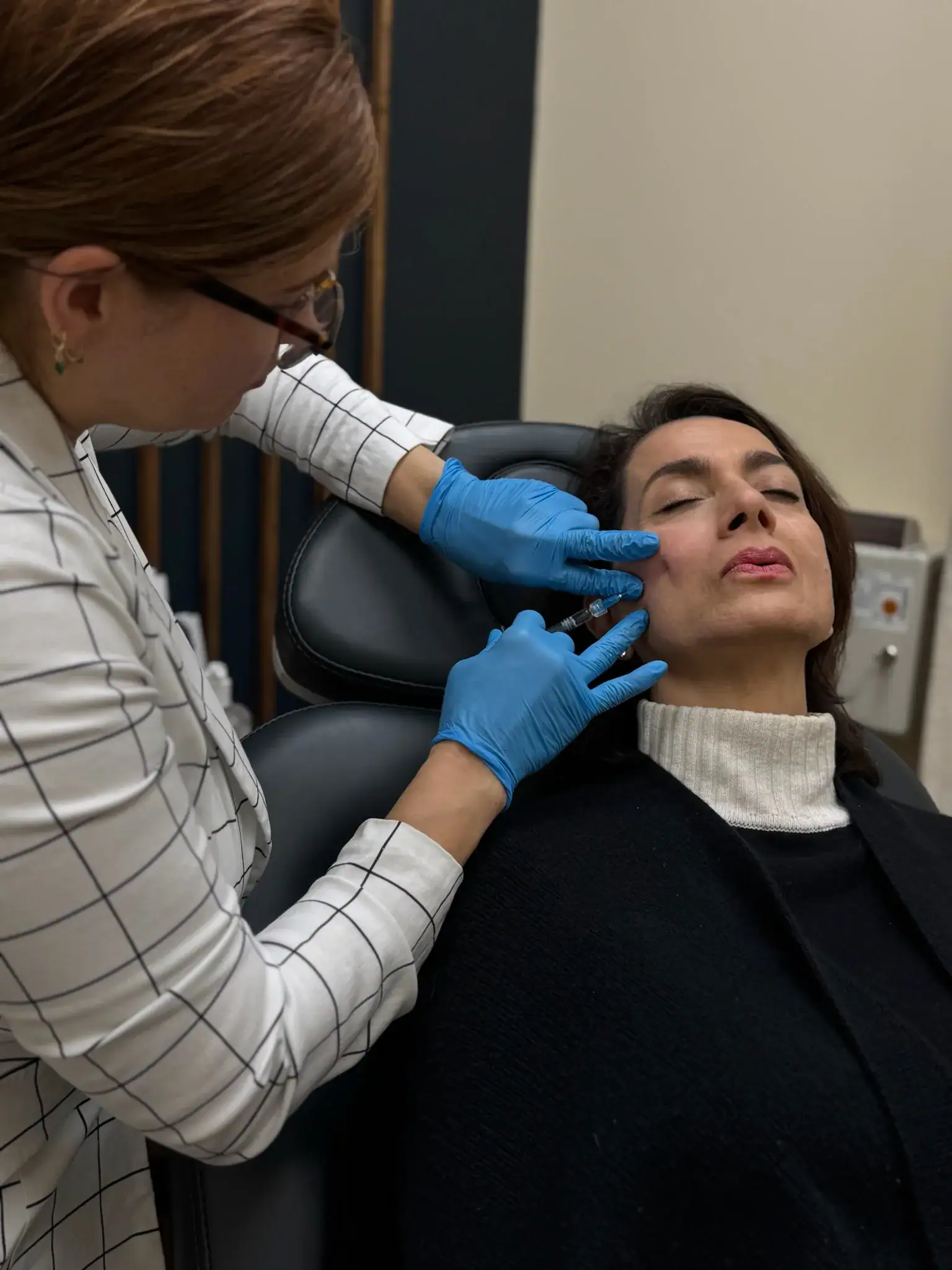
What Manhattan, Staten Island, and Paramus Clients Should Ask Before Trusting Anyone With Their Face
In markets as competitive as Manhattan or as research-driven as Staten Island and Paramus, consumers are savvy. They’re comparing multiple providers, reading reviews carefully, and asking better questions than they were five years ago. Here’s what actually matters when you’re evaluating a practice.
First, ask about physician oversight — not just whether there’s a medical director on paper, but whether a board-certified physician is genuinely involved in the clinical standards of the practice. There’s a meaningful difference between a physician who signs off on paperwork and one whose surgical expertise actually shapes how every injector on the team approaches facial anatomy. The latter produces better, safer results.
Second, ask about product sourcing. It sounds like a strange thing to ask, but counterfeit and gray-market fillers are a documented problem in the aesthetics industry. The FDA has issued specific warnings about unapproved Juvederm products that are not authorized for use in the United States. A practice that is a verified, platinum-level partner with Allergan — the manufacturer of Juvederm — is sourcing directly from the manufacturer. That’s not a marketing claim. It’s a supply chain guarantee.
Third, look at the consultation experience. If it feels like a sales pitch — if you’re being pushed toward a package before anyone has looked at your face — that’s a signal worth paying attention to. We’re confident in our work, so we don’t need to pressure you. We’ll tell you what we see, what we’d recommend, and what realistic results look like for your specific anatomy. Then we’ll let you decide.
Finally, ask about follow-up care. A two-week check-in with included touch-ups isn’t standard across the industry. When a practice builds it into the service at no additional cost, it’s telling you something about how we think about our work — and our accountability to the outcome.
FAQs About Dermal Fillers From Clients in Manhattan, Staten Island, and Paramus
These are the questions we hear most often — the ones people ask before they book, and sometimes the ones they wish they’d asked sooner.
**How long do dermal fillers last?** It depends on the area treated and the specific product used. Most hyaluronic acid fillers last between 6 and 18 months. Lip fillers tend to metabolize faster than cheek or jawline fillers. Sculptra, which stimulates collagen rather than adding immediate volume, can last two years or more. During your consultation, we’ll give you a realistic timeline based on what you’re looking to treat.
**Does it hurt?** Most clients are surprised by how manageable it is. Topical numbing cream is applied beforehand, and for lip treatments, a dental block is an option that significantly reduces discomfort. The injection itself is brief. A little tenderness afterward is normal; significant pain is not.
**How much do dermal fillers cost in Manhattan, Staten Island, and Paramus?** In our area, one syringe typically ranges from $600 to $800. Some clients need one syringe for a single area like the lips. Others addressing multiple areas — cheeks, nasolabial folds, and jawline together — may need two or three. We go over exact pricing during the complimentary consultation so you know the full picture before making any decisions. No surprises.
**I’m in Staten Island — do I really need to go into Manhattan for quality treatment?** No, and that’s exactly the point. Staten Island residents have historically had to make that commute for premium injectable care. We have locations in Sunnyside and Grasmere specifically because that commute shouldn’t be the barrier between you and a great result. The quality is the same. The bridge toll isn’t required.
**I live in Paramus — how do I know the provider is actually qualified?** Bergen County has no shortage of med spas, and the range in quality is real. What distinguishes our Paramus practice is physician oversight from a Board-Certified Plastic Surgeon — not a courtesy title, but genuine surgical expertise informing how every treatment is approached. That level of anatomical knowledge isn’t standard across practices in the area, and it matters when placement precision is the difference between a natural result and one that doesn’t look right.
**Can fillers be reversed if I don’t like the result?** Yes. Hyaluronic acid fillers can be dissolved with hyaluronidase if needed. It’s not a common outcome when treatment is done well, but knowing it’s an option tends to make the decision feel less permanent — because it isn’t.
Ready to See What Natural-Looking Dermal Fillers Can Do for Your Face?
The shift toward quieter, more natural aesthetics isn’t a passing trend. It reflects something real about what people actually want — to look like themselves, just at their best. And the good news is that’s exactly what well-placed, well-chosen fillers can deliver when the person doing the work knows what they’re doing.
If you’ve been thinking about this for a while and keep finding reasons to wait, a no-pressure consultation is the lowest-stakes way to get real answers. You’ll leave knowing what’s possible for your specific face, what it would cost, and what the process actually looks like — with no obligation attached.
Reach out to House of Ness to schedule your complimentary consultation. Whether you’re in Manhattan, Staten Island, or Paramus, the conversation starts whenever you’re ready.
Article details:
- Published by:
- House of Ness
- Published to:
- Last modified:
- July 10, 2026
Share:
Continue learning: