Top Reasons New York Residents Are Choosing PRP Facials for Natural Skin Rejuvenation
New York residents are skipping the synthetic treatments and choosing PRP facials for skin that looks genuinely refreshed — here's what's driving that shift.
Share:
Summary:
There’s a particular kind of frustration that comes with spending real money on skin treatments and still not seeing the change you were hoping for. If you live in New York — especially on the Upper East Side, where the options are endless and the standards are high — you’ve probably tried a few things that didn’t quite deliver. PRP facials are getting a lot of attention right now, and not without reason. This isn’t a trend built on hype. It’s a treatment with decades of clinical use behind it, and the results speak for themselves. Here’s what you actually need to know.
What Is a PRP Facial and How Does It Actually Work?
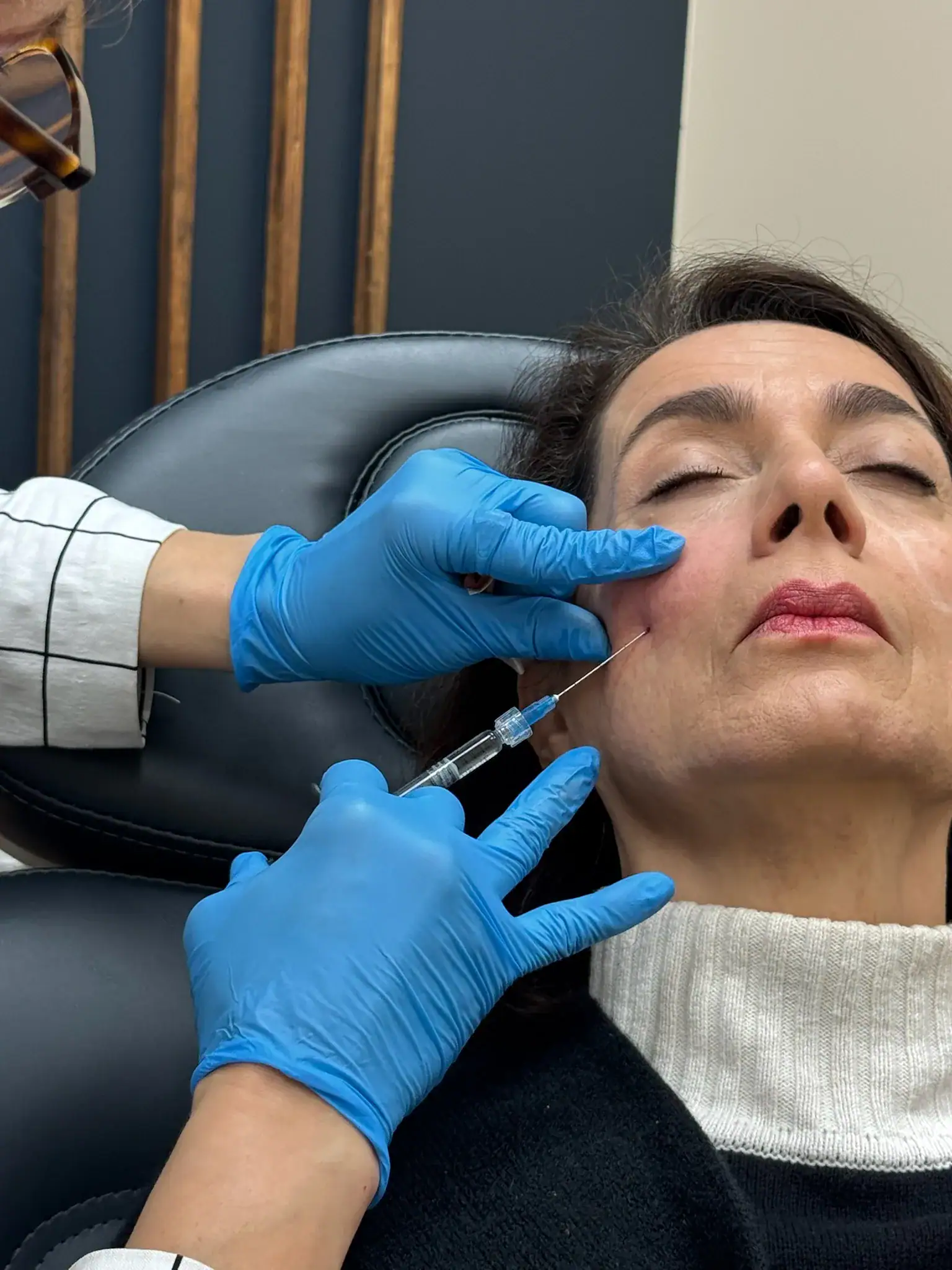
PRP stands for platelet-rich plasma. The treatment starts with a small blood draw — similar to what you’d have at any routine medical appointment — and from that sample, your blood is processed in a centrifuge to concentrate the platelets. What you’re left with is a golden serum packed with growth factors that your skin uses to repair and regenerate tissue.
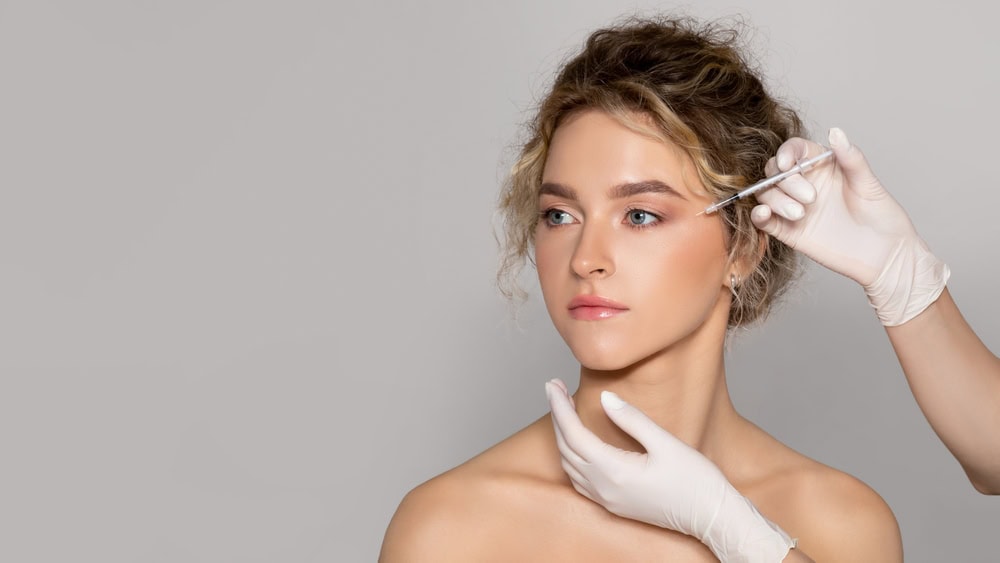
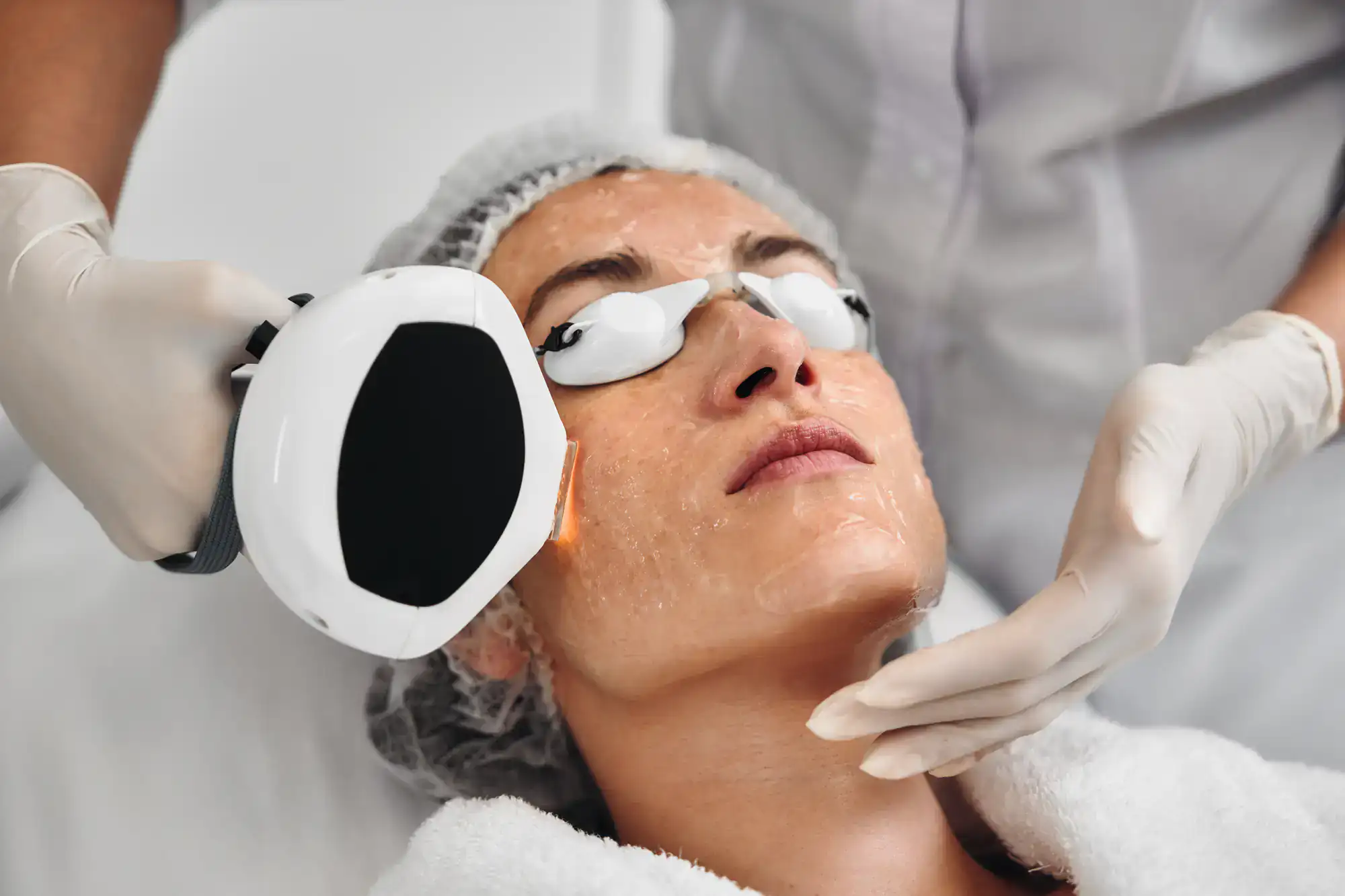
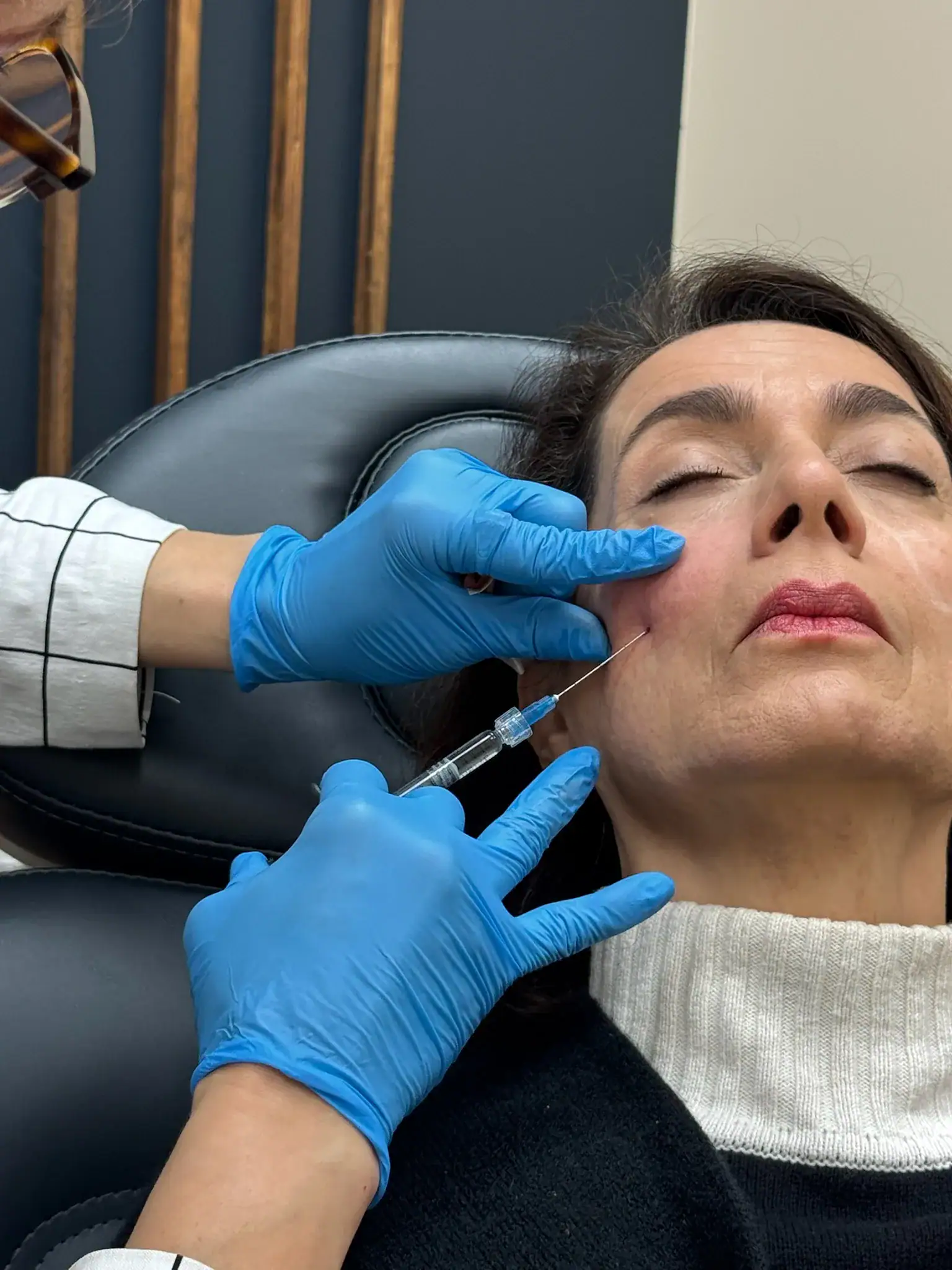
That concentrated plasma is then applied to your skin in combination with microneedling, which creates micro-channels that allow the growth factors to penetrate deeply into the dermis rather than sitting on the surface. The result is genuine collagen stimulation — not a topical effect, but a biological response that continues developing for months after your appointment.
You may also hear this referred to as a vampire facial. That name comes from the early days of the treatment and the reddish appearance of unprocessed blood. Modern PRP looks nothing like that — it’s a clear, golden serum — and the clinical name is more accurate to what’s actually happening.
What Does a PRP Facial Actually Treat?
This is where a lot of people are surprised. PRP facials are often associated with anti-aging, but the treatment addresses a much wider range of concerns than fine lines alone.
Acne scarring is one of the most compelling use cases. Published clinical data shows moderate to excellent improvement in acne scarring at both three and six-month follow-ups, with documented improvement rates above 52% in treated areas. For people who’ve spent years trying lasers, chemical peels, and topical retinoids without lasting results, that’s meaningful. PRP works at the tissue level — it stimulates actual repair rather than resurfacing the skin from the outside in.
Beyond scarring, a platelet rich plasma facial is clinically documented to improve skin texture, reduce enlarged pores, address hyperpigmentation, and even reduce the appearance of dark circles and under-eye hollowness. A review of 24 clinical studies involving 480 patients found roughly a 50% reduction in fine lines and wrinkles, with patient satisfaction exceeding 90% at the three-to-six month mark when collagen remodeling peaks.
For New York residents specifically, there’s another layer worth naming. The city’s environment — the pollution, the stress, the constant cycling between heated buildings and cold air, the irregular sleep that comes with a demanding schedule — accelerates skin aging in ways that people outside major urban centers don’t experience at the same rate. PRP’s ability to improve skin thickness, collagen density, and overall radiance makes it particularly well-suited to address what the city does to your skin over time. It’s not just about looking younger. It’s about looking like yourself again — rested, even, alive.
The treatment is also not limited to one demographic. While women between 30 and 60 make up the majority of PRP patients, men are an increasingly significant portion of the client base, particularly in professional environments where appearance is tied to credibility and confidence.
How Many PRP Facial Treatments Do You Need to See Results?
A single session produces real benefit — you’ll likely notice improved texture and a refreshed quality to your skin within days to a few weeks. But the full effect of PRP develops gradually, and most clinical protocols recommend a series of three treatments spaced four to six weeks apart for optimal results.
Here’s why that matters: collagen remodeling takes time. The growth factors released during your treatment signal your skin to produce new collagen, and that process continues for months. Peak results typically appear between three and six months after your final session in the series. What you’re seeing at that point isn’t just the treatment working — it’s your skin’s own biology responding and rebuilding.
After completing a series, most people maintain their results with a follow-up treatment every six to twelve months, depending on their skin’s response and their goals. This isn’t a one-and-done procedure, but it’s also not a constant commitment. Think of it more like a skincare investment with compounding returns — each session builds on the last.
One thing worth understanding before you book: the quality of your results depends heavily on how the PRP is prepared. Proper centrifugation is essential to achieving a high platelet concentration with low red blood cell contamination. Inadequate processing produces a weaker product with fewer growth factors, which means less clinical benefit. This is one of the clearest reasons why provider selection matters as much as the treatment itself. A med spa cutting corners on equipment or protocol won’t get you the same outcome as one operating to medical-grade standards — and in New York, you have every reason to hold providers to that standard.
Discomfort is another common question. With numbing cream applied about 45 minutes before the procedure, most clients rate the experience at around a five or six out of ten — manageable and temporary. The redness and sensitivity that follow typically resolve within 24 to 48 hours, and the majority of people return to their normal routine the next day. This is not a treatment that requires you to hide for a week.
Want live answers?
Connect with a House of Ness expert for fast, friendly support.
How to Choose a PRP Facial Provider in New York
New York has no shortage of med spas offering PRP facials. That’s both a good thing and a reason to be careful. Because PRP involves a blood draw and reinjection, it is a medical procedure — and the qualifications of the person performing it, and the standards of the facility doing it, genuinely matter for both your safety and your results.
The American Academy of Dermatology is explicit on this point: the safety of PRP depends entirely on sterile blood handling and the qualifications of the provider. That’s not a technicality. Improperly handled blood creates real infection risk. Undertrained injectors create real anatomical risk. In a market as saturated as New York City, it’s worth knowing what to look for before you commit.
What Credentials Should a PRP Facial Provider in New York Have?
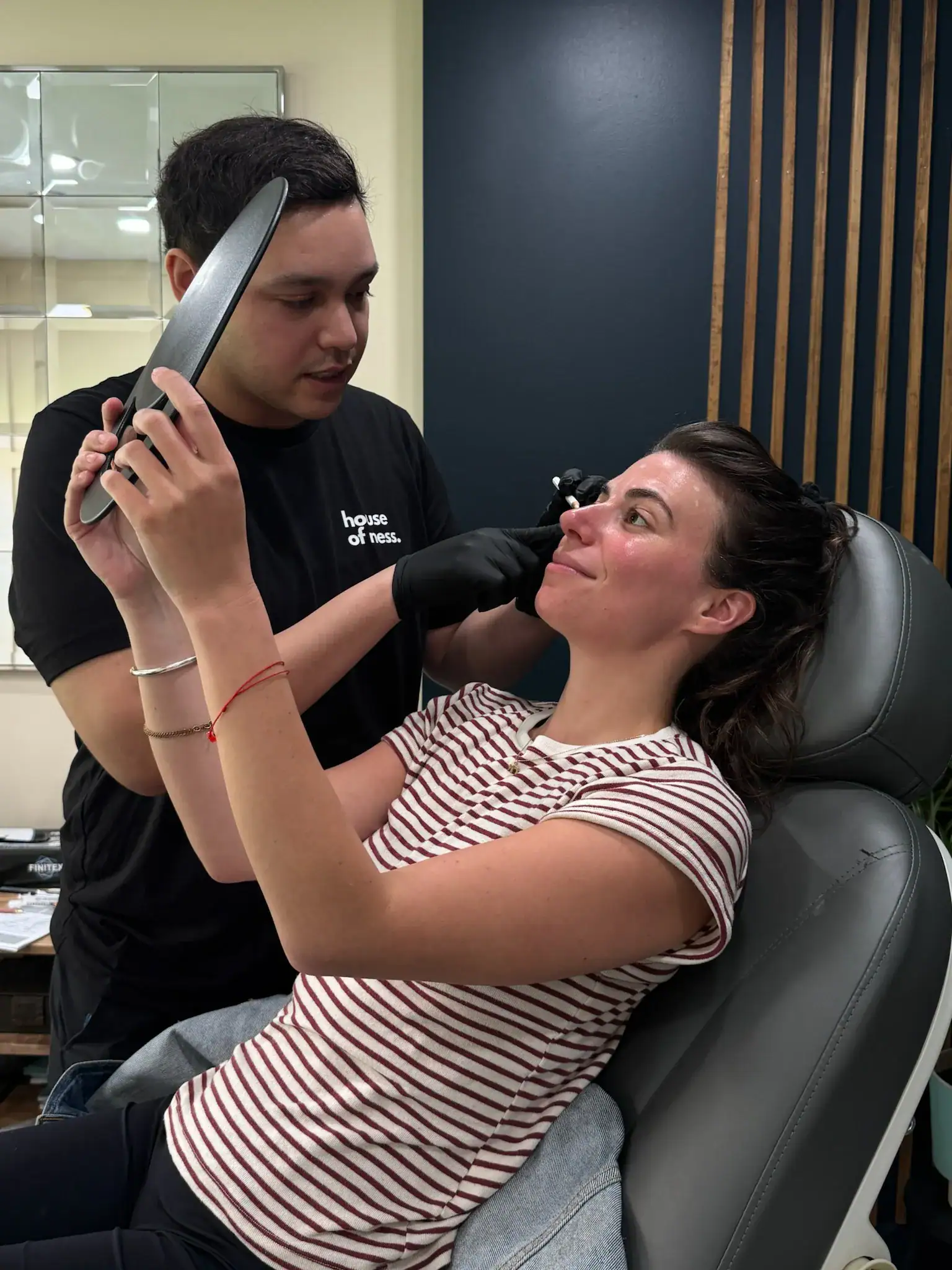
The baseline requirement in New York is that PRP facial procedures must be performed by or under the direct supervision of a licensed medical professional. That means a physician, nurse practitioner, or physician assistant — not an aesthetician working independently, and not a spa operating without medical oversight.
Beyond that baseline, physician leadership matters. A provider led by a board-certified plastic surgeon brings a level of anatomical knowledge and medical judgment that goes well beyond what most med spas offer. When a provider understands the structural layers of the face — not just how to perform a procedure but why specific decisions are made at specific depths — the results are different. The safety profile is different.
Injector credentials are equally important. Look for active medical licenses, training in facial anatomy, and — critically — training in emergency protocols. Adverse events in aesthetic medicine are rare, but they happen. A qualified team knows how to respond. An unqualified one doesn’t.
For New York residents on the Upper East Side, this matters in a particular way. The neighborhood is home to some of the country’s leading medical institutions — Weill Cornell Medicine and NYU Langone are both nearby — and the local standard of care reflects that. Patients in this area are accustomed to working with providers who take credentials seriously, and they should expect nothing less from a med spa.
Third-party validation is also worth factoring in. Allergan’s platinum partnership designation is awarded only to practices that meet strict standards for safety, technique, and patient satisfaction volume. Very few New York City practices hold platinum status. It’s a concrete, earned credential — not a purchased title — and it tells you something real about how a practice operates.
Why the Follow-Up Appointment Matters More Than Most People Realize
Here’s something that doesn’t get discussed enough when people are comparing PRP providers in New York: what happens after your treatment is just as important as the treatment itself.
Most med spas consider the appointment over when you walk out the door. You might get a skincare recommendation sheet, maybe a follow-up email. But we believe that genuine investment in your outcome means seeing you again — not to sell you another service, but to assess how your skin responded and make any adjustments while there’s still time to make a difference.
A two-week follow-up gives us a chance to evaluate your results during the early phase of healing, address any concerns, and apply a touch-up if your skin needs it. That kind of follow-through isn’t just good medicine — it’s a signal about how we view our relationship with you. It’s the difference between a transaction and a treatment.
For anyone who has had a disappointing experience at another med spa — felt rushed through an appointment, received no aftercare guidance, or found that results didn’t match what was promised — this is the detail worth paying attention to when you’re evaluating providers. It’s easy for a business to say they care about results. The ones that actually mean it build the follow-up into the process from the start.
Integrating medical-grade skincare with your PRP treatment is the other piece of this that gets undervalued. PRP stimulates collagen production, but protecting and extending those results requires the right products used correctly at home. We think about your skin as a whole — not just the treatment we’re performing that day — and we give you a skincare plan that works alongside your results, not against them. That kind of holistic approach is rarer than it should be, and it makes a measurable difference in how long your results last and how good your skin looks between sessions.
Ready to Try a PRP Facial in New York? Here's What to Do Next.
If you’ve been thinking about a PRP facial for a while — researching, comparing, maybe hesitating — the most useful next step is a conversation with a qualified provider who can look at your skin and give you an honest assessment. Not a sales pitch. An actual evaluation of whether this treatment makes sense for your specific concerns, your timeline, and your goals.
Fall and winter are genuinely the best time to pursue PRP in New York. Lower UV exposure, a natural lead-up to the spring social season, and the city’s indoor-heavy schedule all make this the ideal window for treatment. If you’ve been putting it off, now is a reasonable time to stop waiting.
We see clients at our Upper East Side location at 162 East 78th Street and at our Staten Island location at 2935 Veterans Road West in Tottenville. Every new client starts with a complimentary consultation — no pressure, no obligation, just a real conversation about what you’re dealing with and what’s actually possible. That’s our standard, and it’s where every good outcome begins.
Article details:
- Published by:
- House of Ness
- Published to:
- Last modified:
- July 10, 2026
Share:
Continue learning: