Botox Injections in New York: The Latest Trends for Smoother, Younger-Looking Skin
Thinking about Botox in New York but not sure where to start? Here's what actually matters — from how it works to how to find someone you can trust.
Share:
Summary:
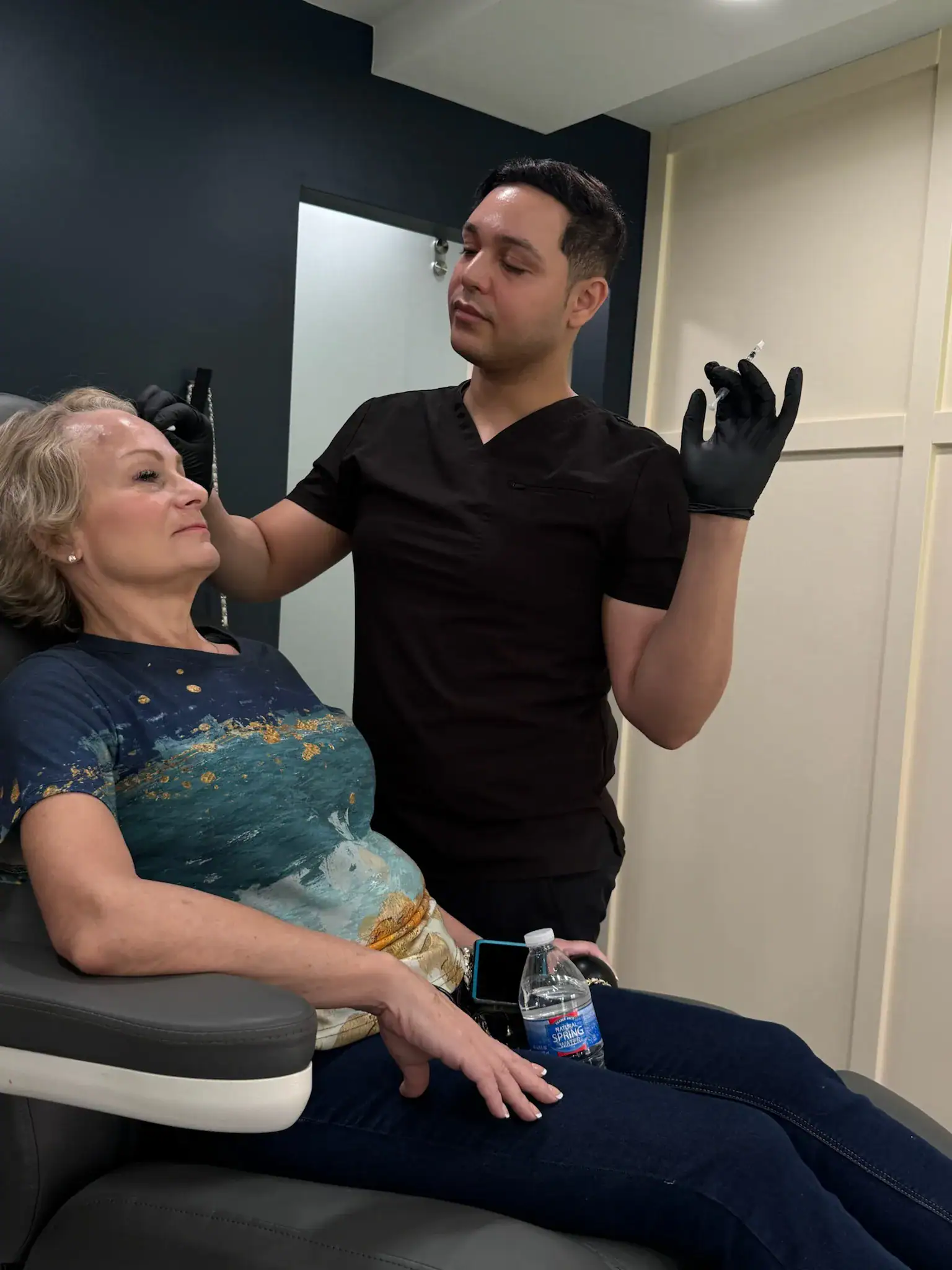
You’re not looking to look different. You just want to look like yourself again — the version that doesn’t look exhausted by Tuesday. Maybe it’s the forehead lines that show up in every photo, or the frown lines that make you look annoyed even when you’re not. Whatever it is, you’ve been thinking about Botox for a while, and you’re finally ready to get real information instead of vague reassurances.
This page covers how Botox actually works, what the latest trends look like in New York, and — maybe most importantly — how to tell the difference between a provider worth trusting and one who just has a nice Instagram.
How Botox Injections Work for Wrinkle Reduction
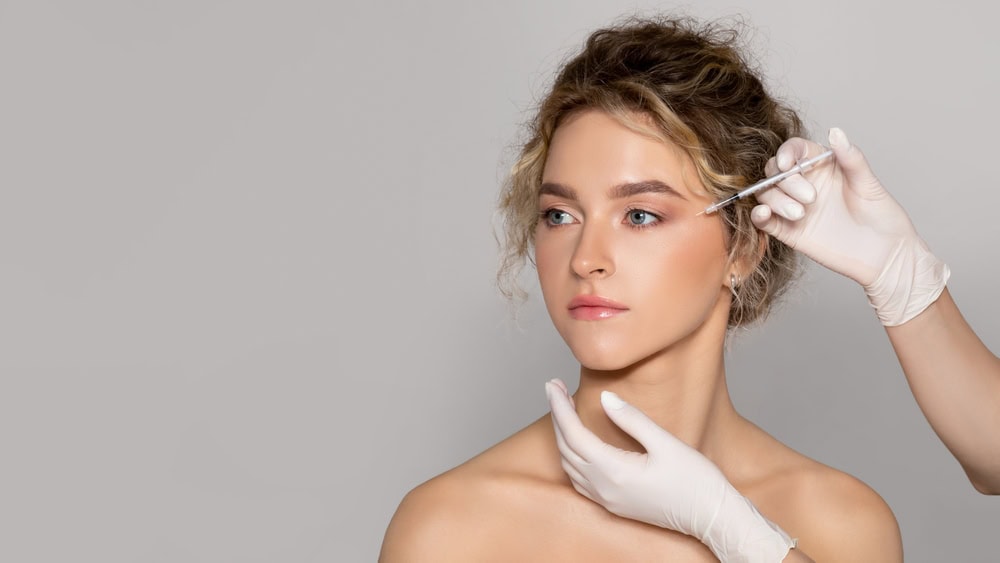
Botox is a purified form of botulinum toxin that temporarily relaxes the specific facial muscles responsible for expression lines. When those muscles can’t contract as forcefully, the skin above them smooths out. It doesn’t fill anything in — that’s what dermal fillers do — it simply reduces the muscle movement that causes lines to form in the first place.
Results aren’t instant. Most people start noticing changes around day three to five, with full results visible at the two-week mark. From there, you’re typically looking at three to four months before the effects gradually wear off and muscle activity returns to normal. Nothing permanent, nothing dramatic — just a quieter version of the movements that were creasing your skin.
What Areas Can Botox Actually Treat?
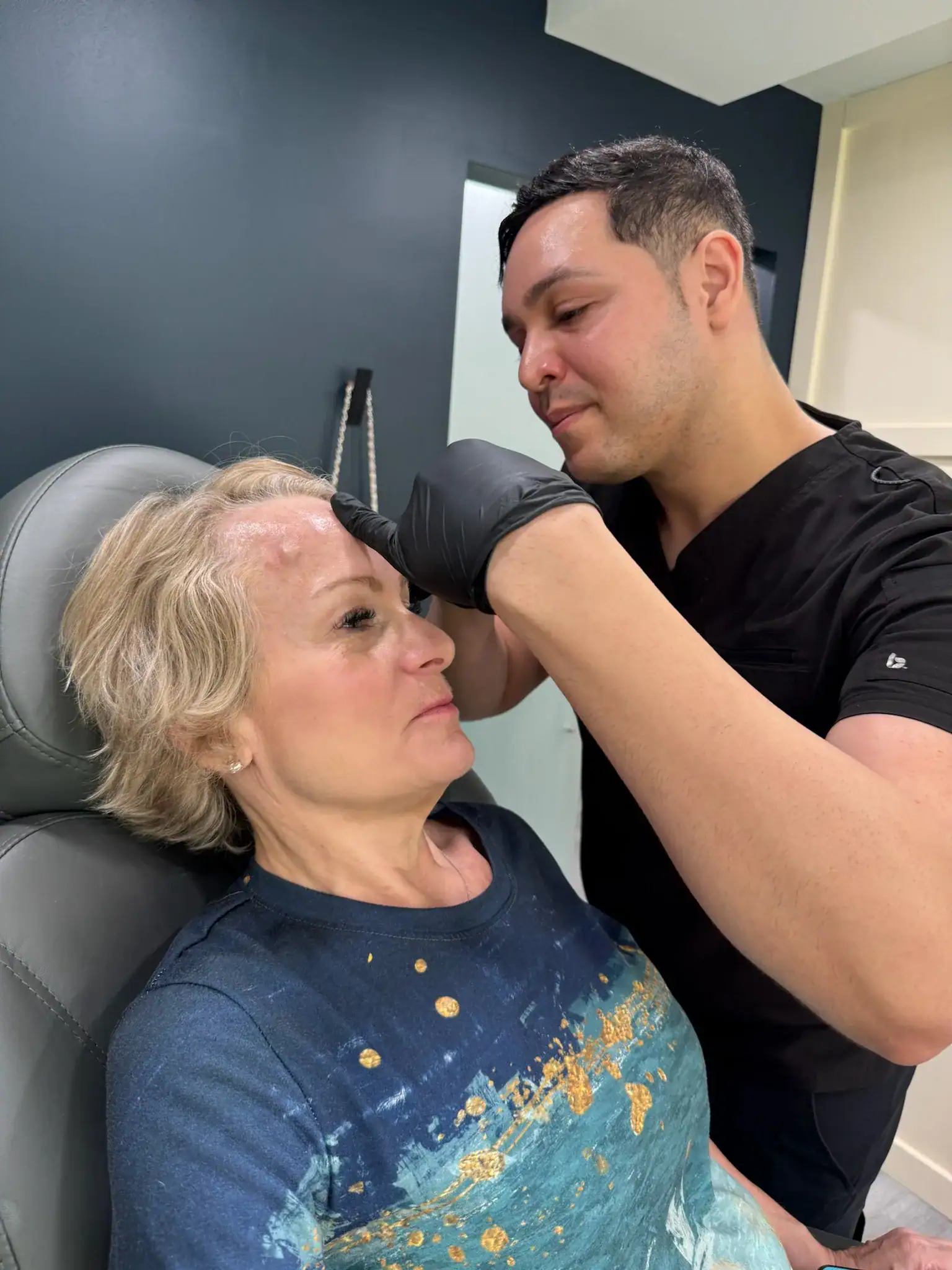
The most common treatment areas are the forehead, the space between the brows (the “11s” or glabellar lines), and the outer corners of the eyes where crow’s feet form. These three areas account for the majority of Botox appointments, and for good reason — they’re where expression lines tend to show up first and most visibly.
But the scope of what Botox can address goes further than most people realize. Neck bands and horizontal neck lines respond well to targeted injections. The masseter muscle — the jaw muscle responsible for chewing — can be treated to slim the lower face and relieve TMJ-related tension and teeth grinding. There’s also the brow lift, which uses precise placement to give the brow a subtle upward shift without surgery, and the lip flip, which relaxes the muscle just above the upper lip to create a slightly fuller appearance without adding volume.
The reason this matters is that Botox isn’t a one-size-fits-all treatment. A forehead that moves a lot needs a different approach than one that barely moves. Someone with a strong masseter muscle needs a different dosing conversation than someone treating fine crow’s feet. The more specific your provider gets about your anatomy and your goals, the more natural your results will look. Generic dosing is exactly how people end up looking frozen — not the treatment itself, but the lack of precision behind it.
What you’re treated for, and how much product is used, should come out of a real conversation about your face specifically — not a menu of standard packages.
Preventative Botox: Why New Yorkers in Their 20s and 30s Are Starting Earlier
One of the most significant shifts in cosmetic injectables over the last few years is the rise of preventative Botox — sometimes called baby Botox or prejuvenation. The idea is straightforward: if you start with small doses before deep lines form, you can slow the process of those lines becoming permanently etched into the skin. You’re not treating a problem yet; you’re preventing one.
About 24% of Botox treatments are now performed on patients between the ages of 19 and 34. That’s a meaningful shift in how younger patients are thinking about long-term skin health. In New York, where appearance is often tied to professional identity and social visibility, it makes practical sense to stay ahead of the curve rather than play catch-up.
Preventative Botox typically involves fewer units and less frequent appointments than corrective treatment. The goal isn’t to eliminate all movement — it’s to reduce the repetitive muscle contractions that, over years, turn dynamic lines (the ones that appear when you make an expression) into static lines (the ones that stay even when your face is at rest). Starting earlier generally means needing less product over time, which is both a better aesthetic outcome and a more economical one.
If you’re in your late 20s or early 30s and you’ve started noticing lines that linger after you stop making an expression, that’s often the right time to have a conversation about it. Not a sales conversation — an honest one about whether treatment makes sense for you right now, and what a conservative approach would look like.
Want live answers?
Connect with a House of Ness expert for fast, friendly support.
Choosing a Botox Provider in New York
New York has no shortage of places offering Botox injections. The range runs from board-certified plastic surgeon-led medical spas to pop-up events in rented spaces, and the gap in quality between those two ends is significant. New York State requires physician supervision for Botox administration — but “supervision” can mean very different things in practice. Some medical directors are actively present and overseeing every treatment. Others are listed on paper and rarely step foot in the building.
A 2024 inspection found that 26% of med spas had expired credentials. That’s a real reason to ask direct questions before you book anywhere.
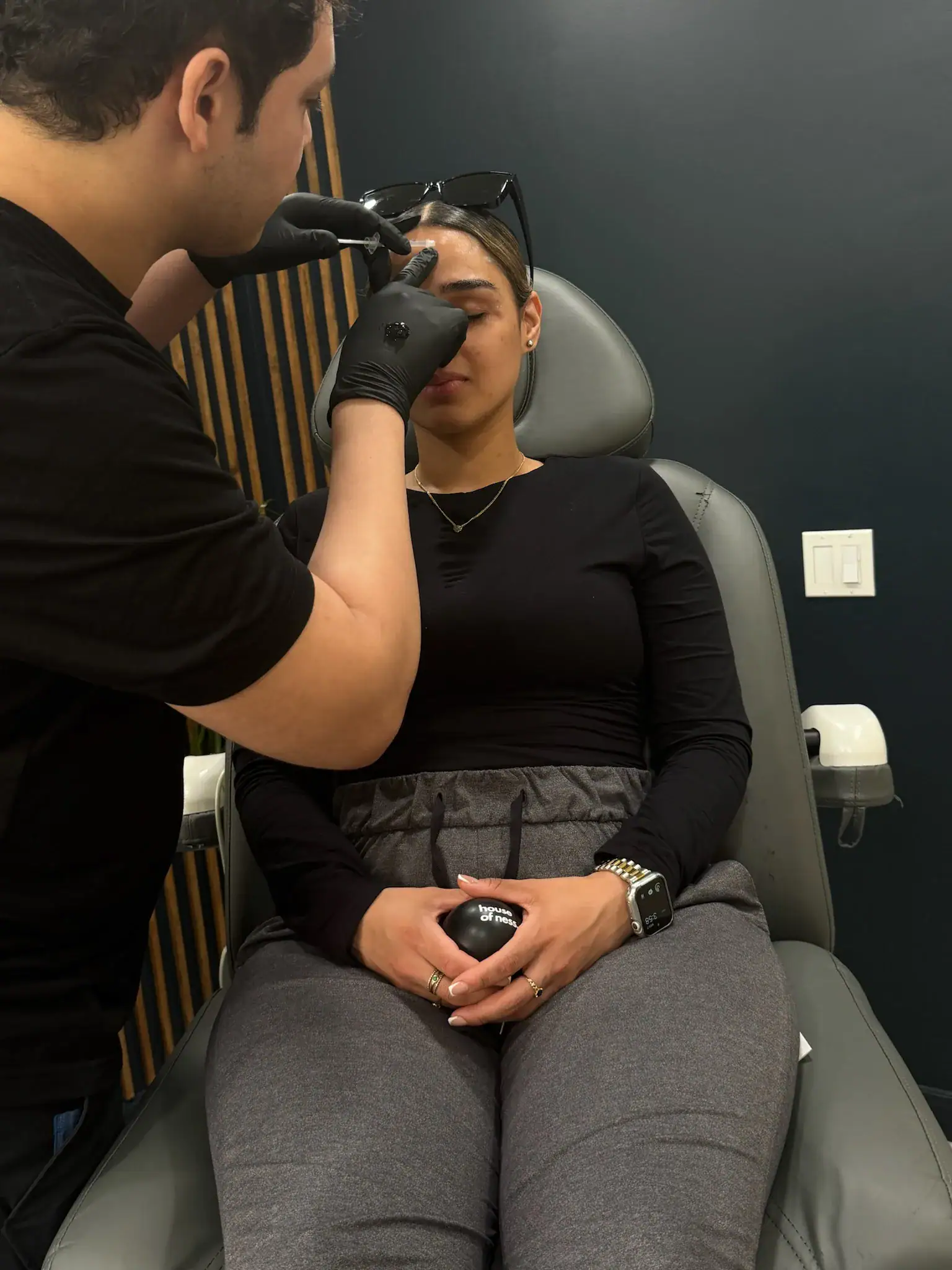
What to Look for in a New York Botox Injector
The most important thing you can verify is who is actually overseeing your care — not just who’s listed on the website. In New York, Botox can be administered by licensed registered nurses, nurse practitioners, and physician assistants, but only after a prescriber has performed a good-faith examination and issued an order. The quality of that oversight matters enormously, both for safety and for results.
Board certification in a relevant specialty — plastic surgery, dermatology, or facial plastic surgery — is the clearest signal that the physician leading the practice has deep, specific knowledge of facial anatomy. That background informs everything from how we train our injectors to how we handle complications if they arise. It’s a different level of clinical foundation than a practice where the medical director’s main role is signing paperwork.
Beyond credentials, look at how the consultation is handled. We spend real time assessing your facial structure, your muscle movement patterns, and what you’re actually hoping to achieve — before recommending anything. If you feel rushed, or if the conversation jumps straight to pricing and units without any real assessment, that’s worth paying attention to.
Product authenticity is another thing most people don’t think to ask about, but should. Counterfeit and diluted Botox is a documented problem, particularly in high-volume markets like New York City. Allergan, the manufacturer of Botox Cosmetic, has a tiered partner program, and practices at the Platinum level — the highest tier — are held to strict standards around product sourcing, training, and volume. It’s a concrete way to verify that what’s being injected is what it’s supposed to be.
Finally, ask about follow-up. A two-week check-in after your treatment isn’t just good practice — it’s how we demonstrate confidence in our own results. If a touch-up is needed, that appointment should be included, not billed separately.
Common Questions New Yorkers Ask Before Their First Botox Appointment
The question we hear most often is some version of: “Will I look frozen?” The honest answer is that the frozen look is a product of too many units, poor placement, or both — not Botox itself. When dosing is conservative and placement is precise, the muscle relaxes enough to smooth the skin without eliminating your ability to raise an eyebrow or show genuine emotion. The goal is a rested, natural version of your face — not a different face entirely. That’s why the two-week follow-up matters: it’s the moment when we can assess whether the balance is right and make adjustments if anything feels off.
People also ask how long results last, and the honest answer is that it varies. Most people see results for three to four months, but factors like metabolism, the treatment area, and how many units were used all play a role. First-time patients sometimes metabolize Botox faster. Over time, with consistent treatment, many people find they need slightly less product to maintain the same result — the opposite of the common fear that you’ll need more and more indefinitely.
A question that comes up specifically in New York is whether it matters where you go in the city. It does, and not just because of credential differences. We’re located at 162 E 78th St on the Upper East Side, where our clients include professionals, executives, and medical workers who understand physician oversight and expect it. That same expectation of clinical rigor is something we carry across all of our locations, including Staten Island, where our client base includes nurses, first responders, and military families — people who know what real medical standards look like and hold us to them.
One more question worth addressing directly: what happens if you stop getting Botox? Your face doesn’t rebound or worsen. Muscle activity gradually returns to its pre-treatment baseline, and any lines that reappear do so at the natural rate they would have anyway. Botox doesn’t accelerate aging — it simply pauses a portion of the muscle activity that contributes to it.
Ready to Explore Botox Injections in New York? Here's Your Next Step.
Botox works. When it’s done well — with the right provider, the right dosing, and a real conversation beforehand — it delivers exactly what most people are looking for: a version of themselves that looks rested, natural, and like they haven’t done anything obvious.
What makes the difference isn’t the treatment itself. It’s the person doing it, the oversight behind them, and whether they’re actually paying attention to your face or just moving through appointments.
If you’re somewhere in the research phase and still figuring out whether this is right for you, that’s exactly where a complimentary consultation makes sense. No commitment, no pressure — just a real conversation about what’s possible and what would actually make sense for you. We’re here when you’re ready.
Article details:
- Published by:
- House of Ness
- Published to:
- Last modified:
- July 10, 2026
Share:
Continue learning: