Why Medical Spas Are Booming in New York: Most Popular Treatments in 2026
New York's medical spa industry is expanding fast. Here's what's driving the boom, which treatments New Yorkers are choosing in 2026, and how to find a provider worth trusting.
Share:
Summary:
Something has shifted in how New Yorkers think about their appearance. It’s not about dramatic transformations or going under the knife. It’s quieter than that — a desire to look like yourself, just more rested, more refreshed, more like you feel on a good day. That shift is exactly what’s driving the medical spa boom across New York, and it shows no signs of slowing down. Whether you’ve been thinking about Botox for a while or you’re just starting to explore what non-invasive cosmetic procedures can actually do, understanding the landscape first makes all the difference.
Why the Medical Spa Industry Is Growing So Fast in New York
The numbers are hard to ignore. The U.S. medical spa industry has surpassed $17 billion in annual revenue, with the market projected to grow at a compound annual rate of around 14% through the end of the decade. Nationally, the number of medical spas climbed from roughly 1,600 in 2010 to nearly 9,000 by 2022 — and that figure continues to rise. New York City alone now has more than 140 medical spa providers listed across the five boroughs.
What’s fueling this? A few things converging at once. Non-invasive cosmetic procedures have become dramatically more effective over the past decade, and the treatments themselves are faster and more accessible than ever. Most injectable appointments take 30 minutes or less with no downtime — which, if you’ve ever tried to carve two hours out of a Manhattan afternoon, matters a great deal.
There’s also a generational shift at play. Younger clients are no longer waiting for wrinkles to appear before they start thinking about prevention. The idea of maintaining your appearance gradually — rather than correcting it aggressively later — has become the dominant mindset among New Yorkers in their late 20s through their 40s.

What Are the Most Popular Medical Spa Treatments in New York in 2026?
Facial injectables still lead the category by a wide margin, accounting for nearly half of all medical spa revenue nationwide. In New York, that tracks — Botox and dermal fillers remain the most requested treatments by a significant gap, and that’s unlikely to change anytime soon.
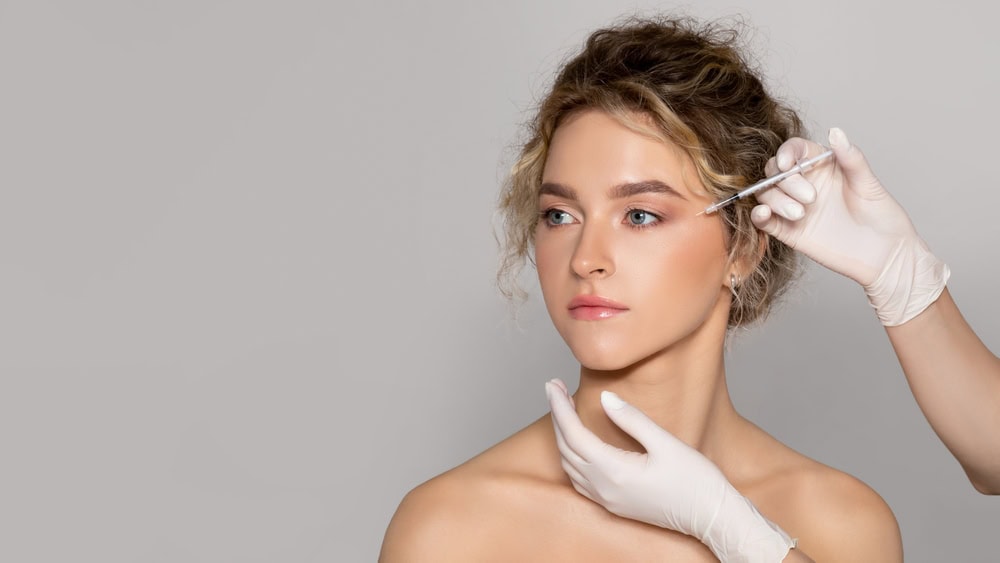
Botox, or neurotoxin injections more broadly, work by relaxing specific facial muscles to soften the appearance of lines and wrinkles. Results typically last three to six months, and when administered by a skilled injector, the outcome is subtle enough that most people won’t be able to point to what changed — they’ll just notice you look well-rested. The “frozen face” concern that kept a lot of people away from Botox for years is largely a product of over-injection by inexperienced providers. Done right, you keep your expressions. You just lose the tension.
Dermal fillers address a different problem. As we age, the face loses volume — in the cheeks, around the lips, under the eyes, along the jawline. Fillers restore that volume using hyaluronic acid-based products like Juvederm and Restylane, which integrate naturally into the tissue and can be adjusted or dissolved if needed. Results are immediate and typically last anywhere from six months to over a year depending on the area treated and the product used.
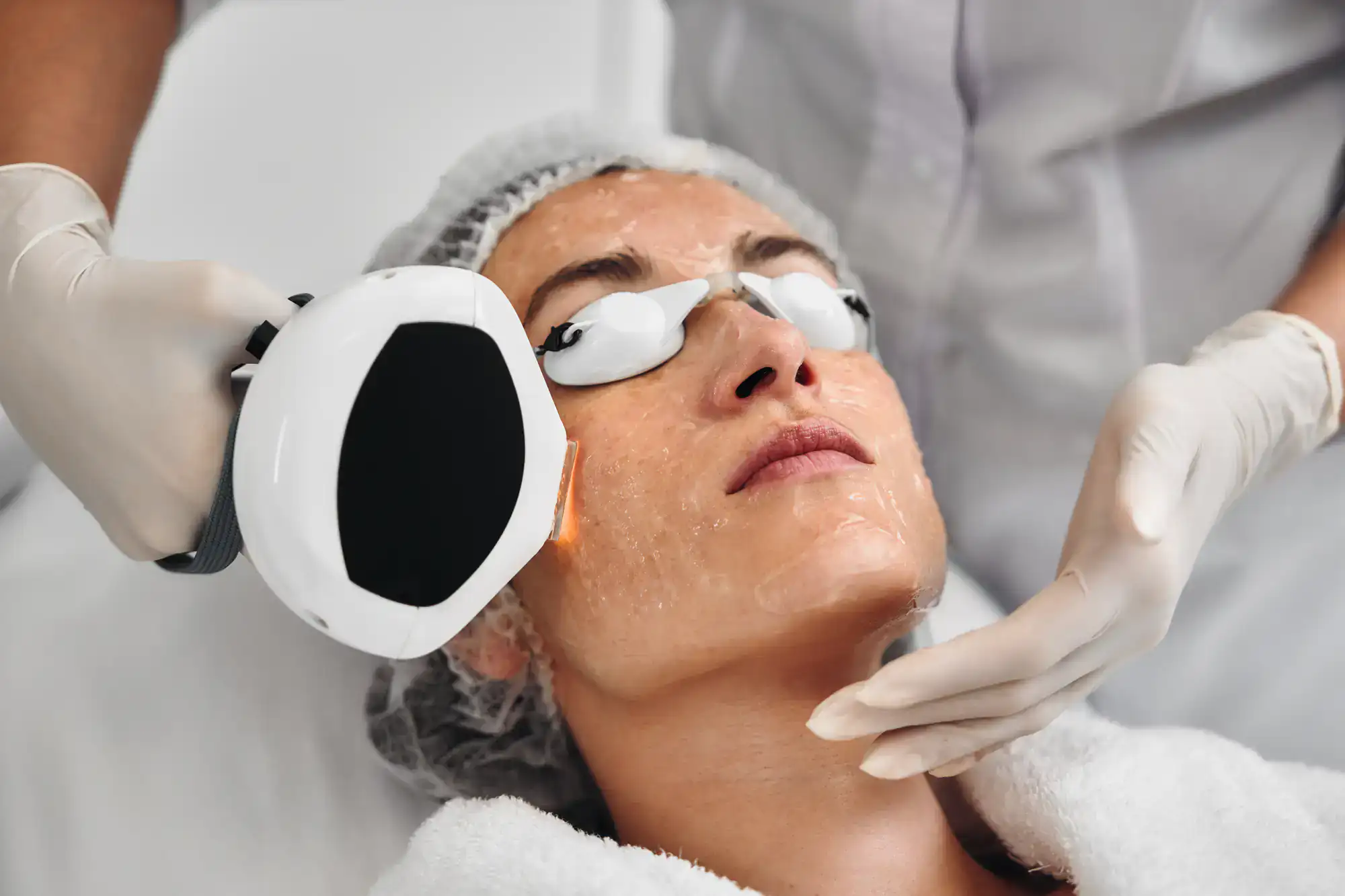
Beyond injectables, advanced facial treatments are surging. Procedures like the Aqua Gold microinfusion facial — which delivers a customized blend of neurotoxins, vitamins, and hydrating agents directly into the skin’s surface — are becoming a staple for clients who want a glow-up without committing to full injectable treatments. PRP therapy, which uses your own platelet-rich plasma to stimulate collagen production, is gaining traction among clients who prefer a more regenerative approach. PDO thread lifts, chemical peels, and medical-grade skincare programs round out the list of what New Yorkers are booking in 2026.
The through-line across all of it is the same: results that look natural, require minimal recovery time, and fit into a schedule that doesn’t have much room to spare.
How to Tell a Trustworthy Medical Spa from One That Isn't
This is where the conversation gets important — especially in New York. Between June and September of 2024, the New York City Council’s Oversight and Investigations Division, working alongside the NYS Department of Health and Department of Education, inspected 15 medical spas across the city. Every single one had health and safety violations. Seventy-three percent lacked proper medical oversight during procedures. Sixty percent were operating without required liability insurance. By the end of 2025, four of those businesses had closed.
That’s not meant to alarm you — it’s meant to arm you. Because the good providers are out there, and they’re easy to identify once you know what to look for.
Under New York State law, a medical spa must be owned and operated by a licensed physician. This isn’t a suggestion — it’s a legal requirement. Any practice performing treatments that penetrate beyond the skin’s surface falls under the state’s healthcare facility regulations, which means physician ownership and oversight are mandatory. When you’re evaluating a provider, the first question worth asking is whether a physician is actually on-site and involved in your care — not just listed on a piece of paper somewhere.
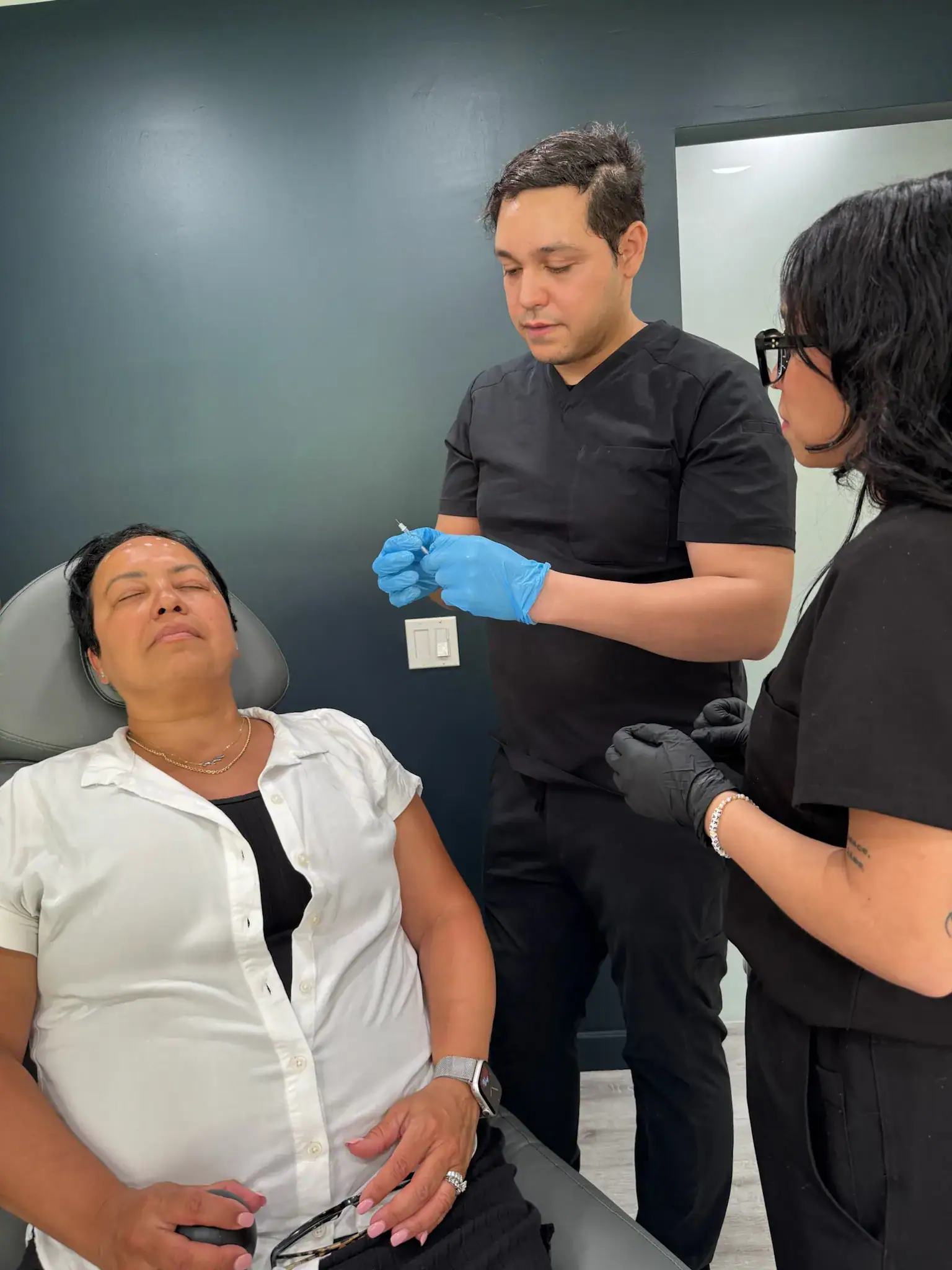
Beyond physician oversight, look at the injectors themselves. Are they licensed nurses, nurse practitioners, or physician assistants working under a documented care plan? Are they trained by the manufacturers of the products they’re using? Allergan — the company behind Botox and Juvederm — operates a tiered partnership program for aesthetic practices. Platinum-level status, the highest tier, requires significant training compliance, volume standards, and demonstrated patient satisfaction. It also means the practice is sourcing products directly from Allergan — not through gray-market suppliers where product authenticity can’t be guaranteed.
The consultation experience tells you a lot, too. A provider worth trusting will ask about your goals, examine your facial structure, explain your options clearly, and not pressure you into anything. If the first thing they do is hand you a menu and a price sheet without understanding what you actually want, that’s a signal.
Want live answers?
Connect with a House of Ness expert for fast, friendly support.
What Makes a Medical Spa in New York Worth Going Back To
Finding a provider you trust once is one thing. Building a relationship with one is another — and it’s what actually produces the best long-term results. Aesthetic treatments work best when they’re part of an ongoing plan, not a series of one-off appointments with whoever had availability that week.
The practices that retain clients aren’t doing it through discounts or gimmicks. We retain clients by listening, following up, and treating each appointment as part of a longer conversation about what you want and how your skin is responding. That’s the standard we hold ourselves to, and it’s the standard worth expecting from any provider.
What Should a Medical Spa Consultation Actually Include?
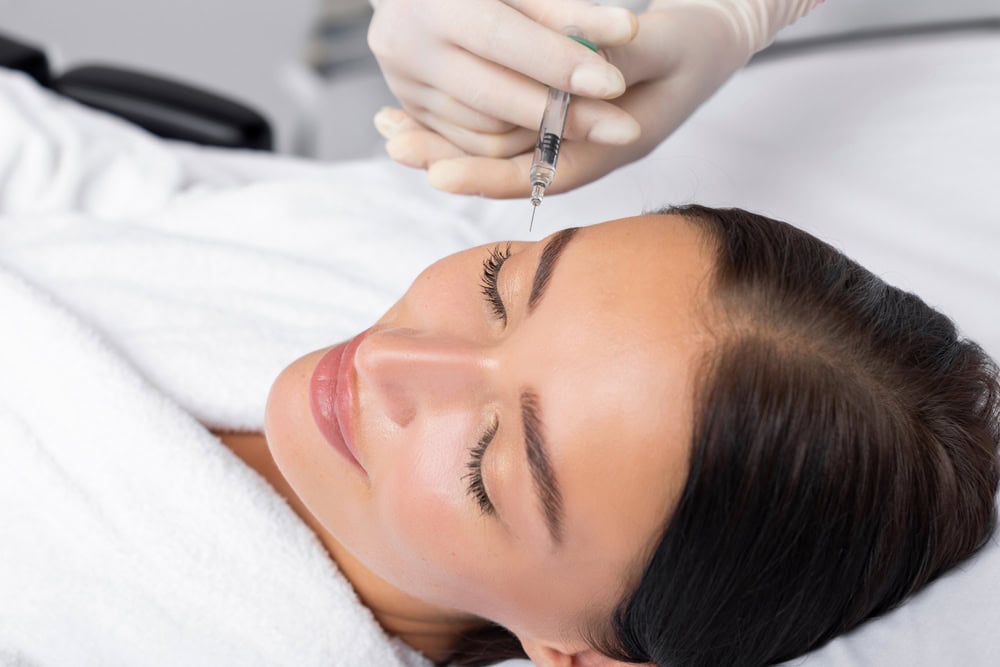
A good consultation is not a sales pitch. It’s a conversation — one where the provider is asking more questions than they’re answering, at least at the start. They should want to understand your goals, your concerns, your timeline, and what you’ve tried before. They should look at your face carefully, not just hand you a brochure.
From there, a qualified injector will walk you through what’s realistic, what’s not, and what the best approach might be given your facial structure and what you’re hoping to achieve. If you’re coming in with a specific concern — say, the lines between your brows or some volume loss in your cheeks — they should be able to explain exactly which treatment addresses it, why, and what the result should look like at two weeks versus six months.
What you shouldn’t experience in a quality consultation is pressure. No urgency tactics, no “this deal is only good today,” no upselling treatments you didn’t come in asking about. A provider who genuinely has your interests in mind will tell you when you don’t need something yet — and that kind of honesty is what builds the trust that keeps clients coming back for years.
One thing that separates stronger practices from average ones is what happens after the appointment. A two-week follow-up — where a provider checks in on your results and makes any necessary touch-up adjustments at no additional cost — is a meaningful commitment. It means the provider isn’t done with you when you walk out the door. It means they’re invested in the outcome, not just the transaction. That follow-up appointment is also where a lot of the fine-tuning happens, because results can settle differently than expected, and a small adjustment at two weeks can make a significant difference in how you feel about the outcome.
How Do New Yorkers Actually Choose a Medical Spa?
Word of mouth still wins. If you ask around your office, your building, or your social circle in Manhattan or Staten Island, you’ll find that most people who are happy with their provider got there through a recommendation — not a Google ad. There’s something about knowing that someone you trust has already vetted a practice that lowers the anxiety of walking in for the first time.
That said, reviews matter. And not just the star rating — the content of the reviews. Look for specifics. Does the reviewer mention the injector by name? Do they talk about feeling heard during the consultation? Do they mention what their concern was and whether it was addressed? A review that says “great experience, highly recommend” tells you almost nothing. A review that says “I was nervous about looking overdone and she walked me through everything and the results were so natural” tells you quite a bit.
The Upper East Side, where our Manhattan location sits at 162 E 78th St, is a neighborhood full of people who have options and know it. Our clients there tend to have done their research, often tried a provider or two elsewhere, and are looking for something more consistent — a place where they’re recognized, where their history is known, and where they don’t have to re-explain their goals every time they walk in. That’s a reasonable expectation, and it’s one we take seriously.
On Staten Island, the dynamic is a bit different. The community there tends to be tighter-knit, and the trust that comes from a personal recommendation carries even more weight. We’ve built relationships with a lot of first responders, nurses, and military families across our Staten Island locations — and we offer dedicated discounts for those communities because we think that’s the right thing to do. The referral network in that borough is strong, and the clients who find us tend to stick around.
For anyone still in the early research phase — comparing providers, reading reviews, trying to figure out who’s worth booking — the most useful thing you can do is schedule a consultation before you commit to anything. A quality practice will offer that at no charge and with no obligation. If a provider charges you just to have a conversation, that tells you something about how they view the relationship.
Finding the Right Medical Spa in New York: What to Take Away from This
The medical spa industry in New York is growing because the treatments work, the technology has improved, and people’s expectations have shifted toward results that look natural and require minimal disruption to their lives. That’s not a trend that’s going away.
But growth also means more options — and more variation in quality. In a market where inspections have found serious compliance issues at the majority of practices examined, knowing what to ask and what to look for isn’t optional. Physician oversight, licensed injectors, authentic products, and a provider who follows up on their own work — these aren’t extras. They’re the baseline.
If you’re exploring aesthetic treatments for the first time, or you’ve had experiences elsewhere that left you underwhelmed, we’re worth a conversation. Start with a complimentary consultation at one of our New York locations and see what a practice that takes the long view actually feels like.
Article details:
- Published by:
- House of Ness
- Published to:
- Last modified:
- July 10, 2026
Share:
Continue learning: