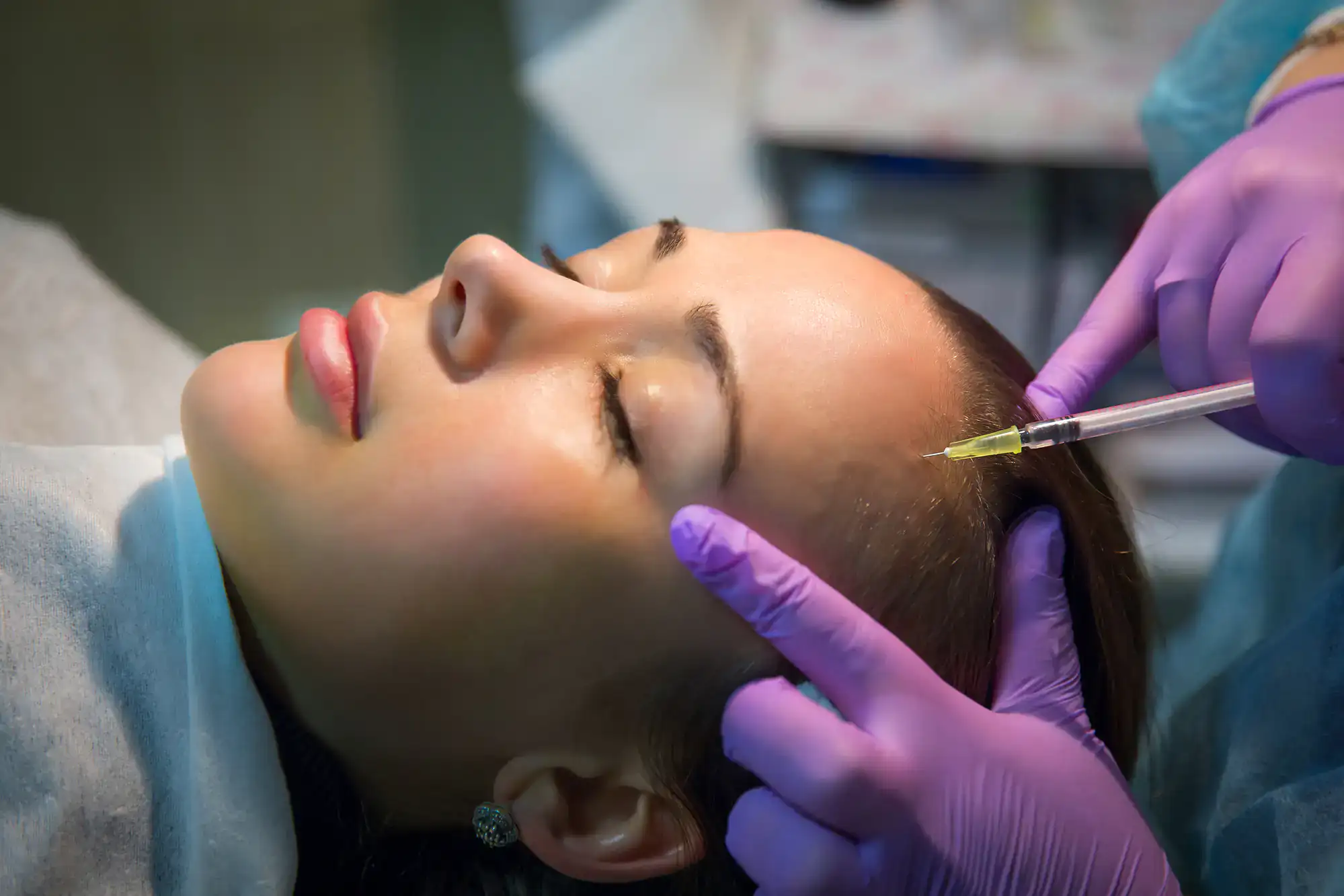
Dermal Fillers 101: 5 Pro-Tips to Maximize Your Results and Minimize Downtime
Everything you actually need to know before getting dermal fillers — from prep and recovery to choosing a provider you can trust.
Share:
Summary:
Most people spend more time researching a restaurant than they do preparing for a filler appointment. That’s not a criticism — it’s just how it goes when something feels overwhelming or unfamiliar. You find a place, book it, and hope for the best.
But a little preparation goes a long way. The right steps before and after your treatment can mean the difference between results you love and results you’re just okay with. And knowing what to actually look for in a provider? That changes everything.
Here’s what we wish more people knew before their first appointment.
What Dermal Fillers Actually Do — And Why the Injector Matters More Than the Product
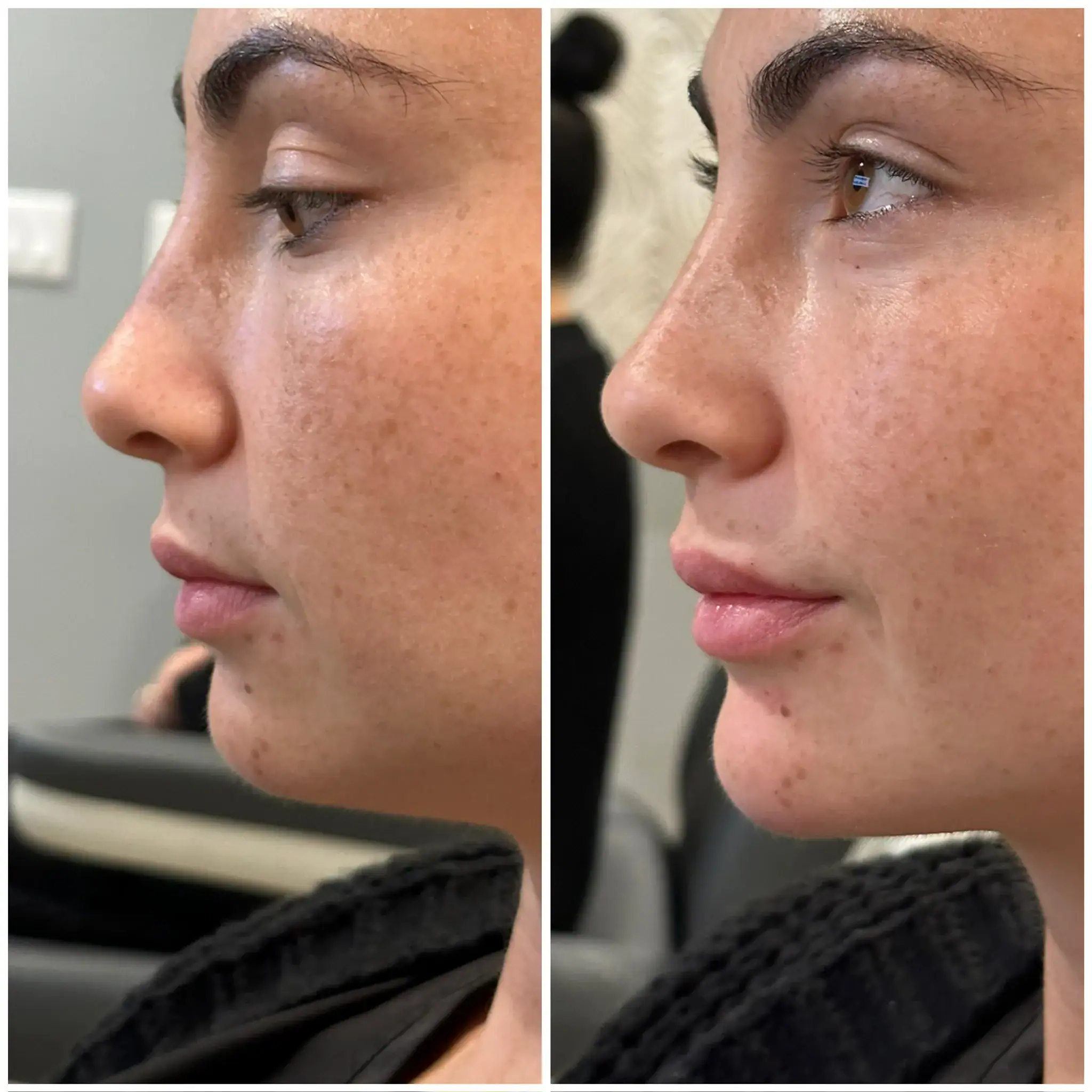
Dermal fillers are injectable gels — most commonly made from hyaluronic acid, a substance your body already produces — that restore volume, smooth lines, and add definition to areas of the face that have changed over time. Lips, cheeks, under-eye hollows, the jawline, nasolabial folds — these are among the most common treatment areas, and the results can range from subtle to genuinely transformative depending on what you’re working with.
What surprises most first-timers is how much the outcome depends on the person holding the syringe, not just the product in it. Two people can use the same filler in the same area and produce completely different results. Technique, anatomical knowledge, and aesthetic judgment are what separate a natural-looking result from one that looks off.
How to Tell If Your Filler Provider Is Actually Qualified
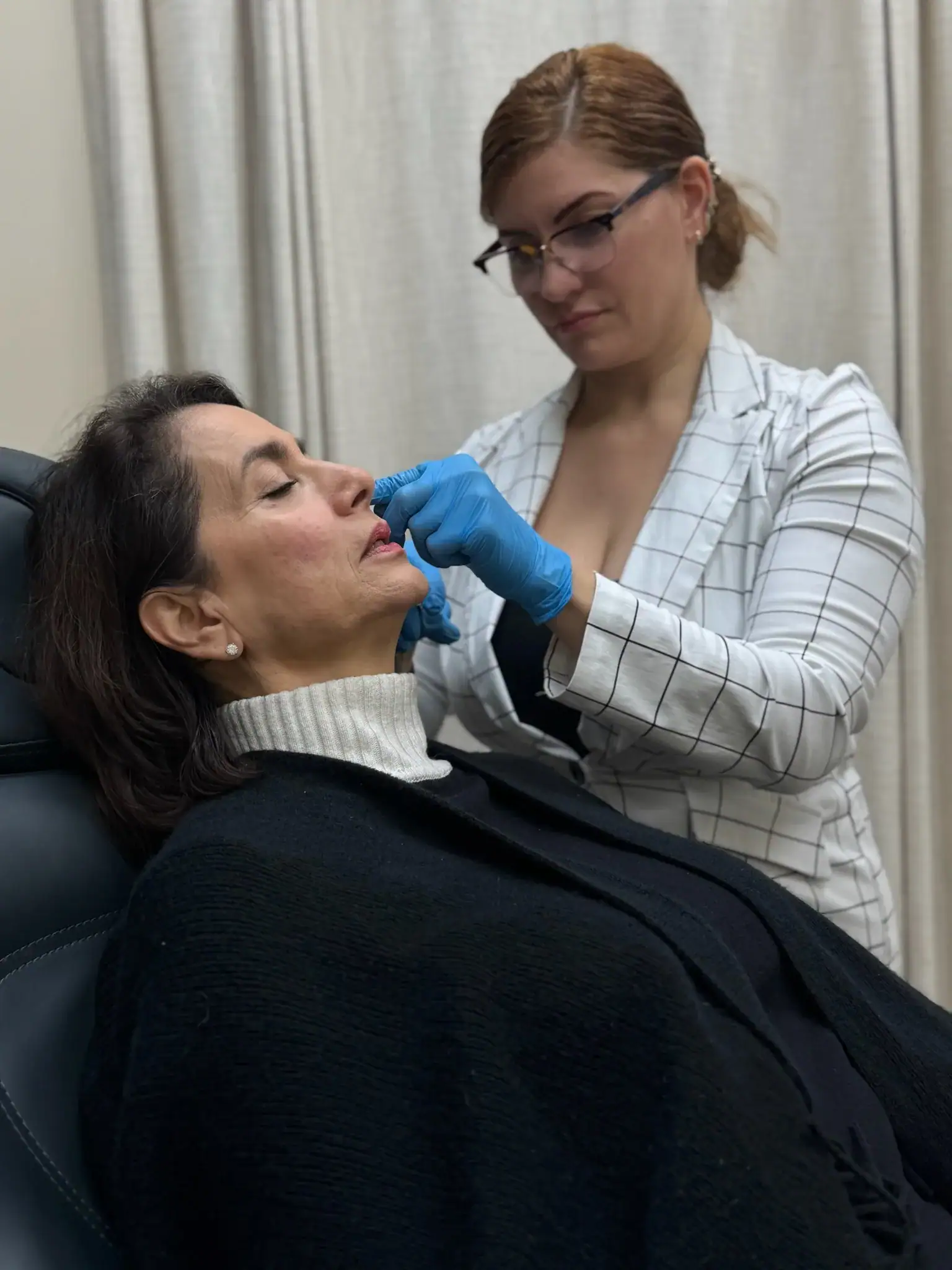
This is the question people are afraid to ask out loud, but it’s the most important one. The med spa industry has grown fast — faster, in some cases, than the standards meant to keep it safe. In New York and New Jersey, injectable treatments are classified as medical procedures and must be performed by or under the direct supervision of a licensed medical professional. But “supervised” can mean a lot of things in practice, and not every clinic interprets it the same way.
What you actually want to look for: a provider where a board-certified physician is genuinely involved in the clinical standards — not just listed on a website. Injectors who understand facial anatomy at a medical level, including vascular anatomy, are the ones who know how to avoid complications and how to correct them if they arise. That’s not fearmongering; it’s just the reality of working in a highly vascular area of the body.
Ask what products are being used and where they come from. Counterfeit and diluted injectables are a documented problem in this industry, particularly in high-volume markets like Manhattan. Authentic Juvéderm and Botox come from authorized distributors — and a provider’s partnership status with Allergan (the manufacturer) is one of the clearest signals of product integrity you can find. Platinum-level Allergan partners, for example, represent the top tier of providers nationally and are verified for both volume and compliance with Allergan’s standards.
Also worth asking: what happens after your appointment? We offer complimentary two-week follow-ups — and include touch-ups at that visit if needed — because we stand behind our work. That follow-up window matters more than most people realize, because fillers settle over the first ten to fourteen days and minor adjustments can make a meaningful difference in the final result.
If a clinic can’t answer these questions clearly, or if the pricing seems unusually low, those are signals worth paying attention to. Correcting a bad filler result costs more — financially and emotionally — than doing it right the first time.
Botox vs. Dermal Fillers — Understanding the Difference Before You Book
A lot of people use these terms interchangeably, and it’s one of the most common sources of confusion going into a consultation. Botox and dermal fillers are both injectables, but they work completely differently and address different concerns.
Botox is a neurotoxin that temporarily relaxes the muscles responsible for dynamic wrinkles — the lines that form when you squint, frown, or raise your eyebrows. It’s highly effective for forehead lines, crow’s feet, and the “11s” between the brows. It can also be used for jaw slimming, neck bands, and even a subtle brow lift. Results typically last three to four months.
Fillers, on the other hand, don’t relax anything. They add physical volume to areas where structure has been lost or where you want more definition. Think of it this way: Botox addresses movement, fillers address shape and volume. They’re often used together — a Botox injection to soften dynamic lines, fillers to restore volume in the cheeks or around the mouth — and the combination tends to produce more comprehensive results than either treatment alone.
Hyaluronic acid fillers, which make up the majority of what’s used today, are also reversible. If you’re unhappy with the result, or if a complication arises, hyaluronidase can dissolve the filler quickly. That reversibility is one of the key reasons HA-based fillers have become the dominant option — they give you a meaningful safety net that permanent or semi-permanent alternatives simply don’t offer.
Combining medical-grade skincare and laser facials with your filler appointments can improve skin texture and tone in ways that extend the life and appearance of your results — something that often gets overlooked when people think of these as separate categories of treatment.
Want live answers?
Connect with a House of Ness expert for fast, friendly support.
5 Tips to Get the Most Out of Your Dermal Filler Treatment
Getting great results isn’t just about showing up and letting someone inject you. There are things you can do before your appointment, during the consultation, and in the days after that genuinely move the needle on how your results look and how quickly you recover.
These aren’t complicated. They’re just the things experienced patients know and first-timers often find out after the fact — which is why we’d rather tell you upfront.
What to Do Before Your Filler Appointment to Reduce Bruising and Swelling
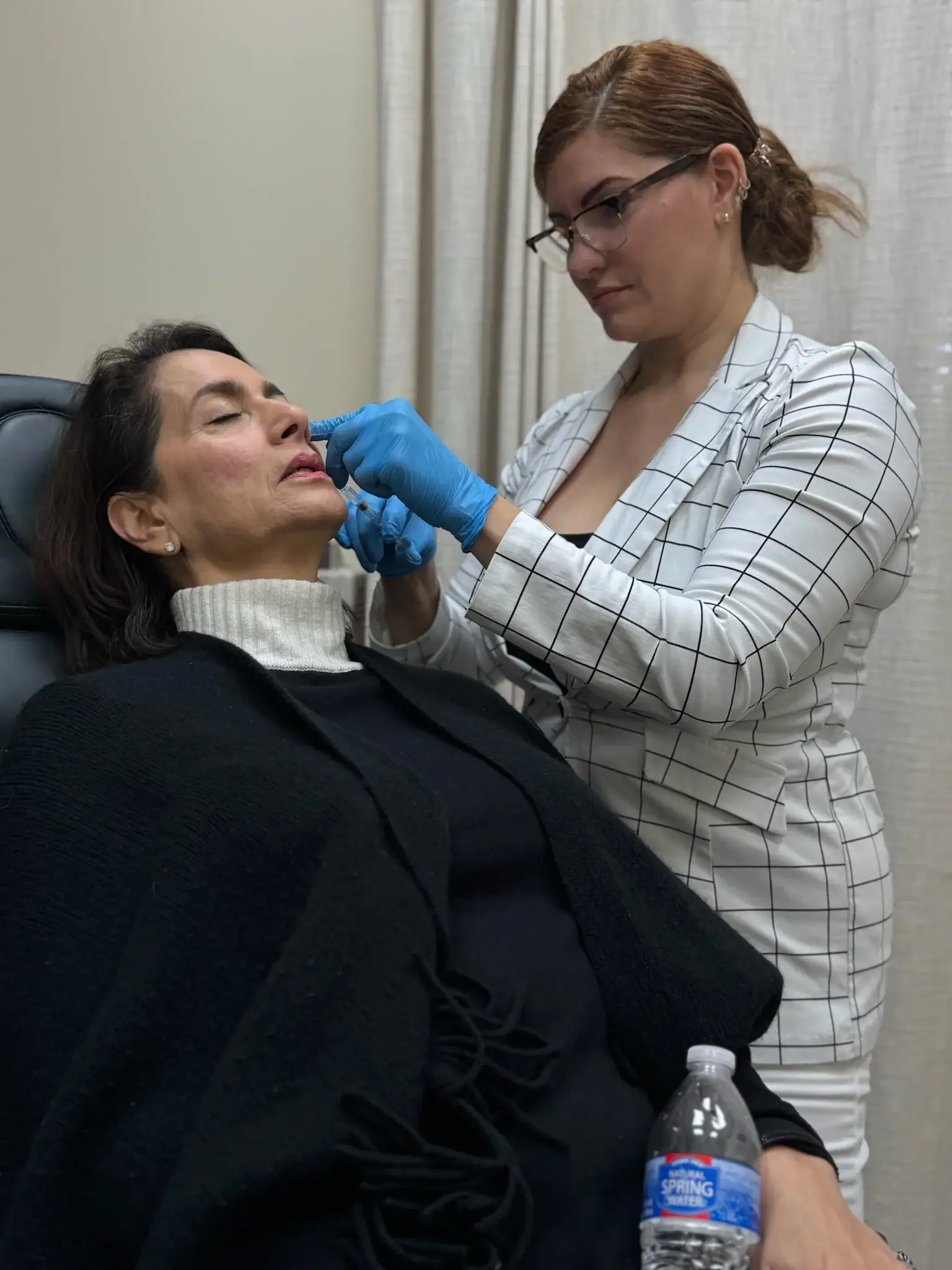
Bruising is the most common concern people have going into a filler appointment, and it’s also one of the most preventable. The main culprit is blood thinning — anything that makes your blood less likely to clot will make bruising more likely and more visible.
In the week before your appointment, avoid alcohol, ibuprofen, aspirin, and fish oil supplements if you can. These are all blood thinners, and while none of them will cause a serious problem, they do increase the likelihood of visible bruising at injection sites. If you’re on a prescribed blood thinner for a medical reason, don’t stop taking it — just let your provider know in advance.
Arnica, either as a supplement or a topical gel, is something many experienced filler patients swear by. There’s reasonable evidence that it helps reduce bruising and swelling, and it’s low-risk enough that most providers are comfortable recommending it. Starting it a few days before your appointment and continuing it for a few days after can make a noticeable difference.
Timing matters too. If you have an important event — a wedding, a work presentation, a reunion — give yourself at least two weeks between your appointment and that event. Most swelling resolves within a few days, but the full settling process takes closer to ten to fourteen days. That two-week window also lines up with a good follow-up appointment, where any minor touch-ups can be addressed well before your event.
One more thing: stay hydrated. Hyaluronic acid is hydrophilic — it attracts and holds water — and being well-hydrated going into your appointment supports better integration of the filler. It sounds simple because it is, but it’s the kind of thing that’s easy to overlook.
How to Take Care of Your Skin After Fillers to Protect Your Results
The first twenty-four to forty-eight hours after a filler appointment are when your results are most sensitive to disruption. The filler is still settling into position, and a few straightforward precautions can protect the outcome.
Avoid intense exercise, saunas, and steam rooms for at least twenty-four hours. Heat and heavy exertion increase blood flow to the face, which can amplify swelling and shift filler before it’s fully integrated. It’s also worth skipping facials, facial massage, and any aggressive skincare treatments — retinols, exfoliating acids — for a few days post-treatment.
Sleep on your back if you can manage it for the first night or two. Pressing your face into a pillow right after a filler appointment isn’t ideal, particularly for lip or cheek treatments where the filler is sitting in a more mobile area.
Beyond the immediate recovery window, the longer-term question is how to protect and extend your results. This is where medical-grade skincare becomes genuinely useful — not as an upsell, but as a practical tool. SPF is non-negotiable; UV exposure degrades hyaluronic acid and accelerates the volume loss that fillers are designed to correct. A good retinol and a hydrating serum support collagen production and skin quality in ways that make filler results look better and last longer.
We build this into the conversation from the start with our patients in Manhattan, Staten Island, and Paramus. The goal isn’t to keep selling you treatments — it’s to help you get the most out of the ones you’ve already invested in. That means a skincare plan that works alongside your injectables, not independently of them. The clients who see the best long-term results are almost always the ones who treat their skin as part of the same equation.
Finding the Right Dermal Filler Provider in Manhattan, Staten Island, and Paramus, NJ
At the end of the day, the tips above only work as well as the provider you’re working with. Preparation and aftercare matter, but they can’t compensate for a consultation that felt rushed, a product you can’t verify, or an injector who didn’t take the time to understand what you actually wanted.
Whether you’re on the Upper East Side, commuting from Staten Island, or coming in off Route 17 in Paramus, the standard of care you deserve is the same: a real consultation, a provider matched to your specific goals, and a follow-up that’s already built into your appointment plan — not something you have to ask for.
If you’ve been thinking about fillers for a while and haven’t pulled the trigger yet, the best first step is a conversation. We offer complimentary consultations with no pressure and no obligation — just a chance to ask your questions and find out what’s actually possible for you.
Article details:
- Published by:
- House of Ness
- Published to:
- Last modified:
- July 1, 2026
Share:
Continue learning: