Masseter Botox vs. Jawline Filler: Which Treatment Is Right for You?
Two treatments, two completely different problems. Here's how to figure out which one — or which combination — is actually right for your face.
Share:
Summary:
Most people come to this question from one of two places. Either they’re unhappy with how their jawline looks — too wide, too square, too heavy — or they’re dealing with jaw pain, morning headaches, and a dentist who keeps pointing out worn-down teeth. Sometimes both.
The frustrating part is that “get Botox or filler for your jaw” sounds like one decision, but it’s actually two completely different conversations. What works for one person can do nothing — or the wrong thing — for another. By the end of this page, you’ll know the difference, understand which fits your situation, and have a clear sense of what to expect from either path.
What Masseter Botox Actually Does (and Who It's For)
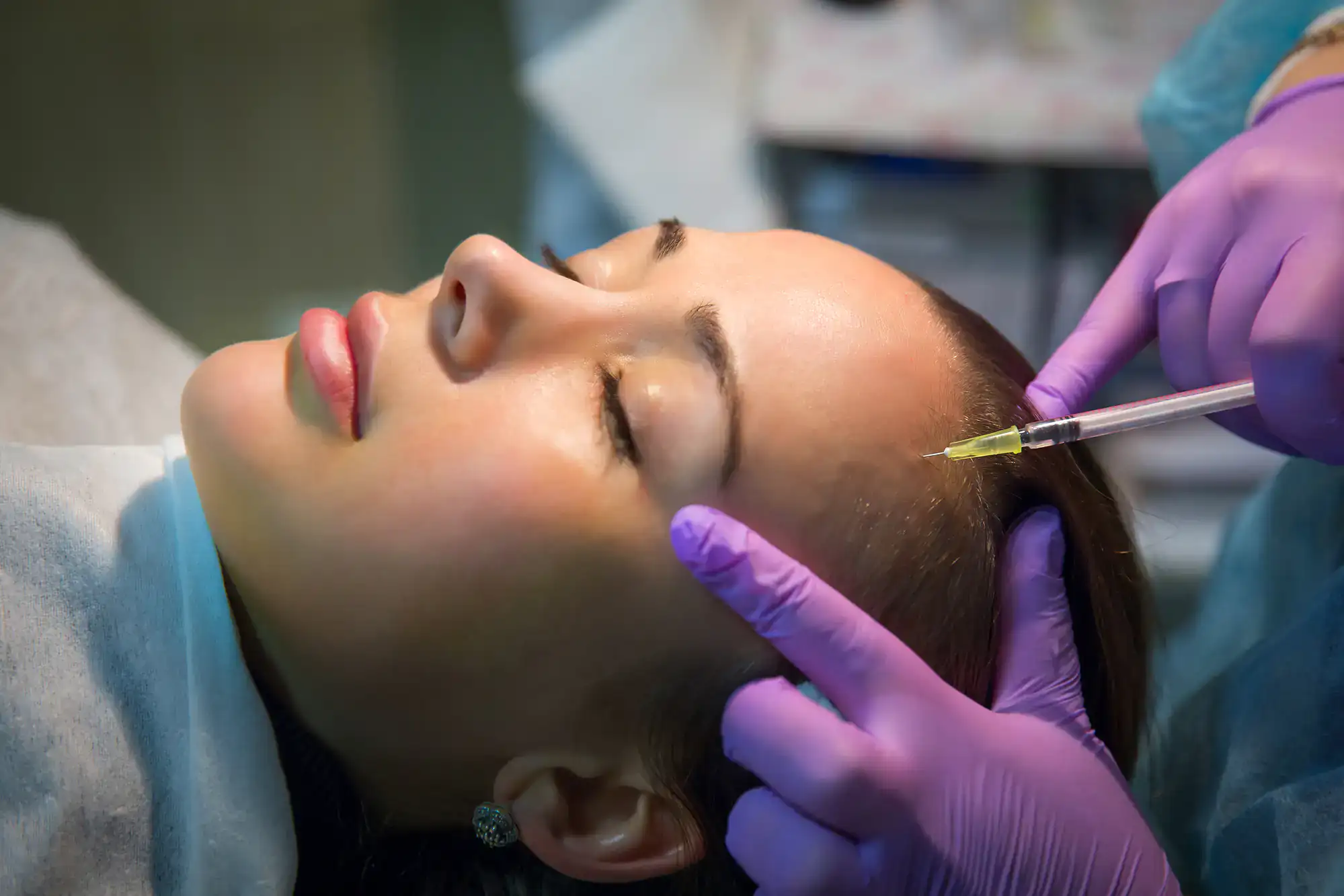
Masseter Botox targets the masseter muscle — the large chewing muscle that sits along the sides of your lower jaw. When that muscle is overdeveloped, either from genetics or from chronic clenching and grinding, it creates a wide, square appearance at the jawline. Botox injected into that muscle gradually relaxes it, causing it to reduce in size over several weeks.
The result is a softer, slimmer lower face — often described as a more oval or V-shaped contour. But the cosmetic change is only half the story. For people dealing with TMJ tension, bruxism, or chronic jaw pain, the functional relief can be just as significant as anything they see in the mirror.

Masseter Botox for Jaw Slimming: What the Results Actually Look Like
Here’s something most people don’t realize going in: masseter Botox doesn’t change your face overnight. The muscle atrophies gradually, which is actually a good thing. Because the change happens over four to eight weeks rather than all at once, the result looks natural — not like something was done, just like you look more refined.
Most people notice the functional benefits first. Within one to two weeks, the clenching feels less intense, the morning jaw ache starts to ease, and if you’ve been grinding at night, your sleep often improves. The visible slimming becomes apparent around the two to four week mark, with the full contouring effect settling in at six to eight weeks.
Results typically last three to six months. With repeated treatments, many patients find the muscle stays smaller for longer — because it’s been consistently relaxed, it doesn’t rebuild as aggressively between sessions.
Dosing varies based on how developed your masseter muscles are. Most patients need somewhere between 40 and 60 total units of Botox — roughly 20 to 30 units per side. That’s not a one-size-fits-all number, which is exactly why a proper assessment before treatment matters. Someone with a very strong, hypertrophic masseter from years of grinding will need a different approach than someone who just has naturally wide facial bones.
One thing worth addressing directly: masseter Botox will not make it hard to chew. The doses used for jaw slimming relax the muscle without eliminating its function. You’ll eat, speak, and smile exactly as you do now — the only thing that stops is the excessive clenching.
TMJ Botox: When Jaw Pain Is the Starting Point
A meaningful portion of people who end up getting masseter Botox didn’t start their search looking for a slimmer face. They started because their jaw hurt. Or their dentist told them their teeth were wearing down. Or they’d been waking up with headaches for years and finally connected the dots.
Bruxism — chronic teeth grinding — affects a significant share of the population, and stress-driven clenching has become increasingly common. The pace of life in New York and New Jersey creates exactly the kind of sustained stress that shows up in your jaw at night. Long commutes, demanding work schedules, and the general intensity of the region all contribute to jaw tension that many patients don’t even realize they’re carrying.
For these patients, masseter Botox is genuinely therapeutic. It’s used off-label for TMJ relief — not FDA-approved specifically for that indication, but widely used by medical professionals with strong safety records and well-documented outcomes. When the masseter muscle can’t clench with its full force, the pressure on the temporomandibular joint drops, and with it, the pain.
What’s interesting about this patient group is that many of them discover the cosmetic benefit secondarily. They come in for the jaw pain, and a few weeks later they notice their face looks different — softer, more balanced. That’s not a side effect. That’s just what happens when an overdeveloped muscle is finally allowed to relax.
If you’ve been dealing with jaw tension, morning soreness, or teeth-grinding and haven’t explored Botox as an option, it’s worth a conversation. It’s a 10 to 20 minute treatment with no downtime, and the relief for some patients is significant enough that they consider it one of the best decisions they’ve made.
Want live answers?
Connect with a House of Ness expert for fast, friendly support.
What Jawline Filler Does — and When It's the Better Choice
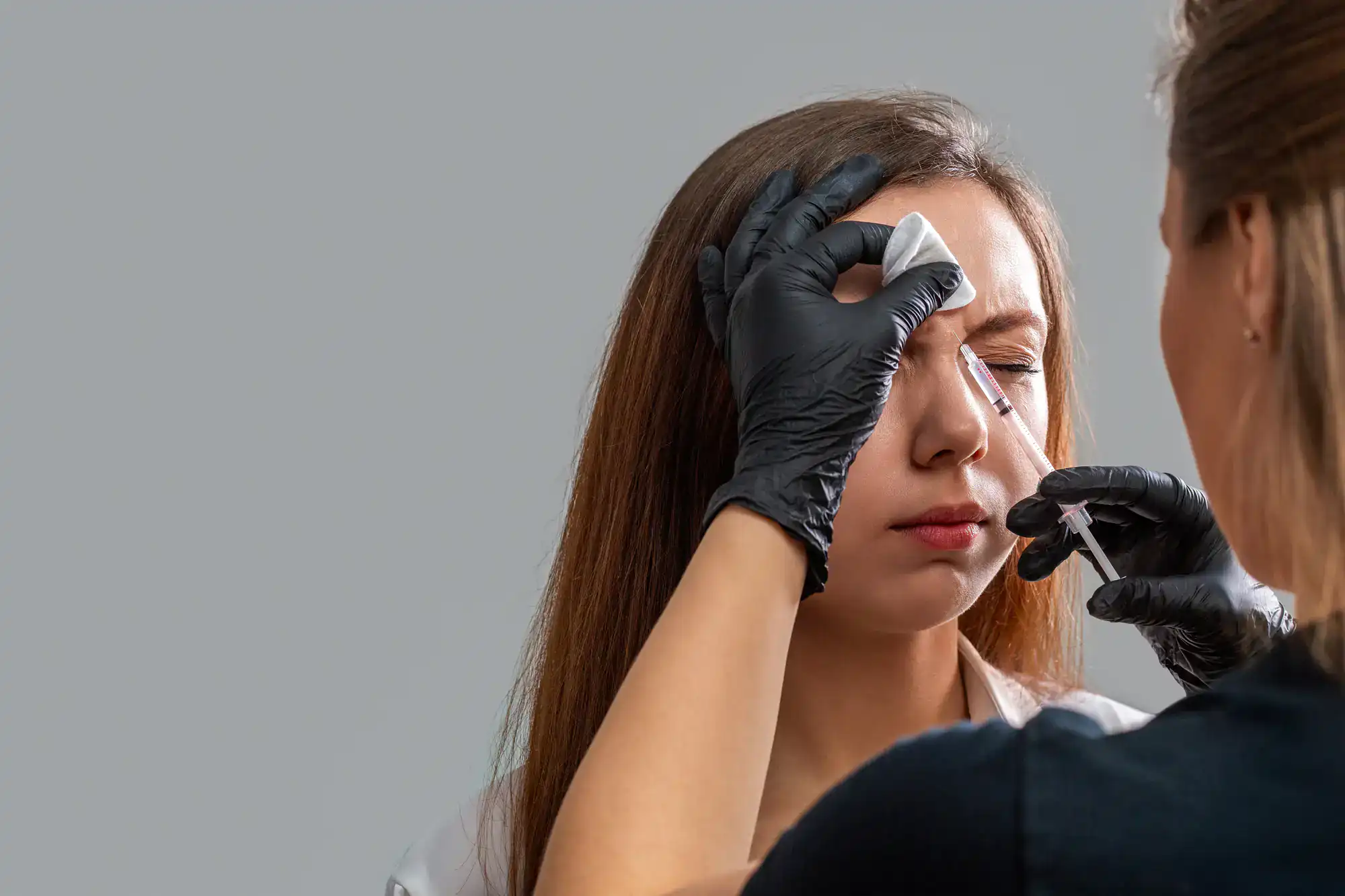
Jawline filler works in the opposite direction from masseter Botox. Instead of reducing something, it adds. Hyaluronic acid filler is placed along the mandibular border to create definition, structure, and a sharper contour where the bone lacks natural projection.
This is the treatment for someone whose jaw isn’t too wide — it’s too soft. Undefined. Maybe the chin recedes slightly, or the jawline blends into the neck without a clear edge. Filler builds that structure back, or creates it where it never quite existed.
Results are immediate and visible the same day, which is a very different experience from the gradual reveal of masseter Botox. Hyaluronic acid fillers in the jawline typically last 12 to 18 months, and importantly, they’re reversible — hyaluronidase enzyme can dissolve the product if needed.
Will Jawline Filler Make My Face Look Wider?
This is one of the most common concerns we hear, and it’s a fair one — especially for anyone who’s seen overfilled results on social media and doesn’t want to end up looking puffy or unnatural.
The short answer: placed correctly, jawline filler creates definition, not width. When filler is positioned along the lower border of the mandible, it sharpens the angle and edge of the jaw rather than adding volume to the face broadly. The result is a more structured, sculpted look — not a rounder or heavier one.
The longer answer is that outcomes depend heavily on provider skill and product selection. Puffiness and unnatural results happen when filler is placed in the wrong plane, at the wrong depth, or with the wrong product for that area. This is exactly why the “any injector can do this” assumption is one worth pushing back on. The jawline sits close to vascular structures that require precise anatomical knowledge to work around safely. A provider who understands facial anatomy at a surgical level approaches this area very differently than one who doesn’t.
For patients in Bergen County, New Jersey and throughout the New York area — particularly in communities like Fort Lee and Palisades Park with diverse populations and strong aesthetic preferences — the V-shaped face aesthetic is something many providers claim to understand but few truly execute well. The nuance of how to achieve a genuinely balanced, proportionate V-line result, rather than just a sharper jaw, requires a different level of understanding. That’s a distinction worth asking about before you book.
Jawline filler is also a strong option for men who want a more defined, angular lower face. The goal differs from what most women are seeking — typically more projection and edge rather than softening — but the treatment approach is equally effective when tailored correctly.
Can You Get Masseter Botox and Jawline Filler at the Same Time?
Yes — and for a lot of patients, the combination is actually the most comprehensive answer to what they’re dealing with.
Here’s the logic: masseter Botox slims the muscle bulk of the lower face, while jawline filler adds definition and structure along the bone. Used together, they create a more sculpted, balanced result than either treatment alone. You’re not just reducing something or adding something — you’re reshaping the entire lower face in a coordinated way.
The typical approach is to treat the masseter first and allow the muscle to reduce over several weeks before assessing how much filler is needed. As the masseter softens, the underlying bone structure becomes more visible, which gives a clearer picture of where definition is lacking. Some patients find they need less filler than they expected once the muscle bulk is out of the way.
This combination approach is increasingly common in clinical practice, though it’s rarely discussed in depth on most provider pages. If you came here asking “which one?” and you’re not sure the either/or framing fits your situation, that’s actually a good sign — it means you’re thinking about your face as a whole rather than a single feature.
The best way to know whether you’re a candidate for one treatment, the other, or both is a proper assessment. Muscle size, bone structure, facial proportions, and your specific goals all factor into the recommendation. At House of Ness, pricing for masseter Botox at our New York and New Jersey locations typically ranges from $400 to $1,200 depending on muscle strength and the number of units needed — and that includes your consultation, treatment, two-week follow-up, and any touch-ups.
That follow-up matters more than it might sound. Most practices consider the treatment done when you walk out. We schedule a check-in at two weeks, included in the cost, to see how results are settling and make adjustments if needed. It’s a small thing that makes a real difference in outcomes — and in how confident you feel about the whole experience.
How to Choose Between Masseter Botox and Jawline Filler
The simplest way to think about it: if your jawline is too wide or you’re dealing with jaw tension and grinding, masseter Botox is likely the starting point. If your jawline lacks definition and structure, filler is probably the better fit. If both are true — which is more common than people expect — a combination approach gives you the most complete result.
What matters most is getting an honest assessment from someone who understands facial anatomy well enough to tell you which problem you actually have, not just which treatment they prefer to perform.
At House of Ness, every conversation starts with a complimentary consultation. We’re a platinum-level Allergan partner led by a board-certified plastic surgeon, with locations across Staten Island, New York and Bergen County, New Jersey. If you’ve been sitting with this question for a while, it costs nothing to get a clear answer — and you’ll leave knowing exactly what would actually help.
Article details:
- Published by:
- House of Ness
- Published to:
- Last modified:
- July 28, 2026
Share:
Continue learning: