The Ultimate Glow-Up Guide: Everything You Need to Know Before Your First Laser Facial
Curious about laser facials but not sure where to start? This guide covers everything — how they work, what to expect, and how to find the right provider near you.
Share:
Summary:
You’ve tried the serums. You’ve done the peels. You’ve spent more than you’d like to admit on products that promised a lot and delivered somewhere between “fine” and “meh.” And yet the dullness, the uneven tone, the texture that no filter quite fixes — it’s still there. A laser facial might be the next logical step, but the options are overwhelming and the stakes feel high. This guide is here to cut through the noise. By the time you’re done reading, you’ll know exactly how laser facials work, what they can realistically do for your skin, and what to look for when choosing a provider — especially in Manhattan, Staten Island, and Paramus, where the standards matter more than most people realize.
What Is a Laser Facial and What Does It Actually Do?
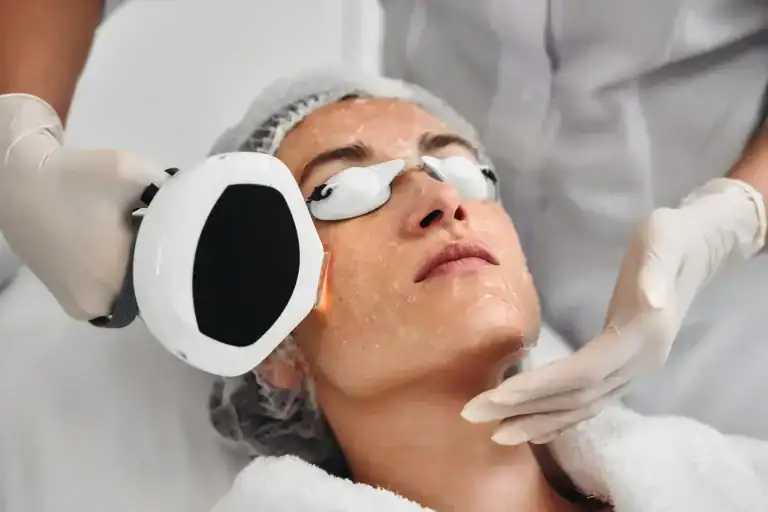
A laser facial is a clinical skin treatment that uses focused light energy to improve tone, texture, and overall skin quality. Depending on the type of laser we use, it can target pigmentation, sun damage, enlarged pores, fine lines, acne scars, and general dullness — the kind of concerns that topical products can manage but rarely resolve. The mechanism is precise: the laser energy is absorbed by specific targets in the skin, triggering a controlled healing response that encourages collagen remodeling and cell renewal over the weeks that follow.
Results aren’t always immediate, and that’s actually a sign the treatment is working. Your skin continues to improve for several weeks post-treatment as the deeper renewal process plays out. After even two sessions, most clients notice more uniform tone, cleaner texture, reduced pore appearance, and a radiance that reads as healthy rather than “done.” That last part matters — especially if you’re the kind of person who wants results people notice but can’t quite place.
Ablative vs. Non-Ablative Laser Facials: Which One Is Right for You?
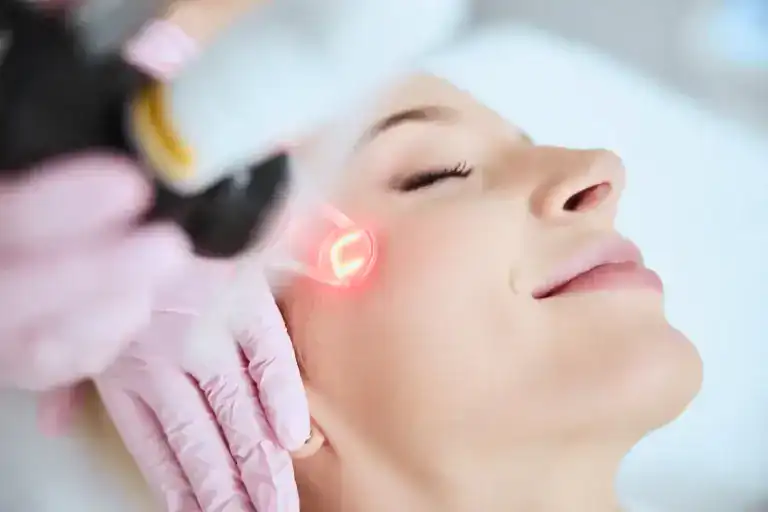
This is the question that trips up most first-timers, and it’s worth understanding before you book anything. The short version: ablative lasers remove the outer layer of skin to create more dramatic resurfacing results, while non-ablative lasers work beneath the surface without disrupting it. Non-ablative treatments are the dominant choice for people with busy schedules and low tolerance for downtime — which describes most of the clients we see in Manhattan, on Staten Island, and across Bergen County.
Non-ablative options heat the deeper layers of the skin to stimulate collagen production and address pigmentation and texture without requiring you to hide for a week afterward. You can come in on a lunch break, walk out looking slightly flushed, and be back to your normal routine the same day. For someone juggling a demanding job in Midtown Manhattan, school pickup on Staten Island, or a packed week in Paramus, that kind of flexibility isn’t a luxury — it’s a requirement.
Ablative treatments go further. They create a controlled injury at the skin’s surface, which means more noticeable texture change and longer-lasting results, but also a real recovery period. These are typically reserved for clients with more significant concerns — deeper scarring, substantial sun damage, or skin that hasn’t responded to lighter treatments. In New York and New Jersey, ablative laser treatments are classified as medical procedures under state law and must be performed by or directly under the supervision of a licensed physician. That’s not a technicality — it’s a patient safety standard that not every provider in this market is meeting.
The right choice between ablative and non-ablative comes down to your skin, your goals, your timeline, and your lifestyle. That’s exactly the kind of conversation that should happen during a real consultation — not a five-minute intake form.
What Skin Concerns Does a Laser Facial Actually Treat?
The honest answer is: more than most people expect. Laser facials are most commonly associated with sun damage and anti-aging, but the range of treatable concerns is broader than that framing suggests. Hyperpigmentation — those stubborn brown spots that show up after years of New York summers, rooftop hangs, and windshield glare on the Staten Island Expressway — is one of the most common reasons people book their first treatment. IPL and certain non-ablative lasers are especially effective here, breaking up pigment clusters so the skin can clear them naturally over time.
Texture is another major category. If your skin feels rough, looks uneven under certain lighting, or has the kind of fine lines that make you look more tired than you actually are, laser treatments that stimulate collagen remodeling can meaningfully improve the surface quality of your skin. This is particularly relevant for Manhattan clients dealing with the compounding effects of urban air pollution, stress, and year-round social pressure to look sharp — factors that genuinely accelerate skin aging in ways that suburban environments don’t replicate at the same intensity.
Acne scarring, enlarged pores, and general skin laxity round out the list of commonly treated concerns. Laser facials won’t replace a surgical procedure for significant laxity, and they’re not a one-session cure for deep scarring — but as part of a consistent treatment plan, they can produce real, visible improvement over time. The key phrase there is “consistent treatment plan.” A single session is a starting point, not a finish line, and any provider worth trusting will tell you that upfront rather than overpromising results from one visit.
Want live answers?
Connect with a House of Ness expert for fast, friendly support.
How to Choose a Laser Facial Provider in Manhattan, Staten Island, or Paramus, NJ
This is where the decision gets serious — and where a lot of people make a choice they later regret. The laser facial market in the New York and New Jersey area is saturated. There are polished-looking med spas on every block in Manhattan, a growing number of options across Staten Island, and plenty of choices along the Route 17 corridor in Bergen County. Not all of them are operating at the same standard, and in 2026, New York State inspections cited nearly 40% of the businesses they reviewed for violations including unlicensed medical practices and facility safety issues.
That number is worth sitting with. Choosing a provider isn’t just about finding someone with good before-and-after photos — it’s about making sure the person treating your skin is qualified, supervised, and operating within the legal and clinical standards of this state.
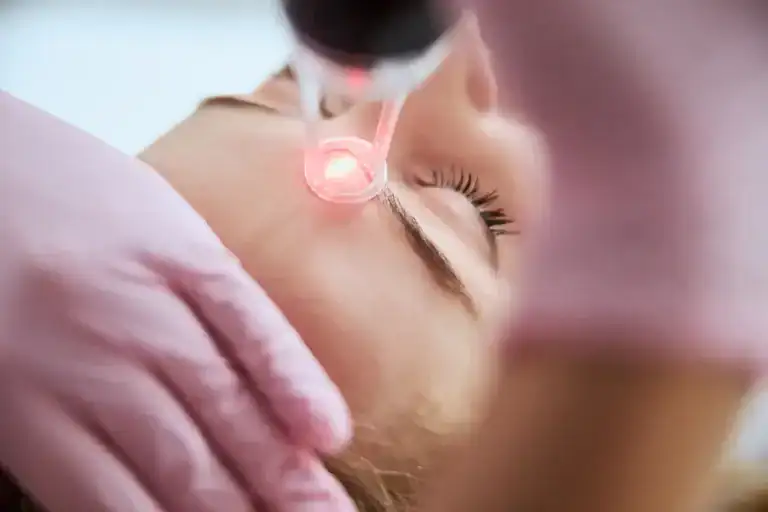
What Medical Oversight Actually Means for Your Laser Facial
In New York, energy-based device treatments — including laser facials — are classified as medical procedures under state law. They must be performed under physician delegation, with documented protocols and a qualified provider who understands what they’re doing and why. In New Jersey, the standard is similarly strict: the practice of medicine is regulated under N.J.S.A. 45:9-2, and ablative laser treatments must be performed by or directly supervised by a licensed physician. These aren’t bureaucratic formalities — they exist because lasers used incorrectly on the wrong skin type, at the wrong settings, or without proper aftercare guidance can cause real harm.
What this means practically is that when you’re evaluating a provider, “physician-supervised” should mean a named, credentialed doctor with active involvement in the practice — not a medical director listed on paper who hasn’t set foot in the building. The difference matters. At House of Ness, our medical director is Dr. Douglas A. Taranow, a Board-Certified Plastic and Reconstructive Surgeon. Every treatment we perform happens within a clinical framework he oversees. That’s not a marketing line — it’s the standard we hold ourselves to because our clients deserve it.
We’re also a Platinum-Level Allergan partner, which is a third-party, verifiable credential that requires documented training, strict product verification, and significant treatment volume. It’s the kind of thing you can actually check — and it tells you something meaningful about the consistency and quality of care you can expect. For clients in Paramus and across Bergen County who are used to Manhattan-level standards but prefer local convenience, that kind of verifiable credibility is exactly what you should be looking for before you book.
Frequently Asked Questions About Laser Facials
**Is a laser facial painful?** Most people are surprised by how manageable it is. Non-ablative treatments typically feel like a mild warming sensation or a light snap against the skin — nothing that requires numbing for most clients. Our clients regularly mention leaving without bruising or discomfort, which reflects both the technique and the care we take during treatment. If you’re nervous, say so during your consultation. That’s exactly the kind of thing we want to know.
**How many sessions will I need?** It depends on what you’re treating and how your skin responds. For general maintenance and tone improvement, many clients see meaningful results after two to three sessions. For more significant concerns like hyperpigmentation or acne scarring, a longer series is usually more realistic. We’ll give you an honest answer during your consultation — not a number designed to sell you more sessions than you need.
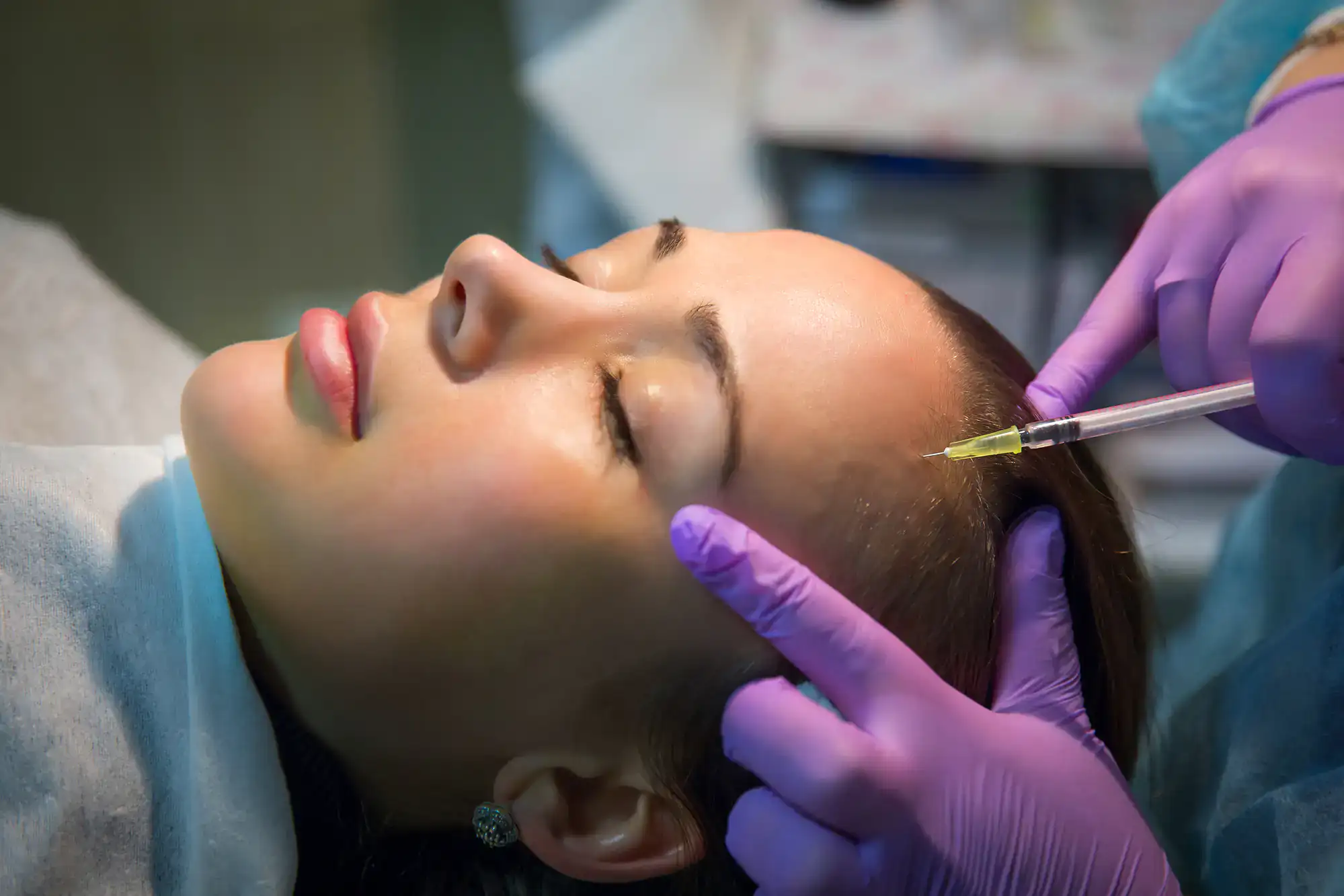
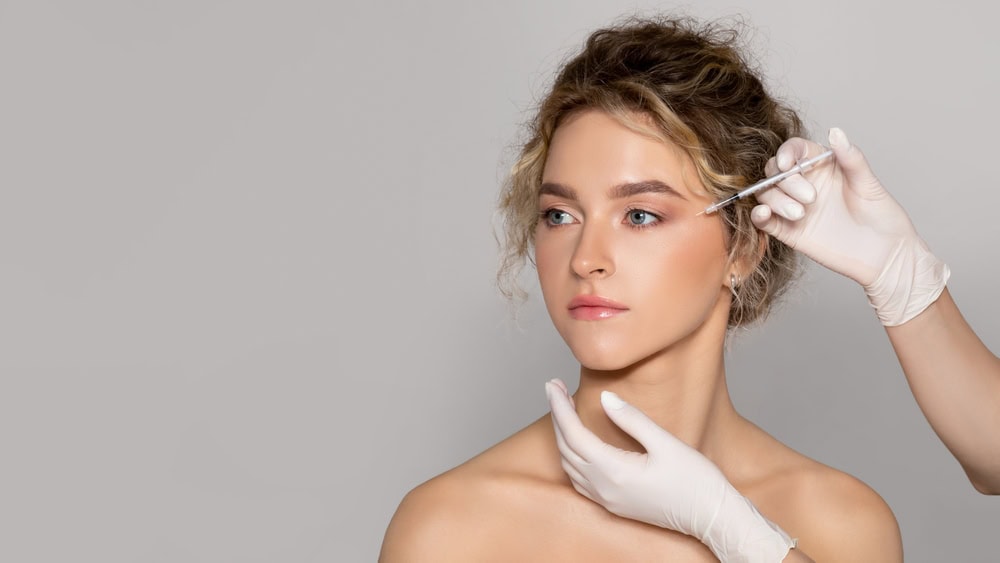
**Can I combine a laser facial with Botox or dermal fillers?** Yes, and for many clients this is actually the most effective approach. A laser facial addresses surface texture and tone. Botox injections relax the muscle movement that causes dynamic wrinkles. Dermal fillers restore volume that’s been lost over time. When these treatments are coordinated — which is something we do every day at House of Ness — the results look more complete and more natural than any single treatment can achieve on its own. If you’re already getting Botox injections or fillers and haven’t explored adding a laser facial to your plan, it’s worth the conversation.
**What’s the downtime like?** For non-ablative treatments, most clients return to normal activity the same day. You may have some redness or mild sensitivity for 24 to 48 hours, but nothing that requires significant recovery time. If you’re in Manhattan and need to be back in the office after your appointment, managing a full schedule on Staten Island, or balancing work and family in Paramus, that kind of minimal disruption is part of why non-ablative options have become so popular.
**How do I take care of my skin after a laser facial?** SPF is non-negotiable. Sun exposure immediately after a laser treatment can cause hyperpigmentation, particularly for clients with medium to deeper skin tones. Beyond that, we’ll give you specific aftercare guidance based on your treatment type and skin — which is another reason a real follow-up matters. We schedule every client for a two-week check-in after treatment. If anything needs a touch-up, we handle it at no additional cost. That’s not a promotional offer — it’s just how we think a treatment should work.
Ready for Your First Laser Facial in Manhattan, Staten Island, or Paramus?
Here’s what it comes down to: a laser facial is one of the most effective ways to improve your skin’s tone, texture, and overall quality — but only when it’s done by someone who actually knows what they’re doing, in a setting that meets the clinical standards your skin deserves. The market in New York and New Jersey is full of options. Not all of them are equal, and the gap between a good experience and a bad one is wider than most people realize until they’ve had both.
What you should walk away from this guide knowing is that the right provider will be transparent about pricing, honest about results, supervised by a real physician, and interested in your skin beyond the day of your appointment. Those aren’t high standards — they’re the minimum.
If you’re ready to have that conversation, we’re here for it. We offer complimentary consultations across our Manhattan, Staten Island, and Paramus, NJ locations — and we’ll take it from there.
Article details:
- Published by:
- House of Ness
- Published to:
- Last modified:
- July 1, 2026
Share:
Continue learning: